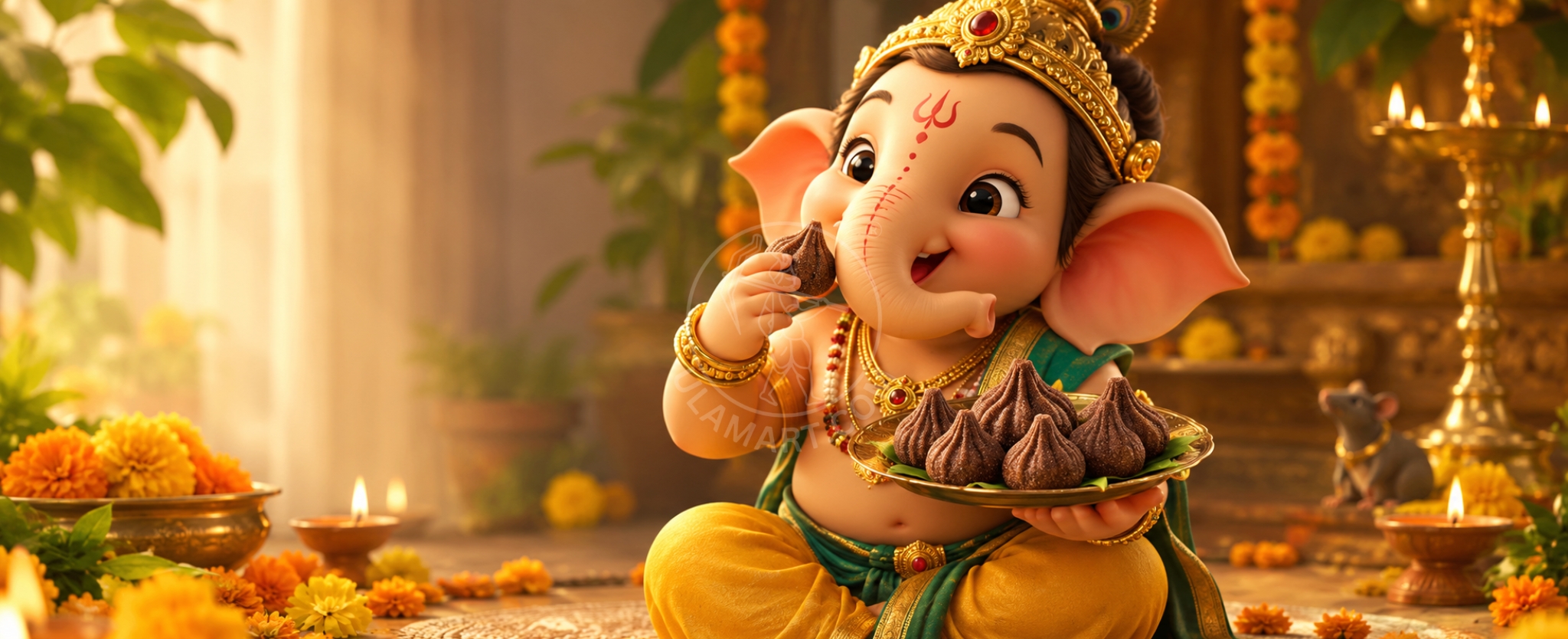
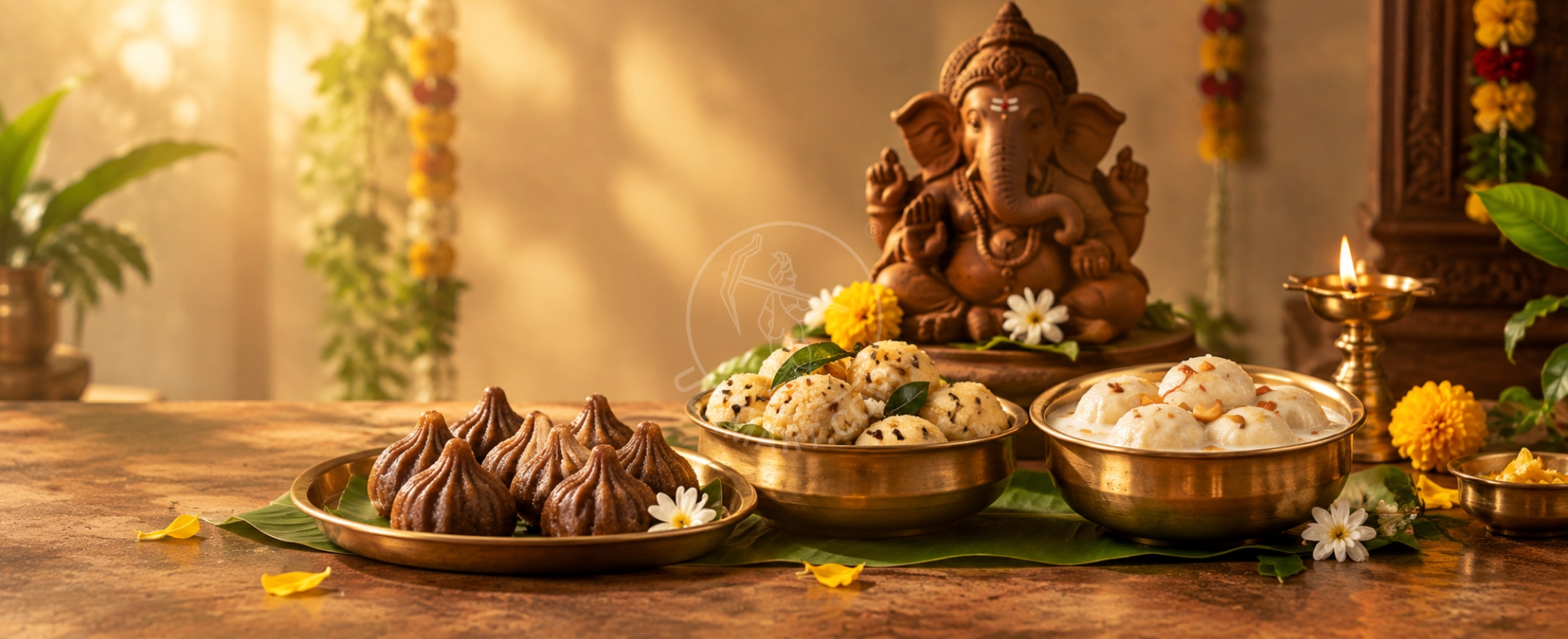
Ganesh Chaturthi is celebrated with special homemade dishes prepared as an offering to Lord Ganesha and shared with family. From savoury kozhukattai and sundal to sweet modak and payasam, traditional festival recipes can be made even more interesting by using nutritious millets.
If you are looking for Ganesh Chaturthi recipes with millets, this collection brings together 10 easy recipes made with different millets, including barnyard millet, ragi, pearl millet, little millet, kodo millet, proso millet and foxtail millet (thinai). These millet recipes for Ganesh Chaturthi are suitable for anyone looking to include traditional grains in their festive cooking without making complicated dishes.
1. Barnyard Millet Kara Kozhukattai
Barnyard millet makes a delicious base for a savoury kara kozhukattai. With mustard, urad dal, curry leaves and coconut, this steamed snack has the familiar flavour of traditional South Indian kozhukattai.
Ingredients
- Barnyard millet flour – 1 cup
- Water – 2½ cups
- Fresh grated coconut – ¼ cup
- Mustard seeds – 1 tsp
- Urad dal – 1 tsp
- Chana dal – 1 tsp
- Green chilli – 2, finely chopped
- Ginger – 1 tsp, finely chopped
- Curry leaves – 1 sprig
- Asafoetida – ¼ tsp
- Salt – as required
- Oil – 1 tbsp
Preparation
- Heat oil in a pan and add mustard seeds.
- When they splutter, add urad dal and chana dal and sauté until lightly golden.
- Add green chilli, ginger, curry leaves and asafoetida.
- Add water and salt and bring it to a boil.
- Simmer the flame & add barnyard millet flour and grated coconut.
- Cook on low heat until the millet absorbs the water and forms a soft dough-like mixture.
- Allow the mixture to cool slightly.
- Grease your hands and shape the mixture into small balls or oval-shaped kozhukattai.
- Steam for about 10 to 12 minutes until firm and cooked through.
- Serve warm.
2. Ragi Modak
Ragi gives a darker colour and earthy flavour to this festive modak. This simple version combines ragi flour with coconut and jaggery for a naturally sweet filling.
Ingredients
For the outer layer:
- Organic Ragi flour – 1 cup
- Water – 1½ cups
- Salt – a pinch
- oil – 1 tsp
For the filling:
- Grated coconut – 1 cup
- Country Sugar – ¾ cup
- Cardamom powder – ½ tsp
Preparation
- Add country sugar and 2 to 3 tablespoons of water to a pan and heat until the sugar dissolves.
- Strain if necessary to remove impurities.
- Add grated coconut and cook until the mixture thickens.
- Add cardamom powder, mix and keep aside.
- For the outer layer, bring water, salt and oil to a boil.
- Put off the heat and gradually add ragi flour while stirring continuously.
- Mix until it comes together into a soft dough.
- Cover and allow it to cool slightly.
- Grease your hands and take a small portion of dough.
- Flatten it into a small cup, place some coconut-jaggery filling in the centre and gently close it.
- Shape it like a modak.
- Steam the modaks for about 10–12 minutes.
- Serve warm.
This ragi modak is a simple way to bring millet-based cooking into your Ganesh Chaturthi menu.
3. Pearl Millet Sweet Paniyaram
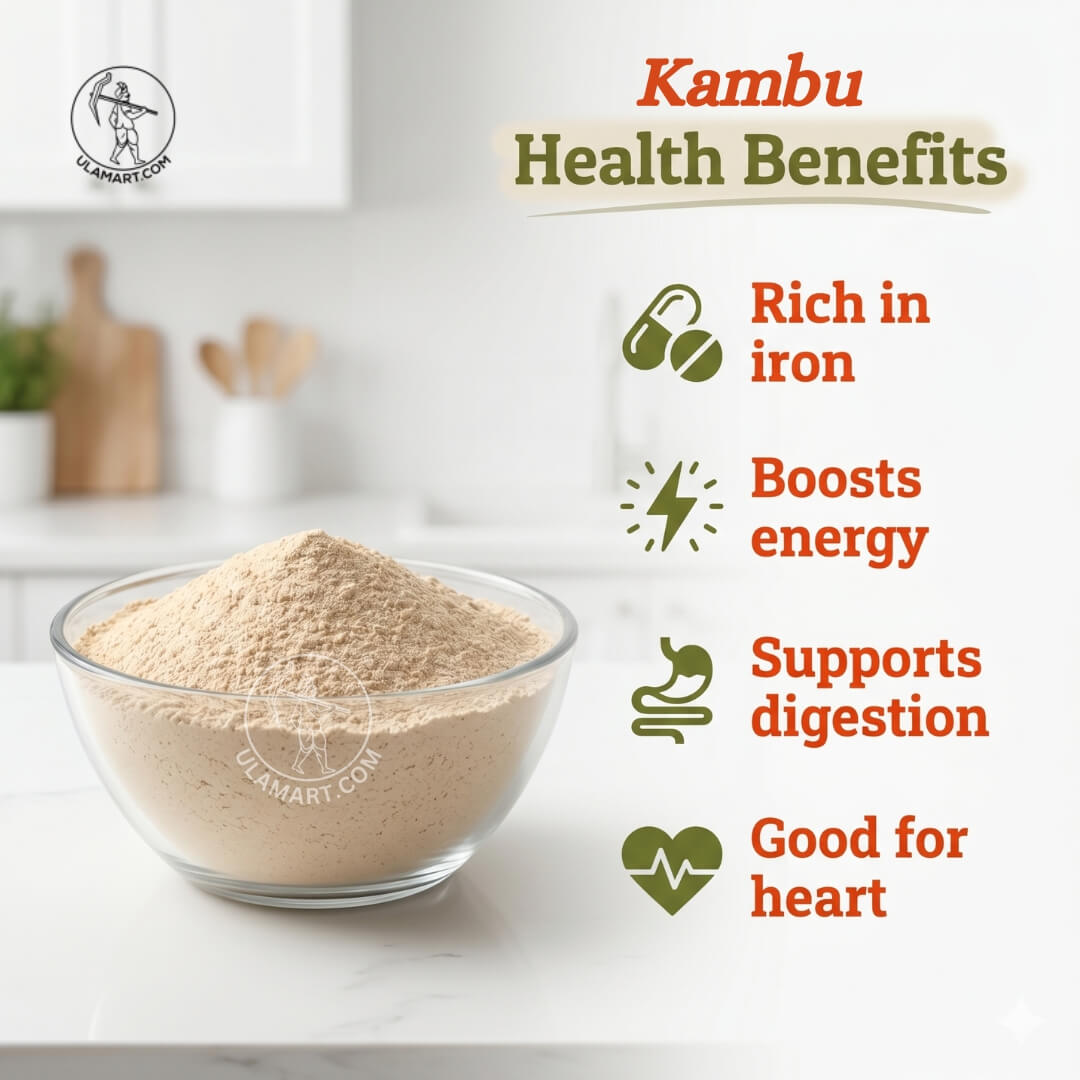
Pearl millet, also known as bajra or kambu, can be used to make soft and flavourful sweet paniyaram. Jaggery, coconut and cardamom add a traditional festive taste.
Ingredients
- Pearl millet flour 1 cup
- Rice flour ¼ cup
- Jaggery ¾ cup
- Grated coconut ½ cup
- Banana 1 small, mashed
- Cardamom powder ½ tsp
- Salt a pinch
- Water as required
- Ghee or oil for cooking
Preparation
- Dissolve jaggery in a small amount of warm water and strain.
- In a mixing bowl, combine pearl millet flour and rice flour.
- Add mashed banana, grated coconut, cardamom powder and a pinch of salt.
- Pour in the melted jaggery and mix well.
- Add water little by little to make a thick but pourable batter.
- Allow the batter to rest for 15–20 minutes.
- Heat a paniyaram pan and grease each cavity with a little ghee or oil.
- Pour the batter into the cavities.
- Cook on low to medium heat until the bottom becomes golden.
- Turn each paniyaram and cook the other side.
- Serve warm.
4. Little Millet (Saamai) Pongal
Little millet (Samai) is a convenient substitute for rice in a comforting South Indian pongal. Moong dal, pepper, cumin, ginger and curry leaves give it the classic ven pongal flavour.
Ingredients
- Little millet 1 cup
- Yellow moong dal ½ cup
- Water 5 to 6 cups
- Black pepper 1 tsp, crushed
- Cumin seeds 1 tsp
- Ginger 1 tsp, finely chopped
- Curry leaves 1 sprig
- Cashews 8 to 10
- Ghee 2 tbsp
- Asafoetida ¼ tsp
- Salt as required
Preparation
- Wash the little millet well and drain.
- Dry roast the moong dal lightly until aromatic.
- Combine the millet and roasted moong dal.
- Add water and salt and cook until both become soft and creamy.
- Heat ghee in a small pan.
- Add cashews and fry until golden.
- Add cumin, crushed pepper, ginger, curry leaves and asafoetida.
- Sauté briefly and pour the tempering over the cooked millet and dal.
- Mix well and adjust the consistency with hot water if required.
- Serve warm.
Little millet pongal is one of the easiest millet recipes for Ganesh Chaturthi when you want a filling savoury dish alongside festive sweets.
5. Kodo Millet Paal Kozhukattai
Paal kozhukattai is a beloved South Indian sweet traditionally prepared with rice flour. Kodo millet can be incorporated into the dough to create a millet-based version with coconut milk and country sugar.
Ingredients
For the kozhukattai:
- Kodo millet flour 1 cup
- Water 1½ cups
- Salt a pinch
- oil 1 tsp
For the milk mixture:
- Thin coconut milk 2 cups
- Thick coconut milk 1 cup
- Country Sugar 1 cup
- Cardamom powder ½ tsp
- Dry ginger powder ¼ tsp
- Rice flour 1 tsp
Preparation
- Boil water with salt and sesame oil.
- Gradually add kodo millet flour while stirring.
- Mix until a soft dough forms.
- Allow it to cool enough to handle.
- Grease your palms and roll the dough into small smooth balls.
- Steam the balls for about 8 to 10 minutes.
- Bring the thin coconut milk to a gentle simmer.
- Add the steamed millet balls and cook for a few minutes.
- Mix rice flour with a little water and add it to the mixture to provide slight thickness.
- Add country sugar, mix well and simmer gently.
- Finally, add thick coconut milk, cardamom and dry ginger powder.
- Heat gently without boiling vigorously.
- Serve warm.
6. Barnyard Coconut Laddu
These simple coconut laddus combine barnyard millet with coconut and jaggery. They can be prepared in small portions and served as a festive sweet.
Ingredients
- Barnyard millet flour 1 cup
- Fresh grated coconut 1 cup
- Jaggery ¾ cup
- Ghee 2 tbsp
- Cardamom powder ½ tsp
- Cashews 2 tbsp, chopped
Preparation
- Dry roast the barnyard millet flour on low heat until it becomes aromatic. Do not darken it.
- Add grated coconut and roast for another 2–3 minutes.
- Heat jaggery with a few tablespoons of water until dissolved.
- Strain the jaggery syrup.
- Add the syrup gradually to the roasted millet and coconut mixture.
- Add ghee, cardamom powder and chopped cashews.
- Mix while warm until the mixture holds together.
- Take small portions and roll into laddus.
- Allow them to cool and firm up before serving.
7. Proso Millet Sundal
Sundal is a popular South Indian festive preparation made with legumes and a simple coconut tempering. Proso millet adds a different texture and makes this an interesting addition to a Ganesh Chaturthi menu.
Ingredients
- Proso millet 1 cup
- Water 2½ cups
- Fresh grated coconut ½ cup
- Mustard seeds 1 tsp
- Urad dal 1 tsp
- Green chilli 2
- Red chilli 1
- Curry leaves 1 sprig
- Asafoetida ¼ tsp
- Salt as required
- Oil 1 tbsp
Preparation
- Wash the proso millet thoroughly.
- Cook it with water and a little salt until tender but not mushy.
- Drain excess water if necessary and set aside.
- Heat oil in a pan.
- Add mustard seeds and allow them to splutter.
- Add urad dal and fry until golden.
- Add green chilli, red chilli, curry leaves and asafoetida.
- Add the cooked proso millet and salt.
- Mix gently.
- Add grated coconut and cook for another 1–2 minutes.
- Serve warm or at room temperature.
8. Tri Millet Palm Candy Payasam
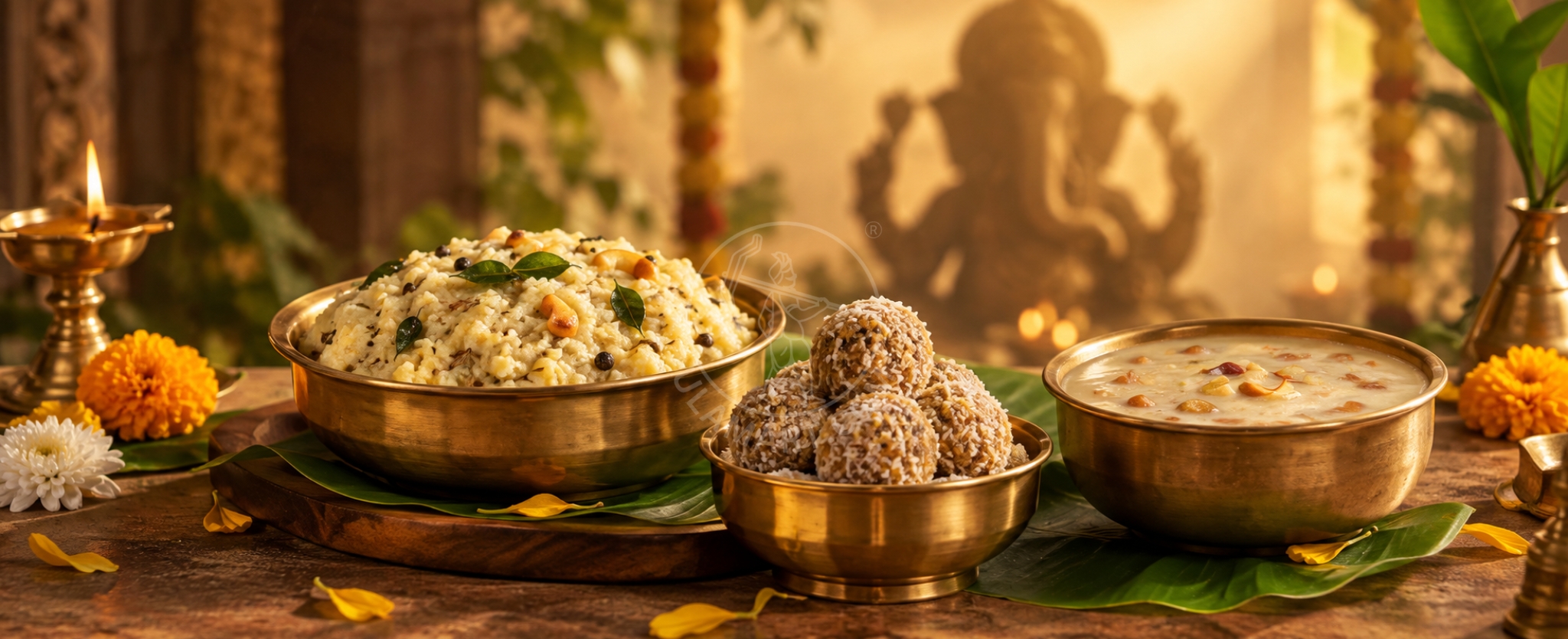
This festive payasam brings together three different millets, kodo millet, little millet and proso millet. Coconut milk, palm candy (panakarkandu), cardamom and nuts complete this traditional-style dessert.
Ingredients
- Kodo millet ½ cup
- Little millet ½ cup
- Proso millet ½ cup
- Water – 4 cups
- coconut milk or milk 3 to 4 cups
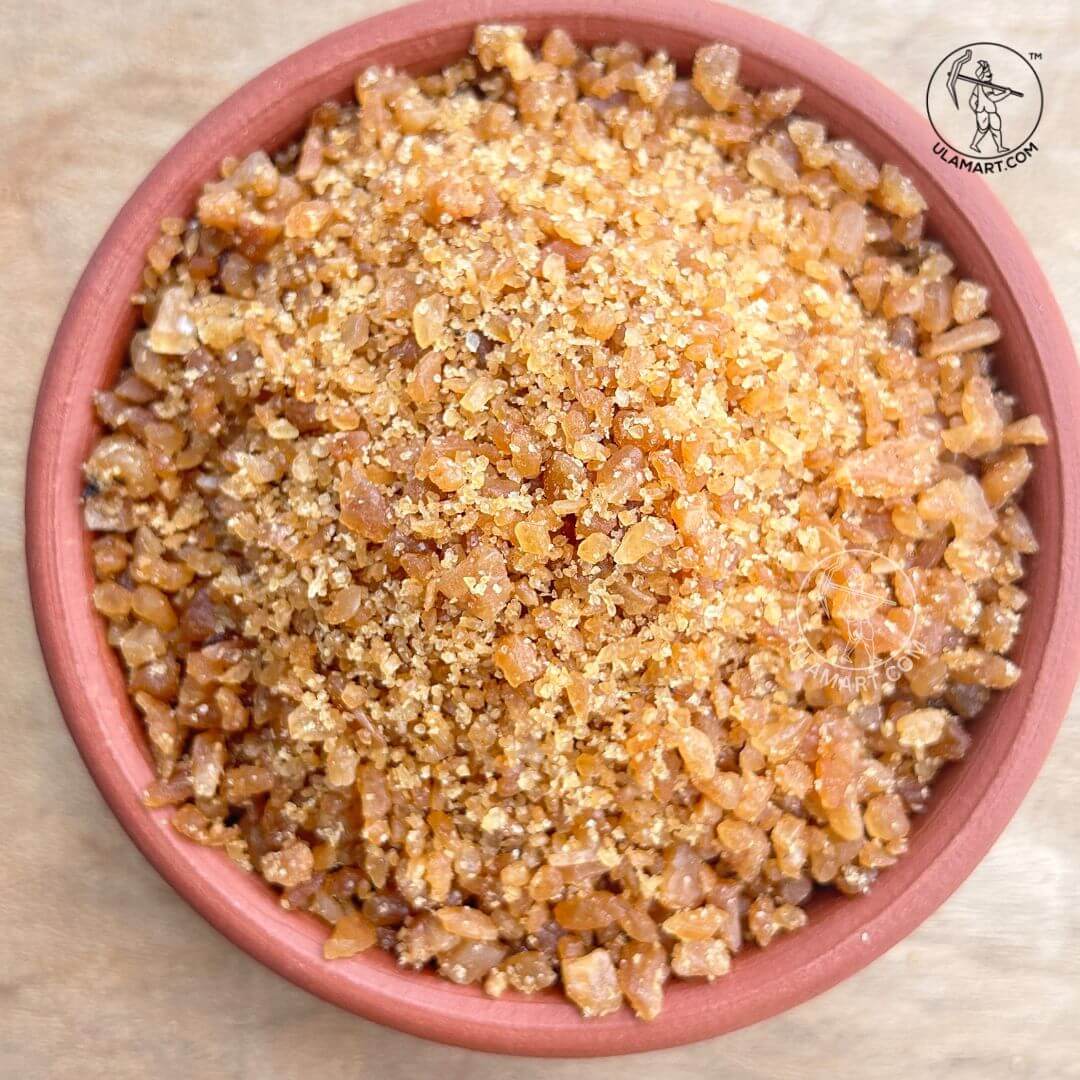
- Palm Candy (panakarkandu) 1½ cups
- Cardamom powder ½ tsp
- Dry ginger powder ¼ tsp (optional)
- Cashews 2 tbsp
- Raisins 1 tbsp
- Ghee 1 tbsp
Preparation
- Wash all three millets thoroughly.
- Combine them and cook with sufficient water until soft.
- Add the palm candy to the cooked millet.
- Add coconut milk or milk and simmer gently for a few minutes.
- Heat ghee separately and fry cashews and raisins.
- Add them to the payasam.
- Add cardamom and dry ginger powder.
- Turn off the heat and allow it to rest for a few minutes.
- Serve warm or at room temperature.
This tri millet payasam is especially useful when you want Ganesh Chaturthi recipes with millets that bring several traditional grains together in one festive dessert.
9. Pearl Millet Adai
Pearl millet gives this traditional South Indian adai a distinctive earthy flavour. Combining millet flour with dals, onion, chilli and curry leaves creates a hearty savoury dish.
Ingredients
- Pearl millet flour 1 cup
- Rice flour ¼ cup
- Chana dal ¼ cup, soaked
- Toor dal ¼ cup, soaked
- Onion 1 medium, finely chopped
- Green chilli 2, finely chopped
- Ginger 1 tsp, finely chopped
- Curry leaves 1 sprig, chopped
- Coriander leaves 2 tbsp, chopped
- Asafoetida ¼ tsp
- Salt as required
- Water as required
- Oil for cooking
Preparation
- Soak chana dal and toor dal for about 2 hours.
- Drain the dals and grind them coarsely.
- Transfer to a bowl and add pearl millet flour and rice flour.
- Add onion, green chilli, ginger, curry leaves, coriander and asafoetida.
- Add salt and mix well.
- Add water gradually to form a thick, spreadable dough.
- Heat a tawa and grease lightly.
- Take a portion of the dough and spread it into a thin or medium-thick adai.
- Make a few small holes in the centre and drizzle oil around the edges.
- Cook until the underside turns golden and crisp.
- Flip and cook the other side.
- Serve hot.
10. Thinai Millet Murukku
Thinai (foxtail millet), can be used to prepare a crisp and festive murukku. This is a good option for adding a traditional millet ingredient to a homemade festival snack.
Ingredients
- Thinai millet flour 1 cup
- Roasted gram flour 2 tbsp
- Crushed Black Pepper 1 tbsp
- Cumin seeds 1 tsp
- Asafoetida ¼ tsp
- Butter 2 tbsp
- Salt as required
- Water as required
- Oil for deep frying
Preparation
- Sieve the thinai millet flour
- Add roasted gram flour, crushed pepper seeds, sesame seeds, asafoetida and salt.
- As a quick alternate, take Ulamart Thinai Millet Murukku Ready Mix, and skip step 1 & 2
- Add softened butter and mix well.
- Gradually add water and make a soft, smooth dough.
- Fill a murukku press with the dough.
- Press the dough into spiral shapes on a greased sheet or ladle.
- Heat oil over medium heat.
- Carefully slide the murukku into the hot oil.
- Fry until crisp and the bubbling reduces.
- Remove and drain on a kitchen towel.
- Allow the murukku to cool completely before storing in an airtight container.
How to Build a Millet-Based Ganesh Chaturthi Menu
These 10 recipes give you a mix of sweet and savoury dishes without relying on just one millet.
Savoury recipes
- Barnyard Millet Kara Kozhukattai
- Little Millet Pongal
- Proso Millet Sundal
- Pearl Millet Adai
Sweet recipes
- Ragi Modak
- Pearl Millet Sweet Paniyaram
- Kodo Millet Paal Kozhukattai
- Barnyard Coconut Laddu
- Tri Millet Payasam
Festive snack
- Thinai Millet Murukku
One of the advantages of using different millets is the variety of flavours and textures they bring to the festive table. Instead of using the same grain for every dish, you can experiment with barnyard millet, ragi, pearl millet, little millet, kodo millet, proso millet and thinai.
Why Use Millets in Traditional Festival Recipes?
Millets have been part of traditional Indian food cultures for generations. Different millets can be used in a wide range of preparations, from breakfast dishes and savoury snacks to sweets and festive recipes.
For home cooks, millet-based cooking also offers an opportunity to explore traditional grains beyond everyday rice-based meals.
However, millets are not automatically healthier simply because they are millets. The overall recipe, ingredients, cooking method and portion size also matter. Festival foods are best enjoyed as part of a varied and balanced diet.
Frequently Asked Questions
What are some easy Ganesh Chaturthi recipes with millets?
Some easy options include Barnyard Millet Kara Kozhukattai, Ragi Modak, Pearl Millet Sweet Paniyaram, Little Millet Pongal, Proso Millet Sundal and Thinai Millet Murukku.
Which millet can be used to make modak?
Ragi can be used to prepare the outer layer of a millet-based modak. Ragi Modak can be filled with a traditional coconut and jaggery mixture and steamed.
Can millets be used for kozhukattai?
Yes. Barnyard millet and kodo millet can be incorporated into different kozhukattai preparations. Barnyard Millet Kara Kozhukattai is a savoury version, while Kodo Millet Paal Kozhukattai is a sweet preparation.
What are good millet recipes for Ganesh Chaturthi?
A festive millet menu can include both sweet and savoury preparations such as millet kozhukattai, millet modak, millet pongal, millet sundal, millet payasam, millet laddu and millet murukku.
Which millets are used in these Ganesh Chaturthi recipes?
These recipes use barnyard millet, ragi, pearl millet, little millet, kodo millet, proso millet and thinai (foxtail millet).
Can traditional festival recipes be made with different millets?
Yes. Many familiar preparations can be adapted using different millet flours or cooked millets. The amount of water and cooking time may need adjustment depending on the millet and the recipe.
Final Thoughts
Ganesh Chaturthi is a wonderful time to celebrate homemade food and traditional flavours. These millet recipes for Ganesh Chaturthi offer plenty of choices, from steamed kozhukattai and modak to crispy murukku, sundal, pongal and festive payasam.
Whether you are looking for a millet modak, a savoury millet kozhukattai, a traditional-style millet payasam, or an easy millet snack, these 10 recipes provide simple ways to bring millets into your festive cooking.
To make festive cooking easier and more convenient, Ulamart offers a variety of ready-to-cook millet flours that can be used for preparing several of these recipes. From ragi and pearl millet to other traditional millet varieties, having the flour ready saves preparation time while making it easier to include millets in your festive menu.
Instead of limiting millets to everyday meals, this Ganesh Chaturthi, try incorporating different traditional grains into your festive menu and discover new versions of familiar favourites.