Have you ever heard someone say, “Biryani is unhealthy”?
It’s one of the most common assumptions people make about one of India’s most loved dishes. Yet, very few stop to ask an important question: What exactly makes biryani unhealthy!?
- Biryani is a healthy food
- Is Biryani Really Unhealthy? Why This Myth Exists
- Breaking Down Every Ingredient in Biryani
- Why Seeraga Samba Rice Makes Tamil Nadu Biryani Special
- The Real Factors That Decide Whether Biryani Is Healthy
- Homemade Biryani vs. Restaurant Biryani
- How to Make Your Biryani Even Healthier
- Frequently Asked Questions
Biryani is a healthy food
Yes, that’s a bold statement – but it’s one that’s backed by the ingredients used to prepare it.
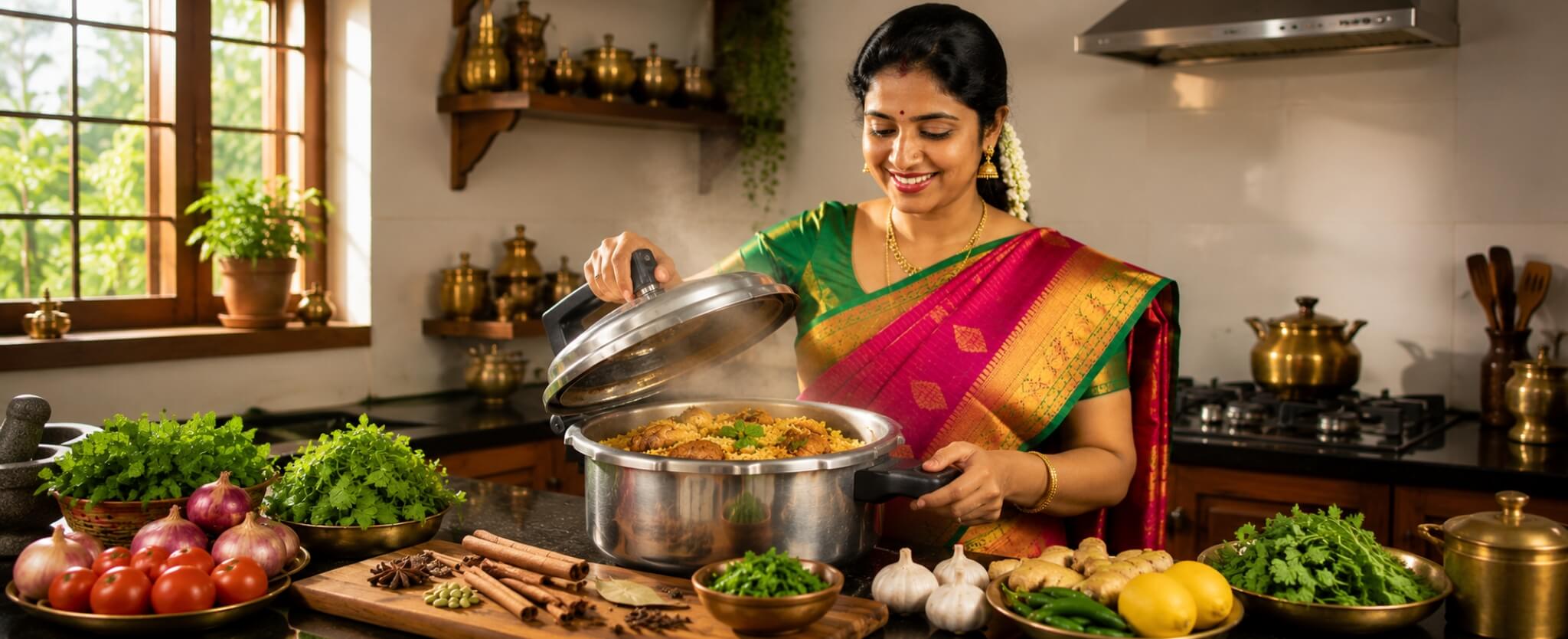
Think about what’s inside an authentic biryani: rice, fresh chicken or mutton, vegetables, mint, coriander, ginger, garlic, and a blend of whole spices like cinnamon, cloves, cardamom, and fennel. Every one of these ingredients has its own nutritional value.
So instead of asking,
“Is briyani unhealthy?”
perhaps we should ask,
“Which ingredient in an authentic briyani is actually unhealthy?”
In most cases, the answer isn’t the dish itself—it’s the quality of the ingredients, the hygiene of the kitchen, and the cooking practices that make the difference.
In this article, we’ll break down every major ingredient used in biryani, explain its nutritional role, discuss why Seeraga Samba rice is the preferred choice for authentic Tamil Nadu biryani, and uncover the real reasons behind the myth that biryani is unhealthy.
Let’s separate myths from facts.
Is Biryani Really Unhealthy? Why This Myth Exists
The belief that biryani is unhealthy didn’t appear overnight.
Over the years, people began associating biryani with heavy restaurant meals, oversized portions, excessive oil, and festive indulgence. Since biryani is often eaten during celebrations, weddings, or special occasions, many assume the dish itself is unhealthy.
But that’s an oversimplification.
Imagine judging a salad because one restaurant drenches it in creamy dressing. That wouldn’t make all salads unhealthy.
The same logic applies to biryani.
An authentic biryani isn’t a processed fast food. It’s a slow-cooked one-pot meal made from real ingredients. In fact, traditional biryani recipes contain foods from multiple food groups:
- Rice for carbohydrates
- Chicken or mutton for protein
- Herbs and vegetables for vitamins and antioxidants
- Whole spices for flavor and beneficial plant compounds
- Moderate amounts of cooking fat for energy and taste
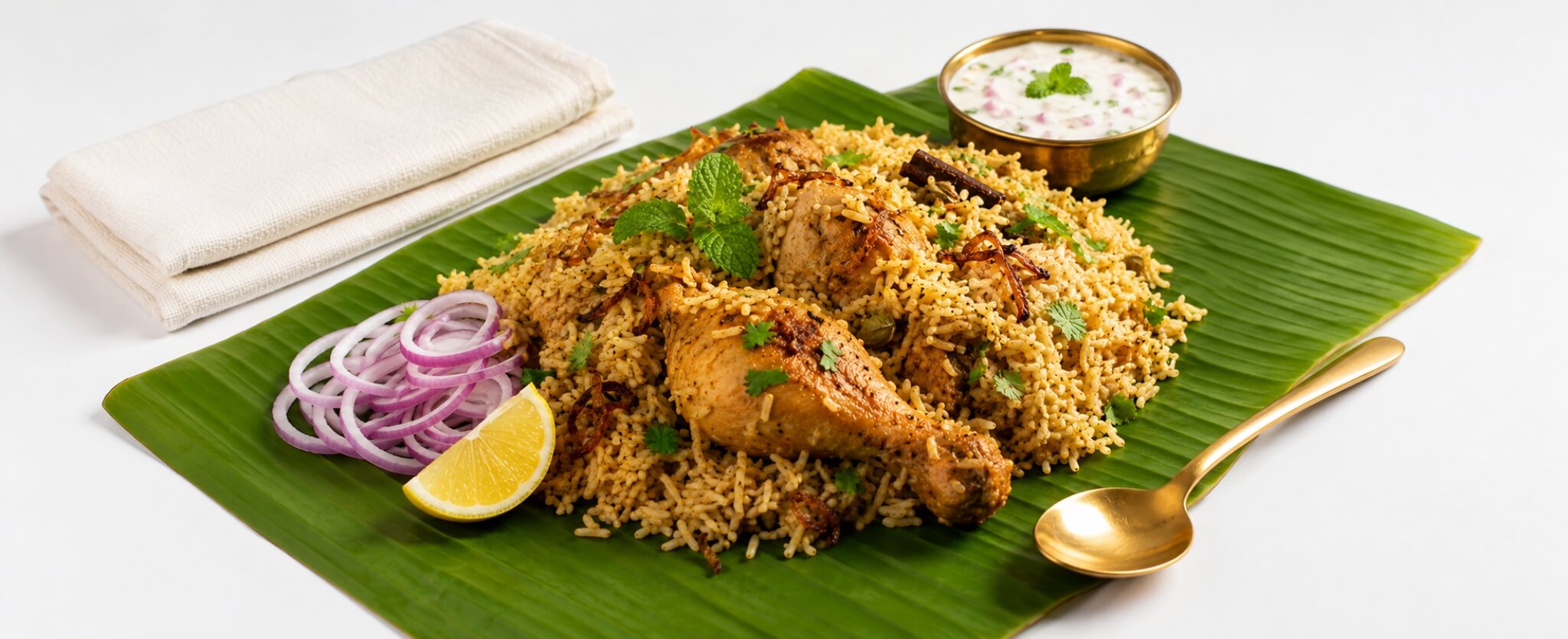

From a nutritional standpoint, that’s remarkably similar to what many nutritionists recommend – a balanced combination of carbohydrates, protein, healthy fats, and micronutrients.
The problem isn’t biryani itself.
The problem begins when shortcuts are taken.
For example:
- Low-quality cooking oil reused multiple times
- Artificial food colors
- Low-grade meat
- Excessive quantities of refined oil
- Poor hygiene during preparation
- Oversized portions
These factors can make any food less healthy—not just biryani.
That’s why saying “biryani is unhealthy” is like saying “rice is unhealthy” or “chicken is unhealthy.” It ignores the bigger picture.
The healthier question to ask is:
Was this biryani prepared using fresh, high-quality ingredients in a hygienic kitchen?
That’s what truly determines its quality.
Breaking Down Every Ingredient in Biryani
Instead of judging biryani as a whole, let’s examine every ingredient individually.
This is where the misconception usually disappears.
- Rice – The Foundation of Every Biryani
Rice is the primary ingredient in biryani and serves as the body’s preferred source of energy through complex carbohydrates.
In most parts of India, biryani is prepared using Basmati rice. However, in Tamil Nadu, authentic biryani is traditionally made using Seeraga Samba rice, a small-grained aromatic rice variety cherished for its exceptional flavor and texture.
Unlike long-grain rice, Seeraga Samba absorbs spices beautifully, allowing every grain to carry the rich aroma of the masalas used during cooking. This creates a deeper, more balanced flavor that has made Tamil-style biryani famous across South India.
From a nutritional perspective, traditional rice varieties like Seeraga Samba are valued for their natural aroma and are often preferred over highly polished rice because they undergo less intensive processing. Their compact grain structure also creates the distinctive mouthfeel that biryani lovers appreciate.
Choosing premium-quality rice not only improves taste but also contributes to the overall quality of the meal.
- Chicken or Mutton – A Rich Source of Protein
Non-vegetarian biryani derives much of its nutritional value from chicken or mutton.
Both are excellent sources of:
- High-quality protein
- Iron
- Zinc
- Vitamin B12
- Essential amino acids
Protein plays an important role in building and repairing body tissues, maintaining muscle mass, and supporting numerous metabolic processes.
Chicken is generally leaner, while mutton contains higher amounts of certain minerals and healthy fats. Either can be part of a balanced diet when consumed in appropriate portions.
The key again is freshness.
Fresh meat sourced from trusted suppliers contributes far more to a healthy biryani than heavily processed alternatives.
- Herbs and Vegetables – Small Ingredients with Big Benefits
Many people overlook one of biryani’s healthiest components: its fresh herbs.
Authentic biryani typically includes generous amounts of:
- Fresh mint leaves
- Coriander leaves
- Onions
- Tomatoes
- Green chilies
Mint and coriander do much more than add fragrance.
They naturally contain vitamins, antioxidants, and beneficial plant compounds while enhancing the overall freshness of the dish.
Onions contribute fiber and antioxidants, while tomatoes provide vitamin C and lycopene.
Although these ingredients may seem small compared to the rice and meat, together they improve both the flavor and nutritional profile of biryani.
One of the reasons traditional Indian cooking has remained popular for generations is its thoughtful use of fresh herbs alongside spices rather than relying on artificial flavor enhancers.
- Whole Spices – Nature’s Flavor Enhancers
One of the biggest myths surrounding biryani is that its bold flavor comes from unhealthy additives.
In reality, authentic biryani gets its signature aroma from whole spices.
Common spices include:
- Cinnamon
- Cloves
- Green cardamom
- Fennel seeds
- Bay leaves
- Black pepper
- Star anise
- Mace
- Nutmeg
These spices don’t merely add aroma! They contain naturally occurring plant compounds that have been studied for their antioxidant and antimicrobial properties. While they aren’t “magic health foods,” they contribute flavor without the need for artificial enhancers. Similarly, ginger and garlic, essential ingredients in nearly every authentic biryani—have long been used in traditional cuisines worldwide and contain bioactive compounds that are associated with various health-supporting properties. National Center for Complementary and Integrative Health – Garlic
The beauty of biryani lies in the harmony of these ingredients. Rather than depending on artificial flavors, an authentic recipe builds its taste layer by layer using nature’s own pantry.
In fact, if you’re interested in a concise explanation of why biryani isn’t inherently unhealthy, I’ve also shared my perspective on Quora: https://www.quora.com/Is-biryani-healthy-or-unhealthy-food/answer/Abarna-Manikandan-6?prompt_topic_bio=1
Why Seeraga Samba Rice Makes Tamil Nadu Biryani Special ?
When people think of biryani, they often picture long-grain Basmati rice. While Basmati is widely used across North India, Tamil Nadu’s most authentic biryani is traditionally prepared with Seeraga Samba rice.
Named after its resemblance to cumin seeds (“seeragam” means cumin in Tamil), Seeraga Samba is a small-grained aromatic rice that has been cultivated in Tamil Nadu for generations.
What makes it unique?
Unlike Basmati, Seeraga Samba doesn’t simply sit beneath the masala. Its small grains absorb the flavors of ginger, garlic, herbs, meat juices, and whole spices remarkably well, ensuring every bite is rich and balanced.
This is why many renowned biryani styles such as Dindigul Biryani, Ambur Biryani, and several traditional Tamil Muslim biryanis continue to rely on Seeraga Samba rather than long-grain rice.
Apart from its culinary advantages, choosing premium-quality rice also plays an important role in the overall quality of the meal. Fresh, well-aged Seeraga Samba cooks evenly, remains fluffy, and delivers the authentic taste that biryani lovers appreciate.
If you’re preparing biryani at home, using premium-quality Seeraga Samba rice can make a noticeable difference in both texture and flavor.
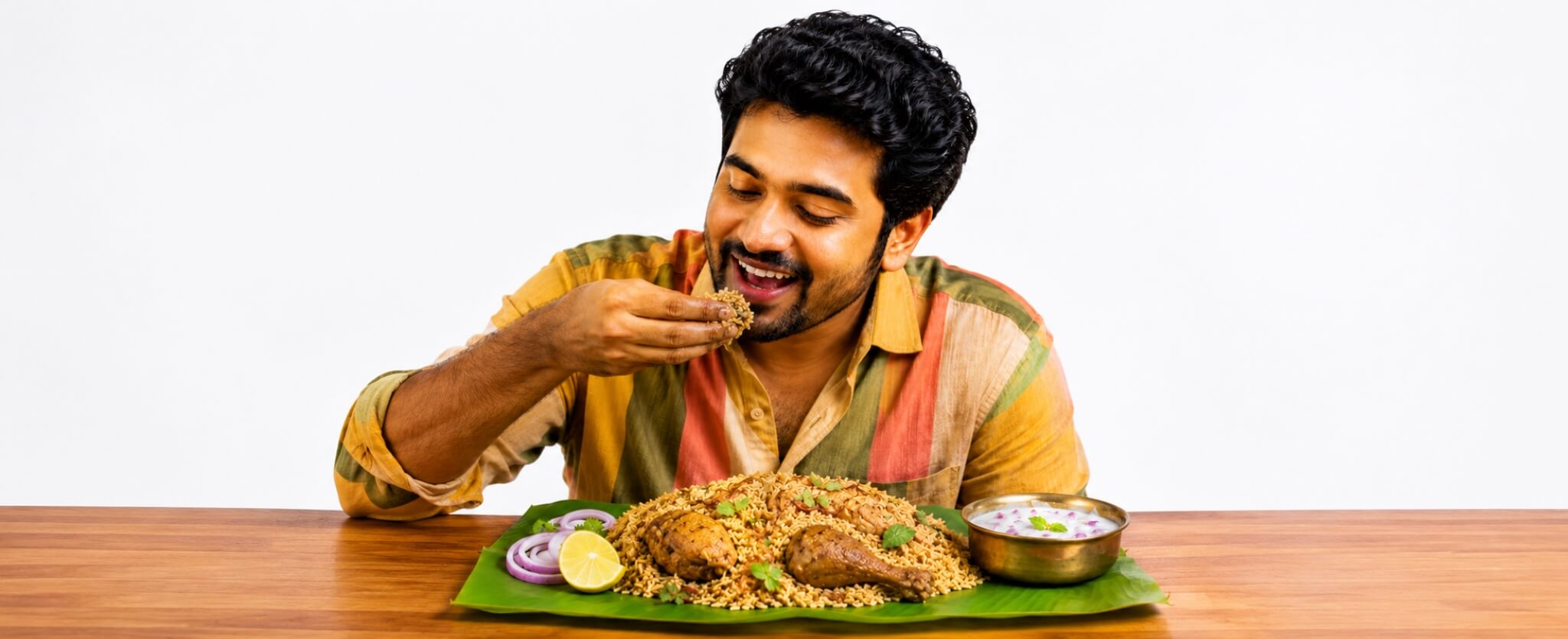
The Real Factors That Decide Whether Biryani Is Healthy
Instead of asking,
“Is biryani healthy?”
a better question is,
“How was this biryani prepared?”
That’s because the dish itself isn’t the deciding factor. Its preparation is.
- Ingredient Quality
Fresh vegetables.
Fresh herbs.
Fresh meat.
Pure spices.
Premium-quality rice.
These are the foundation of a healthy biryani.
Using fresh ingredients doesn’t just improve nutrition—it also improves taste, aroma, and food safety.
- Hygiene
Food safety begins long before cooking starts.
A clean kitchen, safe drinking water, fresh ingredients, and proper food handling practices are essential for preparing any healthy meal.
The World Health Organization highlights hygiene and safe food handling as critical factors in preventing foodborne illnesses. World Health Organization – Food Safety
This applies equally to biryani, dosa, idli, fried rice, or any other dish.
- Cooking Method
Traditional dum cooking allows ingredients to cook slowly in their own moisture, helping flavors develop naturally.
Authentic biryani doesn’t require excessive oil or artificial flavor enhancers.
Good ingredients, proper cooking techniques, and balanced seasoning are what create exceptional taste.
- Portion Size
Even nutritious foods should be eaten in reasonable quantities.
Whether it’s fruits, nuts, rice, or biryani, portion size plays an important role in maintaining a balanced diet.
A moderate serving of biryani paired with raita, salad, or vegetables can easily fit into a healthy eating pattern.
Homemade Biryani vs. Restaurant Biryani
This comparison is where much of the confusion begins.
Many restaurant biryanis are designed to maximize richness and visual appeal. Some may use extra oil, food coloring, or larger quantities of salt to satisfy customer expectations.
Homemade biryani offers something different.
You control:
- The quality of the rice.
- The freshness of the meat.
- The amount of oil or ghee.
- The spice blend.
- The hygiene of the kitchen.
- The cooking method.
This level of control allows families to prepare biryani that’s both delicious and wholesome.
That doesn’t mean restaurant biryani is automatically unhealthy.
Many reputable restaurants use premium ingredients and maintain excellent hygiene standards.
The key is choosing establishments that prioritize quality over shortcuts.
How to Make Your Biryani Even Healthier
If you enjoy biryani regularly, a few simple choices can improve its overall nutritional quality.
Choose premium-quality ingredients.
The better the ingredients, the better both the taste and the meal.
Use authentic whole spices.
Whole spices provide natural aroma and depth of flavor without relying on artificial additives.
Cook with fresh herbs.
Mint and coriander brighten the dish while adding valuable plant nutrients.
Select traditional rice.
Choose traditional briyani rice varieties like Basmati Rice, Seeraga Samba & more. Authentic Seeraga Samba rice not only creates the signature Tamil biryani experience but also absorbs spices beautifully, resulting in a more flavorful meal.
Pair it with raita.
Curd-based raita complements the spices while adding protein and calcium.
Add a fresh salad.
Onions, cucumber, carrots, and lemon provide freshness and additional fiber.
Enjoy it mindfully.
Biryani is meant to be savored – not rushed.
Like every enjoyable meal, balance is more important than restriction.
Final Verdict
So…
Is biryani healthy or unhealthy?
The evidence points toward a simple conclusion.
Biryani is not inherently unhealthy.
It is a traditional one-pot meal prepared using rice, meat, herbs, ginger, garlic, vegetables, and whole spices, ingredients that have been part of Indian kitchens for generations.
What truly determines its healthiness is:
- The quality of the ingredients.
- The hygiene of the cooking environment.
- The cooking method.
- The portion consumed.
A biryani prepared with premium-quality Seeraga Samba rice, fresh meat, natural herbs, pure spices, and cooked in a clean kitchen is a wholesome meal—not something that deserves to be labeled unhealthy simply because of its name.
The next time someone says,
“Biryani is unhealthy.”
Ask them a simple question:
Which ingredient in an authentic biryani is actually unhealthy?
More often than not, the conversation changes.
Frequently Asked Questions
Is chicken biryani healthy?
Yes, chicken biryani can be part of a balanced diet when it’s prepared with fresh ingredients, moderate amounts of oil, quality rice, and proper hygiene.
Is mutton biryani unhealthy?
Not inherently. Mutton provides high-quality protein, iron, zinc, and vitamin B12. Like any meal, moderation and preparation methods matter.
Which rice is best for authentic Tamil biryani?
Traditional Tamil biryani is commonly prepared using Seeraga Samba rice, which is prized for its aroma and ability to absorb spices.
Is homemade biryani healthier than restaurant biryani?
Homemade biryani often gives you greater control over ingredient quality, cooking oil, hygiene, and seasoning. However, restaurants that use premium ingredients and maintain excellent food safety standards can also serve wholesome biryani.
Does biryani contain healthy spices?
Yes. Authentic biryani typically includes cinnamon, cloves, cardamom, cumin, fennel, bay leaves, black pepper, ginger, and garlic—all natural ingredients that contribute flavor and contain beneficial plant compounds.
Does Ulamart sell biryani rice?
Yes. Ulamart offers premium-quality rice varieties that are ideal for preparing authentic biryani at home. Some of the most popular choices include Seeraga Samba Raw Rice, the traditional rice used in Tamil Nadu biryani varieties like Dindigul and Ambur biryani, and Thooyamalli Raw Rice, another aromatic traditional rice that’s well suited for flavorful homemade biryani. Ulamart also offers quality whole spices and other traditional cooking ingredients, making it easy to source everything you need for an authentic biryani experience.