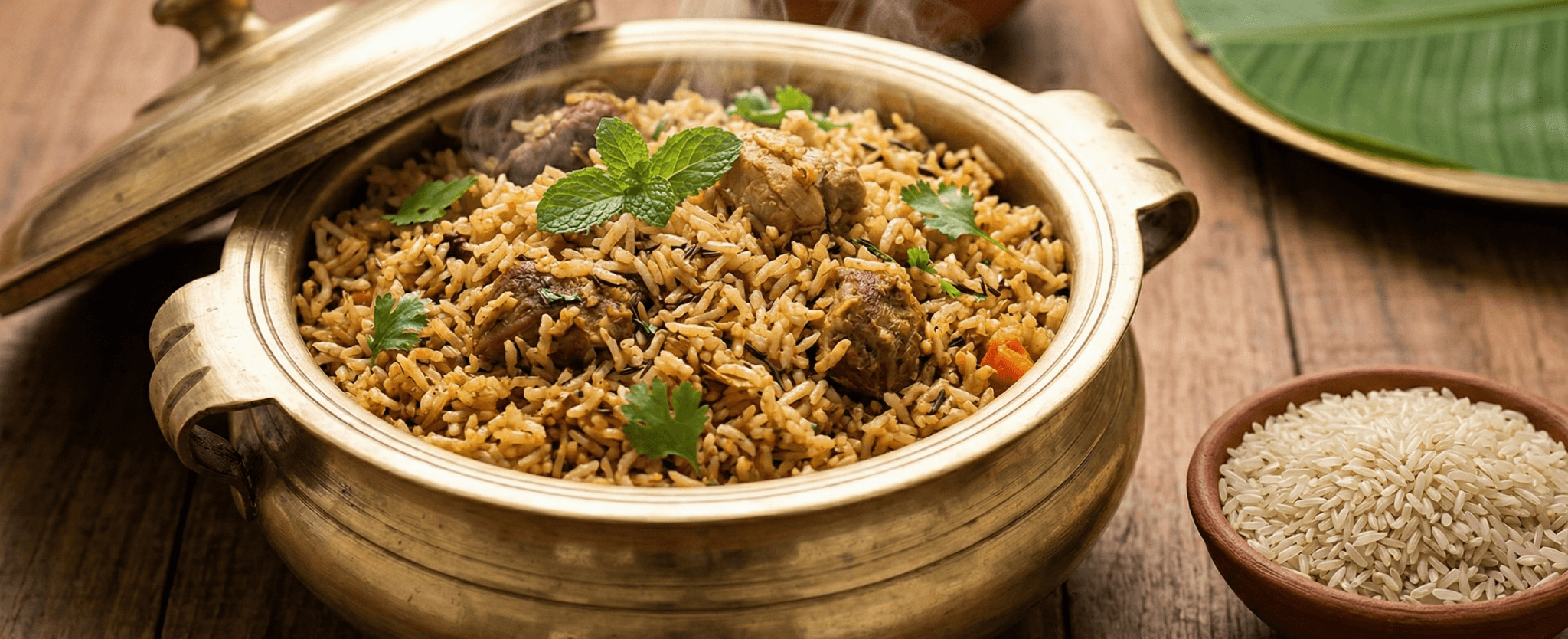
Ask any biryani connoisseur in Tamil Nadu what makes the perfect biryani, and they’ll tell you before you even mention the spices or the meat: it’s the rice. Specifically, it’s Seeraga Samba rice.
While Basmati has dominated biryani conversations for decades, particularly in North India, the South has always known a secret: there’s a rice that creates even better biryani. A rice with smaller, more delicate grains. A rice with a unique, subtle aroma that complements spices instead of competing with them. A rice that remains perfectly separate, never mushy, absorbing flavors while maintaining its distinct identity.
That rice is Seeraga Samba.
The name itself tells you it’s special. “Seeraga” refers to cumin (jeerakam in Malayalam, jeeragam in Tamil), and “Samba” indicates the season of cultivation. The grains are so small and distinctive that they resemble cumin seeds, hence the name. But don’t let the size fool you – this tiny grain packs enormous flavor, nutrition, and culinary versatility.
Seeraga Samba is not just biryani rice. It’s the biryani rice, elevated to royal status in Tamil cuisine, sought after for weddings, festivals, and any occasion where the meal needs to be truly memorable. It’s the most expensive rice grown in South India, not because of marketing hype, but because of genuine quality and limited cultivation.
Today, let’s explore why Seeraga Samba rice deserves its royal reputation, how it creates perfect biryani, and why it should be in your kitchen.
What is Seeraga Samba Rice?
Seeraga Samba is a traditional aromatic rice variety indigenous to Tamil Nadu, cultivated primarily in the Cauvery delta region.
Name Origin:
- Seeraga/Jeeraga: Cumin (refers to grain size and shape)
- Samba: Cultivation season (August-September planting)
- Together: Cumin-seed rice
Physical Characteristics:
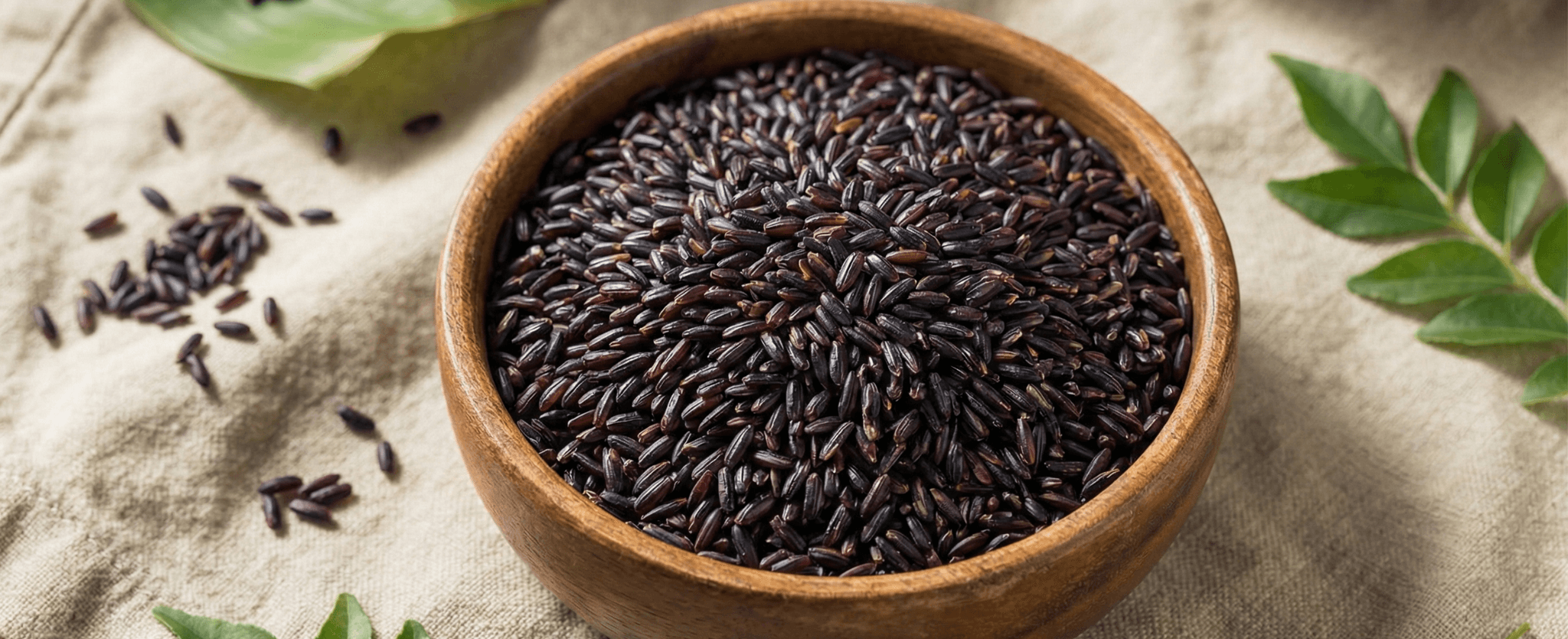
- Very small, short grains (smaller than most rice varieties)
- Ovular shape
- Cream to white color when milled
- Natural aromatic compounds
- Slightly sticky when cooked (but grains remain separate)
- Delicate texture
Growing Regions:
- Primarily Thanjavur district, Tamil Nadu
- Requires specific soil and water conditions
- Traditional cultivation methods
- Limited production (hence higher price)
At Ulamart, we offer authentic Seeraga Samba rice, sourced directly from traditional farmers in the Cauvery delta who maintain the purity and quality of this special variety.
The Aroma: What Makes Seeraga Samba Special
Like all great aromatic rice, Seeraga Samba’s fragrance is natural, not engineered.
Natural Aromatic Compounds
The source: The aroma comes from 2-acetyl-1-pyrroline, the same compound found in Basmati rice, but in different concentrations and combined with other aromatic compounds unique to Seeraga Samba.
The scent: Pleasant, subtle, slightly nutty fragrance. Less pronounced than Basmati’s strong perfume, more delicate and refined. Some describe it as having hints of cumin (fitting the name), others detect floral notes.
When it shines: The aroma intensifies during cooking, filling your kitchen with an inviting scent that signals something special is being prepared.
How It Compares to Other Aromatic Rice
vs Basmati:
- Seeraga Samba: Subtle, delicate, doesn’t overpower spices
- Basmati: Strong, distinctive, can dominate dish
vs Thooyamalli:
- Seeraga Samba: More aromatic, specifically for biryani
- Thooyamalli: Jasmine-like, more versatile for all dishes
vs Regular rice:
- Seeraga Samba: Natural fragrance, adds dimension to food
- Regular rice: No aroma, plain canvas
Why the subtlety matters: In biryani, you want the rice to enhance the spices, meat, and aromatics – not compete with them. Seeraga Samba’s delicate fragrance does exactly that.
Nutritional Profile: More Than Just Flavor
Seeraga Samba isn’t just aromatic – it offers genuine nutritional benefits.
Seeraga Samba Rice Nutritional Content (Per 100g Cooked)
| Nutrient | Seeraga Samba | Regular White Rice | Basmati |
| Calories | 170 kcal | 130 kcal | 121 kcal |
| Protein | 3g | 2.7g | 3.5g |
| Carbohydrates | 38g | 28g | 25g |
| Fiber | 2.3g | 0.4g | 0.7g |
| Selenium | High | Low | Moderate |
| Glycemic Index | 50-55 | 70-90 | 58-60 |
Key Highlights:
Rich in Selenium: Seeraga Samba is exceptionally high in selenium, a powerful antioxidant mineral that:
- Boosts immune function
- Protects cells from oxidative damage
- Supports thyroid health
- May reduce cancer risk (especially colon and intestinal cancer)
Good Fiber Content: At 2.3g per 100g, it has significantly more fiber than regular white rice, helping with:
- Digestive health
- Blood sugar control
- Cholesterol management
- Satiety and weight management
Low to Medium Glycemic Index (50-55): Much better than regular white rice, making it suitable for:
- Diabetics (in moderate portions)
- People managing weight
- Anyone wanting stable blood sugar
Phytonutrients: Contains beneficial plant compounds that:
- Strengthen heart health
- Fight breast cancer (research-backed)
- Increase immunity and stamina
- Aid digestion
Why Seeraga Samba is Perfect for Biryani
This is where Seeraga Samba truly shines. Here’s why it creates superior biryani.
1. Perfect Grain Size and Separation
The size advantage:
- Small grains mean more surface area for flavor absorption
- Each tiny grain can be coated with spices and ghee
- Better distribution of flavors throughout the dish
- More grains per serving (feels abundant)
Stays separate: Despite being slightly sticky when cooked, Seeraga Samba grains remain distinct and separate. You won’t get the mushy, clumpy biryani that happens with some rice varieties.
Visual appeal: The small, separate grains create a beautiful texture. When you serve biryani made with Seeraga Samba, it looks professional, restaurant-quality.
2. Superior Flavor Absorption
Starchy perfection: Seeraga Samba has just the right amount of starch – enough to help flavors cling to each grain, but not so much that it becomes sticky.
Spice integration: The rice absorbs:
- Saffron color and flavor
- Cardamom, cinnamon, and clove aromatics
- Ghee richness
- Meat or vegetable juices
Balanced taste: The rice has its own subtle flavor that enhances, rather than masks, the biryani spices.
3. Ideal Texture After Dum Cooking
Dum cooking (cooking in a sealed pot with low heat) is essential for biryani. Seeraga Samba excels at this:
Stays firm: Doesn’t overcook or become mushy during the long dum process Absorbs steam: Takes in the aromatic steam trapped in the sealed pot Remains fluffy: Each grain stays light and separate Perfect doneness: Cooked through but maintains texture
4. Traditional Authenticity
Cultural significance: In Tamil Nadu, using any rice other than Seeraga Samba for biryani is considered inferior. It’s the traditional choice for:
- Wedding feasts
- Festival celebrations
- Special family occasions
- Restaurant biryanis
Expert choice: Professional chefs in Tamil Nadu won’t compromise. They know Seeraga Samba makes the difference between good biryani and exceptional biryani.
5. Works with Both Vegetable and Meat Biryani
Versatility: Whether you’re making:
- Chicken biryani
- Mutton biryani
- Vegetable biryani
- Egg biryani
- Fish biryani
Seeraga Samba works perfectly, adapting to different cooking times and flavor profiles.
How to Cook Perfect Biryani with Seeraga Samba Rice
Success with Seeraga Samba requires understanding its unique characteristics.
Preparation Steps
- Washing: Rinse Seeraga Samba rice 3-4 times until water runs mostly clear. Don’t over-rinse (removes some beneficial starch).
- Soaking: Essential for Seeraga Samba. Soak for 30-45 minutes minimum.
Why soaking matters:
- Allows grains to hydrate evenly
- Reduces cooking time
- Prevents breaking
- Results in longer, more separate grains
- Water Ratio:
- For biryani: 1 cup rice to 1.75 cups water
- Seeraga Samba needs slightly less water than Basmati
- Adjust based on soaking time (longer soak = less water needed)
Cooking Method for Biryani
Step 1: Parboil the rice
- Bring large pot of water to boil
- Add salt, whole spices (bay leaf, cinnamon, cloves)
- Add soaked, drained rice
- Cook until 70% done (grains should still have a slight bite in the center)
- Drain immediately
Why partial cooking: The rice finishes cooking during dum, ensuring perfect texture without overcooking.
Step 2: Layer the biryani
- Prepare your masala/gravy layer (meat or vegetables)
- Layer parboiled rice over masala
- Add saffron milk, fried onions, ghee, fresh herbs
- Seal pot tightly
Step 3: Dum cooking
- High heat for 3-4 minutes (creates steam)
- Reduce to lowest heat
- Cook for 25-30 minutes
- Turn off heat, let rest 10 minutes
- Open and gently fluff
Result: Perfect biryani with separate, flavorful Seeraga Samba grains.
Common Mistakes to Avoid
Overcooking during parboiling: Cook only to 70%, not fully
Too much water: Seeraga Samba needs less water than you think
Skipping soaking: Results in uneven cooking and breaking
Opening pot during dum: Breaks the seal, releases steam, ruins the process
Stirring vigorously: Breaks the delicate grains; fluff gently with fork
Traditional Seeraga Samba Biryani Recipe
Ingredients
For Rice:
- 2 cups Seeraga Samba rice
- Water for boiling
- 2 bay leaves
- 4-5 green cardamom
- 2-inch cinnamon stick
- 4-5 cloves
- Salt to taste
For Masala:
- 500g chicken/mutton or vegetables
- 2 large onions, thinly sliced
- 2 tomatoes, chopped
- 1 cup yogurt
- Ginger-garlic paste (2 tbsp)
- Biryani masala (3 tbsp)
- Green chilies, mint, coriander
- Ghee (4 tbsp)
- Salt
For Layering:
- Saffron soaked in warm milk
- Fried onions
- Fresh mint and coriander
- Ghee (2 tbsp)
Method
Prepare the masala:
- Heat ghee, fry onions until golden brown
- Add ginger-garlic paste, cook until raw smell disappears
- Add tomatoes, cook until soft
- Add biryani masala, cook for 2 minutes
- Add meat/vegetables, yogurt, mint, coriander
- Cook until meat is 80% done (if using)
- Check salt
Parboil the rice:
- Soak rice for 30 minutes
- Boil water with whole spices and salt
- Add drained rice, cook until 70% done
- Drain immediately
Layer the biryani:
- In heavy-bottomed pot, spread masala layer
- Layer parboiled rice evenly on top
- Sprinkle saffron milk, fried onions, fresh herbs
- Dot with ghee
- Cover tightly with aluminum foil, then lid
Dum cooking:
- High heat for 3 minutes
- Low heat for 25-30 minutes
- Turn off, rest 10 minutes
- Open, fluff gently
Serve hot with raita, pickle, and papad.
Beyond Biryani: Other Uses for Seeraga Samba
While biryani is its claim to fame, Seeraga Samba is versatile.
Pulao
Perfect for:
- Vegetable pulao
- Ghee rice
- Coconut rice
- Lemon rice
Why it works: The small grains absorb flavors beautifully, and the subtle aroma complements simple preparations.
Fried Rice
Chinese and Indo-Chinese preparations: Seeraga Samba makes excellent fried rice because:
- Grains stay separate even when stir-fried
- Absorbs sauces and seasonings well
- Small size is perfect for mix-ins (vegetables, egg, protein)
- Doesn’t clump when refrigerated and reheated
Sweet Preparations
Kheer and Payasam: Seeraga Samba creates creamy, delicious desserts:
- Cooks down beautifully in milk
- Absorbs sweetness and cardamom
- Small grains create perfect texture
- Traditional choice for wedding payasam
Regular Meals
Daily eating: While more expensive than everyday rice, some families use Seeraga Samba for special weekday meals:
- Pairs well with sambhar and rasam
- Works with curd rice
- Good for simple dal-rice combinations
When to splurge: Birthdays, anniversaries, Sunday special meals
Seeraga Samba vs Other Rice Varieties
Seeraga Samba vs Basmati
Grain length:
- Seeraga Samba: Short to medium (smaller)
- Basmati: Long grain
Aroma:
- Seeraga Samba: Subtle, delicate, cumin-like
- Basmati: Strong, distinctive, nutty-floral
Expansion:
- Seeraga Samba: Minimal lengthwise expansion
- Basmati: Significant lengthwise expansion
Best for:
- Seeraga Samba: South Indian biryani, pulao, diverse dishes
- Basmati: North Indian biryani, pilaf, aromatic preparations
Price:
- Seeraga Samba: More expensive in South India
- Basmati: Widely available, variable pricing
Verdict: Both are excellent aromatic rice. Choice depends on regional tradition and personal preference. For Tamil/South Indian biryani, Seeraga Samba is traditional and superior.
Seeraga Samba vs Thooyamalli
Primary use:
- Seeraga Samba: Biryani specialist
- Thooyamalli: All-purpose aromatic rice
Aroma intensity:
- Seeraga Samba: Moderate
- Thooyamalli: More subtle jasmine notes
Grain size:
- Seeraga Samba: Very small
- Thooyamalli: Medium-short
Versatility:
- Seeraga Samba: Excellent for specific dishes
- Thooyamalli: Works for everything
Verdict: Keep both. Use Seeraga Samba when you want perfect biryani, Thooyamalli for daily varied cooking.
Seeraga Samba vs Regular White Rice
Nutrition:
- Seeraga Samba: Higher fiber, selenium, phytonutrients, lower GI
- Regular white rice: Stripped of most nutrients, high GI
Flavor:
- Seeraga Samba: Aromatic, distinctive
- Regular white rice: Bland, neutral
Price:
- Seeraga Samba: 3-5x more expensive
- Regular white rice: Very affordable
When to use:
- Seeraga Samba: Special occasions, when flavor matters
- Regular rice: Budget meals (but consider switching to healthier alternatives)
Verdict: Seeraga Samba is worth the premium for special meals. For everyday use, consider other traditional varieties like Red Rice or Kattuyanam that offer better nutrition than plain white rice at lower cost than Seeraga Samba.
Health Benefits of Seeraga Samba Rice
Beyond creating delicious food, Seeraga Samba offers health advantages.
1. Rich in Selenium (Immune Boost)
What selenium does:
- Powerful antioxidant protecting cells
- Boosts immune system function
- Supports thyroid health
- May reduce cancer risk
Seeraga Samba advantage: Much higher selenium content than most rice varieties.
Practical benefit: Regular consumption may strengthen immunity and disease resistance.
2. Digestive Health
Fiber content: At 2.3g per 100g, significantly more than white rice
Benefits:
- Promotes regular bowel movements
- Prevents constipation
- Feeds beneficial gut bacteria
- Supports overall digestive health
Traditional use: Considered easier to digest than some heavier rice varieties, suitable for people with sensitive stomachs.
3. Heart Health
Phytonutrients: Strengthen heart and cardiovascular system
Fiber: Helps reduce bad cholesterol (LDL) while maintaining good cholesterol (HDL)
Antioxidants: Protect heart tissue from oxidative damage
Practical impact: May reduce cardiovascular disease risk when part of balanced diet.
4. Better Blood Sugar Management
Low to medium GI (50-55): Much better than regular white rice (70-90)
How it helps:
- Slower glucose release into bloodstream
- Reduces post-meal blood sugar spikes
- Less stress on pancreas and insulin production
- Better long-term blood sugar control
For diabetics: Seeraga Samba is a better choice than regular rice, though portion control still matters. Always consult your doctor about dietary changes.
5. Stamina and Energy
Traditional belief: Seeraga Samba increases stamina and vitality
Nutritional basis:
- Complex carbohydrates for sustained energy
- Protein for muscle support
- Minerals for cellular energy production
- B vitamins for metabolism
Modern application: Good choice for active individuals and athletes who need quality carbohydrates.
Buying and Storing Seeraga Samba Rice
Quality matters enormously with premium rice like Seeraga Samba.
What to Look For When Buying
Authentic Seeraga Samba indicators:
- Very small, short grains (distinctive size)
- Cream to white color
- Clean, free from stones and debris
- Natural fragrance even uncooked
- Sourced from Tamil Nadu (Thanjavur region ideal)
- FSSAI and organic certifications
Price reality: Seeraga Samba is expensive because:
- Limited cultivation area
- Traditional farming methods
- High demand, lower supply
- Genuine quality and characteristics
Beware of fakes: Some sellers mix cheaper rice with Seeraga Samba or sell similar-looking rice as Seeraga Samba. Buy from reputable sources.
At Ulamart, our Seeraga Samba rice is sourced directly from traditional farmers in the Cauvery delta, ensuring authenticity and quality.
Storage Guidelines
Container: Airtight container (glass, stainless steel, or food-grade plastic)
Location: Cool, dry, dark place
Temperature: Room temperature acceptable; refrigeration extends freshness
Duration:
- Best quality: 6-9 months
- Usable: Up to 12 months
- Aroma diminishes over time (buy fresher batches for special occasions)
Tips:
- Buy in quantities you’ll use within 6 months
- Transfer to airtight container immediately
- Add bay leaves to deter pests
- Check monthly for any moisture or insects
- Use older stock first
For complete storage guidance, refer to our grain storage guide.
How Much to Buy
Special occasion users: 1-2 kg (lasts several months for occasional biryani)
Regular users: 5 kg (if making biryani monthly)
First-time buyers: 500g-1kg (try before committing to larger quantity)
Wedding/event: Calculate 100g raw rice per person, buy accordingly
Who Should Try Seeraga Samba Rice?
Perfect For:
Biryani enthusiasts: If you love biryani, experiencing it with authentic Seeraga Samba is a revelation
South Indian food lovers: Essential for authentic Tamil cuisine
Special occasion cooks: When the meal needs to be memorable
Foodies and food explorers: People who appreciate quality ingredients and traditional varieties
Home chefs wanting restaurant quality: Seeraga Samba elevates home biryani to professional standards
Worth Trying For:
Anyone tired of mushy biryani: The perfect separate grains of Seeraga Samba solve this problem
Health-conscious eaters: Better nutrition than regular white rice
Cultural cuisine practitioners: Those who value authentic, traditional ingredients
People who host and entertain: Impressive rice that guests will notice and appreciate
The Royal Status: Why Seeraga Samba Commands Premium Price
Understanding why Seeraga Samba is expensive helps appreciate its value.
Limited Cultivation
Growing challenges:
- Requires specific soil and water conditions (Cauvery delta ideal)
- Traditional cultivation methods (no mass production shortcuts)
- Longer growing season than some varieties
- Lower yield per acre than modern hybrids
Supply and demand: High demand from discerning cooks, limited supply from specific regions.
Labor-Intensive Production
Manual processes:
- Careful cultivation and harvesting
- Traditional processing methods
- Quality control and sorting
- Minimal mechanization in authentic production
These factors: Add to cost but maintain quality and authenticity.
Proven Quality
Generations of excellence: Seeraga Samba has maintained its reputation for centuries, not through marketing but through consistent performance.
Worth the premium: For special occasions and dishes where rice is the star (like biryani), the difference in quality justifies the higher price.
Cost perspective: Even at 3-5x the price of regular rice, the per-meal cost increase is modest when spread across servings. For a special dish like biryani, it’s worth it.
Final Thoughts: The Rice That Makes Biryani Royal
There’s a reason Tamil brides traditionally receive Seeraga Samba rice as part of their wedding gifts. There’s a reason professional chefs won’t compromise on it for biryani. There’s a reason it commands premium pricing despite the cost.
Seeraga Samba rice represents the pinnacle of what rice can be: aromatic without overpowering, flavorful without being heavy, nutritious without sacrificing taste, and perfectly suited to the dish it’s famous for.
Making biryani with Seeraga Samba isn’t just about following a recipe. It’s about honoring a tradition, experiencing rice the way it was meant to be enjoyed, and creating food that’s truly memorable.
Yes, it costs more than regular rice. But the difference between biryani made with regular rice and biryani made with authentic Seeraga Samba is profound. One is just food. The other is an experience.
The next time you’re planning something special – a birthday, an anniversary, a celebration, or just a Sunday when you want to treat your family – consider making biryani with real Seeraga Samba rice. Your guests might not be able to identify exactly what makes it different, but they’ll know it’s exceptional.
Sometimes, the royal choice is the right choice.
Ready to experience authentic biryani? Our Seeraga Samba rice is sourced directly from traditional farmers in Tamil Nadu’s Cauvery delta, ensuring you get the genuine, aromatic rice that makes perfect biryani.
Explore more aromatic rice varieties:
- Thooyamalli Rice – Versatile aromatic rice
- Browse all traditional rice
Complete your biryani ingredients:
- Organic spices – Authentic flavors
- Cold-pressed oils – Quality cooking
- Organic pulses – Complete meals
Make biryani the way it’s meant to be made!
Biryani Tip: The secret to restaurant-quality biryani at home is three things: authentic Seeraga Samba rice, proper dum cooking in a heavy-bottomed pot, and patience. Don’t rush the process, and you’ll create biryani that rivals the best restaurants!