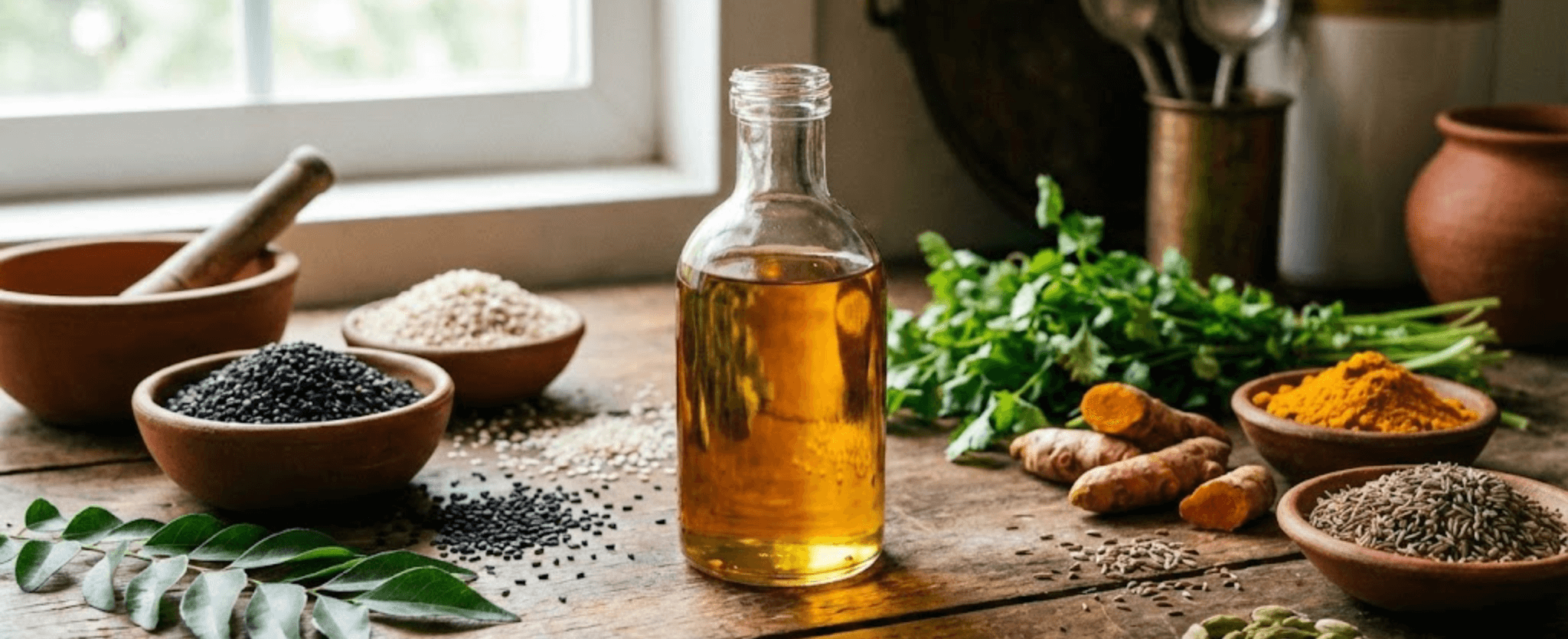
There’s a reason your grandmother’s kitchen always had a bottle of sesame oil tucked away in the corner. Not the fancy Japanese toasted sesame oil you see in fusion recipes today, but the real thing – cold-pressed, golden-brown, aromatic gingelly oil that’s been part of Indian cooking for over 5,000 years.
Sesame oil, known as gingelly oil or til ka tel in different parts of India, isn’t just another cooking oil. It’s medicine you cook with. It’s tradition in liquid form. It’s the oil that Ayurvedic practitioners have prescribed for everything from joint pain to hair growth for millennia.
While the world chases olive oil and avocado oil as “superfoods,” Indians have been quietly cooking with one of the healthiest oils on the planet all along. Sesame oil offers benefits that most trendy oils can’t match, it’s perfectly suited to Indian cooking methods, and when bought in its traditional cold-pressed form, it’s a nutritional powerhouse.
Today, let’s explore why sesame oil deserves to reclaim its place as a staple in your kitchen.
What Makes Sesame Oil Special?
Sesame oil is extracted from sesame seeds (Sesamum indicum), one of the oldest oilseed crops known to humanity. Archaeological evidence shows sesame cultivation dating back to 3000 BCE in the Indus Valley, making it deeply rooted in Indian agricultural history.
The oil comes in different varieties depending on processing:
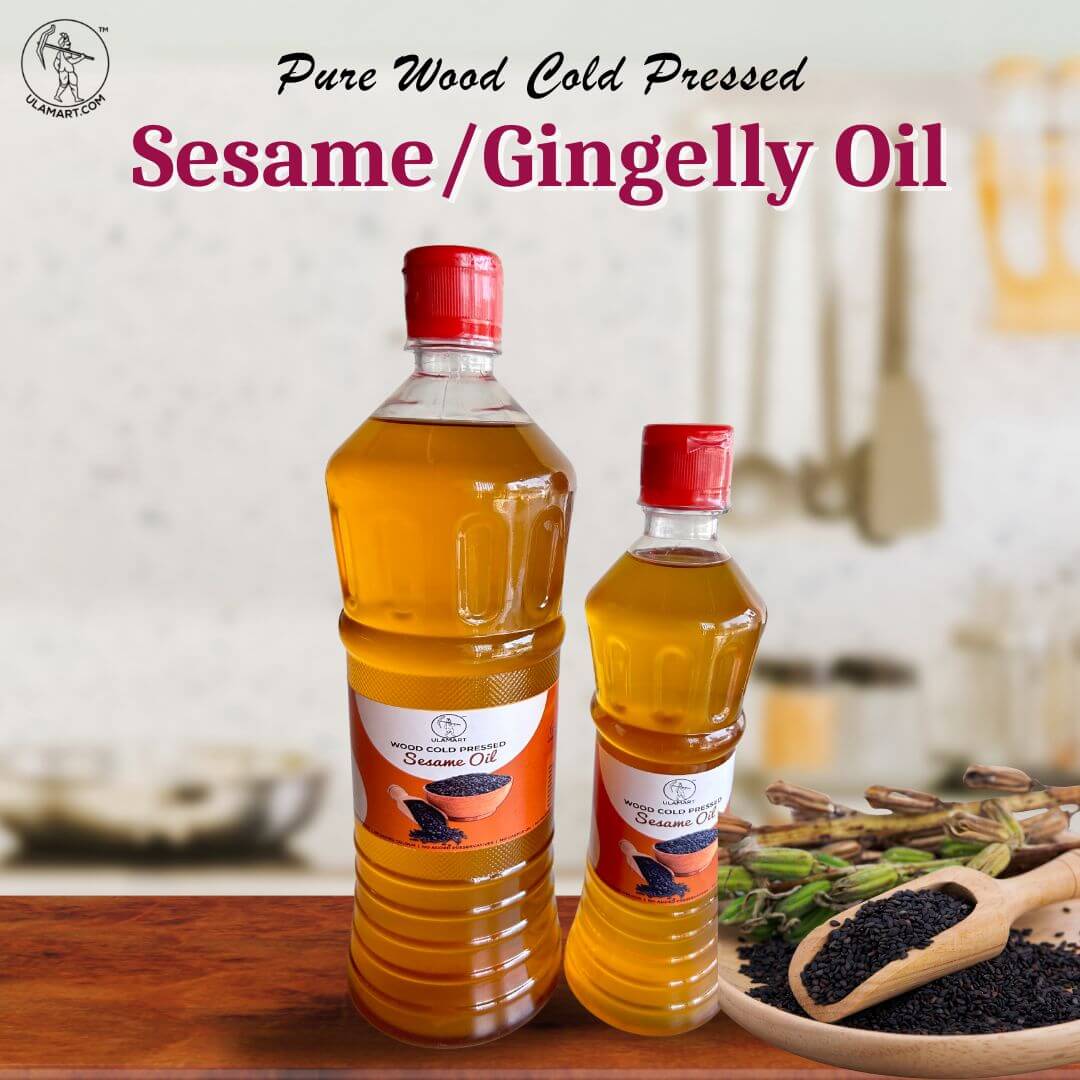
Cold-Pressed (Chekku/Wood-Pressed) Sesame Oil: Extracted using traditional wooden presses without heat or chemicals. Retains maximum nutrients, has a rich nutty aroma, and golden-brown color. This is what we’re focusing on today.
Refined Sesame Oil: Industrially processed with heat and chemicals, lighter in color and flavor but stripped of most nutritional benefits. Avoid this.
Toasted Sesame Oil: Made from roasted sesame seeds, very dark with intense flavor. Used primarily as a finishing oil in Asian cuisines, not for cooking.
At Ulamart, we offer authentic cold-pressed sesame oil made using traditional wooden presses, preserving all the natural goodness that makes sesame oil so beneficial.
Nutritional Profile: What’s in Sesame Oil?
Let’s look at what makes cold-pressed sesame oil nutritionally exceptional.
Sesame Oil Nutrition (Per 100g)
| Component | Amount | Benefit |
| Calories | 884 kcal | Energy dense |
| Total Fat | 100g | Healthy fats |
| Saturated Fat | 14g | Moderate |
| Monounsaturated Fat (MUFA) | 40g | Heart-healthy |
| Polyunsaturated Fat (PUFA) | 42g | Omega-6, Omega-3 |
| Vitamin E | 1.4mg | Antioxidant |
| Vitamin K | 13.6mcg | Blood clotting, bone health |
| Phytosterols | 400mg | Cholesterol management |
| Sesamol & Sesamin | Present | Unique antioxidants |
| Lignans | High | Antioxidant, anti-inflammatory |
Key Highlights:
- Nearly equal balance of MUFA and PUFA (optimal fat profile)
- Contains unique antioxidants (sesamol, sesamin) not found in other oils
- Rich in lignans with powerful health benefits
- Natural preservatives that prevent rancidity
- High smoke point makes it suitable for Indian cooking
Top 10 Health Benefits of Sesame Oil
1. Excellent for Heart Health
This is perhaps sesame oil’s greatest strength. The balanced ratio of monounsaturated and polyunsaturated fats, combined with powerful antioxidants, makes it exceptionally heart-friendly.
How it helps your heart:
Lowers LDL cholesterol: Studies show sesame oil can reduce “bad” LDL cholesterol while maintaining or increasing “good” HDL cholesterol. The phytosterols in sesame oil compete with cholesterol for absorption in the gut, reducing overall cholesterol levels.
Reduces blood pressure: The polyunsaturated fats and magnesium (present in unrefined sesame oil) help relax blood vessels and lower blood pressure. Some studies show significant reductions in both systolic and diastolic pressure with regular sesame oil consumption.
Anti-inflammatory effects: Chronic inflammation contributes to heart disease. The sesamol and sesamin in sesame oil have powerful anti-inflammatory properties that protect blood vessels.
Prevents plaque formation: The antioxidants in sesame oil help prevent the oxidation of LDL cholesterol, a key step in arterial plaque formation.
2. Powerful Antioxidant Protection
Sesame oil contains unique antioxidants you won’t find in many other foods, particularly sesamol and sesamin. These compounds are so stable that sesame oil rarely goes rancid even when stored for long periods.
What antioxidants do:
- Fight free radicals that damage cells
- Reduce oxidative stress linked to aging and disease
- Protect cellular DNA from damage
- Support healthy immune function
- May reduce cancer risk
The vitamin E in sesame oil adds another layer of antioxidant protection, working synergistically with the unique lignans.
3. Supports Bone and Joint Health
Sesame oil has been used in Ayurveda for joint pain and arthritis for centuries. Modern research confirms this traditional wisdom.
For bones:
- Rich in calcium (when seeds are pressed, some calcium transfers to oil)
- Vitamin K supports bone mineralization
- Zinc and copper promote bone density
For joints:
- Anti-inflammatory properties reduce joint inflammation
- May help reduce arthritis symptoms
- Traditional oil massage (abhyanga) with sesame oil is prescribed for joint health
- Omega-6 fatty acids support joint flexibility
Many people with osteoarthritis report reduced pain when they regularly consume sesame oil and massage it into affected joints.
4. Blood Sugar Management
For diabetics and pre-diabetics, sesame oil offers specific benefits that other cooking oils don’t provide.
How it helps:
Improves insulin sensitivity: The lignans in sesame oil, particularly sesamin, have been shown to improve how cells respond to insulin.
Regulates blood sugar: Studies show that replacing other cooking oils with sesame oil can lead to better blood sugar control in diabetics.
Low glycemic impact: Being pure fat, it has zero glycemic index and doesn’t spike blood sugar.
Reduces diabetic complications: The antioxidants help protect against oxidative damage that causes many diabetic complications.
A 2011 study found that sesame oil combined with diabetes medication worked better than medication alone in controlling blood sugar.
5. Skin and Hair Health
Sesame oil isn’t just good to eat. It’s one of the best oils for topical application too.
For skin:
- Natural UV protection (though not a substitute for sunscreen)
- Moisturizes deeply without clogging pores
- Antibacterial properties help prevent acne
- Promotes wound healing
- May help with eczema and psoriasis
- Anti-aging effects from antioxidants
For hair:
- Nourishes scalp and strengthens hair follicles
- Prevents premature graying (traditional belief supported by nutrients)
- Reduces dandruff
- Adds natural shine
- Protects hair from damage
Traditional Indian hair care often involves warming sesame oil and massaging it into the scalp before washing.
6. Oral Health Benefits
This might surprise you, but sesame oil is excellent for oral health through the practice of oil pulling (gandush in Ayurveda).
Oil pulling with sesame oil:
- Reduces harmful bacteria in the mouth
- Helps prevent plaque and gingivitis
- May reduce bad breath
- Supports healthy gums
- Traditional practice with thousands of years of use
How to do it: Swish 1 tablespoon of sesame oil in your mouth for 15-20 minutes on an empty stomach, then spit it out. Don’t swallow. Rinse mouth with warm water. Do this 2-3 times per week.
7. Digestive Health Support
Sesame oil supports healthy digestion in multiple ways.
Benefits:
- Acts as a mild laxative, helping prevent constipation
- Soothes the digestive tract lining
- May help with IBS symptoms
- Supports healthy gut bacteria
- Reduces inflammation in the digestive system
In Ayurveda, sesame oil is considered warming and grounding, making it especially beneficial for people with vata imbalance (which often manifests as digestive issues).
8. Immune System Boost
The zinc, copper, and other minerals in cold-pressed sesame oil, along with its antioxidants, support robust immune function.
How it helps immunity:
- Zinc is crucial for immune cell function
- Copper supports white blood cell production
- Antioxidants reduce stress on immune system
- Anti-inflammatory properties support overall immunity
- Traditionally used during seasonal changes to build resistance
Regular consumption of sesame oil as part of a balanced diet may help reduce frequency and severity of common infections.
9. Brain Health and Cognitive Function
The healthy fats in sesame oil are crucial for brain health, and the unique antioxidants offer additional cognitive benefits.
Brain benefits:
- Omega-6 fatty acids support brain structure
- Antioxidants protect brain cells from oxidative damage
- May help prevent cognitive decline
- Supports neurotransmitter function
- The fat-soluble vitamins require dietary fat for absorption
Some research suggests the antioxidants in sesame oil may have neuroprotective effects, potentially reducing risk of neurodegenerative diseases.
10. Supports Women’s Health
Sesame seeds and oil have been traditionally recommended for women, particularly during menstruation and menopause.
Benefits for women:
- Iron content helps prevent anemia (especially important for menstruating women)
- Lignans have mild phytoestrogenic effects that may help with menopausal symptoms
- Calcium supports bone health (crucial during menopause)
- May help regulate menstrual cycles
- Zinc supports reproductive health
Sesame oil massage is traditionally recommended for new mothers postpartum to support recovery.
Sesame Oil in Indian Cooking: How to Use It
Sesame oil is incredibly versatile in Indian cuisine. Here’s how to use it across different regional cooking styles.
South Indian Cooking
Sesame oil is a staple in Tamil Nadu, Andhra Pradesh, and parts of Karnataka.
Perfect for:
- Rasam and sambhar tempering
- Poriyal (vegetable stir-fries)
- Kootu and avial
- Rice varieties (sesame rice, puli sadam)
- Chutneys and podis
Classic combination: Sesame oil with mustard seeds and curry leaves is the foundation of countless South Indian dishes.
Try pairing our cold-pressed sesame oil with our black pepper, turmeric powder, and curry leaves for authentic South Indian flavors.
North Indian Cooking
While less common than in the South, sesame oil has traditional uses in North Indian cuisine too.
Perfect for:
- Winter cooking (sesame is considered warming in Ayurveda)
- Til ka tadka (tempering with sesame)
- Mixed with ghee for added flavor
- Marination for tandoori dishes
- Sarson ka saag preparation
Bengali Cooking
Bengali cuisine uses sesame oil (teel tel) extensively.
Perfect for:
- Fish preparations
- Begun bhaja (fried eggplant)
- Aloo posto (potatoes with poppy seeds)
- Various bhajas (fried vegetables)
- Panch phoron tempering
General Cooking Applications
Tempering (Tadka): Sesame oil’s high smoke point (210°C/410°F) makes it perfect for tempering spices. The nutty flavor complements Indian spices beautifully.
Stir-frying: Excellent heat stability means it doesn’t break down during stir-frying.
Shallow frying: Works well for making pakoras, vadas, and other fried snacks (though use in moderation).
Salad dressings: Mix with lemon juice, salt, and pepper for a healthy dressing.
Finishing oil: Drizzle over dal or vegetables just before serving for enhanced flavor.
What NOT to Use Sesame Oil For
Deep frying: While it can handle the temperature, it’s too expensive and flavorful for deep frying. Use groundnut oil instead.
Delicate dishes: The strong nutty flavor doesn’t work well in dishes where you want neutral taste.
Western baking: Traditional Indian sweets work great, but Western cakes and cookies need different oils.
Cooking Tips for Maximum Benefits
Temperature Matters
Even though sesame oil has a high smoke point, heating it excessively destroys some beneficial compounds. For maximum nutrition:
- Use medium heat for most cooking
- Don’t let it smoke (that means it’s too hot)
- Add sesame oil towards the end of cooking when possible
- For tempering, heat just until spices sizzle
Storage is Key
Cold-pressed sesame oil is remarkably stable due to natural antioxidants, but proper storage extends freshness:
- Store in dark glass bottles or stainless steel containers
- Keep in a cool, dark place (not above the stove)
- Refrigeration is optional but extends shelf life
- Use within 6 months of opening for best quality
- Keeps well for 12-18 months unopened
Quantity Guidelines
For cooking: 1-2 tablespoons per meal for a family of 4
For oil pulling: 1 tablespoon for oral health practice
For massage: Warm slightly, use as needed
Daily intake: 1-2 tablespoons as part of total daily fat intake
Remember, sesame oil is calorie-dense (120 calories per tablespoon), so use mindfully.
Sesame Oil vs Other Cooking Oils
How does sesame oil compare to other popular cooking oils in Indian kitchens?
| Oil Type | Smoke Point | Best Use | Health Profile | Cost |
| Sesame Oil | 210°C | Tempering, stir-fry, South Indian | Excellent (unique antioxidants) | Medium-High |
| Groundnut Oil | 225°C | Deep frying, all-purpose | Good (high MUFA) | Medium |
| Coconut Oil | 177°C | South Indian, baking | Good (MCTs, but high saturated) | Medium |
| Mustard Oil | 250°C | Bengali, tempering | Good (omega-3) | Medium |
| Refined Sunflower | 230°C | General cooking | Poor (refined, high omega-6) | Low |
| Olive Oil (Extra Virgin) | 160-190°C | Low-heat, finishing | Excellent (but not ideal for Indian cooking) | High |
The verdict: For Indian cooking, sesame oil offers the best balance of heat tolerance, health benefits, and traditional flavor compatibility.
Quality Matters: How to Choose Real Sesame Oil
Not all sesame oil is created equal. Here’s how to identify authentic, cold-pressed sesame oil:
Look For These Signs
Color: Deep golden to amber brown. Not pale yellow (indicates refining) or too dark (over-roasted).
Aroma: Strong, nutty, characteristic sesame smell. Should smell appealing, not rancid.
Clarity: Can be slightly cloudy (natural sediment) when cold. Becomes clear when warmed.
Label: Should say “cold-pressed,” “wood-pressed,” or “chekku” or “ghani.” Avoid “refined” sesame oil.
Ingredients: Should list only one ingredient – sesame oil. No additives.
Certification: Look for FSSAI approval and preferably organic certification.
Packaging: Dark glass bottles or food-grade metal containers protect from light damage.
Red Flags to Avoid
- Very cheap price (quality cold-pressed oil costs more)
- No mention of extraction method
- Clear, pale color (over-refined)
- Plastic packaging (light damages oil)
- “Blended” oil (mixed with cheaper oils)
- No manufacturing or expiry date
At Ulamart, our cold-pressed sesame oil is made using traditional wooden presses with zero heat or chemical treatment, ensuring you get all the natural benefits.
Sesame Oil in Ayurveda
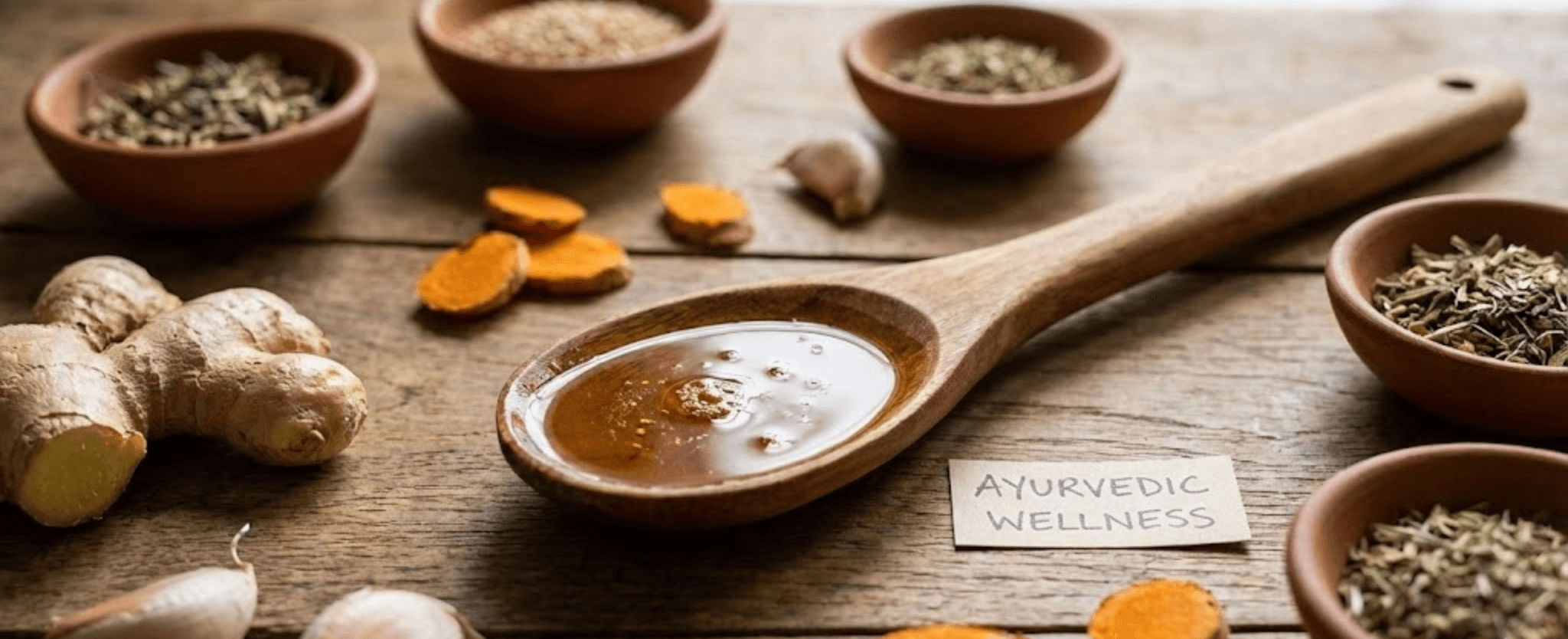
Sesame oil holds a special place in Ayurvedic medicine. It’s considered the king of oils in Ayurveda.
Ayurvedic Properties
Rasa (Taste): Sweet (madhura), bitter (tikta)
Virya (Potency): Heating (ushna)
Vipaka (Post-digestive effect): Sweet (madhura)
Dosha Effect: Balances Vata, increases Pitta (in excess), balances Kapha (in moderation)
Traditional Ayurvedic Uses
Abhyanga (Oil Massage): Daily self-massage with warm sesame oil is prescribed to balance Vata dosha, improve circulation, and promote longevity.
Nasya: Sesame oil drops in nostrils for respiratory and head health.
Basti: Medicated sesame oil enemas for specific conditions (done by practitioners).
Gandusha (Oil Pulling): For oral and systemic health.
Karnapoorana: Warm sesame oil in ears for various ear issues.
When to Use Sesame Oil (Ayurvedically)
Best seasons: Winter and monsoon (when Vata is high)
Best for: Vata-dominant constitutions, dry skin, joint issues, anxiety
Reduce use: Summer months (for Pitta types), if you have excess heat in body
Complementary Foods with Sesame Oil
Maximize the benefits of sesame oil by pairing it with these foods:
For Iron Absorption
Sesame oil contains some iron, but more importantly, its fat content helps absorb iron from other foods.
Cook iron-rich foods like foxtail millet, ragi, or little millet in sesame oil for better iron absorption.
For Complete Nutrition
Pair with:
- Unpolished toor dal or green gram moong for protein
- Traditional rice like black rice or red rice for complete meals
- Turmeric powder in cooking for synergistic anti-inflammatory effects
- Leafy greens cooked in sesame oil for calcium and iron
For Digestive Health
Use sesame oil when cooking horse gram, black horse gram, or other pulses. The oil helps make these protein-rich legumes more digestible.
Common Questions About Sesame Oil
Can diabetics use sesame oil? Yes, absolutely. In fact, sesame oil may help improve blood sugar control. However, it’s still calorie-dense, so use appropriate portions.
Is sesame oil good for weight loss? While calorie-dense, the healthy fats in sesame oil promote satiety and may support weight management when used in moderation as part of a balanced diet. Don’t overdo it.
Can I use sesame oil every day? Yes, 1-2 tablespoons daily as your primary cooking oil is perfectly healthy for most people.
Should I refrigerate sesame oil? Not necessary, but refrigeration extends shelf life. It will solidify when cold, just warm to room temperature before use.
Can pregnant women use sesame oil? For cooking, yes. For massage or other topical applications during pregnancy, consult your doctor as traditional practices vary.
Is toasted sesame oil the same as cold-pressed? No. Toasted sesame oil is made from roasted seeds, has intense flavor, and is used as a finishing oil (like in Chinese food). Cold-pressed is for cooking and has different nutritional properties.
Can children eat food cooked in sesame oil? Yes, sesame oil is safe for children unless they have a sesame allergy. Start with small amounts to check for allergic reactions.
Does sesame oil cause heat in the body? In Ayurveda, yes, sesame oil is considered heating. People with excess Pitta (heat) should use it moderately or balance it with cooling foods.
Making the Switch to Sesame Oil
If you’re currently using refined oils and want to switch to sesame oil, here’s a practical plan:
Week 1-2: Introduction
Replace 25% of your regular cooking oil with sesame oil. Use it for tempering and stir-fries. Get used to the flavor.
Week 3-4: Expansion
Replace 50% of your cooking oil. Start using it for more South Indian dishes, vegetable preparations.
Week 5-6: Primary Oil
Make sesame oil your primary cooking oil for Indian dishes. Keep one neutral oil for dishes where sesame flavor doesn’t work.
Long-term
Rotate between sesame oil, groundnut oil, and coconut oil based on the dish and season for optimal nutrition and flavor variety.
Final Thoughts: Ancient Wisdom Meets Modern Science
Sesame oil is proof that traditional foods often turn out to be superfoods when science finally catches up. Your grandmother didn’t need studies to tell her that sesame oil was good for health. She had generations of experience and results.
Now we have both the traditional wisdom and the scientific validation. We know exactly why sesame oil prevents heart disease, supports bone health, manages diabetes, and protects cells from damage. The unique antioxidants in sesame oil, the balanced fat profile, the minerals and vitamins, all work together to create an oil that truly deserves the title “superfood.”
The best part? It’s not exotic or expensive. It’s grown in India, suited perfectly to Indian cooking, and available to everyone. You don’t need to import olive oil from Italy or avocado oil from Mexico when you have sesame oil with equal or better benefits right here.
Next time you reach for cooking oil, remember: sometimes the ancient choice is still the best choice.
Ready to experience authentic cold-pressed sesame oil? Our traditional sesame oil is extracted using wooden presses with zero heat or chemicals, preserving all the natural goodness that makes it so beneficial.
Pair it with our range of traditional products:
- Traditional rice varieties for complete meals
- Organic millets for health and variety
- Organic spices for authentic flavor
- Unpolished pulses for protein-rich meals
Make the switch to traditional oils. Your body will thank you for it.
Medical Disclaimer: This article is for informational purposes only and does not constitute medical advice. While sesame oil offers many health benefits, it is not a treatment for any medical condition. People with sesame allergies should avoid sesame oil entirely. Consult your healthcare provider before making significant dietary changes, especially if you have existing health conditions or are taking medications.