Quick answer: Yes, in most cases, millet pasta is healthier than regular wheat pasta. It is naturally gluten-free, has a lower glycemic index (roughly 45-55 vs. 50-60 for durum wheat pasta), and delivers more fiber, calcium, iron, and magnesium per serving. Regular pasta still wins on protein content and gluten structure (chewiness), and remains a fine choice for people without blood-sugar, gluten, or digestive concerns. The healthier option depends on your specific health goal, not on one pasta being universally “better.”
This guide breaks down what millet pasta actually is, how it’s made, how its nutrition compares to regular pasta gram for gram, and which millet pasta variety suits which need.
What Is Pasta, Exactly?
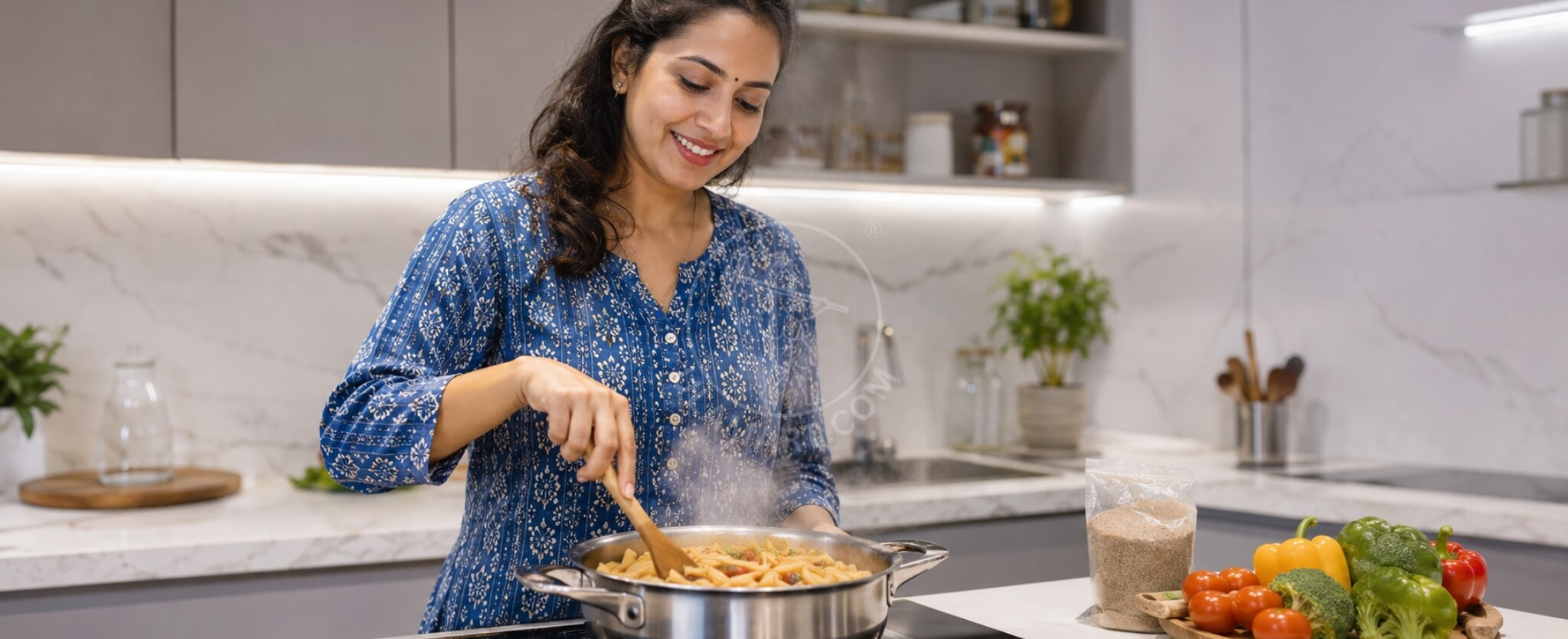
Pasta is an unleavened dough traditionally made of wheat flour, water, and sometimes egg, shaped into forms like spaghetti, penne, or fusilli and cooked by boiling. Classic Italian pasta is made from durum wheat semolina, prized for its high gluten content, which gives cooked pasta its firm, chewy “al dente” bite. Over the decades, pasta has expanded far beyond its Italian origins into a global staple, with whole wheat, legume-based, and now grain-alternative versions like millet pasta filling supermarket shelves.
What Is Millet Pasta?
Millet pasta is pasta made by replacing all or part of the wheat flour with flour from millets, a family of small-seeded, ancient grains such as ragi (finger millet), bajra (pearl millet), jowar (sorghum), thinai (foxtail millet), saamai (little millet), and varagu (kodo millet). Millets have been cultivated for thousands of years across India, Africa, and parts of Asia, long before wheat became the dominant staple grain.
Because millets contain no gluten, millet pasta is a gluten-free alternative to traditional wheat pasta. It typically has a slightly nutty flavor, a lighter color depending on the millet used, and a firmer, less stretchy bite than wheat pasta, a direct result of the missing gluten network.
How Is Millet Pasta Made?
Millet pasta production generally follows these steps:
- Grain selection and cleaning – Whole millet grains (ragi, bajra, jowar, foxtail, etc.) are cleaned to remove husk and impurities.
- Milling into flour – The grains are stone-milled or machine-milled into fine millet flour, sometimes blended with a small percentage of rice flour, corn flour, or a binding agent to improve texture, since millet flour lacks gluten’s natural elasticity.
- Dough formation – The flour is hydrated and kneaded into a dough. Because there’s no gluten to trap air and stretch, manufacturers often add xanthan gum, guar gum, or a starch binder to hold the pasta shape during extrusion and cooking.
- Extrusion and shaping – The dough is extruded through dies to create shapes like penne, spaghetti, or fusilli, similar to how wheat pasta is shaped.
- Drying – The shaped pasta is slowly dried to reduce moisture content, which extends shelf life and gives it the familiar hard, uncooked pasta texture.
This process is why millet pasta can turn mushy faster than wheat pasta if overcooked without gluten’s structural backbone, it needs slightly more careful timing on the stove.
Millet Pasta vs. Regular Pasta: Nutrition Facts Compared
Here’s how a typical 100g cooked serving compares. Exact numbers vary by brand and millet blend, so treat this as a directional guide rather than a lab report.
| Nutrient | Regular Wheat Pasta (cooked, 100g) | Millet Pasta (cooked, 100g) |
|---|---|---|
| Calories | ~131 kcal | Comparable, slightly variable by blend |
| Protein | ~5.1g (durum wheat is protein-dense) | Slightly lower, varies by millet type |
| Fiber | Lower, especially in refined/white pasta | Up to 2–3x higher in some millet varieties like finger millet |
| Glycemic Index | ~50–60 | ~45–55 |
| Gluten | Present | None (naturally gluten-free) |
| Calcium | Low | Notably higher, especially ragi-based pasta (finger millet flour can carry up to 344mg calcium per 100g) |
| Iron | Moderate | Higher, especially in pearl millet (bajra) pasta |
| Magnesium & Manganese | Moderate | Higher across most millet varieties |
The two standout differences are fiber and micronutrient density. Whole wheat pasta retains bran and germ, which does add fiber and nutrients back into refined wheat pasta. But millet, being a whole grain by nature even after milling into flour, tends to edge ahead on minerals like calcium, iron, and magnesium.
Is Millet Pasta Healthier Than Regular Pasta? The Reasons
- Lower glycemic index for steadier blood sugar. Millet pasta’s lower GI range means it releases glucose into the bloodstream more gradually than regular durum wheat pasta. This matters most for people managing diabetes, insulin resistance, or simply trying to avoid post-meal energy crashes.
- Naturally gluten-free. For anyone with celiac disease or non-celiac gluten sensitivity, this isn’t a minor nutritional edge — it’s the deciding factor. Regular wheat pasta is simply not an option for this group, making millet pasta the clear winner by default.
- Higher fiber, better satiety and digestion. More fiber per serving means millet pasta tends to keep you full longer and supports more regular digestion. This also makes it a popular pick for people focused on weight management.
- Denser in key minerals. Calcium, iron, magnesium, and manganese all show up in higher amounts in most millet varieties compared to refined wheat. Ragi (finger millet) in particular is one of the richest plant sources of calcium available, and pearl millet (bajra) is notably iron-rich — relevant for anyone managing anaemia risk.
Where regular pasta still holds an edge: Durum wheat pasta generally has more protein per serving and a chewier, more familiar “al dente” texture that many people simply prefer. It’s also cheaper and more widely available. For a healthy adult eating pasta occasionally as part of a balanced diet, regular whole wheat pasta remains a perfectly reasonable choice — the “healthier” label really depends on your individual health goals, not a universal ranking.
Different Varieties of Millet Pasta
Not all millet pasta is the same. The millet used changes the flavor, color, and nutrient profile:
- Ragi (Finger Millet) Pasta – The calcium powerhouse. Slightly earthy flavor, reddish-brown color, best for bone health-focused diets.
- Bajra (Pearl Millet) Pasta – Rich in iron and magnesium, with a heartier, denser bite. A strong pick for anyone watching iron intake.
- Jowar (Sorghum) Pasta – Mild flavor, lighter texture, closer to wheat pasta in mouthfeel than other millets, making it a good “starter” millet pasta for first-timers.
- Foxtail Millet Pasta – Lower in starch relative to other millets, often marketed for blood sugar management.
- Little Millet Pasta – Higher in fiber and lower in carbohydrates, frequently positioned for weight and blood sugar management.
- Multi-Millet Blend Pasta – Combines two or more millets (often with a small amount of rice or corn flour for binding) to balance nutrition, texture, and cooking time.
If you’re new to millet pasta, starting with jowar or a multi-millet blend tends to be the easiest transition, since the texture is closer to what most people expect from regular pasta.
Who Should Choose Millet Pasta vs. Regular Pasta?
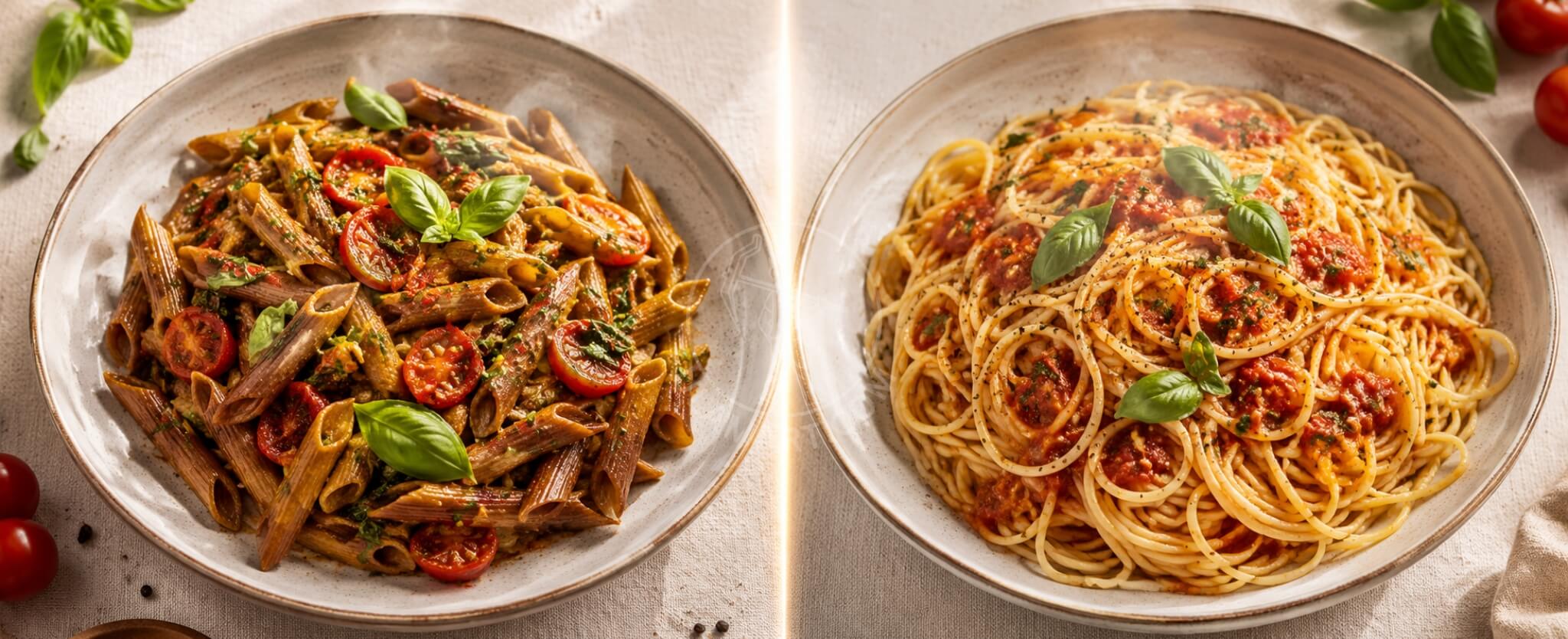
- Choose millet pasta if: you have celiac disease or gluten sensitivity, you’re managing diabetes or watching blood sugar, you want more fiber and minerals per meal, or you’re building a whole-grain, plant-forward diet.
- Regular whole wheat pasta is fine if: you have no gluten or blood sugar concerns, you eat pasta occasionally as part of a varied diet, and you prioritize protein content or a specific texture.
A Quick Tip on Cooking Millet Pasta
Since millet pasta lacks gluten’s elasticity, it cooks faster and can go from al dente to mushy quickly. Start checking a minute or two before the package’s suggested time, stir gently, and rinse briefly after draining if you’re not serving it immediately, this helps prevent clumping since there’s no gluten network holding individual strands apart.
FAQ: Millet Pasta vs. Regular Pasta
1. Is millet pasta gluten-free? Yes. Millets are naturally gluten-free grains, so pasta made purely from millet flour does not contain gluten, making it safe for people with celiac disease or gluten sensitivity always check the label for cross-contamination or blended-flour ingredients.
2. Does millet pasta taste different from regular pasta? Yes, slightly. Millet pasta has a mild, nutty flavor and a firmer, less stretchy bite compared to the chewy, elastic texture of wheat pasta. Jowar-based and multi-millet blends tend to taste closest to regular pasta.
3. Is millet pasta good for weight loss? It can support weight management better than refined wheat pasta because of its higher fiber content, which improves satiety, and its lower glycemic index, which helps avoid blood sugar spikes that can trigger hunger. Portion size and sauce choice still matter more than the pasta type alone.
4. Is millet pasta more expensive than regular pasta? Generally, yes. Millet pasta is a specialty product with a smaller supply chain, so it typically costs more per pack than mass-produced wheat pasta.
5. Can diabetics eat millet pasta? Millet pasta’s lower glycemic index makes it a comparatively better option for blood sugar management than regular durum wheat pasta, though portion control and pairing with protein or fiber-rich sauces still matter. This isn’t personalized medical advice. Anyone managing diabetes should check with a doctor or dietitian about how it fits their specific plan.
6. Which millet pasta has the most fiber? Finger millet (ragi) and little millet pasta tend to rank highest in fiber among common millet pasta varieties, though exact values vary by brand and processing method.
If you’re making millet pasta at home rather than buying it ready-made, the flour you start with matters just as much as the millet variety you choose. Ulamart stocks natural, chemical-free millet flours, including ragi flour, bajra flour, little millet flour and multi-millet blends, which is a solid starting point if you want full control over the gluten-free binders and texture of your homemade millet pasta.