Curd is a daily part of many Indian homes. Whether it is served with rice, used for buttermilk, or eaten as a healthy side dish, the way curd is stored can make a noticeable difference in its taste and texture. Two common choices are the traditional clay curd pot and the regular steel container. But which one is actually better?
Both have their own advantages, but when it comes to naturally thick, tasty, and traditional homemade curd, clay pots still remain a favorite in many households.
1. Taste and Texture of the Curd
One of the biggest differences people notice is the taste.
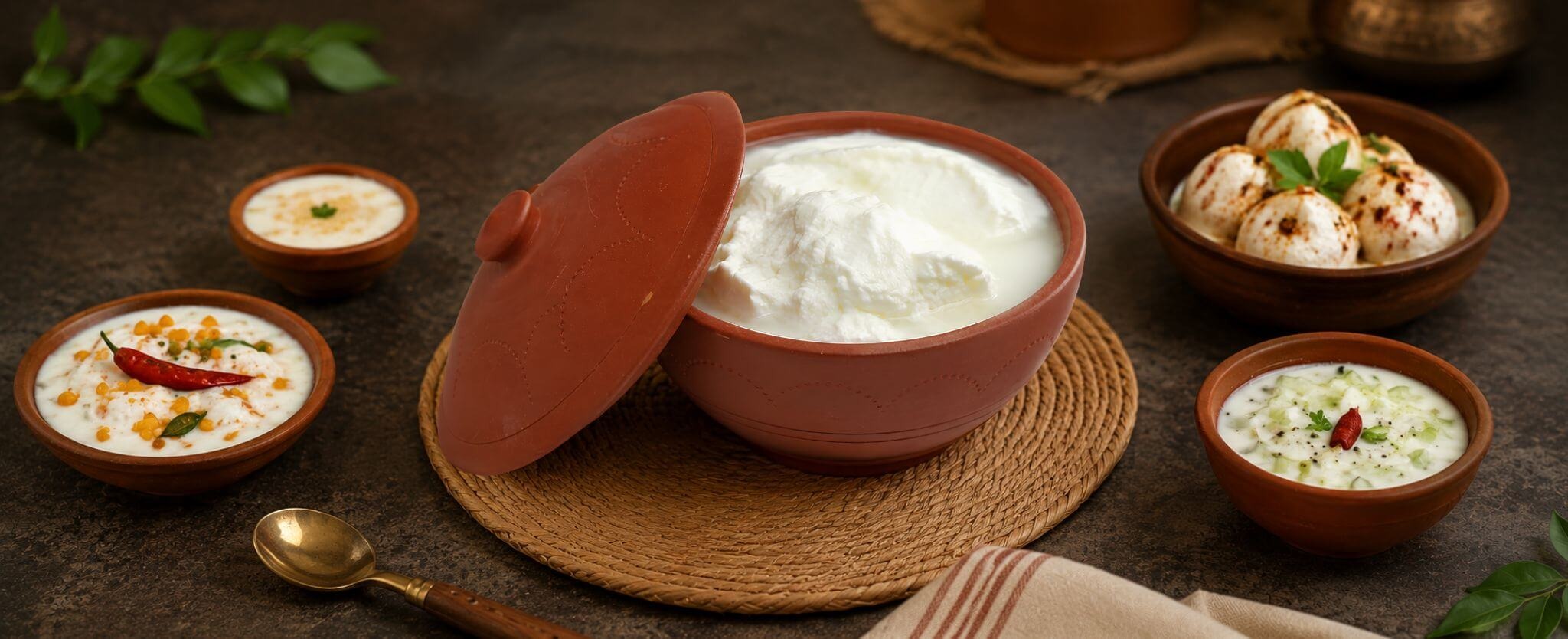
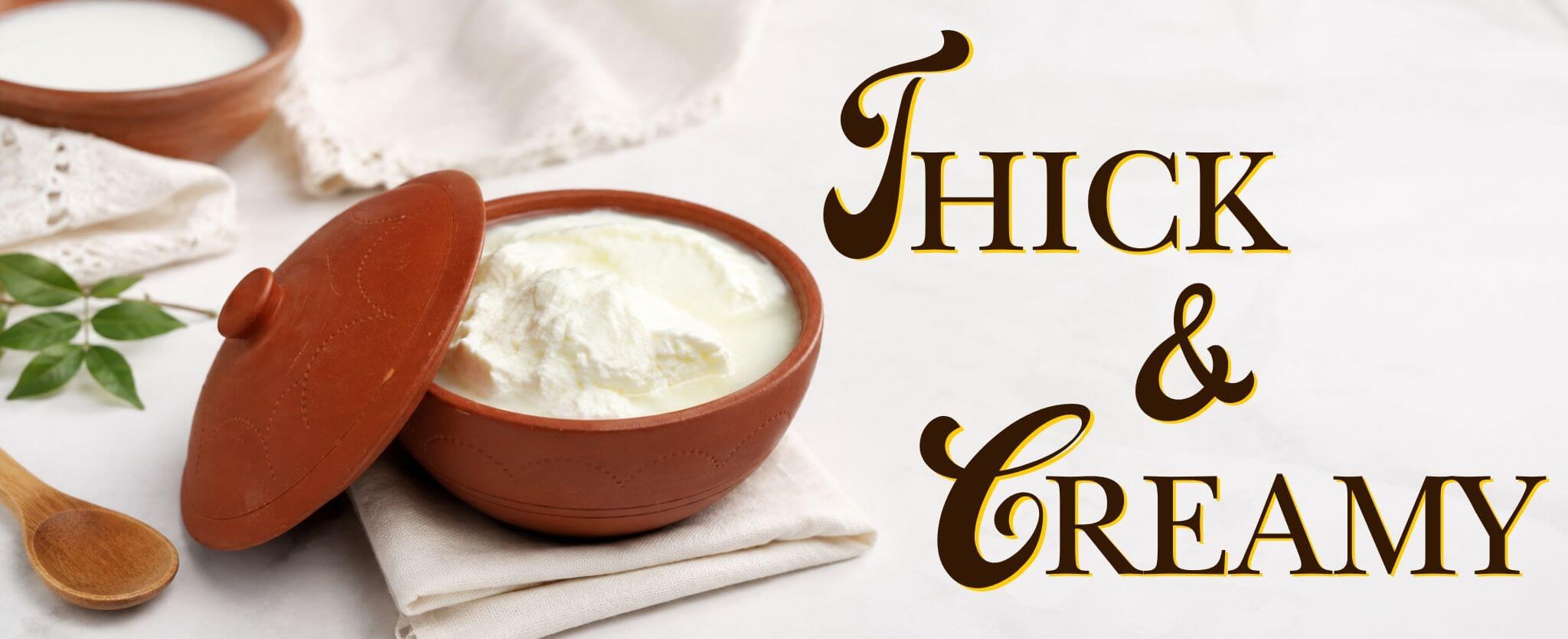
Curd set in a clay curd pot or terracotta curd setter often feels thicker, creamier, and slightly richer in flavor. This happens because clay is naturally porous. It absorbs a small amount of excess water from the milk, helping the curd become firmer and well-set.
Steel containers, on the other hand, do not absorb moisture. The curd may still set properly, but the texture can sometimes feel slightly watery compared to curd made in a traditional curd setter.
Many people also feel that curd from a terracotta curd setter has a mild earthy freshness that reminds them of traditional village-style homemade curd.
2. Natural Cooling Effect
Clay pots are known for their natural cooling properties. Even without refrigeration, they can help keep the contents slightly cool for a longer time compared to steel containers.
This cooling effect is useful especially in warm Indian climates. It helps the curd stay fresh and pleasant for longer hours.
Steel containers quickly adjust to outside temperature. During hot weather, the container becomes warm easily, which may make the curd turn sour faster if left outside for long periods.
This is one reason why traditional kitchens preferred earthen curd setters before refrigerators became common.
3. Health and Traditional Benefits
Clay cookware has been used in Indian kitchens for centuries. Traditional households believed that storing food in natural earthenware was healthier than storing it in metal or plastic.
A clay curd pot or terracotta curd setter is usually free from chemical coatings and artificial materials when made naturally. It is considered an eco-friendly and traditional choice.
Steel containers are definitely practical and hygienic, but they mainly serve as a storage option. Clay pots, however, also contribute to the overall curd-making process by helping maintain better texture and freshness naturally.
For people who enjoy traditional cooking methods and natural kitchen products, a curd setter often feels more authentic and satisfying to use.
4. Maintenance and Durability
Steel containers are easier to maintain. They are lightweight, long-lasting, and less likely to break. They can also be cleaned quickly and handled roughly without much worry.
Clay pots and terracotta curd setters require slightly more care. A new pot usually needs proper soaking or seasoning before first use. It should also be handled gently because it can crack or break if dropped.
However, many people feel the extra care is worth it because of the better curd quality and traditional experience.
If convenience is the main priority, steel containers may suit better. If taste and traditional cooking matter more, clay curd pots are often preferred.
5. Which One Is Better?
There is no completely wrong choice between the two. It depends on what you expect from your homemade curd.
A steel container is practical, durable, and easy for daily use. But a clay curd pot offers a more traditional experience with better texture, natural cooling, and authentic homemade taste.
For people who enjoy thick homemade curd, traditional kitchenware, and natural food storage methods, a terracotta curd setter is often the better option.
That is why even today, many homes still continue the old practice of setting curd in earthen pots instead of modern containers.
5 Reasons Why a Clay Curd Pot Is Better Than a Steel Container
Curd is an important part of everyday meals in many Indian homes. While most people today use steel containers for convenience, traditional clay curd pots are still preferred by many households for the unique benefits they offer.
From better texture to natural cooling, a clay curd pot or terracotta curd setter can make a noticeable difference in the quality of homemade curd. Here are five reasons why many people still choose clay over steel for setting curd.
1. Clay Curd Pots Help Make Thicker Curd
One of the biggest advantages of using a clay curd pot is the thick texture of the curd.
Clay is naturally porous, which means it absorbs a small amount of excess moisture from the milk while the curd sets. This helps create thicker, creamier, and firmer curd naturally. This is one reason why curd made in a terracotta curd setter often tastes more traditional and homemade.
Steel containers do not absorb moisture, so the curd may sometimes feel slightly watery in comparison.

2. Terracotta Curd Setters Keep Curd Naturally Cool
Clay pots are known for their natural cooling properties. Even in warm weather, a clay curd pot can help maintain a cooler environment inside the pot compared to steel containers. This helps the curd stay fresh and pleasant for longer hours. Traditional kitchens relied on earthen curd setters for this very reason long before refrigerators became common. Steel containers quickly become warm according to the surrounding temperature, especially during summer.
3. Curd Tastes Better in a Clay Pot
Many people feel that curd made in a clay curd pot has a richer and fresher taste.
The natural earthen surface of the pot gives the curd a mild traditional flavor that cannot usually be experienced in steel containers. It also helps improve the overall eating experience, especially when served with rice or used for buttermilk. For people who enjoy authentic homemade food, using a terracotta curd setter often brings back memories of old-style village cooking.
Steel containers are definitely practical and hygienic, but they mainly serve as a storage option. Clay pots, however, also contribute to the overall curd-making process by helping maintain better texture and freshness naturally.
4. Clay Curd Pots Support Eco-Friendly Living
A clay curd pot is a natural and eco-friendly kitchen product. It is usually made using natural clay without chemical coatings or artificial materials.
Many people today are trying to move away from plastic-heavy and highly processed kitchen products and return to earthen kitchenware choices. Using a curd setter made from clay also supports traditional artisans and handmade craftsmanship that has existed for generations.
Steel containers are practical, but clay pots offer a more natural and traditional cooking experience.
5. Clay Pots Give a More Traditional Homemade Experience
Using a clay curd pot is not only about storing curd. It is also about following a traditional food practice that has been part of Indian kitchens for centuries. From the look and feel of the pot to the way the curd sets naturally, everything feels more authentic and connected to traditional cooking methods.
While steel containers are easy to maintain and durable, many people still prefer terracotta curd setters because they believe food prepared traditionally simply tastes better.
Conclusion
Both steel containers and clay curd pots can be used for setting curd, but the experience they offer is quite different. Steel containers are convenient and easy for daily use. But when it comes to thick texture, natural cooling, traditional taste, and authentic homemade curd, clay curd pots clearly stand out. That is why even today, many households continue to trust the simple traditional terracotta curd setter for making delicious homemade curd naturally.
At Ulamart, we proudly support traditional clay kitchenware and handmade earthen products. Along with clay curd pots, Ulamart also offers a growing range of traditional terracotta kitchenware including clay sprout makers, clay roti boxes, earthen cookware, and more for natural and traditional living.