Most Indian kitchens are loyal to white or parboiled rice. A few have made space for red rice. But black rice? It rarely makes it to the shopping list. That may not stay the case for long. Called forbidden rice for much of its ancient history in China, this grain was once reserved exclusively for the emperor’s table. Today, it sits quietly on shelves waiting to be discovered by home cooks who want something more from their daily meal. If you have been looking at millets and ancient grains for better nutrition, black rice deserves a place right alongside them.
Ulamart’s black rice is sourced to bring this underrated grain directly to your plate, carrying with it a profile of nutrients that few grains can match. Before you add it to your next order, here is everything worth knowing about what black rice actually does for your body and your cooking.
1.What Is Black Rice and Why Was It Forbidden?
2.The Nutritional Profile of Black Rice
3.Key Health Benefits of Black Rice
4.Black Rice vs Other Rice Varieties: A Practical Comparison
5.How to Cook Black Rice the Right Way
6.A Note on Sourcing and Quality
What Is Black Rice and Why Was It Forbidden?
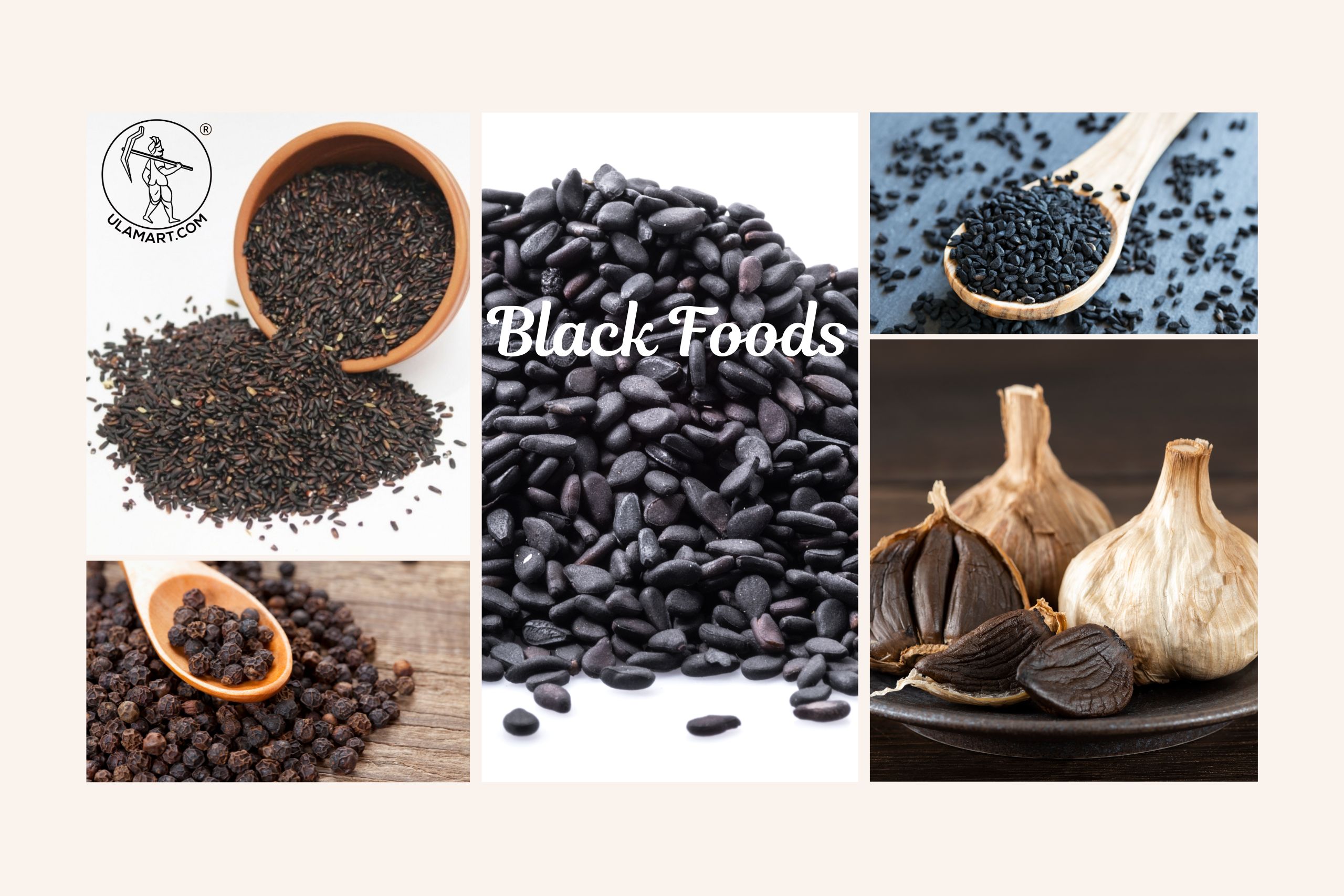
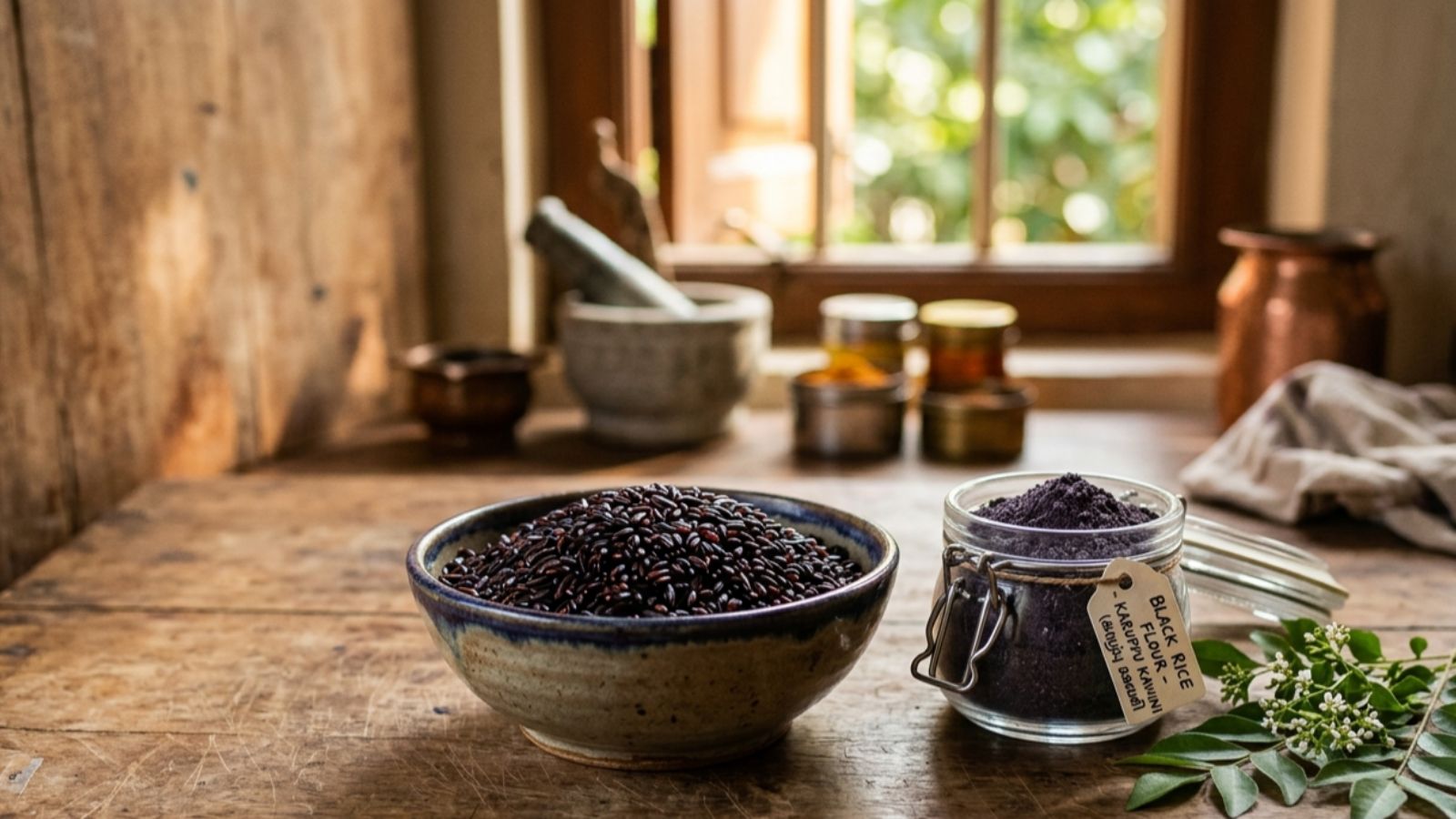
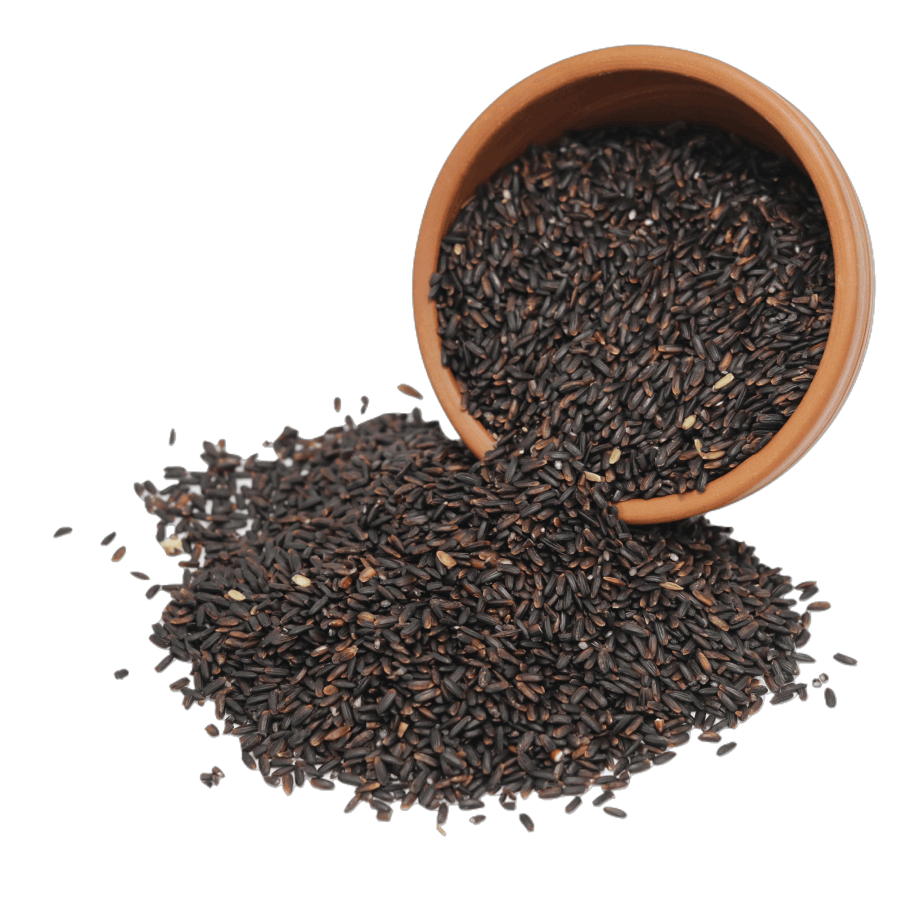
Black rice is a whole grain variety known scientifically as Oryza sativa L. indica. Its striking dark purple-black colour comes from high concentrations of anthocyanin, the same pigment found in blueberries, blackberries, and red cabbage. The outer bran layer is left intact, which is exactly where most of the nutrition lives.
In ancient China, this grain was believed to hold exceptional healing properties and was restricted to the ruling class. Commoners were forbidden from growing or eating it, which is where the name “forbidden rice” comes from. Over centuries, cultivation spread across parts of Southeast Asia and northeastern India, where it continues to hold cultural and medicinal significance.
In India, it is found primarily in parts of Manipur and other northeastern states, where it has been cultivated for generations. It is distinct from black glutinous rice varieties used in desserts across Southeast Asia. The version prized for its nutritional benefits is the non-glutinous, short-grain variety with a nutty flavour and firm texture when cooked.
The Nutritional Profile of Black Rice
Black rice stands out from other rice varieties because it holds on to its bran and germ layer during processing. This makes it considerably richer in nutrients compared to white or even many parboiled rice options commonly consumed in Indian households.
Approximate nutritional values per 100g of uncooked black rice:
| Nutrient | Amount per 100g | Why It Matters |
| Protein | 8.5 g | Higher than white rice |
| Fibre | 4.9 g | Supports digestion and satiety |
| Iron | 3.5 mg | Important for blood health |
| Anthocyanin | 200+ mg | Potent antioxidant pigment |
| Carbohydrates | 73 g | Slower-digesting than white rice |
What this table does not fully capture is the density of phytonutrients that come alongside these numbers. According to research published through the
National Institutes of Health, black rice contains significantly higher antioxidant activity than other rice types, placing it alongside some berries in terms of free-radical scavenging capacity.
Key Health Benefits of Black Rice
1. Rich in Anthocyanins for Antioxidant Protection
Anthocyanins are water-soluble pigments that give black rice its deep colour. These compounds protect cells from oxidative stress, which is linked to chronic conditions including cardiovascular disease, diabetes, and accelerated ageing. A single serving of black rice delivers a meaningful dose of anthocyanins that most people do not get enough of through their regular diet.
2. Supports Heart Health
Studies point to anthocyanins reducing LDL cholesterol (the type associated with arterial plaque) and supporting healthy blood pressure levels. The fibre content in black rice also contributes to this by slowing the absorption of fats and sugars in the digestive system, reducing the overall load on the cardiovascular system over time.
3. Better Blood Sugar Management
Black rice has a lower glycaemic index compared to polished white rice. Its intact bran layer slows down the conversion of carbohydrates to glucose, which means less of a spike in blood sugar after eating. For those managing their glucose levels or simply trying to eat in a more metabolically stable way, this distinction matters.
4. Supports Digestive Health
The dietary fibre in black rice feeds beneficial gut bacteria and adds bulk to stool, supporting regular bowel movements. A well-functioning digestive system influences everything from immune response to mood, making this benefit less trivial than it might first appear.
5. Iron and Mineral Content
For those with plant-based diets or anyone at risk of iron deficiency, black rice is a practical addition to weekly meals. It contains more iron per serving than white rice and also provides zinc and magnesium, minerals that support immune function, enzyme activity, and nerve health.
6. Anti-Inflammatory Properties
Chronic low-level inflammation underlies many of the health concerns that affect modern Indian adults, from joint discomfort to metabolic syndrome. The polyphenols and anthocyanins in black rice have demonstrated anti-inflammatory activity in laboratory research, which suggests regular consumption may help reduce inflammatory markers when part of an overall balanced diet.
Black Rice vs Other Rice Varieties: A Practical Comparison
Indian households typically cook with white rice, parboiled rice, or one of several heritage varieties. Here is how black rice compares across a few meaningful parameters:
| Parameter | White Rice | Black Rice |
| Fibre Content | Low | High (bran intact) |
| Glycaemic Index | High (72-80) | Moderate (42-50) |
| Antioxidants | Minimal | Very High (anthocyanins) |
| Iron | 0.8 mg / 100g | 3.5 mg / 100g |
| Cooking Time | 15 to 20 min | 30 to 35 min |
For a wider look at rice options available in India, the rice collection at Ulamart includes heritage varieties like Seeraga Samba, Navara, and Bamboo Rice alongside black rice, making it easy to explore traditional grains in one place.
How to Cook Black Rice the Right Way
Black rice requires a slightly different approach than white rice. Following a few simple steps ensures the grain cooks evenly and does not turn mushy.
Soaking
Rinse the rice under cold water until the water runs relatively clear. Soak for at least 30 minutes before cooking, or overnight if you prefer a softer texture. Soaking reduces cooking time and improves the bioavailability of nutrients.
Water Ratio
Use approximately 2 to 2.5 cups of water per cup of black rice. The exact ratio depends on your preferred texture. More water gives a softer, stickier grain; less gives a firmer, more separate result.
Cooking Method
- Stovetop: Bring to a boil, reduce to a low simmer, cover, and cook for 30 to 35 minutes. Let it rest covered for 10 minutes before serving.
- Pressure cooker: 2 to 3 whistles on medium heat after soaking. Natural pressure release.
- Rice cooker: Follow the brown rice or whole grain setting if available.
The cooked grain takes on a deep purple colour and releases some of that pigment into the water, which is entirely natural and actually a sign of the anthocyanin content.
Ways to Include Black Rice in Daily Indian Meals
Black rice does not need special treatment to work in a regular Indian kitchen. It fits naturally into meals you are already making:
- Serve with dal and sabzi just as you would regular rice, the nutty flavour pairs well with most curries.
- Cook a black rice khichdi by combining it with moong dal, turmeric, and ghee for a comforting one-pot meal.
- Use it as the base for a grain bowl with roasted vegetables, curd, and a drizzle of cold-pressed oil.
- Make a black rice pulao with whole spices, onion, and vegetables for a striking, flavourful dish.
- For breakfast, cook it with coconut milk and a small amount of jaggery for a nourishing porridge.
The deep colour makes dishes visually distinctive, which can be a welcome change on any table. It pairs particularly well with tangy, spiced gravies where the nuttiness of the grain acts as a grounding element.
Who Should Eat Black Rice
Black rice is suitable for most people. It is particularly beneficial for:
- Those managing blood sugar levels or following a low-GI diet
- Individuals who are iron-deficient or following a plant-based diet
- Anyone looking to increase antioxidant intake without supplements
- People with digestive concerns who would benefit from higher dietary fibre
- Families wanting to rotate whole grains to reduce reliance on refined white rice
Those with grain intolerances or specific medical conditions should check with a healthcare provider, though black rice itself is gluten-free and does not typically cause sensitivities.
A Note on Sourcing and Quality
Not all black rice available in the market is the same. Much of what is sold as black rice in standard grocery stores may be blended, polished, or have the bran layer partially removed to reduce cooking time. This significantly diminishes the nutritional value.
When buying, look for unpolished, whole-grain black rice where the bran is visibly intact and the colour is deep and consistent. Ulamart’s black rice is sourced with attention to grain quality, bringing you the grain as close to its natural state as possible. For those who are building a whole-foods kitchen, it fits well alongside other whole grains from the millets range available at Ulamart.