Walk into any traditional household in Tamil Nadu or Andhra Pradesh a few decades ago, and you would have found varagu sitting comfortably alongside rice and ragi in the kitchen. Today, most supermarket shelves have replaced it with polished white rice, processed cereals, and imported grains. Yet varagu, known in English as kodo millet, has a nutritional story worth telling to anyone who cares about what they eat.
This grain does not demand much from the soil it grows in, thrives with minimal water, and delivers a nutrient profile that holds its own against far more celebrated grains. If you are someone navigating blood sugar concerns, looking to add fibre to your diet, or simply searching for a rice substitute that does not spike your energy and crash it within the hour, varagu is worth a close look.
1. What Is Varagu? Understanding the Grain Before You Buy It
2. Varagu vs White Rice: A Direct Comparison
3. Key Health Benefits of Eating Varagu Regularly
4. How to Cook Varagu: Simple Methods That Work
5. Varagu for Diabetics: What the Research and Tradition Both Say
6. Simple Varagu Recipes to Get You Started
7. Making the Switch: Starting Small and Staying Consistent
What Is Varagu? Understanding the Grain Before You Buy It
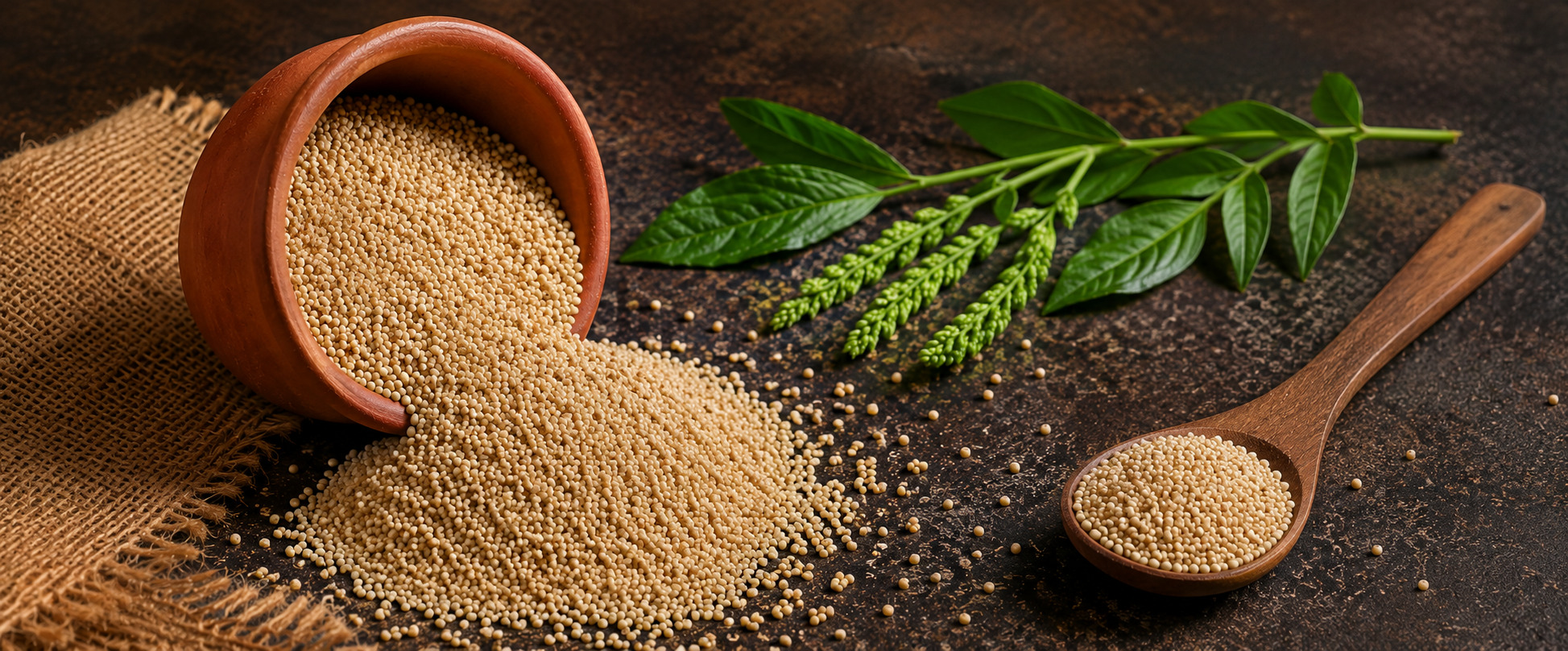
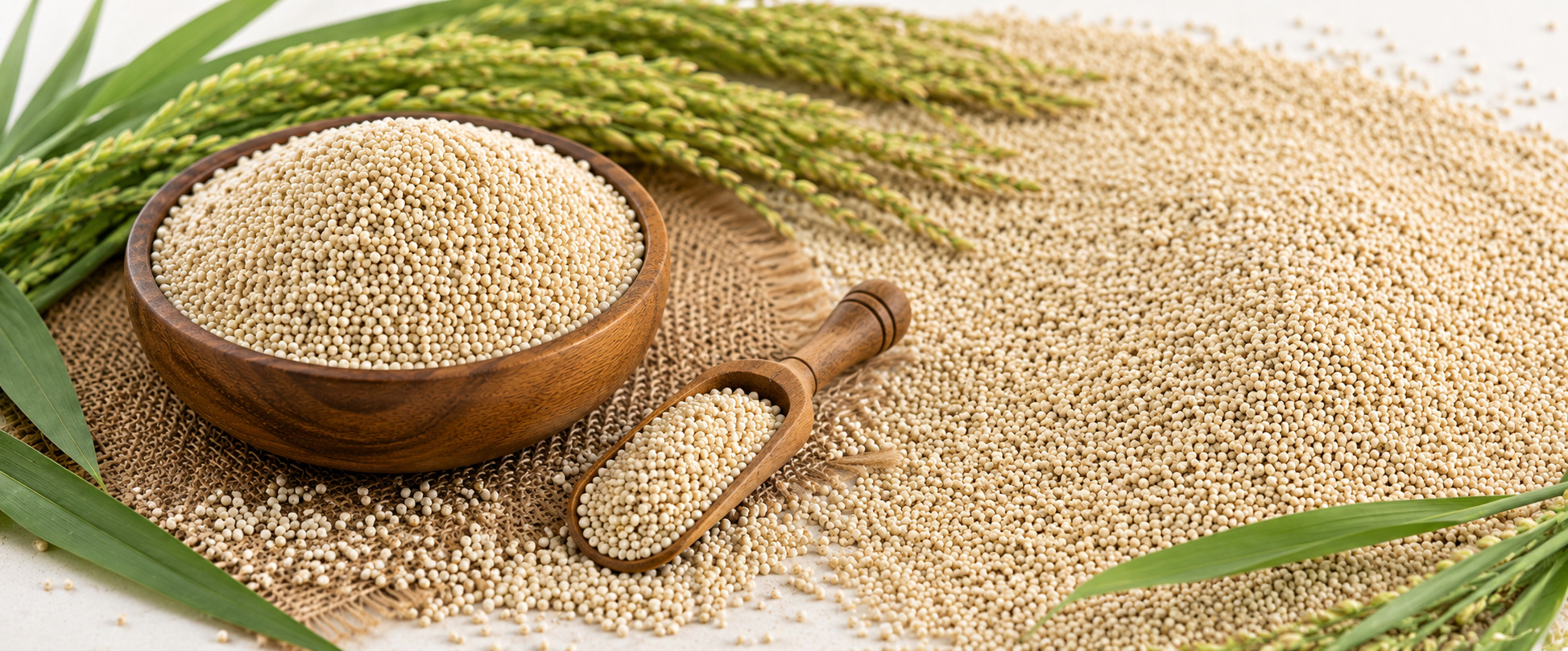
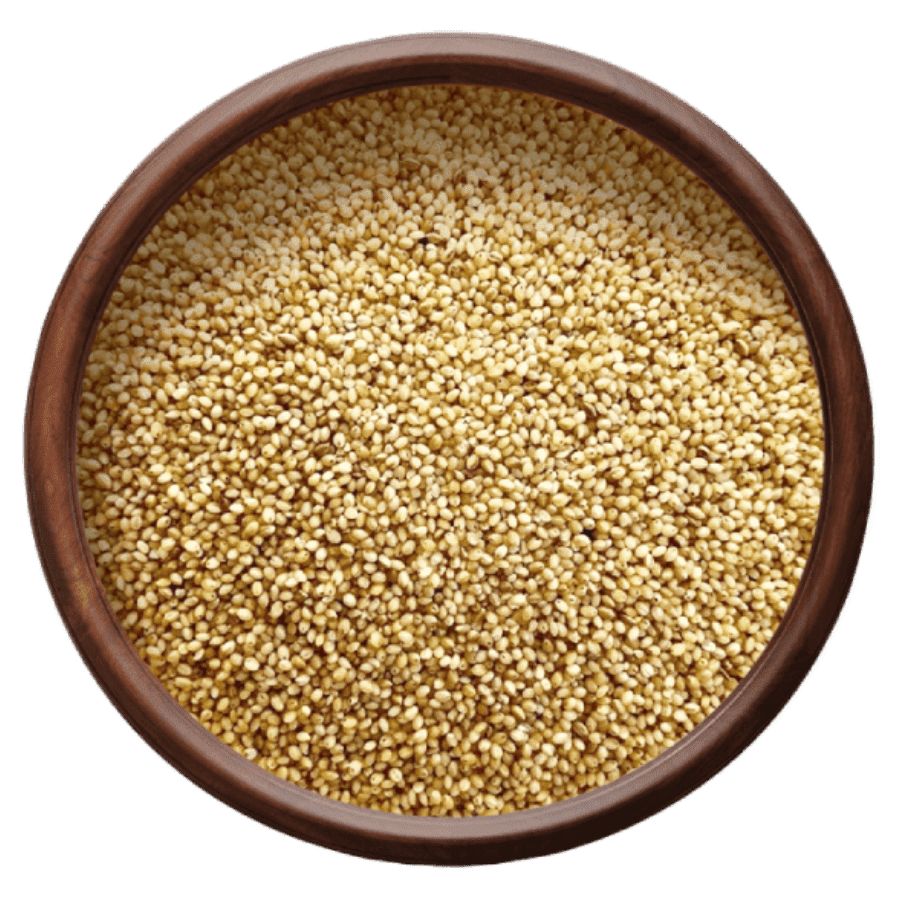
Varagu (Paspalum scrobiculatum) is one of the oldest cultivated millets on the Indian subcontinent. It is grown primarily in rainfed, semi-arid regions of South India, and has been part of the diet in Tamil Nadu, Karnataka, Andhra Pradesh, and Maharashtra for centuries. The grain is small, round, and usually light brown or greyish-white in colour when hulled.
It belongs to the same family of coarse grains as foxtail millet, pearl millet, and finger millet. Like its siblings, varagu is a warm-season crop that requires very little chemical input. Farmers who grow it often use it as a rotation crop, allowing the soil to recover after more demanding harvests.
When you buy varagu today, you are most likely purchasing the hulled grain, sometimes labelled as kodo millet or varagu rice. It can be cooked much like rice, used in porridges, made into dosas and idlis, or ground into flour for rotis and baked goods.
Varagu vs White Rice: A Direct Comparison
The simplest way to understand why varagu has nutritional supporters is to compare it with the grain it is most commonly used to replace. Most South Indian households consume white rice as their primary grain, and the differences between the two are meaningful.
| Nutrient (per 100g cooked) | Varagu / Kodo Millet | Polished White Rice |
| Glycaemic Index | Lower (approx. 68) | Higher (approx. 72-73) |
| Dietary Fibre | Higher (1.5-2g) | Lower (0.2-0.4g) |
| Protein | 7-9g (raw) | 6-7g (raw) |
| Iron | Higher | Lower |
| Cooking Time | 20-25 minutes | 15-20 minutes |
The glycaemic index difference may seem small, but paired with a higher fibre content, varagu results in a slower, steadier release of glucose. For people managing type 2 diabetes or insulin sensitivity, that difference in pace can matter across a meal, a day, and a year.
Researchers studying traditional millet diets have noted the role of resistant starch in millets such as kodo in moderating post-meal blood sugar responses.
Key Health Benefits of Eating Varagu Regularly
1. Supports Blood Sugar Management
Kodo millet contains polyphenols and tannins that slow down the digestion of starch. When starch is digested slowly, glucose enters the bloodstream at a more gradual rate. For people who are diabetic or pre-diabetic, this mechanism is particularly valuable. Several studies published in peer-reviewed nutrition journals have explored how regular millet consumption correlates with improved glycaemic control in South Asian populations. The
Indian Council of Medical Research (ICMR) has consistently recommended millets as functional foods for managing non-communicable diseases, including diabetes.
2. Supports Digestive Health
The dietary fibre in varagu acts as a prebiotic, feeding the beneficial bacteria in your gut. A single serving of cooked varagu contributes meaningfully to your daily fibre requirement. If you struggle with irregular digestion or bloating after rice-heavy meals, replacing one meal with varagu porridge or cooked varagu rice can produce noticeable change within a few weeks.
3. A Useful Grain for Weight Management
Varagu keeps you satiated for longer than refined grains. This is partly due to fibre and partly due to its protein content, which is slightly higher than white rice. If you find yourself hungry an hour after a rice-based meal, a varagu-based meal of the same portion may hold you over considerably longer.
4. Rich in Minerals Often Missing from Modern Diets
Kodo millet is a reasonable source of iron, phosphorus, and magnesium. Iron deficiency remains one of the most common nutritional deficiencies in India, especially among women and children. Adding varagu to regular rotation does not replace medical supplementation when needed, but it does contribute to overall mineral intake in a whole-food form.
5. Naturally Gluten-Free
Varagu contains no gluten. For individuals with coeliac disease, wheat intolerance, or those following a gluten-free diet for other reasons, it functions as a nutritious grain alternative that can be used across a wide variety of recipes.
How to Cook Varagu: Simple Methods That Work
One reason varagu fell out of favour in urban kitchens is that people found it slightly more involved than white rice. But the process is straightforward once you do it a few times.
Basic Cooked Varagu (Rice Substitute Method)
- Rinse the grain thoroughly under cold water until the water runs clear.
- Soak for 20 to 30 minutes before cooking. This reduces cooking time and improves texture.
- Use a 1:2.5 ratio of varagu to water.
- Bring to a boil, then reduce to a simmer. Cover and cook for 20 to 25 minutes.
- Allow it to rest covered for 5 minutes before serving.
The cooked grain has a slightly nuttier flavour than white rice and a texture that is more substantial. It pairs well with sambar, rasam, curries, and chutneys just as rice does.
Varagu Porridge (Kanji)
Cook varagu with more water (1:4 ratio) until it reaches a thick, porridge-like consistency. Season with a pinch of salt or sweeten with jaggery, add a small amount of ghee, and serve warm. This is an excellent breakfast option, particularly for children or elderly family members who need easily digestible nutrition.
Varagu Dosa and Idli
Soak varagu overnight alongside urad dal in a 2:1 ratio. Grind into a smooth batter, ferment for 8 to 12 hours, and use exactly as you would a regular dosa or idli batter. The resulting dosas are slightly crispier, with a mild flavour that pairs well with coconut chutney.
Varagu for Diabetics: What the Research and Tradition Both Say
People managing blood sugar often look for grains that will not cause rapid glucose spikes after a meal. Varagu has been traditionally used in parts of South India for exactly this purpose, and the scientific research is catching up to what grandmothers already knew.
A study published in the Journal of Food Science and Technology found that kodo millet-based diets led to lower post-prandial blood glucose levels compared to rice-based diets in individuals with type 2 diabetes. The researchers attributed this to the combination of fibre, polyphenols, and slower-digesting carbohydrates in the grain.
Replacing one rice meal per day with a varagu-based meal is a practical, sustainable step for people managing diabetes who still want to eat within their cultural food preferences. It does not require abandoning familiar flavours, just swapping the grain base.
Where Varagu Fits into a Complete Millet Diet
Varagu works best as part of a rotation rather than a daily staple. South Indian food tradition already supports this kind of rotation, with different grains appearing across different meals and days of the week. Pairing varagu with other millets available at
Ulamart’s millets collection creates a naturally varied diet that draws on the distinct strengths of each grain.
| Millet | What It Adds |
| Varagu (Kodo) | Blood sugar support, fibre |
| Ragi (Finger Millet) | Calcium, ideal for children and women |
| Saamai (Little Millet) | Lightweight, easily digestible |
| Foxtail Millet | Iron-rich, good for anaemia |
If you are building a millet rotation from scratch, starting with two or three millets is more practical than overhauling everything at once. Varagu and ragi together cover a broad nutritional spectrum and are both available at
Buying Varagu: What to Check Before You Purchase
As interest in millets grows, so does the number of suppliers offering them. Not all varagu available in the market is the same, and knowing what to look for saves you from disappointment.
Choose Unpolished Over Polished
Polished varagu has been processed to remove the outer bran layer, which significantly reduces its fibre and micronutrient content. The unpolished version cooks slightly differently and may have a more pronounced flavour, but the nutritional trade-off is not worth it.
Check for Organic Certification or Known Source
Millets grown in India are often cultivated by small farmers without chemical inputs, but that is not universal. If possible, buy from a supplier who can trace the grain to a specific farming region. Products sourced from organic or natural farms and certified by bodies recognised under FSSAI guidelines offer a higher degree of assurance.
Look at Packaging and Storage Conditions
Millets are susceptible to moisture and insects. Buy varagu in sealed packaging rather than loose from open bins. Store it at home in an airtight container, away from direct sunlight and humidity.
A Note on Varagu for Children and the Elderly
Varagu is gentle on the digestive system when cooked to a soft consistency, making it suitable for young children transitioning to solid foods and for older adults who may have difficulty with harder grains. As a porridge, it provides sustained energy without the heaviness that some people experience from wheat-based products.
For children, combining varagu with a small amount of ragi and a teaspoon of ghee creates a nutritious breakfast porridge that covers protein, calcium, and complex carbohydrates in one bowl. Parents who have switched even one meal a week to millet-based foods often notice that children accept the flavour readily, especially when introduced early.
Varagu in the Context of India’s Millet Revival
The Indian government declared 2023 the International Year of Millets, and the campaign brought renewed attention to grains like varagu that had been quietly disappearing from urban kitchens. Exports of Indian millets increased significantly, and domestic awareness followed. Health-conscious consumers who had been spending money on imported quinoa and oats began to rediscover that their own agricultural heritage offered comparable or superior nutritional options at a fraction of the price.
Varagu is not trying to be a trendy superfood. It is a grain with centuries of use behind it, growing in conditions that most other crops cannot handle, and feeding communities in a way that is nutritionally sound and ecologically sensible. For more on the health properties of traditional millets, the
National Institute of Nutrition India publishes accessible research on traditional Indian foods and their health implications.
Simple Varagu Recipes to Get You Started
Varagu Pongal
Cook varagu with moong dal in a 2:1 ratio. Temper with ghee, cumin, pepper, ginger, and curry leaves. This is a lighter, lower-glycaemic alternative to the traditional rice pongal and works beautifully as a Sunday breakfast.
Varagu Lemon Rice
Use cooked varagu in place of rice in a standard lemon rice recipe. The nutty base grain adds a different dimension to the familiar flavours of mustard, curry leaves, green chilli, and lemon juice. It packs well for lunch and holds its texture better than white rice through the day.
Varagu Upma
Dry roast varagu until lightly fragrant, then cook it with sauteed onions, green chilli, ginger, and vegetables of your choice. Finish with a squeeze of lime. The roasting step is key to developing flavour. This is an excellent tiffin option.
Making the Switch: Starting Small and Staying Consistent
Changing what you eat does not require a dramatic overhaul. Replacing white rice with varagu once or twice a week is a manageable starting point. Over time, as your palate adjusts and you build a few reliable recipes, the transition becomes natural rather than forced.
Your spice collection, your sambar, your chutneys, and your curries all travel well with varagu. The grain is accommodating. It does not ask you to cook differently, only to reach for something that has been waiting quietly on the shelf of traditional wisdom while the rest of the food world caught up.
You can explore our complete range of traditional millets, including varagu, at Ulamart’s millets section.