Long before polished, hybrid rice took over Indian kitchens, Tamil Nadu grew hundreds of native rice varieties suited to its soil, climate, and food culture. Many of these grains nearly disappeared during the shift to high yield farming, but a slow return to traditional eating habits is bringing them back onto everyday plates. Groups such as Namma Nellu have spent years documenting and reviving these native grains, and their work gives a useful starting point for anyone curious about what makes heirloom rice different from the rice sold in a typical supermarket.
Heirloom rice varieties are grains that have been cultivated in a region for generations without genetic modification or cross breeding for mass yield. In Tamil Nadu, this includes rice like Mappillai Samba, Karuppu Kavuni, Rakthashali, Seeraga Samba, and several others, each tied to a specific district, soil type, or farming tradition. Unlike modern hybrid rice bred mainly for higher output, these varieties were selected over centuries for taste, resilience, and nutrition, which is part of why they carry a denser nutrient profile even today.
- What Makes a Rice Variety Heirloom
- Mappillai Samba: The Bridegroom Rice
- Karuppu Kavuni: The Forbidden Black Rice
- Rakthashali and Other Heirloom Varieties Worth Knowing
- Why These Grains Carry More Nutrition
- Where These Varieties Are Traditionally Grown
- How Texture Differs Across Varieties
- Choosing and Storing Heirloom Rice
What Makes a Rice Variety Heirloom
An heirloom rice variety is defined by its lineage rather than its appearance. These grains are open pollinated, meaning farmers can save seed from one season and replant it the next without the crop losing its characteristics. Many Tamil Nadu heirloom varieties are also naturally suited to specific growing conditions, some tolerate drought, some grow well in slightly saline soil, and some were bred for their keeping qualities in storage. This is different from hybrid seed varieties, which usually need to be purchased fresh every season and are optimized mainly for volume rather than nutrition or flavor.
Because these grains were grown in smaller quantities and needed more careful hand processing, they were gradually pushed out of mainstream cultivation. What survived did so mostly through family farms, seed banks, and small collectives that kept planting the older varieties season after season.
Mappillai Samba: The Bridegroom Rice
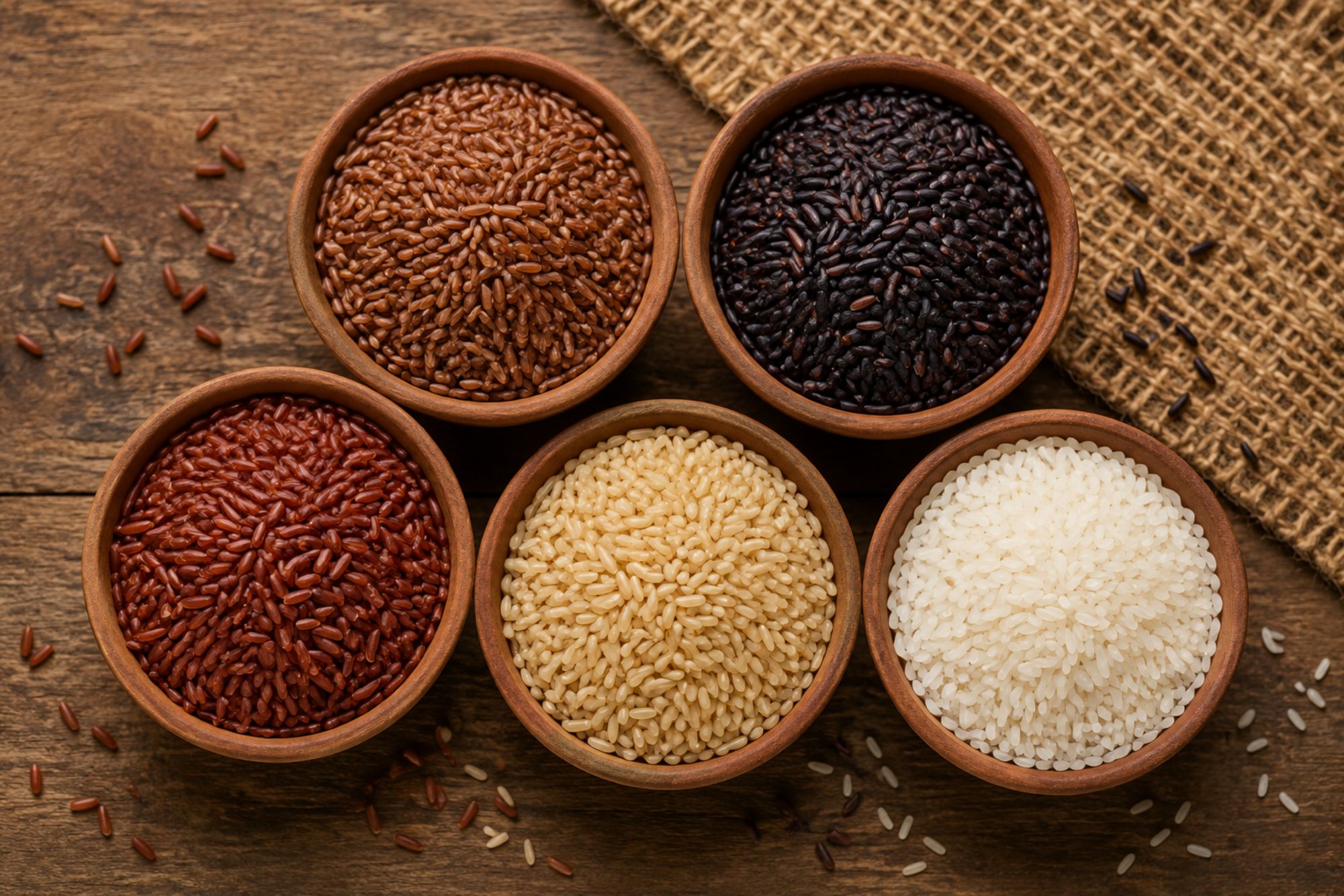
Mappillai Samba, sometimes called bridegroom rice, is one of the most recognized heirloom varieties from Tamil Nadu. The name comes from a old belief that eating this rice built strength and stamina, making it a food traditionally given to grooms before weddings. The grain is reddish brown, slightly longer than average, and has a noticeably chewy texture once cooked. It is naturally high in fiber and iron compared to polished white rice, and its low glycemic index makes it a common choice among people managing blood sugar. You can browse Ulamart’s Mappillai Samba range to see the raw and unpolished versions available.
Because of its firm texture, Mappillai Samba takes slightly longer to cook than regular rice and benefits from a short soak before cooking. It is used across Tamil Nadu in everything from plain steamed rice to festive kanji preparations, and its dense grain structure means a smaller serving tends to feel more filling than the same amount of polished rice.
Karuppu Kavuni: The Forbidden Black Rice
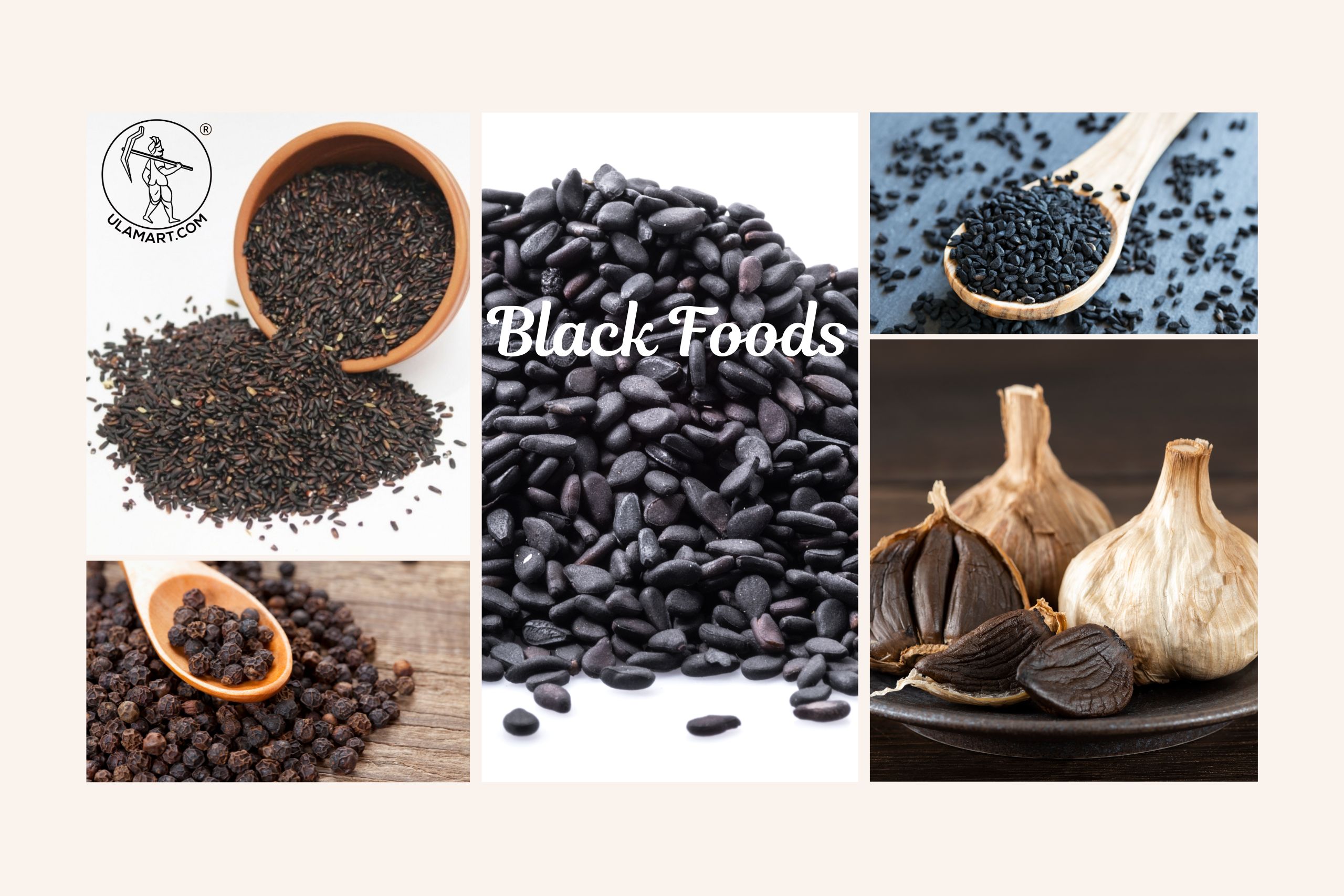
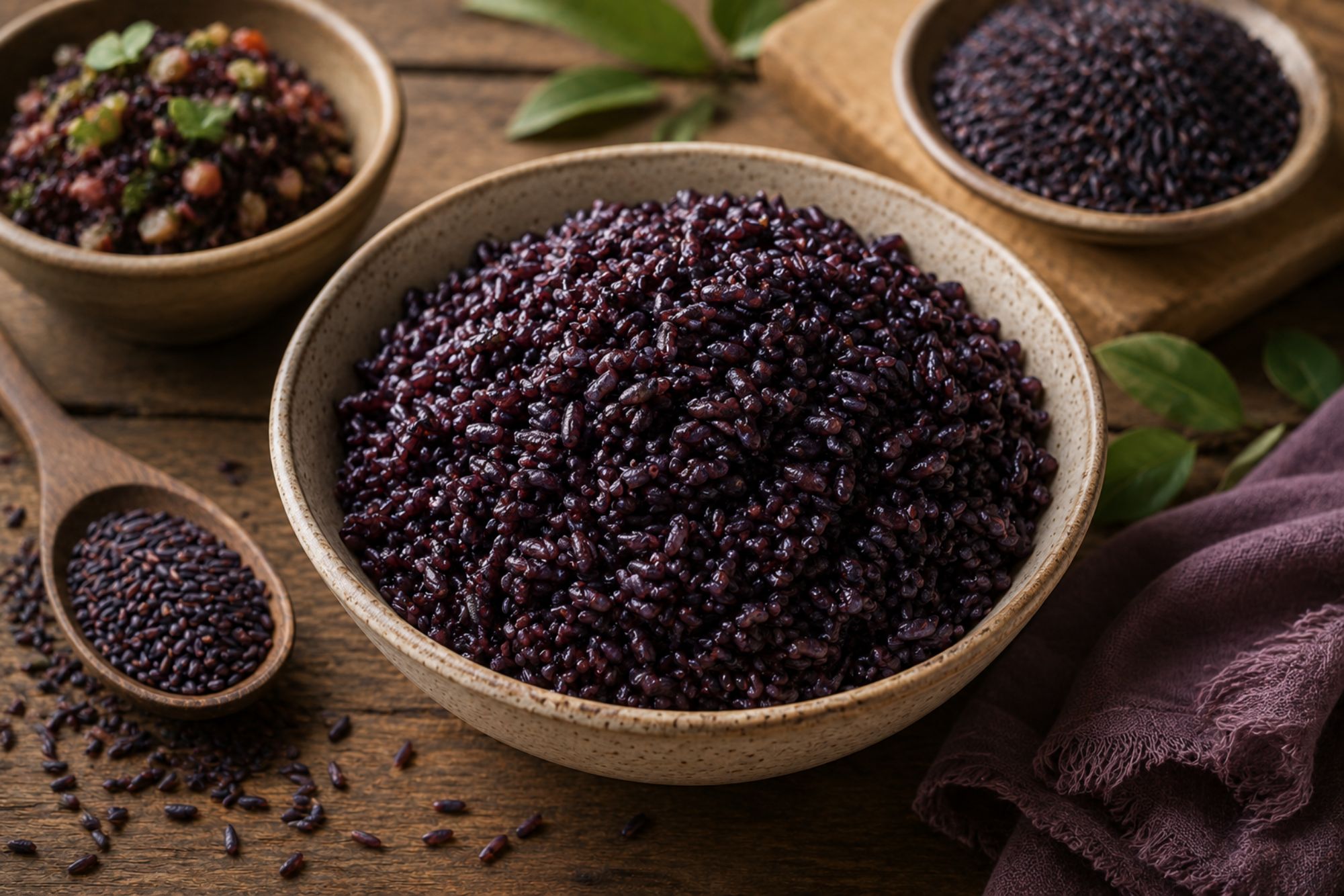
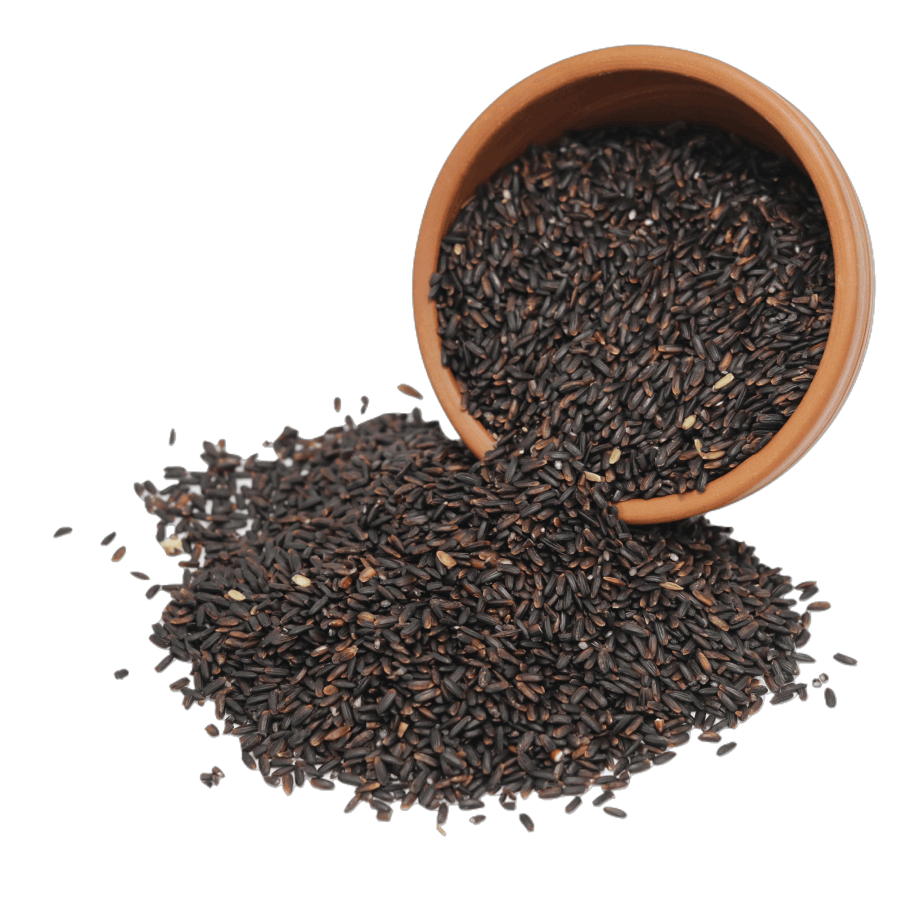
Karuppu Kavuni is Tamil Nadu’s native black rice, known historically as a grain once reserved for royalty, which is part of why it picked up the nickname forbidden rice in export markets. Its deep purple black color comes from anthocyanins, the same class of antioxidant compounds found in blueberries and purple cabbage. This variety is naturally gluten free, rich in iron, and carries a nutty, slightly sweet flavor once cooked. The Karuppu Kavuni black rice listing on Ulamart gives a closer look at how the grain is sourced and packaged.
Unlike Mappillai Samba, Karuppu Kavuni retains its dark color through cooking, which makes it easy to identify on a plate even after preparation. Its antioxidant content is one of the main reasons this variety has drawn attention from nutrition researchers studying traditional Indian grains, alongside its comparatively lower glycemic response.
Rakthashali and Other Heirloom Varieties Worth Knowing
Beyond the two most talked about varieties, Tamil Nadu’s heirloom rice basket includes several other grains worth knowing. Rakthashali, an ancient red rice variety, has been referenced in classical Ayurvedic texts for its cooling and nourishing properties, and it remains one of the more distinctive red rice types available today. You can see the current stock of Rakthashali rice here. Seeraga Samba is a short, aromatic grain traditionally used for biryani because it holds its shape without turning mushy, while Thooyamalli is a fragrant white heirloom variety often compared to jasmine rice for its aroma.
| Variety | Grain Color | Best Known For |
|---|---|---|
| Mappillai Samba | Reddish brown | Stamina food, high fiber |
| Karuppu Kavuni | Deep purple black | Antioxidants, low GI |
| Rakthashali | Red | Ayurvedic use, cooling grain |
| Seeraga Samba | Small, pale gold | Biryani grade aroma |
| Thooyamalli | White | Jasmine-like fragrance |
Why These Grains Carry More Nutrition
Most heirloom rice varieties are consumed unpolished or lightly polished, which means the bran layer, the part that carries most of the fiber, minerals, and antioxidants, stays intact. Polished white rice strips away this outer layer during milling, which is one of the biggest nutritional differences between heirloom grains and everyday supermarket rice. Iron, zinc, and B vitamin levels tend to be noticeably higher in unpolished heirloom rice, and several varieties also show a lower glycemic index, meaning they release glucose into the bloodstream more slowly than polished white rice.
| Nutrient Focus | Where It Shows Up |
|---|---|
| Iron | Karuppu Kavuni, red and black rice varieties |
| Fiber | Mappillai Samba, unpolished heirloom grains |
| Antioxidants | Black and red pigmented rice |
| Aromatic compounds | Seeraga Samba, Thooyamalli |
Where These Varieties Are Traditionally Grown
Tamil Nadu’s heirloom rice map is closely tied to its river deltas and rain patterns. Mappillai Samba has traditionally been grown in the drier tracts of districts such as Tiruvannamalai and parts of the Cauvery belt, where its hardiness suited rain fed farming better than thirstier hybrid crops. Karuppu Kavuni has roots in the hill adjacent regions of the state, where smaller plots and family farms kept the seed line going even as commercial paddy shifted toward high yield hybrids in the plains. Seeraga Samba and Thooyamalli are more closely associated with the delta districts, where the finer soil texture suits their shorter, aromatic grain.
This geographic spread is part of why no two heirloom varieties taste or cook exactly alike. Soil composition, water availability, and even the length of the local monsoon all shape how a grain develops, which is something high yield hybrid rice, bred to perform uniformly across regions, was never designed to preserve.
How Texture Differs Across Varieties
One of the easier ways to tell heirloom rice apart, beyond color, is texture after cooking. Mappillai Samba stays firm and slightly chewy, which is why it holds up well in dishes that need distinct grains rather than a soft mass. Karuppu Kavuni softens more than Mappillai Samba but keeps a slight bite, and its color rarely bleeds excessively if it is rinsed properly before cooking. Rakthashali tends to cook a little softer and is often chosen for lighter, easily digestible meals. Seeraga Samba stays separate and fluffy, which is exactly why it became the preferred grain for biryani across Tamil Nadu and parts of Kerala, while Thooyamalli lands somewhere between soft and fluffy with a fragrance that carries through the entire dish.
None of these differences are accidental. They are the result of generations of farmers selecting seed based on how a variety performed in the field and on the plate, long before any of this was studied in a lab.
Choosing and Storing Heirloom Rice
Heirloom rice is usually sold either raw or parboiled, and the choice mostly comes down to regional habit and the dish being prepared. Raw varieties tend to cook up firmer and are preferred for dishes where grain separation matters, while parboiled versions soften more and are common in everyday meals. Since these grains are less processed than polished rice, they benefit from being stored in an airtight container away from moisture and direct sunlight, and it helps to use them within a few months of purchase rather than stocking up for long periods.
For households exploring heirloom rice for the first time, it helps to start with one variety at a time rather than switching the entire pantry at once. Mappillai Samba or Karuppu Kavuni are good starting points given how widely documented their benefits are, and the full range of heirloom and traditional rice on Ulamart makes it easy to compare grain types before settling on a household staple.
Reviving these native varieties is not just about nutrition. Every packet of Mappillai Samba or Karuppu Kavuni sold today also supports the small farmers and seed keepers who kept these grains alive through decades when mainstream agriculture moved almost entirely toward hybrid rice. Choosing heirloom rice, even occasionally, is one of the more direct ways a household can support that continuity.