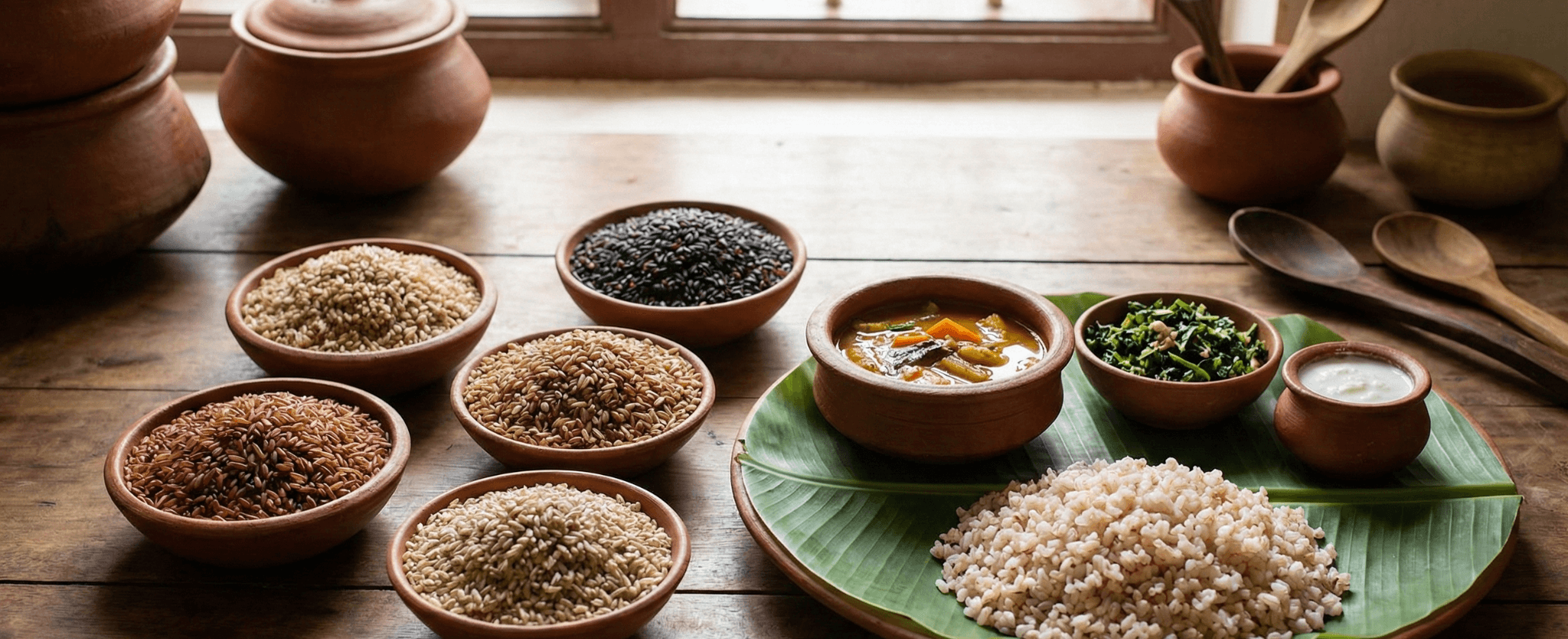
When your doctor tells you to “avoid rice,” it feels like someone just took away your favorite comfort food, doesn’t it? For most Indians, a meal without rice is like chai without sugar – it just doesn’t feel complete. But here’s the good news: not all rice is created equal, and our ancestors knew this secret all along.
While modern white rice can spike your blood sugar faster than you can say “insulin,” traditional rice varieties have been quietly helping people manage their health for centuries. These aren’t your supermarket staples – they’re ancient grains that have been passed down through generations, each with unique properties that make them diabetes-friendly alternatives.
If you’ve been told to give up rice completely, this article might just change your meal planning forever.
Why traditional rice works better for diabetics
Before we dive into the varieties, let’s understand what makes traditional rice different from the polished white rice sitting in most kitchens today.
Traditional rice varieties are typically unpolished or minimally processed, which means they retain their bran layer – the outer coating packed with fiber, vitamins, and minerals. This bran layer is what modern rice loses during the milling process. When you eat unpolished rice, the fiber slows down the digestion and absorption of carbohydrates, preventing sudden blood sugar spikes.
Additionally, many traditional varieties have a lower glycemic index (GI) compared to white rice. The glycemic index measures how quickly a food raises your blood sugar levels. Foods with a GI of 55 or less are considered low, while white rice typically scores between 70-90, putting it in the high category.
Glycemic Index Comparison Table
Here’s how traditional rice varieties stack up against regular white rice:
|
|
Note: GI values can vary slightly based on cooking method, cooling, and reheating. The values above are approximate ranges based on available research and traditional knowledge.
But it’s not just about the numbers. Traditional rice varieties also come with a rich nutritional profile, antioxidants, essential amino acids, and micronutrients that support overall health, not just blood sugar management.
The Top 10 Traditional Rice Varieties for Diabetes Management
1. Karuppu Kavuni (Black Rice)
If rice could be a superhero, Karuppu Kavuni would wear the cape. This jet-black grain gets its dramatic color from anthocyanins – the same powerful antioxidants found in blueberries and blackberries.
Why it’s diabetes-friendly: With a low glycemic index and high fiber content, Karuppu Kavuni releases glucose slowly into your bloodstream. The anthocyanins also help reduce inflammation and insulin resistance, two major factors in type 2 diabetes.
How to use it: Try it as a substitute for white rice in your regular meals, or make a delicious karuppu kavuni payasam (pudding) using natural sweeteners. The slightly nutty, earthy flavor pairs beautifully with coconut milk.
Pro tip: Soak it for 4-6 hours before cooking to reduce cooking time and improve digestibility.
2. Mappillai Samba (Bridegroom’s Rice)
Legend has it that this rice was given to grooms before their wedding to boost strength and stamina, and it’s not just folklore. Mappillai Samba is packed with nutrients that support sustained energy without the blood sugar rollercoaster.
Why it’s diabetes-friendly: This reddish-brown rice has a medium-to-low glycemic index and contains significant amounts of iron and zinc. Its high fiber content keeps you feeling full longer, reducing the temptation to snack between meals.
How to use it: Perfect for making healthier versions of your favorite rice dishes. It has a mild, slightly sweet flavor that works well in both savory and sweet preparations.
Cooking note: This rice expands quite a bit when cooked, so use a 1:2.5 ratio of rice to water.
3. Kattuyanam (Wild Rice Variety)
Don’t let the word “wild” fool you. Kattuyanam is a cultivated variety that’s been treasured in Tamil Nadu for its medicinal properties. It’s sometimes called the “king of rices” for good reason.
Why it’s diabetes-friendly: With one of the highest fiber contents among rice varieties, Kattuyanam slows down carbohydrate absorption significantly. It also contains resistant starch, which acts more like fiber than a carbohydrate in your body.
How to use it: This rice has a slightly chewy texture and takes longer to cook than regular rice. It’s excellent for making rice salads, upma, or as a base for vegetable-heavy meals.
Health bonus: Rich in selenium and magnesium, minerals that play important roles in insulin function.
4. Bamboo Rice (Moongil Arisi)
This is one of the most interesting “rice” options on the list, because it isn’t rice at all. Bamboo rice is the seed of the bamboo plant, harvested during bamboo flowering. Once collected, it’s cooked just like rice and used in many traditional recipes.
Why it’s diabetes-friendly: Bamboo rice is exceptionally low in carbohydrates compared to other rice varieties and is rich in protein and fiber. It’s also loaded with Vitamin B, which helps in glucose metabolism.
How to use it: Due to its rarity and unique flavor, it’s best enjoyed as a special dish. Works wonderfully in simple preparations like steamed rice with ghee, or mixed with lentils in khichdi.
Availability note: This is a rare and seasonal variety, so it’s more expensive than other options on this list.
5. Navara Rice
Navara rice is a golden-hued rice from Kerala is renowned in Ayurveda for its healing properties. It’s been used for centuries in traditional medicine to treat various ailments, including metabolic disorders.
Why it’s diabetes-friendly: Navara has a low glycemic index and contains compounds that may help improve insulin sensitivity. It’s also easier to digest than many other rice varieties.
How to use it: Traditionally used in medicinal preparations, but you can enjoy it as regular rice too. It has a slightly sticky texture when cooked, making it great for porridges and soft rice dishes.
Interesting fact: This rice is used in Ayurvedic treatments like Navarakizhi, a therapeutic massage with rice boluses.
6. Kuzhiyadichan
This traditional variety from Tamil Nadu gets its name from its distinctive grain shape (kuzhiyadichan means “one that is depressed in the middle”). It’s been a staple in South Indian homes for generations.
Why it’s diabetes-friendly: High in dietary fiber and amylose (a type of starch that digests slowly), Kuzhiyadichan has a lower glycemic impact than white rice. It also contains good amounts of zinc, which is important for insulin production.
How to use it: Excellent for making curd rice, lemon rice, or any dish where you want the rice grains to remain separate and fluffy.
Taste profile: Mild flavor that doesn’t overpower other ingredients, making it versatile for various dishes.
7. Seeraga Samba
While this aromatic rice is famous for making the perfect biryani, it’s also a better choice for diabetics compared to basmati or regular rice.
Why it’s diabetes-friendly: Seeraga Samba has a lower glycemic index than most other aromatic rice varieties. It’s rich in selenium, which has been shown to help regulate blood sugar levels.
How to use it: If you can’t imagine life without biryani, this is your go-to option. Just watch your portion sizes and load up on vegetables and protein.
Special quality: The aromatic compounds in this rice aren’t just for flavor—they also have antimicrobial properties.
8. Garudan Samba
Named after Garuda (the eagle), this rice variety is known for its ability to provide sustained energy, something crucial for diabetics who need to avoid energy crashes.
Why it’s diabetes-friendly: With a good fiber-to-carbohydrate ratio and moderate glycemic index, Garudan Samba releases energy gradually. It’s also easier to cook than some other traditional varieties.
How to use it: Great for everyday cooking. Works well in idlis, dosas, and as regular steamed rice.
Nutrient highlight: Contains significant amounts of iron and calcium along with its fiber content.
9. Thooyamalli
This fragrant rice gets its name from its purity (thooya means “pure” in Tamil) and has been prized in South Indian cuisine for its delicate aroma and health benefits.
Why it’s diabetes-friendly: Thooyamalli has a moderate glycemic index and is rich in antioxidants. Its high amylose content means it digests more slowly than regular white rice.
How to use it: Perfect for festival meals and special occasions. The subtle fragrance makes it ideal for dishes where you want the rice to enhance, not overpower, other flavors.
Traditional use: Often used in temple offerings due to its purity and considered auspicious for special occasions.
10. Poongar Rice
Last but definitely not least, Poongar rice is often called “women’s rice” because of its benefits for hormonal balance and reproductive health. But it’s excellent for managing diabetes too.
Why it’s diabetes-friendly: This golden-colored rice has a low glycemic index and contains compounds that may help regulate insulin function. It’s also rich in dietary fiber and resistant starch.
How to use it: Slightly sweet taste makes it perfect for both savory and sweet dishes. Traditional South Indian cooks use it for making sweet pongal during festivals.
Added benefits: Beyond blood sugar management, Poongar is known to help with digestive issues and is considered easier on the stomach than regular rice.
Making the Switch: Practical Tips
Choosing the right rice is just the first step. Here’s how to make the most of these traditional varieties:
Start slowly: If your body is used to white rice, transition gradually. Mix traditional rice with your regular rice in increasing proportions over a few weeks.
Portion control still matters: Even low-GI rice is still a carbohydrate. A good rule of thumb is to fill one-quarter of your plate with rice, half with vegetables, and one-quarter with protein.
Combine wisely: Pair your rice with high-fiber vegetables, protein, and healthy fats. This combination further slows down sugar absorption.
Timing is important: If you’re monitoring your blood sugar closely, you might find that eating rice earlier in the day works better for you than at dinner.
Cooking method counts: Cooling cooked rice and reheating it increases its resistant starch content, which can further lower its glycemic impact.
Where to Find These Traditional Rice Varieties
The biggest challenge with traditional rice varieties isn’t eating them, it’s finding authentic, properly sourced options. Many so-called “traditional” rice varieties in regular grocery stores are actually modern hybrids or improperly stored grains that have lost their nutritional value.
Look for certified organic sources that work directly with farmers to ensure you’re getting genuine traditional varieties. The rice should be minimally processed and stored properly to retain its nutritional properties.
Beyond Blood Sugar: Other Health Benefits
While we’ve focused on diabetes management, these traditional rice varieties offer benefits that extend far beyond blood sugar control. They’re rich in antioxidants that fight inflammation, contain minerals that support bone health, and provide B vitamins essential for energy metabolism.
Many people who switch to traditional rice report better digestion, increased energy levels, and even weight loss, all of which contribute to better diabetes management in the long run.
A Final Word on Rice and Diabetes
Living with diabetes doesn’t mean you have to give up rice forever. It means making smarter choices and reconnecting with the wisdom of our ancestors who understood that food is medicine.
Traditional rice varieties prove that you don’t have to sacrifice taste or cultural connection for health. In fact, the opposite is true—by choosing these heritage grains, you’re honoring centuries of agricultural knowledge while taking care of your health.
The next time someone tells you to avoid rice completely, you can smile and tell them you’ve found a better way. Because sometimes, the solutions to modern health problems have been sitting in our grandparents’ kitchens all along.
Ready to make the switch? Explore our collection of certified organic traditional rice varieties, sourced directly from farmers who’ve been growing these heritage grains for generations. Each variety is carefully selected, minimally processed, and tested to ensure you’re getting the authentic nutrition our ancestors relied on.
Start your journey to healthier eating without giving up the foods you love. Your body (and your taste buds) will thank you.
Medical Disclaimer: This article is for informational purposes only and is not a substitute for professional medical advice. Always consult with your healthcare provider before making significant changes to your diet, especially if you have diabetes or other health conditions. Individual responses to different foods can vary, and blood sugar monitoring is essential when introducing new foods into your diet.