The immune system is not a single organ or a switch you can flip. It is an intricate, layered defense network spanning the skin, the gut lining, lymph nodes, bone marrow, blood, and every organ in the body. It identifies threats ranging from bacteria and viruses to abnormal cells, dispatches appropriate responses, and maintains a memory of past encounters that speeds up future responses. When it functions well, most infections are defeated before you notice them. When it is compromised by chronic stress, poor sleep, nutritional deficiency, or an imbalanced gut microbiome, even mild pathogens can take hold.
The good news is that the foods you eat every day, the spices in your kitchen, the honey on your shelf, the grains in your pantry, are among the most powerful tools available for building and maintaining immune competence. Traditional Indian cooking, which was built around the principle of food as medicine, encoded immune-supportive ingredients into every meal with remarkable precision. Turmeric with black pepper. Neem honey in warm water before breakfast. Fermented grain preparations at every morning meal. Ginger in every chai. These were not arbitrary flavour preferences. They were functional formulas, refined across thousands of years of empirical observation about what kept people resilient.
This guide covers the science behind natural immunity building through food, explains which specific compounds in Indian pantry staples support immune function and how, and provides a practical framework for incorporating these foods consistently into daily life.
How the Immune System Works: A Practical Overview
Understanding which foods help requires a basic map of what they are helping. The immune system operates in two broad modes: innate immunity and adaptive immunity.
Innate Immunity: The First Responders
Innate immunity is your immediate, non-specific defense. Physical barriers including intact skin and the mucus-coated lining of the respiratory and digestive tracts are the first line. When a pathogen breaches these barriers, innate immune cells including macrophages, neutrophils, and natural killer cells respond within minutes to hours. They do not distinguish between specific pathogen types. They recognise general molecular patterns associated with foreign or damaged cells and initiate inflammatory responses to contain the threat.
Chronic low-grade inflammation, however, represents innate immunity gone wrong: persistently activated without a genuine threat to contain, it consumes immune resources and damages tissues over time. Anti-inflammatory foods that calm excessive innate immune activation, particularly curcumin from turmeric and the polyphenols from spices, play a critical role in maintaining immune balance.
Adaptive Immunity: The Precision Defense
Adaptive immunity develops over days and involves T cells and B cells that recognise specific pathogens and generate targeted antibody responses. Crucially, adaptive immunity creates immunological memory: the next time the same pathogen is encountered, the response is dramatically faster and stronger. Nutritional status significantly influences adaptive immune function. Deficiencies in zinc, vitamin A, vitamin D, vitamin C, and B-vitamins impair antibody production, T cell proliferation, and memory cell maintenance.
The Gut Immune Connection
Approximately 70 percent of immune tissue resides in or around the gut, in structures collectively called gut-associated lymphoid tissue (GALT). The gut microbiome trains and regulates immune responses: diverse, balanced microbial populations promote appropriate immune tolerance while maintaining readiness against genuine threats. Dysbiosis (microbiome imbalance) directly impairs immune regulation, increasing susceptibility to both infection and autoimmune overreaction. Foods that support the gut microbiome therefore support immune function through this critical gut-immune axis.
Turmeric and Black Pepper: The Non-Negotiable Immune Pair
Curcumin: The Anti-Inflammatory Immune Regulator
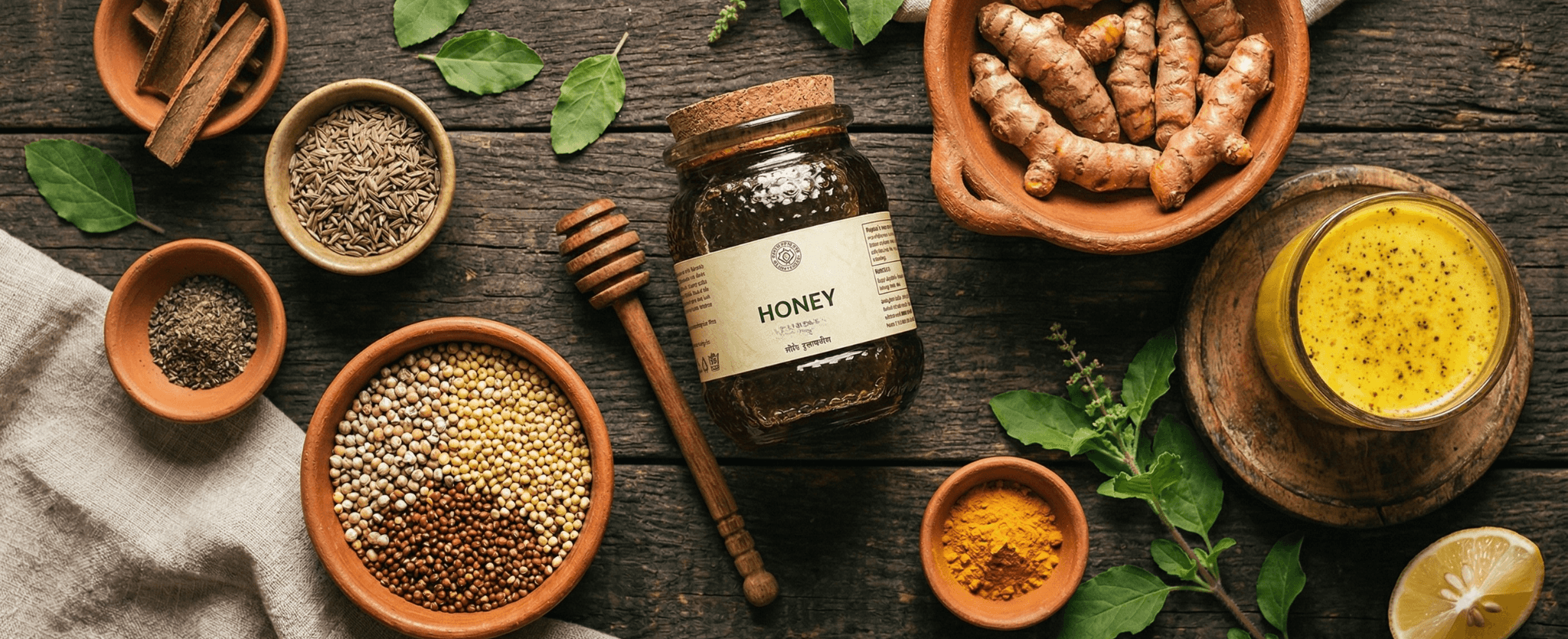
Turmeric (Curcuma longa), called manjal in Tamil and haldi in Hindi, is the most extensively studied spice in clinical immunology research. Its primary active compound, curcumin, modulates immune function through multiple mechanisms: it inhibits NF-kB, the master transcription factor that drives chronic inflammation; it upregulates the activity of natural killer cells and T helper cells; it increases the phagocytic activity of macrophages (their ability to engulf and destroy pathogens); and it reduces the production of pro-inflammatory cytokines including IL-6 and TNF-alpha. Read more about the full health profile of turmeric (manjal) on the Ulamart blog, or shop organic turmeric powder at Ulamart, sourced from naturally grown turmeric plants.
Why Black Pepper Is Essential with Turmeric
Curcumin is poorly absorbed from the digestive tract on its own, with bioavailability as low as 1 percent from an isolated dose. Piperine, the alkaloid in black pepper that gives it its heat, dramatically enhances curcumin absorption by inhibiting the liver enzyme CYP3A4 that normally clears curcumin rapidly from the bloodstream. The combination increases curcumin bioavailability by approximately 2,000 percent. This is the biological basis for the traditional Indian practice of cooking turmeric in fat (a cooking oil or ghee) with black pepper, a combination that maximises the delivery of curcumin to the systemic circulation. Ulamart’s organic black pepper (milagu) is sourced from Malabar Coast growers and processed to preserve the piperine content that makes this combination work.
| Food | Key Immune Compound | Primary Immune Action |
| Turmeric (Manjal) | Curcumin | NF-kB inhibition, NK cell activation |
| Black Pepper (Milagu) | Piperine | Curcumin bioavailability +2,000% |
| Ginger (Inji) | Gingerols, shogaols | Antiviral, anti-inflammatory, mucosal |
| Cinnamon (Pattai) | Cinnamaldehyde | Antimicrobial, innate immune support |
| Neem Honey | Methylglyoxal, polyphenols | Antibacterial, antiviral, antioxidant |
| Cumin (Jeera) | Cuminaldehyde, thymol | Antimicrobial, digestive immune support |
Raw Honey: The Most Bioactive Natural Antimicrobial
Raw honey is one of the oldest documented antimicrobial foods in human history, with uses recorded in the Charaka Samhita, ancient Egyptian papyri, and Greek medical texts. The mechanisms through which it supports immunity are now well-characterised and multiple.
The Antimicrobial Compounds in Honey
Honey’s antimicrobial activity arises from a combination of factors. Its high sugar concentration and low water activity create an osmotic environment hostile to bacterial growth. Hydrogen peroxide, produced when honey is diluted by bodily fluids, damages bacterial cell walls. Defensin-1, a bee-derived antimicrobial peptide present in honey, has direct antibacterial activity. Polyphenols and flavonoids in honey, particularly in darker, more potent varieties, have documented antiviral and antifungal activity. The specific combination of these factors means that no single bacterial mutation can provide resistance to honey, unlike the resistance that develops against single-mechanism antibiotics.
Neem Honey: The Most Immune-Active Variety
Among the honey varieties available at Ulamart, neem honey occupies a special category for immune support. Produced by wild bees that collect nectar from neem flowers, neem honey carries the azadirachtin compounds and polyphenols from neem alongside the standard honey immune compounds. It has documented antiviral, antibacterial, and antifungal properties, and has been used in Ayurvedic medicine specifically for respiratory infections, skin conditions, blood sugar regulation, and immune system strengthening. Ulamart’s organic neem honey (veppilai thaen) is collected from wild bees in Tamil Nadu and Malaysia, ensuring the genuine neem-derived bioactive content that farmed honey cannot replicate.
Jamun Honey: Antioxidant and Anti-Inflammatory
Jamun (naval) honey, produced from the flowers of the Indian blackberry tree (Syzygium cumini), is rich in anthocyanin-derived polyphenols inherited from the jamun flower’s pigment compounds. These polyphenols provide strong antioxidant and anti-inflammatory support for immune function, and jamun honey has traditionally been used in Ayurvedic practice for blood sugar regulation alongside immune support. Ulamart’s pure jamun honey (naval thaen) is sourced from natural hives feeding on jamun flowers in season.
How to Use Honey for Maximum Immune Benefit
- One teaspoon of raw neem or jamun honey in warm (not hot) water first thing in the morning on an empty stomach delivers the maximum concentration of bioactive compounds before food or digestive acid dilutes them
- Honey mixed with a small amount of ground black pepper and ginger powder is a traditional immune preparation for respiratory infections that combines the antimicrobial action of honey with the antiviral and mucosal-clearing properties of ginger and the bioavailability-enhancing piperine of pepper
- Adding honey to herbal teas after they have cooled to below 40 degrees Celsius preserves its enzymes and antimicrobial peptides, which are destroyed by temperatures above 60 degrees
- Honey should never be heated to high temperatures or added to actively boiling liquid, as this destroys its most valuable immune-active compounds
Ginger: The Antiviral and Mucosal Immune Defender
Ginger (Zingiber officinale), called inji in Tamil, has one of the best-documented antiviral profiles of any culinary spice. Fresh ginger contains gingerols; dried ginger converts these to shogaols, which are more potent and stable. Both forms have documented activity against human respiratory syncytial virus (RSV), one of the most common causes of respiratory infections, and the herpes simplex virus. Their mechanism involves blocking viral attachment to mucosal cell receptors, physically preventing the viruses from entering the cells they need to replicate.
Beyond direct antiviral action, ginger supports mucosal immunity through its ability to stimulate the production of mucus in the respiratory tract lining. Adequate mucus production traps pathogens before they reach vulnerable epithelial cells, constituting one of the most important first-line defenses. Ginger’s warming (ushna) quality in Ayurvedic classification reflects its thermogenic effect on the respiratory mucosa, which improves mucosal blood flow and immune cell trafficking to airway tissues.
The Traditional Ginger-Honey-Pepper Immunity Preparation
One of the most effective traditional Indian immune preparations combines freshly grated ginger, raw honey, and a pinch of black pepper. Each component addresses a different dimension of immune defense: ginger’s antiviral and mucosal-supporting gingerols, honey’s broad-spectrum antimicrobial compounds, and pepper’s piperine which enhances the bioavailability of the antioxidant compounds in all three ingredients. Consumed daily in the morning, this three-ingredient preparation has been a standard seasonal immunity practice in South Indian households for generations.
Spices as Daily Immune Support
Cumin Seeds: The Digestive Immune Ally
Cumin (Cuminum cyminum), called jeera in Hindi and jeeragam in Tamil, is present in the tadka of virtually every Indian dal, curry, and rice dish. Its active compounds including cuminaldehyde and thymol have documented antimicrobial activity against a range of gut pathogens, supporting the gut’s contribution to systemic immunity. Cumin also stimulates the secretion of digestive enzymes that improve protein and fat digestion, reducing undigested food that can feed pathogenic gut bacteria. Browse organic cumin seeds (jeeragam) at Ulamart for your daily cooking and wellness needs.
Cinnamon: Blood Sugar, Antimicrobial, and Immune Modulation
Cinnamon’s cinnamaldehyde has documented activity against a wide range of bacteria and fungi, including drug-resistant strains like MRSA. By maintaining stable blood sugar levels through its enzyme-inhibiting action, cinnamon also prevents the immune-suppressive spikes and crashes associated with high-glycaemic eating. Research has shown that blood glucose levels above 140 mg/dL directly impair neutrophil function (the ability of white blood cells to engulf and destroy bacteria), making blood sugar stability a genuine immune protection strategy. Shop organic cinnamon sticks (pattai) at Ulamart for both cooking and daily wellness preparations.
Black Pepper: Beyond Curcumin Enhancement
Piperine does more than enhance curcumin absorption. It has its own immunomodulatory properties, including stimulating the production of T lymphocytes and activating macrophages. Research has shown that piperine increases the antibody response to antigens, supporting the adaptive immune system’s ability to mount specific defenses. Additionally, piperine inhibits the MDR (multi-drug resistance) efflux pumps that some bacteria use to expel antibiotics, making it a studied adjunct to antibiotic therapies. The everyday practice of generously grinding fresh black pepper over food is a genuine immune-supportive habit.
Traditional Grains and Their Immune-Supporting Properties
The connection between grains and immunity is primarily through two pathways: dietary fiber that feeds the gut microbiome (which in turn trains and regulates the immune system) and specific micronutrients including zinc, iron, and B-vitamins that are required for immune cell production and antibody synthesis.
Millets: Fiber-Rich Prebiotic Foundation
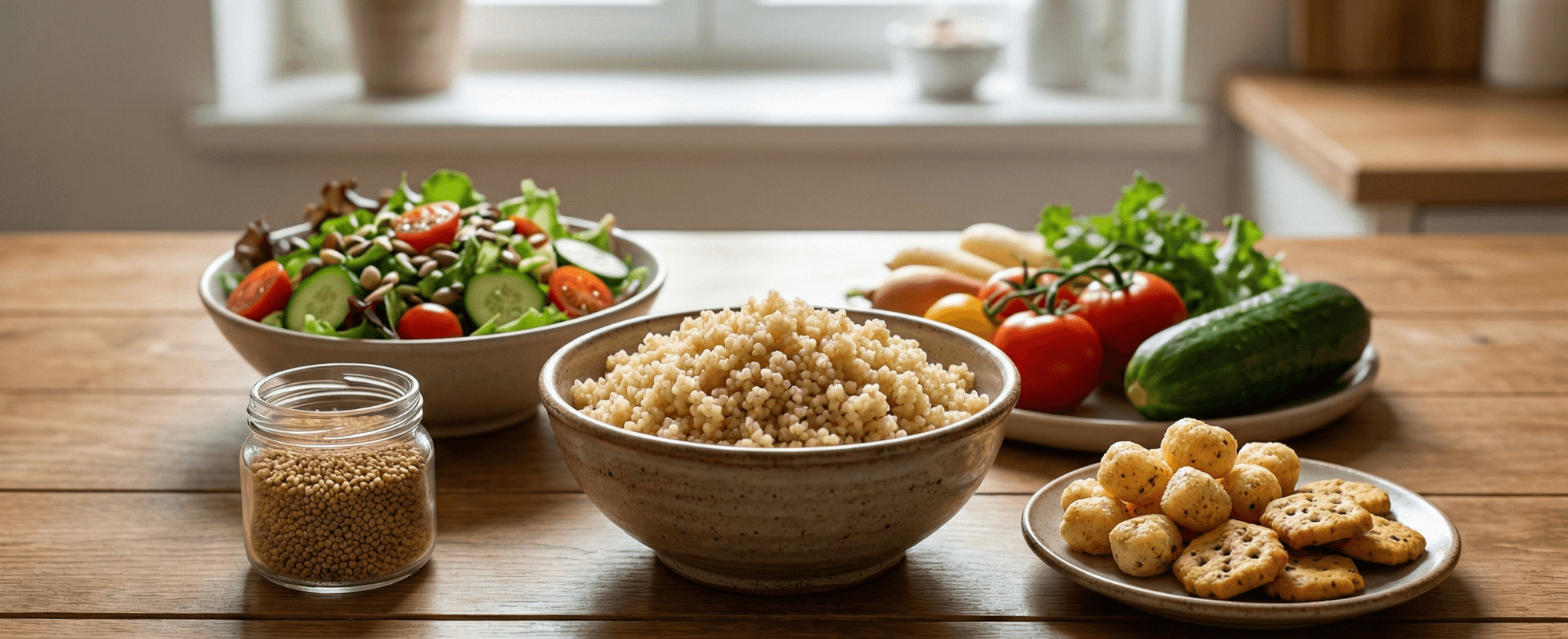
Traditional Indian millets, including foxtail millet (thinai), barnyard millet (kuthiraivali), kodo millet (varagu), and pearl millet (kambu), contain between 7 and 12 grams of dietary fiber per 100 grams, compared to less than 1 gram in polished white rice. This fiber feeds the diverse microbial populations in the gut that educate and regulate the immune system. Barnyard millet additionally provides 15.2 mg of iron per 100 grams, a critical cofactor for immune cell proliferation and antibody production. A diet anchored around daily millet consumption maintains the gut microbiome diversity that is foundational to immune competence. Browse Ulamart’s range of organic millets to find the complete traditional grain selection.
Health Mix: Multi-Grain Immune Nutrition in One Preparation
Ulamart’s traditional health mix (sathu maavu) combines 53 traditional ingredients including multiple millet varieties, traditional rice types, pulses, seeds, and nuts into a single preparation. This breadth of whole-food ingredients provides a wide spectrum of prebiotic fibers, immune-supporting micronutrients (zinc, iron, selenium, magnesium), and antioxidant compounds in a single daily serving. The diversity of plant-based inputs is directly correlated with microbiome diversity, and microbiome diversity is one of the strongest predictors of immune resilience in population studies.
Fermented Grain Preparations: Probiotic Immune Input
The daily fermented foods that are part of traditional South Indian eating, idli, dosa, and fermented rice kanji, provide direct probiotic input to the gut microbiome that supports immune regulation. Lactobacillus species present in fresh idli-dosa batter stimulate the production of secretory IgA, the primary antibody that coats the mucosal surfaces of the gut and respiratory tract and represents the body’s most important barrier against pathogen invasion at these entry points.
The practice of eating fresh fermented idli or dosa made from home-fermented batter, rather than commercially prepared batter that has been pasteurised (killing the live cultures), is a meaningful distinction for immune benefit. Fresh batter fermented overnight and consumed the same morning provides a genuine probiotic dose. Pasteurised commercial batter provides the convenience without the immune benefit.
Cold-Pressed Oils and Immune Function
Dietary fat quality significantly influences immune cell membrane function and the production of immune-signalling molecules called prostaglandins and leukotrienes. Cold-pressed oils with balanced omega-6 to omega-3 ratios support anti-inflammatory immune regulation, while highly omega-6-dominant refined oils shift immune responses toward a more inflammatory baseline. Ulamart’s cold-pressed oil collection provides traditionally extracted options including coconut, sesame, and groundnut oils whose fatty acid profiles support immune balance. Read more about the health differences between cold-pressed and refined oils in Ulamart’s cold-pressed oil guide.
Sesame Oil: Zinc and Immune Antioxidants
Cold-pressed sesame oil (nallenai) contains sesamin and sesamol, two lignans with documented immune-modulating properties. Sesamin has been shown to increase natural killer cell activity and enhance the antibody response to antigens. Sesame seeds are also one of the richer plant sources of zinc, with zinc deficiency being one of the most common nutritional contributors to impaired immunity globally. The traditional practice of consuming sesame seeds and sesame oil regularly in South Indian cooking provides consistent low-level zinc and lignan support for immune function. Shop cold-pressed sesame oil (nallenai) at Ulamart for your cooking needs.
What Weakens Immunity: Foods and Habits to Minimise
Building immunity through food is only half the equation. Understanding and reducing the dietary factors that consistently impair immune function provides the other half.
- High-glycaemic refined carbohydrates: Blood glucose spikes directly impair neutrophil function for several hours after a high-sugar meal. Replacing polished rice with traditional millets and unpolished rice varieties is a practical immune-protective swap
- Highly refined vegetable oils high in omega-6: Chronic dietary omega-6 excess shifts the immune system toward a pro-inflammatory baseline, impairing the resolution of infections and increasing autoimmune risk
- Ultra-processed foods with synthetic additives: Emulsifiers like carboxymethylcellulose and polysorbate 80 found in processed foods disrupt the gut mucus layer that protects the immune cells in gut-associated lymphoid tissue
- Excessive alcohol: Depletes zinc and vitamin A, two essential micronutrients for immune function, and directly impairs the production of immune cells in bone marrow
- Chronic undereating or protein deficiency: Immune cells, antibodies, and complement proteins are all made from amino acids. Inadequate protein intake is a direct cause of immune impairment, particularly in older adults
The Immunity-Building Meal Framework
The following framework uses traditional Indian foods to build consistent immune support across the day without requiring supplements or special preparations.
| Meal | Immune-Supportive Food | Key Immune Action |
| Morning | Neem honey + ginger + black pepper in warm water | Antimicrobial, antiviral, mucosal defense |
| Breakfast | Freshly fermented idli or millet dosa with sambar | Probiotic IgA support, gut-immune axis |
| Mid-morning | Cinnamon-ginger chai | Blood sugar stability, antiviral |
| Lunch | Millet rice + toor dal sambar with cumin tadka | Zinc, fiber, prebiotics, digestive immunity |
| Evening | Raw turmeric with black pepper in sesame oil | Curcumin delivery, NK cell support |
| Night | Golden milk (turmeric + pepper + honey in warm milk) | Anti-inflammatory, sleep immune repair support |
Special Seasonal Immunity Practices from the Indian Tradition
Monsoon Immunity Protocols
In traditional South Indian households, the monsoon season (June to September) was treated as a period of heightened immune vigilance. The humidity-driven increase in bacterial and fungal activity in food and the environment, combined with reduced sunlight and vitamin D synthesis, made dietary immune support particularly important. Traditional practices included increased consumption of fermented rice kanji (which concentrated probiotic and prebiotic input), daily rasam made with pepper and cumin (providing antimicrobial compounds to the gut), and the use of turmeric-infused sesame oil for cooking.
Karkidaka Kanji: The Ayurvedic Immunity Reset
Karkidaka kanji is a traditional Ayurvedic preparation consumed during the Malayalam month of Karkidakam (approximately mid-July to mid-August), the period considered most vulnerable to illness in traditional South Indian medical practice. It is made from Navara rice or Poongar rice cooked with a selection of medicinal herbs and spices including dried ginger, pepper, cumin, turmeric, and sometimes Ayurvedic rasayana herbs. The preparation is specifically designed to restore immune strength, gut health, and physical resilience after the wet season. This tradition is one of the most sophisticated food-based immunity protocols in Indian traditional medicine.
Post-Illness Recovery
After an acute infection, the immune system requires specific nutritional support to rebuild antibody reserves and replenish immune cell populations. Traditional Indian recovery foods, which emphasise easily digestible preparations like rice kanji with turmeric and pepper, light dal soups with cumin, and honey in warm water, address this recovery phase intuitively. They provide digestive rest (light, easy preparations) alongside immune-rebuilding nutrients (zinc from dal, curcumin from turmeric, antimicrobials from honey and spices) in a form the weakened digestive system can process effectively.
What Current Research Confirms
A comprehensive 2020 review published in Frontiers in Immunology examined the immunomodulatory effects of dietary polyphenols including curcumin, resveratrol, and quercetin, finding consistent evidence that polyphenol-rich diets support both innate and adaptive immune responses through NF-kB and MAPK signalling pathway modulation. The review specifically highlighted the additive and synergistic effects of multiple polyphenol sources consumed together, which reflects the functional logic of Indian spice combinations.
The Indian Council of Medical Research (ICMR) dietary guidelines for immunity and infection management acknowledge the documented immunomodulatory properties of turmeric, ginger, and honey and recommend their inclusion as part of a balanced traditional Indian diet during periods of heightened infection risk. The guidelines note that whole-food spice and honey sources are preferable to isolated supplements because the co-present compounds in whole foods provide synergistic effects that isolated extracts do not replicate.
The traditional Indian approach to immunity through food is not alternative medicine. It is whole-food nutritional medicine with a strong and growing evidence base. The challenge is not scientific validity but practical consistency: the benefits of these foods accumulate through daily use over weeks and months, not through occasional high-dose interventions.
Immunity Is Built Daily, Not in an Emergency
The most common mistake in thinking about immunity is treating it as something to address during an illness, a burst of vitamin C tablets, a sudden turn to honey and ginger after the first sneeze. By then, the work is already late. Immune strength is built and maintained through the steady, daily accumulation of the right inputs: the curcumin and piperine in this morning’s dal, the antimicrobial honey in last night’s warm water, the fermented batter from the idli, the prebiotic fiber from the millet pongal.
The Indian kitchen, properly stocked and properly used, is one of the most sophisticated immune-support systems ever assembled. The spices in your masala box are not just flavour. The honey on your shelf is not just a sweetener. The millets in your pantry are not just alternatives to rice. They are the daily medicine of a food culture that understood, long before immunology existed as a science, that the strongest defense is built from the inside out, one meal at a time.
Find Ulamart’s full range of organic spices, raw honey varieties, and traditional millets to build your complete daily immunity food practice with ingredients sourced directly from verified organic farms across South India.
Medical Disclaimer: This article is for general educational purposes only. The information presented does not constitute medical advice. Foods discussed here support general health and immunity as part of a balanced diet and should not be used as replacements for prescribed medical treatment, vaccinations, or professional medical care for diagnosed conditions.