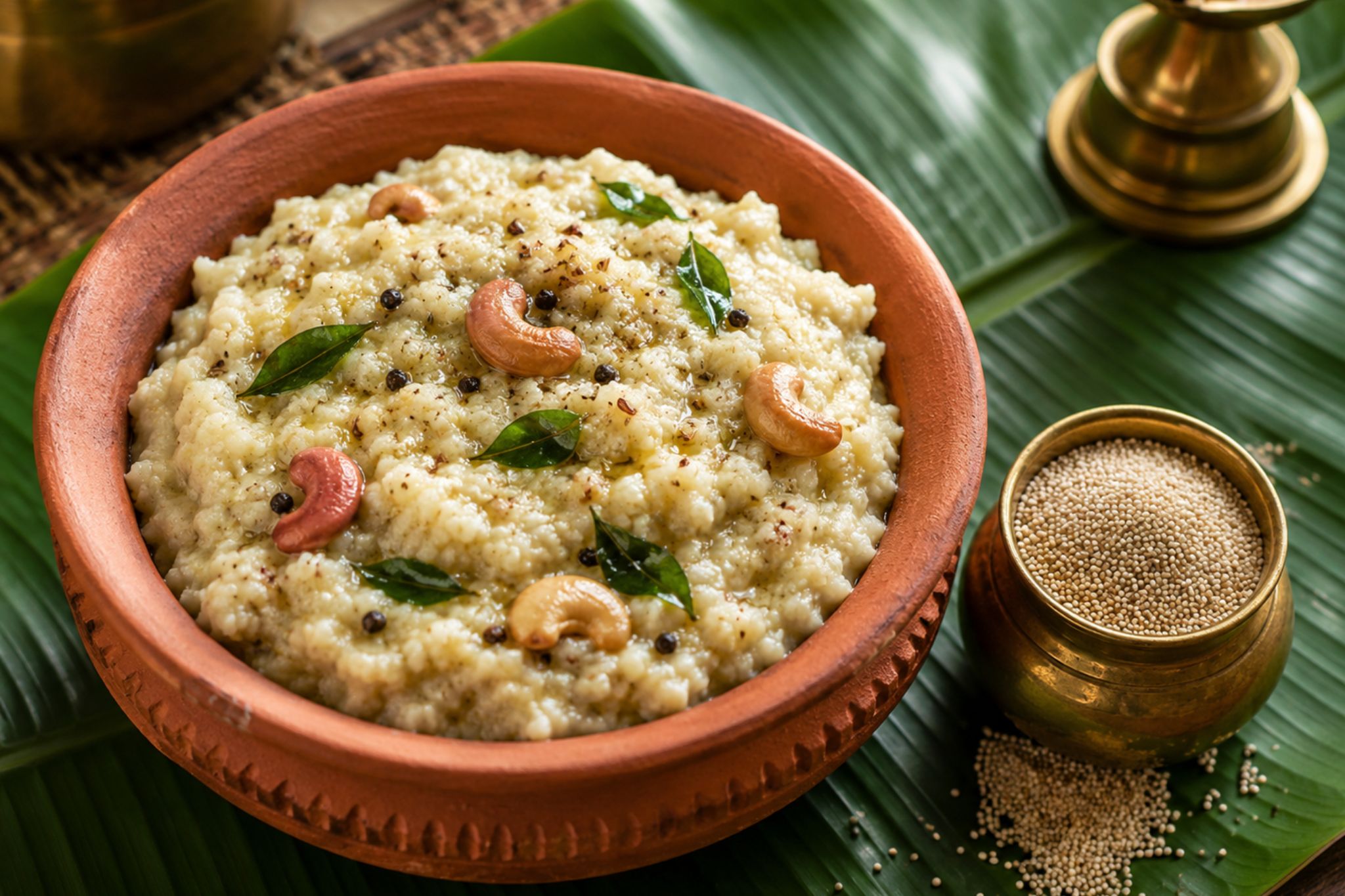
Among the traditional millets making a comeback in Indian kitchens, barnyard millet stands out for one simple reason. It has one of the lowest glycemic index values of any grain in the millet family, sitting around 40 to 50 depending on the source, which puts it well below rice, wheat, and even most other millets. In Tamil households it is known as Kuthiraivali, and it has traditionally been the go-to grain during fasting days because it is light on the stomach and digests slowly.
This article covers exactly two things, what makes barnyard millet genuinely beneficial, and the correct way to cook it so it turns out light and fluffy rather than sticky or undercooked.
What Makes Barnyard Millet Stand Out
Barnyard millet carries a notably high fibre content for a grain, often cited between 10 and 12.6 grams per 100 grams, with both soluble and insoluble fractions present. That combination matters because soluble fibre slows down how fast sugar enters the bloodstream, while insoluble fibre adds bulk that keeps digestion moving and helps you feel full for longer.
Protein content is also higher than most people expect from a grain, typically in the range of 10 to 11 grams per 100 grams. This is one reason barnyard millet has historically been recommended for people recovering from illness or looking for a lighter, easier to digest alternative to rice during periods of low appetite.
The low glycemic index is the headline feature though. A grain that releases glucose slowly into the bloodstream avoids the sharp insulin spike that follows a bowl of white rice, and steadier insulin levels are directly tied to better appetite control and fewer sugar cravings later in the day. This is why barnyard millet regularly shows up in meal plans built for people managing blood sugar or working on gradual, sustainable weight loss.
It is also naturally gluten free, low in fat, and lower in overall calorie density compared to polished rice, since it absorbs a large amount of water during cooking and expands significantly, similar to how kodo millet behaves once soaked and cooked.
Barnyard millet also carries a reasonable amount of iron and calcium, which is one reason it has historically been valued during fasting periods when meals tend to be smaller and less varied. A grain that delivers steady energy along with basic minerals in a light, easy to digest package covers more nutritional ground than an equivalent portion of plain rice would during those days.
People who are new to millets sometimes assume they are all interchangeable, but barnyard millet differs from the rest of the family in one key way, its cook time is noticeably shorter and its texture softer once done. This makes it a practical starting point if you have never cooked with millets before and want something closer to rice in both preparation time and final texture, without the harder bite that some other millets carry even after a long soak.
Barnyard Millet vs Rice: A Quick Look
| Grain | Glycemic Index (approx) | Fibre per 100g |
|---|---|---|
| Barnyard Millet | 40 to 50 | 10 to 12.6g |
| White Rice | 70 to 85 | 0.4g |
| Brown Rice | 50 to 55 | 3.5g |
The difference in fibre is the clearest signal here. Even against brown rice, which is generally considered the healthier rice option, barnyard millet still comes out ahead by a wide margin, and that gap is what drives most of its digestive and appetite related benefits.
How to Cook Barnyard Millet the Right Way
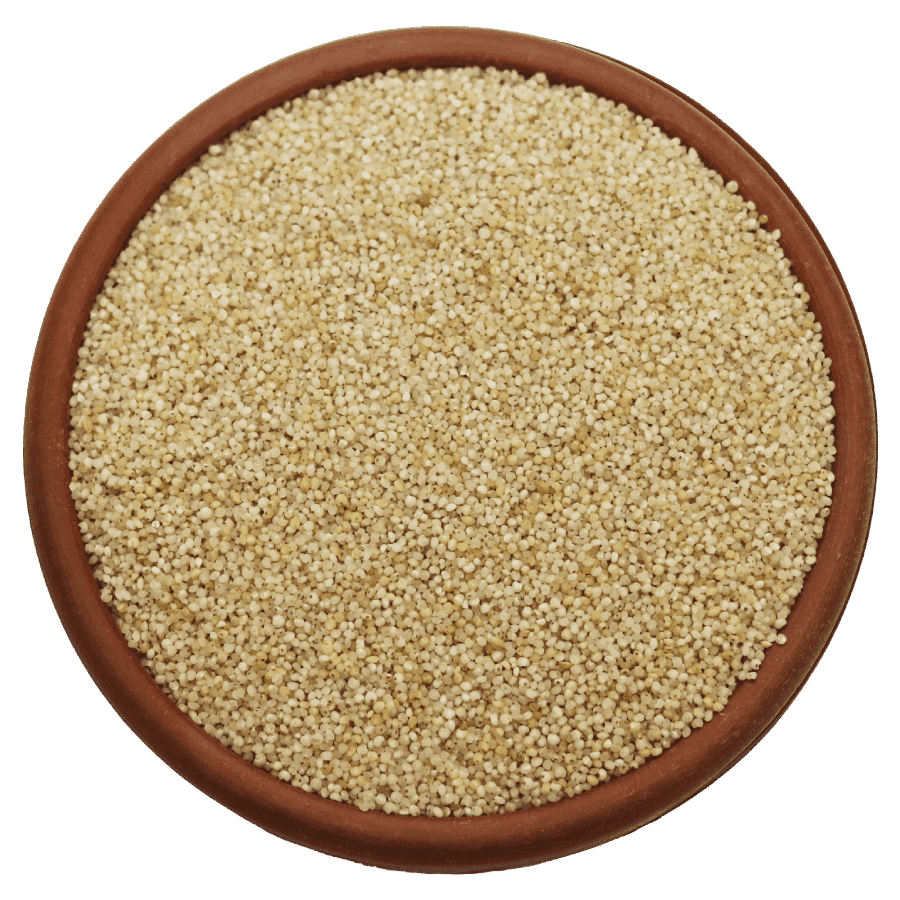
Barnyard millet cooks faster than most people assume, but it does need a short soak to soften properly and avoid a slightly raw, gritty bite in the middle of the grain.
Step 1: Rinse well. Wash the millet two to three times under running water. This removes fine dust and loose husk residue that tends to cling to small grains.
Step 2: Soak for 15 to 30 minutes. Unlike some larger millets that need hours of soaking, barnyard millet only needs a short soak because of its small grain size. Skipping this step entirely is still the most common reason people end up with undercooked, hard centres.
Step 3: Use a 1 to 2.5 water ratio. For a fluffy, rice-like texture, one part millet to two and a half parts water works well. For a softer porridge consistency, especially for fasting day meals, increase this to 1 to 3.
Step 4: Cook on low flame for 12 to 15 minutes. Bring the water to a boil first, then add the drained, soaked millet, cover, and reduce to a simmer. It cooks faster than kodo or foxtail millet, so keep an eye on it after the ten minute mark.
Step 5: Rest for 5 minutes before fluffing. Turning off the heat and letting the pot sit covered helps the grains firm up and separate cleanly with a fork, rather than clumping together.
In a pressure cooker, one whistle on medium flame after the soak is usually enough. Overcooking in a cooker is easy with this grain since it is smaller and softer than rice, so one whistle rather than two or three keeps the texture right.
Everyday Ways to Use It
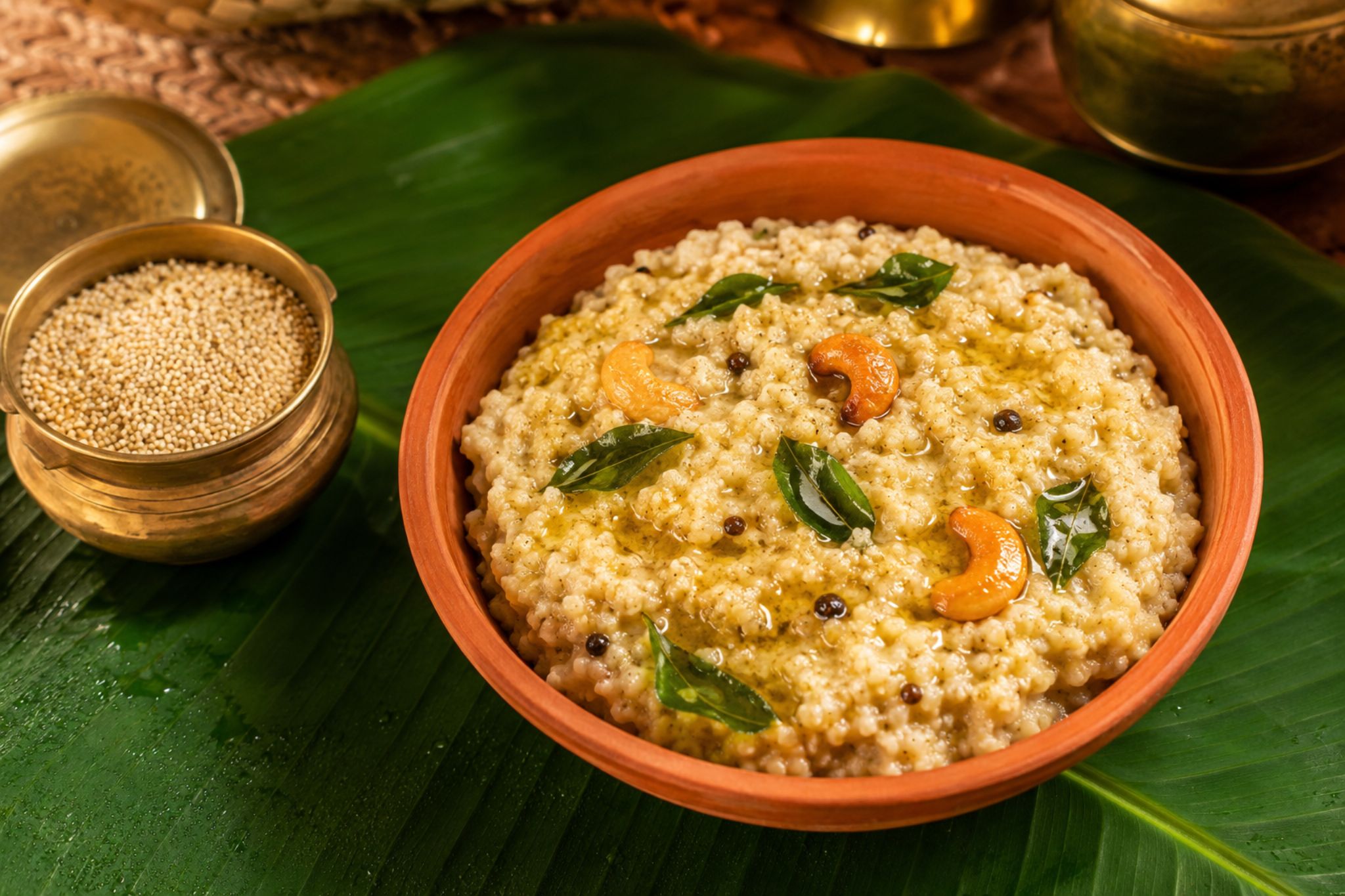
Barnyard millet works particularly well as a pongal or khichdi base, cooked together with moong dal, cumin, and a light tempering of ghee and pepper, since this is the traditional preparation used during fasting days across Tamil Nadu. It also holds up as an upma, following the same method as rava upma but swapping in the soaked millet.
For a lighter breakfast option, a thinner porridge cooked with milk and topped with a few soaked nuts makes a filling, low glycemic start to the day, particularly useful for anyone managing blood sugar in the morning hours when insulin sensitivity tends to be lower.
A cooked cup is a reasonable single serving when paired with a protein source such as dal, curd, or a boiled egg, along with a portion of vegetables. Pairing a low glycemic grain with protein and fibre from vegetables slows digestion further and stretches out satiety even more, which is the combination most useful for weight management goals.
Common Mistakes to Avoid
Over-soaking is a real risk with this particular millet, since its small size means it softens quickly. Leaving it to soak for several hours, the way you might with a larger grain like kodo millet, can make it mushy once cooked. Fifteen to thirty minutes is genuinely enough.
Using too much water is another frequent issue. Because barnyard millet expands well on its own, a 1 to 3 ratio meant for porridge consistency will turn a regular meal into an overly wet, sticky dish if you were aiming for separate, fluffy grains instead.
Storing cooked millet without proper cooling before refrigeration is also worth watching. Like most cooked grains, it should be cooled to room temperature within an hour and stored in an airtight container, where it keeps well for two to three days. Reheating with a small splash of water restores the original texture better than microwaving it dry.
A last point worth knowing, since barnyard millet has such a light, mild flavour and digests easily, it is genuinely well suited to be introduced gradually if your regular diet has been dominated by rice for years. Replacing one meal a few times a week, rather than switching entirely overnight, tends to be the easier adjustment, and it is one supported by research into millet based diets published in agricultural and nutrition journals studying its role for weight management and diabetic diets.
Cooking it in the same water you soaked it in is a small habit worth adopting too. That soak water carries some of the grain’s water soluble nutrients, and discarding it and starting fresh means losing part of the nutritional value you were counting on in the first place. Simply drain off any excess if the ratio needs adjusting, rather than tipping out all the soak water and refilling from the tap.
If you want to explore other low glycemic grains alongside this one, foxtail millet and ragi flour are both worth rotating into your weekly meals for variety.