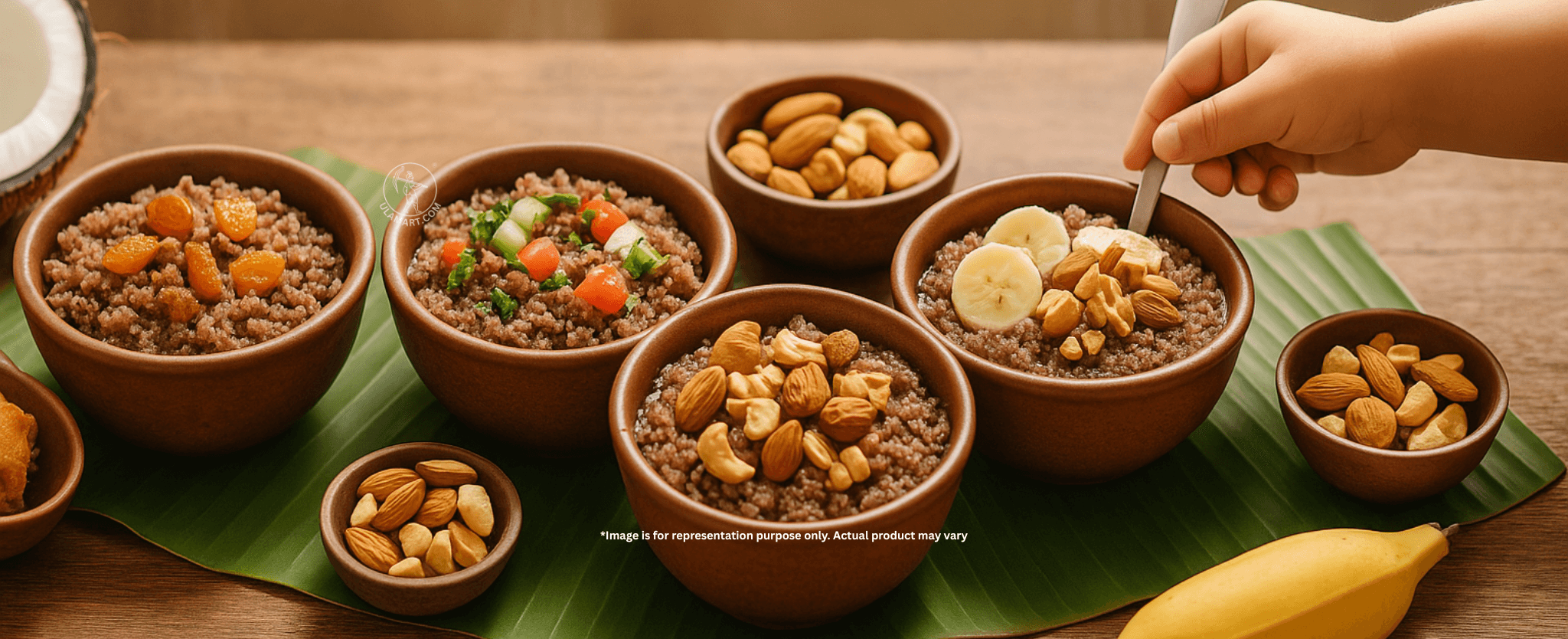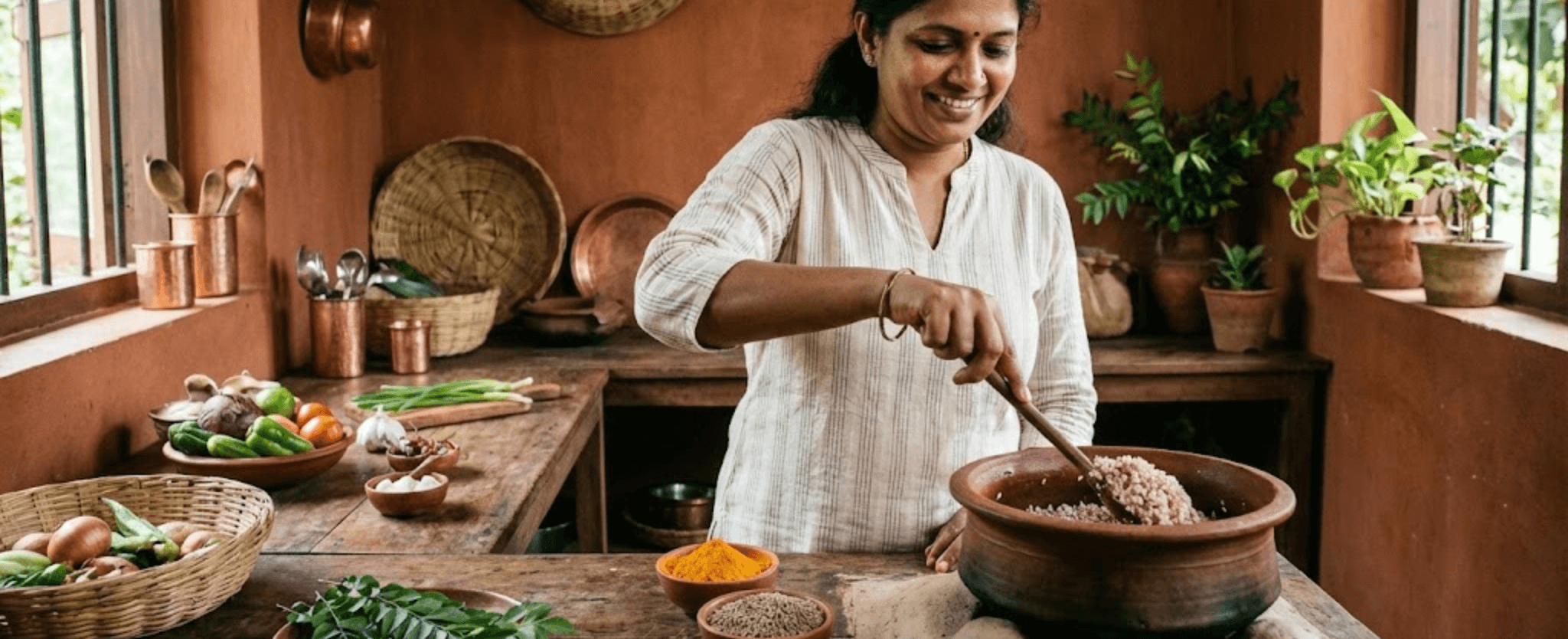
There is a beautiful tradition in many Tamil Nadu households where new mothers are given a special rice during their postpartum recovery. Grandmothers insist on it. Aunts travel from neighbouring villages to bring it. It is cooked with generous amounts of cow ghee, jaggery, and love. That rice is Poongar.
For centuries, Poongar rice has held a special place in South Indian culture, specifically for women’s health. It was prescribed by traditional healers for everything from PCOS and irregular periods to postpartum recovery and menopause. Long before hormonal therapy and synthetic supplements, women were nourishing their bodies with this ancient grain.
Today, as more women deal with hormonal imbalances, reproductive health challenges, and the relentless demands of modern life, Poongar rice is making a powerful comeback. And modern nutritional science is finally beginning to explain why our ancestors were right about this grain all along.
What is Poongar Rice?
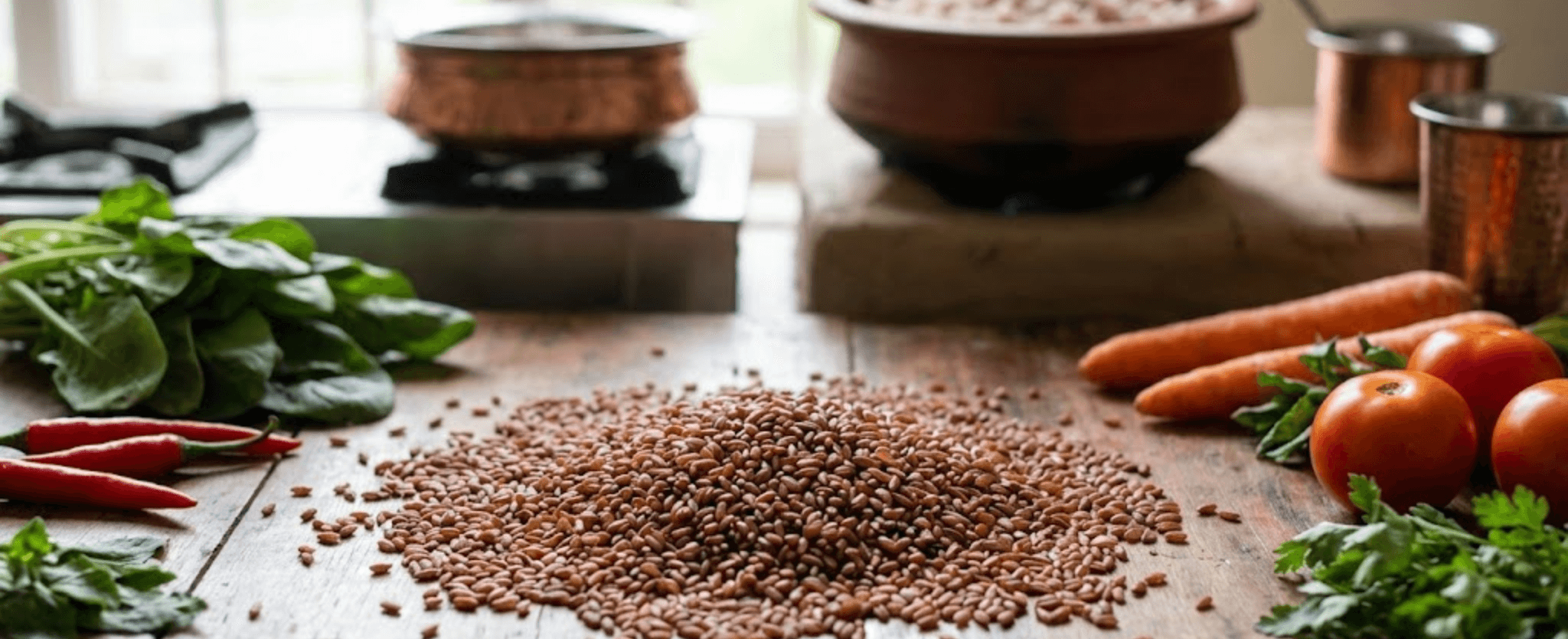
Poongar is an ancient traditional rice variety native to Tamil Nadu. The grain has a distinctive reddish-pink hue with a subtle sweetness that sets it apart from other rice varieties. The name itself is believed to derive from “poon” meaning flower in Tamil, a reference to the grain’s delicate pink-golden color.
This rice has been cultivated in South India for over 2,000 years. It thrives in the fertile plains of Tamil Nadu, particularly in the Cauvery delta region, where traditional farming families have passed down cultivation knowledge through generations.
Unlike hybrid commercial rice, Poongar is grown organically using traditional methods with no chemical fertilizers or pesticides. The grain is typically hand-pounded to preserve its nutritious outer bran layer, keeping all its nutritional goodness intact.
You can explore our organic Poongar raw rice (hand-pounded) and organic Poongar boiled hand-pounded rice varieties, both carefully sourced from traditional farmers who still grow this precious grain using time-honored methods.

Nutritional Profile: Why Poongar is Special
Before we dive into the specific women’s health benefits, let’s understand what makes Poongar rice nutritionally exceptional.
Poongar Rice Nutritional Comparison (Per 100g)
| Nutrient | Poongar Rice | White Rice | Brown Rice |
| Protein | 8.5g | 2.7g | 7.9g |
| Fiber | 5.2g | 0.4g | 2.8g |
| Iron | 3.8mg | 0.2mg | 1.8mg |
| Calcium | 28mg | 10mg | 23mg |
| Zinc | 2.1mg | 0.5mg | 1.4mg |
| Vitamin B Complex | High | Trace | Moderate |
| Anthocyanins | Moderate | None | None |
| Glycemic Index | 41-46 | 70-90 | 50-55 |
| Resistant Starch | High | Low | Moderate |
Key Highlights:
- Nearly 19 times more iron than white rice (crucial for women)
- 13 times more fiber supporting hormonal balance
- One of the lowest glycemic indices among rice varieties
- Rich in anthocyanins with powerful antioxidant effects
- High zinc content essential for reproductive health
Why Poongar Rice is Called “Women’s Rice”
The nickname didn’t come from marketing. It came from generations of lived experience. Here’s the science behind why Poongar rice specifically benefits women’s health:
1. Hormonal Balance Support
One of Poongar rice’s most celebrated benefits is its ability to support hormonal balance in women. The grain contains phytoestrogens, plant-based compounds that have a mild estrogen-like effect in the body.
This matters enormously for women because:
Estrogen Fluctuations: Throughout a woman’s life, from puberty through menopause, estrogen levels constantly fluctuate. Phytoestrogens can help modulate these fluctuations, reducing the intensity of both highs and lows.
PCOS Management: Women with Polycystic Ovary Syndrome (PCOS) often have hormonal imbalances, particularly elevated androgens. Phytoestrogens from foods like Poongar rice may help restore balance naturally.
Menopause Support: As estrogen levels decline during menopause, phytoestrogens can partially compensate, reducing the severity of hot flashes, mood swings, and other menopausal symptoms.
2. Iron Content for Menstrual Health
Women lose significant iron through monthly menstruation. Iron deficiency is the most common nutritional deficiency among women worldwide, and its symptoms (fatigue, weakness, poor concentration, pale skin) are often dismissed as “just being tired.”
Poongar rice contains 3.8mg of iron per 100g, nearly 19 times more than white rice. For women who eat rice daily, making the switch to Poongar can meaningfully improve iron intake.
The difference it makes:
- Reduced fatigue and improved energy levels
- Better cognitive function and concentration
- Healthier skin, hair, and nails
- Stronger immunity
- Support for healthy blood production
Pair Poongar rice with sesame oil for cooking, as sesame is also a good source of iron, further boosting your daily intake.
3. Postpartum Recovery
In traditional South Indian culture, new mothers follow a strict postpartum diet (pathiya samayal) designed to restore their bodies after childbirth. Poongar rice is a cornerstone of this diet, and there are excellent reasons why.
Blood replenishment: Childbirth involves significant blood loss. The high iron content of Poongar helps restore healthy hemoglobin levels.
Digestive ease: New mothers often experience digestive sensitivity. Poongar rice is easy to digest while still being nutritionally dense.
Lactation support: Traditional wisdom suggests Poongar rice supports healthy milk production in nursing mothers. Its rich nutritional profile provides the nutrients needed for both mother and baby.
Energy restoration: The complex carbohydrates in Poongar provide steady, sustained energy, crucial for new mothers who are sleep-deprived and physically recovering.
Uterine recovery: The phytoestrogens and mineral content are believed to support uterine healing and recovery after delivery.
Cook organic Poongar boiled hand-pounded rice with cow ghee and jaggery from our country sugar range for the traditional postpartum preparation.
4. PCOS and Irregular Periods
PCOS affects approximately 1 in 5 Indian women, making it one of the most common hormonal disorders. Diet plays a significant role in managing PCOS symptoms, and Poongar rice offers several advantages:
Low Glycemic Index (41-46): PCOS is closely linked to insulin resistance. High-GI foods cause rapid blood sugar spikes that worsen insulin resistance and hormonal imbalance. Poongar’s low GI keeps blood sugar stable, helping manage the insulin-PCOS cycle.
High Fiber: Fiber helps regulate blood sugar, reduce inflammation, and support gut health, all factors that influence PCOS management.
Zinc Content: Zinc deficiency is common in women with PCOS. Poongar’s zinc content supports insulin regulation and may help reduce androgen levels.
Anti-inflammatory Properties: The antioxidants in Poongar rice help reduce the chronic low-grade inflammation associated with PCOS.
Many women with PCOS report improvements in cycle regularity and symptom severity when they switch their staple grain to traditional varieties like Poongar.
5. Bone Health for Women
Women are significantly more vulnerable to osteoporosis than men, particularly after menopause when estrogen levels drop. Building and maintaining bone density throughout life is crucial.
Poongar rice contributes to bone health through:
- Calcium (28mg per 100g): Supports bone mineral density
- Phosphorus: Works with calcium for strong bones
- Magnesium: Essential for calcium absorption and bone formation
- Zinc: Supports bone-forming cells (osteoblasts)
Pair Poongar rice with calcium-rich foods and our sesame oil (sesame seeds are exceptionally high in calcium) for a bone-friendly meal.
6. Thyroid Health Support
Thyroid disorders are significantly more common in women than men. Hypothyroidism and hyperthyroidism both affect millions of Indian women, often going undiagnosed for years.
Poongar rice provides several nutrients important for thyroid function:
- Zinc: Essential for thyroid hormone production
- Selenium: (present in small amounts) Crucial for converting T4 to the active T3 thyroid hormone
- Iron: Required for thyroid peroxidase, an enzyme essential for thyroid hormone synthesis
Important Note: Women with existing thyroid conditions should consult their doctor before making dietary changes, as some traditional foods can affect thyroid medication absorption.
7. Skin and Hair Health
The connection between hormonal balance and skin/hair health is well-established. Hormonal imbalances cause acne, excessive hair fall, premature greying, and dull skin in many women.
Poongar rice supports skin and hair health through:
B Vitamins: Support healthy skin cell regeneration and hair follicle function.
Iron: Iron deficiency is one of the leading causes of hair loss in women. Adequate iron from Poongar rice helps maintain healthy hair growth.
Antioxidants (Anthocyanins): Fight oxidative stress that causes premature aging and dull skin.
Zinc: Regulates sebum production, helping manage acne while supporting hair health.
8. Digestive Health and Gut-Hormone Connection
There’s a fascinating and increasingly recognized connection between gut health and hormonal balance, sometimes called the “gut-hormone axis.” Your gut bacteria actually help metabolize and regulate estrogen levels in the body.
Poongar rice supports this gut-hormone connection through:
High Resistant Starch: Acts as a prebiotic, feeding beneficial gut bacteria that support estrogen metabolism.
Dietary Fiber: Promotes regular bowel movements, which helps eliminate excess estrogen from the body. When constipated, estrogen can be reabsorbed from the digestive tract, worsening hormonal imbalance.
Easy Digestibility: Despite being nutrient-dense, Poongar is gentle on the digestive system.
How to Cook Poongar Rice
Poongar rice is simple to cook but has slightly different characteristics from regular white rice.
Basic Cooking Method
Ratio: 1 cup Poongar rice to 2.5 cups water
Steps:
- Rinse: Wash rice 2-3 times until water becomes clearer
- Soak (Optional): Soak for 30 minutes to reduce cooking time
- Boil: Bring water to boil, add rice
- Simmer: Reduce to low heat, cover, cook for 25-30 minutes
- Rest: Turn off heat, rest covered for 10 minutes
- Serve: Fluff gently with fork
Pressure Cooker: Use 1:2 ratio, cook for 3 whistles on medium heat, natural release.
Pro Cooking Tips
For postpartum preparation: Cook with a teaspoon of cow ghee and a small piece of jaggery stirred in at the end. This is the traditional way and enhances the nutritional benefits.
For everyday cooking: Use as a direct rice replacement with your regular curries, sambhar, and rasam.
For weight management: Cook with less water for separate, firmer grains. Eat with plenty of vegetables and some protein.
Flavor enhancement: The natural mild sweetness of Poongar means it needs minimal seasoning. Let the grain’s natural flavor shine.
Easy Poongar Rice Recipes
Traditional Poongar Pongal (Sweet)
This is the classic postpartum preparation, rich and nourishing:
- Cook 1 cup Poongar rice until very soft
- Add 3 tablespoons grated jaggery from our country sugar range
- Mix in 2 tablespoons cow ghee
- Add cardamom powder and cashews
- Serve warm as a nutritious sweet porridge
Poongar Rice with Sesame Gravy
A traditional South Indian combination that maximizes iron absorption:
- Cook Poongar rice
- Make sesame gravy: roast sesame seeds, grind with spices, cook in sesame oil
- Serve together for maximum iron and calcium benefit
- Use cold-pressed sesame oil for authentic flavor
Poongar Kanji (Rice Porridge)
Perfect for postpartum mothers or anyone needing easy digestion:
- Cook Poongar rice in excess water until very soft
- Add a pinch of rock salt from our non-iodized salt range
- Drizzle with sesame oil
- Serve warm, can add buttermilk on the side
Everyday Poongar Rice Bowl
For daily balanced nutrition:
- Cooked Poongar rice as base
- Top with your choice of dal (try our unpolished toor dal or green gram moong)
- Add seasonal vegetables
- Drizzle sesame oil or groundnut oil
- Serve with a small portion of pickle
Poongar Rice vs Other Traditional Rice Varieties
How does Poongar compare to other heritage rice varieties when it comes to women’s health?
| Rice Variety | Best For Women | Glycemic Index | Iron Content | Special Benefit |
| Poongar | Overall women’s health, PCOS | 41-46 (Very Low) | 3.8mg (High) | Phytoestrogens |
| Black Rice (Karuppu Kavuni) | Antioxidant protection | 42-45 (Very Low) | 3.5mg | Anthocyanins |
| Mappillai Samba | Energy, Anemia | 50-54 (Low) | 3.2mg | High Iron |
| Navara Rice | Postpartum, Ayurvedic | 43-48 (Low) | 2.8mg | Medicinal properties |
| Kattuyanam | Diabetes, Weight | 48-52 (Low) | 2.5mg | Resistant starch |
Each variety has its strengths. Poongar stands out specifically for hormonal health and its combination of phytoestrogens, iron, and low GI.
You can also explore our complete traditional rice collection to find the best variety for your needs.
Who Should Eat Poongar Rice?
Highly Recommended For:
Women with PCOS: The low GI, phytoestrogens, and zinc combination makes it ideal for managing PCOS naturally.
Pregnant Women: Rich in iron, calcium, and B vitamins needed during pregnancy. Consult your doctor about dietary additions.
Postpartum Mothers: Traditional wisdom supported by modern nutrition for recovery and lactation.
Women in Menopause: Phytoestrogens may help moderate symptoms naturally.
Women with Irregular Periods: Hormonal balancing properties may help regulate cycles over time.
Iron-Deficient Women: Significantly higher iron than white rice.
Health-Conscious Women of All Ages: As a preventive grain that supports long-term hormonal health.
Also Beneficial For:
Men: While called “women’s rice,” Poongar is excellent for everyone. The low GI, high fiber, and iron content benefit all people regardless of gender.
Diabetics: One of the lowest glycemic index rice varieties available.
Weight Management: High fiber and satiety make it ideal for managing weight.
Elderly: Supports bone health, digestion, and provides steady energy.
Children: Rich in iron and minerals important for growth and development.
Buying Guide: What to Look For
Authentic Poongar Rice Indicators
Color: Should have a characteristic pinkish-reddish hue. Not pure white and not too dark.
Grain shape: Medium-sized, slightly rounder than regular rice varieties.
Aroma: A mild, pleasant, slightly earthy scent. Fresh smell indicates recent harvest.
Processing: Look for hand-pounded varieties which retain the nutritious bran layer. Avoid over-milled white versions that lose all nutritional value.
Certification: FSSAI approved, organic certification preferred to ensure no pesticides.
Source: Buy from trusted suppliers who can verify the rice is authentic Poongar and not a substitute variety.
At Ulamart, we offer two authentic options:
- Poongar Raw Rice (Hand-Pounded) for maximum nutrition
- Organic Poongar Boiled Hand-Pounded Rice for easier digestion
- Organic Poongar Rice Flour for baking and porridges
Storage Tips
- Store in airtight container in cool, dry place
- Keeps well for 6-9 months properly stored
- Refrigeration extends shelf life
- Protect from moisture and pests
- Hand-pounded varieties have a shorter shelf life than heavily milled rice due to retained bran
Common Questions About Poongar Rice
Can I eat Poongar rice every day? Yes, absolutely. Many traditional South Indian families have eaten it daily for generations. It makes an excellent everyday rice for women in particular.
How quickly will I see hormonal benefits? Diet changes take time. Most women report noticing improvements in energy and digestion within 2-4 weeks. Hormonal changes and cycle improvements may take 2-3 months of consistent consumption.
Can women with diabetes eat Poongar rice? Yes, its very low GI (41-46) makes it one of the best rice choices for diabetics. However, consult your doctor about appropriate portion sizes.
Is Poongar rice suitable during pregnancy? The nutritional profile is excellent for pregnancy. Always consult your healthcare provider before making significant dietary changes during pregnancy.
Does Poongar rice taste very different from regular rice? It has a mild, slightly sweet, earthy flavor that most people find pleasant. The texture is slightly chewier than white rice. Most people adjust within a week.
Can I use Poongar rice flour for making dosas and idlis? Yes! Our organic Poongar rice flour is perfect for making nutritious dosas, idlis, and porridges.
Complementary Foods to Boost Women’s Health
Maximize Poongar rice’s benefits by pairing it with these foods:
For Iron Absorption:
- Add Vitamin C-rich foods (amla, tomatoes, lemon juice) to your Poongar rice meals. Vitamin C significantly enhances iron absorption.
- Cook in sesame oil which also contains iron.
- Avoid coffee or tea immediately after meals (tannins reduce iron absorption).
For Hormonal Balance:
- Pair with foxtail millet or ragi (finger millet) on alternate days for diverse nutrients.
- Add flax seeds to your diet, another excellent source of phytoestrogens.
- Include fenugreek (methi) in cooking, traditionally used for hormonal support.
For Complete Nutrition:
- Pair with green gram moong or unpolished toor dal for protein.
- Use cold-pressed groundnut oil or sesame oil for cooking.
- Add turmeric powder to your Poongar rice dishes for anti-inflammatory benefits.
Final Thoughts: Honoring Ancestral Wisdom
The story of Poongar rice is the story of women caring for women across generations. Grandmothers prescribing it to new mothers. Healers recommending it for hormonal health. Families growing it specifically for the women in their household.
This wasn’t superstition. It was lived, observed, and accumulated wisdom passed down because it worked.
Modern nutrition science is now confirming what these women knew intuitively. Phytoestrogens, low glycemic index, high iron, zinc, fiber, and antioxidants together create a grain that genuinely supports women’s unique nutritional needs.
In a world full of synthetic hormones, expensive supplements, and complicated medical interventions, there’s something powerfully reassuring about a grain of rice that has been quietly supporting women’s health for over 2,000 years.
You don’t need to overhaul your entire diet. Simply swapping your daily rice for Poongar is a meaningful, sustainable step toward better hormonal health. Start with one meal a day. Let the grain do what it has always done.
Your grandmothers were right. And now you know why.
Ready to try Poongar rice? Explore our authentic, organically grown Poongar rice varieties:
Or explore our complete traditional rice collection to discover more heritage varieties that support your health.
Medical Disclaimer: This article is for informational purposes only and does not constitute medical advice. While Poongar rice offers many health benefits, it is not a treatment or cure for any medical condition including PCOS, hormonal imbalance, or any reproductive health condition. Always consult your healthcare provider before making significant dietary changes, especially if pregnant, nursing, or managing existing health conditions.
SEO Meta Information
- SEO Friendly Title: Poongar Rice Benefits for Women: PCOS, Hormonal Balance and Postpartum Recovery
- SEO Friendly URL: /poongar-rice-benefits-women-health-hormonal-balance
- Meta Description: Discover why Poongar rice is called women’s miracle rice. Learn how this ancient South Indian grain supports hormonal balance, PCOS management, postpartum recovery, and overall women’s health. Shop organic Poongar rice at Ulamart.