When a doctor tells you that you have diabetes or pre-diabetes, one of the first things they say is, “You need to cut down on rice.” For many Indians, this feels like being told to stop breathing. Rice isn’t just food in our culture – it’s the foundation of every meal, the comfort we crave, the tradition we grew up with.
But here’s what most doctors don’t tell you: you don’t have to give up rice completely. You just need to choose the right rice.
Enter Kattuyanam rice, an ancient variety from Tamil Nadu that’s been quietly helping diabetics and weight watchers enjoy rice again without guilt. With one of the lowest glycemic indices among all rice varieties, high fiber content, and exceptional resistant starch, Kattuyanam rice is what white rice wishes it could be.
This isn’t a modern hybrid created in a lab. Kattuyanam has been cultivated in South India for centuries, valued specifically for its health properties. Our ancestors knew it was special. Now science is explaining why.
If you’ve been avoiding rice because of blood sugar or weight concerns, Kattuyanam rice might just change your life. Let’s explore why.
What is Kattuyanam Rice?
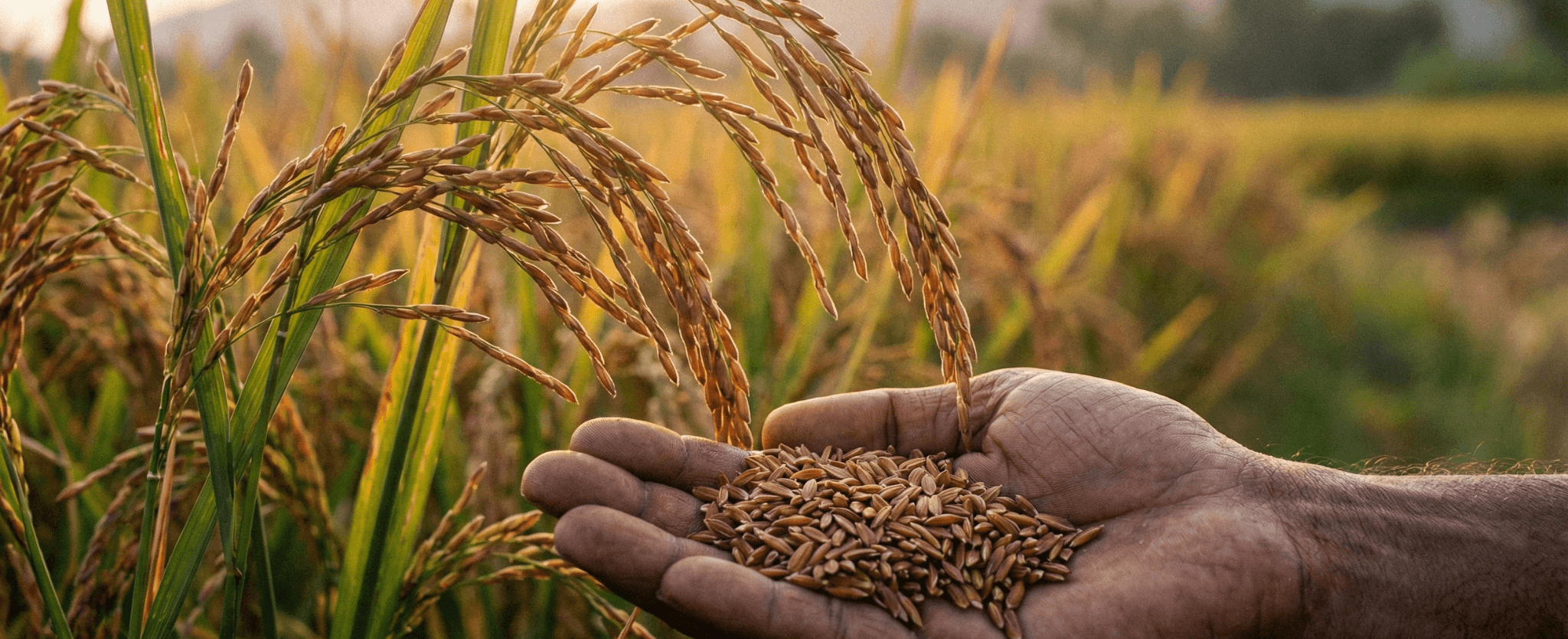
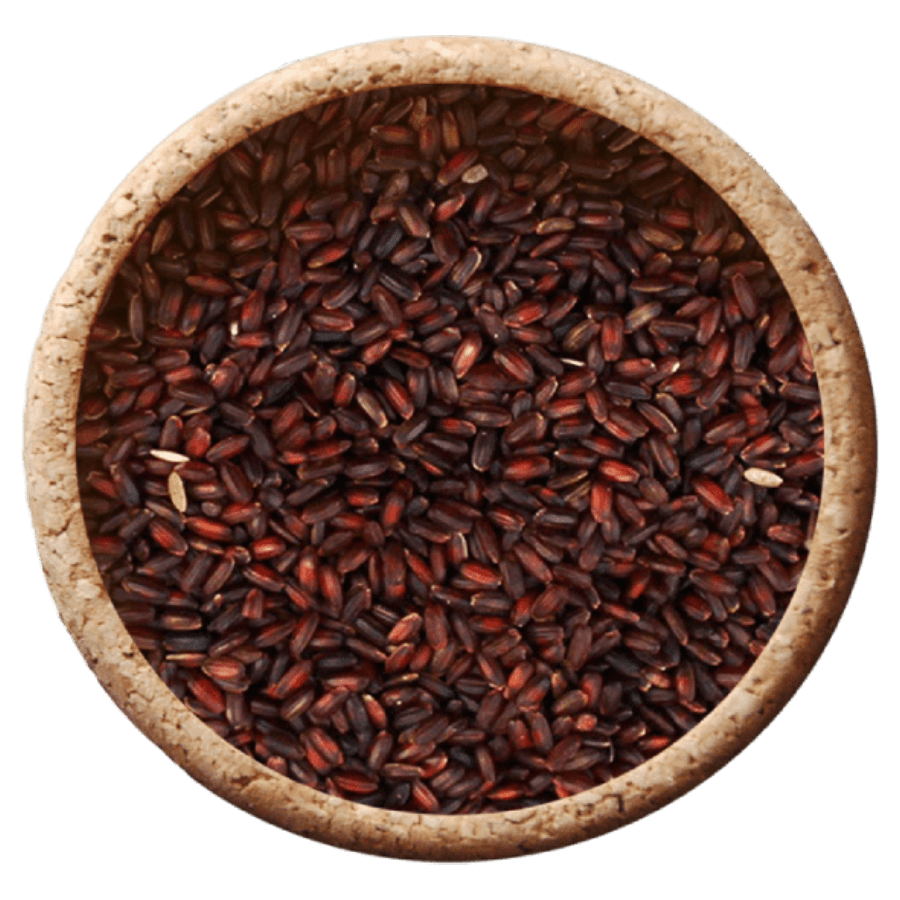
Kattuyanam (also spelled Kattuyaanam or Kattu Yanam) is a traditional rice variety indigenous to Tamil Nadu. The name roughly translates to “wild rice” or “forest rice,” referring to its origin as a variety that could thrive in challenging, less fertile conditions.
Key Characteristics:
- Medium to short grain
- Slightly reddish-brown when unpolished
- Distinct earthy aroma
- Slightly chewy texture
- Takes a bit longer to cook than white rice
- Fills you up with smaller portions
Unlike most commercial rice varieties bred for high yield and quick cooking, Kattuyanam was selected over generations for its health properties and adaptability. Farmers noticed that people who ate Kattuyanam rice regularly had more stable energy and better health.
At Ulamart, we offer authentic Kattuyanam organic unpolished rice (parboiled), sourced directly from traditional farmers in Tamil Nadu who still grow this precious variety using organic methods.

Nutritional Profile: What Makes Kattuyanam Special?
Let’s look at the numbers and understand what sets Kattuyanam apart.
Kattuyanam Rice Nutritional Comparison (Per 100g Cooked)
| Nutrient | Kattuyanam Rice | White Rice | Brown Rice | Red Rice |
| Calories | 130 kcal | 130 kcal | 123 kcal | 125 kcal |
| Carbohydrates | 28g | 28g | 26g | 27g |
| Fiber | 2.8g | 0.4g | 1.8g | 2.2g |
| Protein | 2.8g | 2.7g | 2.6g | 2.7g |
| Glycemic Index | 48-52 | 70-90 | 50-55 | 55-58 |
| Resistant Starch | High | Low | Moderate | Moderate |
| Iron | 1.2mg | 0.2mg | 0.8mg | 1.0mg |
| Magnesium | 44mg | 12mg | 43mg | 40mg |
Key Highlights:
- Glycemic Index 48-52: Among the lowest of all rice varieties
- 7 times more fiber than white rice
- High resistant starch: Acts more like fiber than carbohydrate
- 6 times more iron than white rice
- Similar calories to other rice but much more filling
The combination of low GI, high fiber, and resistant starch makes Kattuyanam uniquely suited for blood sugar management and weight loss.
Why Kattuyanam Rice is Perfect for Diabetics
This is where Kattuyanam rice truly shines. Let’s understand why it’s one of the best rice choices for diabetes management.
1. Exceptionally Low Glycemic Index (48-52)
The glycemic index (GI) measures how quickly a food raises blood sugar. The lower the GI, the better for diabetics.
Kattuyanam GI: 48-52 (Low) White rice GI: 70-90 (High) Brown rice GI: 50-55 (Low-Medium)
This massive difference means:
- Blood sugar rises slowly and steadily, not in a dangerous spike
- Insulin response is moderate and manageable
- Less stress on your pancreas
- Reduced risk of post-meal hyperglycemia
- Better long-term blood sugar control (HbA1c)
Many diabetics report being able to eat a normal portion of Kattuyanam rice without the blood sugar spike they’d get from white rice.
2. High Resistant Starch Content
This is Kattuyanam’s secret weapon against diabetes.
Resistant starch is a type of carbohydrate that “resists” digestion in the small intestine. Instead, it travels to the large intestine where it feeds beneficial gut bacteria and acts more like fiber than starch.
Benefits of resistant starch:
- Doesn’t raise blood sugar despite being a carbohydrate
- Improves insulin sensitivity over time
- Reduces insulin demand on your pancreas
- Supports healthy gut bacteria that regulate metabolism
- Creates short-chain fatty acids that improve metabolic health
The parboiled processing of Kattuyanam rice actually increases its resistant starch content, making it even better for diabetics. Our Kattuyanam organic unpolished rice (parboiled) retains maximum resistant starch.
3. High Fiber Slows Glucose Absorption
With 2.8g of fiber per 100g (7 times more than white rice), Kattuyanam rice creates a protective effect.
How fiber helps diabetics:
- Slows the breakdown of carbohydrates to glucose
- Delays glucose absorption into bloodstream
- Smooths out the blood sugar curve
- Reduces the glycemic load of the entire meal
- Improves satiety, preventing overeating
The fiber in Kattuyanam rice is primarily insoluble fiber from the bran layer (retained because it’s unpolished), which is especially effective at moderating blood sugar.
4. Magnesium Improves Insulin Function
Kattuyanam rice contains 44mg of magnesium per 100g (nearly 4 times more than white rice).
Magnesium is crucial for diabetes management:
- Required for proper insulin secretion
- Improves insulin sensitivity in cells
- Deficiency is common in diabetics and worsens control
- Supplementing magnesium improves blood sugar in studies
Getting magnesium from food (like Kattuyanam rice) is better than supplements because it’s naturally balanced with other minerals.
5. Prevents Blood Sugar Crashes
Low-GI foods like Kattuyanam don’t just prevent spikes – they also prevent the crashes that follow.
The spike-crash cycle with white rice:
- Eat white rice → blood sugar spikes high
- Pancreas releases lots of insulin
- Blood sugar drops quickly (sometimes too low)
- You feel tired, hungry, irritable
- Crave more carbs to feel better
- Cycle repeats
With Kattuyanam rice:
- Eat Kattuyanam → blood sugar rises gradually
- Moderate insulin response
- Blood sugar stays stable for hours
- Sustained energy, no crashes
- Don’t feel hungry soon after eating
This stability is crucial for diabetics who need to avoid both highs and lows.
Why Kattuyanam Rice Supports Weight Loss
Beyond diabetes, Kattuyanam rice is exceptional for weight management. Here’s why it works.
1. High Satiety (You Feel Full Longer)
The combination of fiber, protein, and resistant starch makes Kattuyanam incredibly filling.
What this means practically:
- Smaller portions satisfy you
- Don’t feel hungry 2 hours after eating
- Reduced snacking between meals
- Lower overall calorie intake naturally
- No feeling of deprivation
Many people find they eat 30-40% less Kattuyanam rice than white rice and feel equally satisfied. That’s significant calorie reduction without hunger.
2. Resistant Starch Reduces Calorie Absorption
Here’s something fascinating: not all the carbohydrates in Kattuyanam rice actually get absorbed as calories.
The resistant starch passes through your small intestine undigested. While the official calorie count shows similar numbers to white rice, the effective calories you absorb are lower because some of the starch isn’t digested into glucose.
This means you can eat a measured portion and absorb fewer calories than the label suggests.
3. Stable Blood Sugar Prevents Fat Storage
When blood sugar spikes (as with white rice), your body releases insulin to bring it down. High insulin levels signal your body to:
- Stop burning fat for energy
- Start storing excess glucose as fat
- Particularly store fat around the abdomen
With Kattuyanam’s low GI and stable blood sugar response:
- Insulin levels stay moderate
- Your body can continue burning fat
- Less fat storage, especially belly fat
- Better overall fat metabolism
This is why low-GI diets are effective for weight loss, particularly for reducing visceral (belly) fat.
4. Improves Metabolism
The resistant starch in Kattuyanam rice feeds beneficial gut bacteria, which produce short-chain fatty acids (SCFAs).
SCFAs improve metabolism by:
- Increasing fat burning
- Reducing fat storage
- Improving insulin sensitivity
- Reducing inflammation that slows metabolism
- Supporting healthy thyroid function
A healthy gut microbiome, supported by resistant starch, is increasingly recognized as crucial for maintaining healthy weight.
5. Provides Sustained Energy
Low-GI foods provide steady energy for 4-5 hours after eating.
Why this helps weight loss:
- Prevents energy crashes that lead to snacking
- Maintains willpower and decision-making (no hangry choices)
- Supports exercise performance (stable energy for workouts)
- Reduces stress-driven eating
- Helps you stick to your eating plan
When your energy is stable, weight loss becomes much easier.
Additional Health Benefits
Beyond diabetes and weight loss, Kattuyanam rice offers several other health advantages.
Heart Health
Low glycemic response: Reduces risk of heart disease associated with high-GI diets
Fiber content: Helps lower LDL (bad) cholesterol
Magnesium: Supports healthy blood pressure and heart rhythm
No refined processing: Retains nutrients that protect cardiovascular health
Digestive Health
High fiber: Promotes regular bowel movements and prevents constipation
Resistant starch: Acts as a prebiotic, feeding beneficial gut bacteria
Gentle on stomach: Many people with sensitive digestion tolerate Kattuyanam better than white rice
Traditional use: Prescribed in Ayurveda for people with weak digestion when cooked properly
Energy and Vitality
Sustained energy release: No peaks and valleys, just steady fuel
B vitamins: Support energy metabolism at cellular level
Iron content: Prevents anemia-related fatigue
Magnesium: Essential for energy production in cells
PCOS Management
Women with PCOS often struggle with insulin resistance. Kattuyanam rice helps:
- Improves insulin sensitivity
- Supports hormonal balance through stable blood sugar
- Helps with weight management (crucial for PCOS)
- Reduces inflammation
Combine with foxtail millet and little millet for varied, PCOS-friendly grain rotation.
How to Cook Kattuyanam Rice Perfectly
Kattuyanam rice requires slightly different cooking than white rice, but it’s not complicated.
Soaking (Highly Recommended)
Why soak: Reduces cooking time, improves texture, makes it easier to digest
How long: 30 minutes minimum, up to 2 hours
Method: Rinse rice 2-3 times, then cover with water and let sit
Stovetop Cooking Method
Ratio: 1 cup Kattuyanam rice to 2.5 cups water
Steps:
- Rinse and soak: Wash rice until water runs clear, soak 30 minutes
- Boil water: Bring water to rolling boil
- Add rice: Add drained rice to boiling water
- Simmer: Reduce to low heat, cover with tight lid
- Cook: 25-30 minutes without opening lid
- Rest: Turn off heat, let sit covered for 10 minutes
- Fluff: Gently fluff with fork and serve
Result: Separate, slightly chewy grains with a nutty flavor
Pressure Cooker Method
Ratio: 1 cup rice to 2 cups water
Method:
- Rinse and soak rice
- Add rice and water to pressure cooker
- Cook for 2 whistles on medium heat
- Natural pressure release (don’t force open)
- Let sit 5 minutes before opening
Faster and foolproof!
Rice Cooker Method
- Use 1:2.25 ratio (rice to water)
- Soak rice first
- Use “brown rice” or “whole grain” setting if available
- If only white rice setting, add 5-10 minutes to cooking time
Pro Cooking Tips
Add fat: A teaspoon of ghee or sesame oil during cooking enhances flavor and nutrient absorption
Add spices: Bay leaf, cinnamon stick, or cumin seeds while cooking add wonderful flavor
Salt: Add salt to boiling water before adding rice
Don’t overcook: Kattuyanam should be slightly firm, not mushy
Cool and reheat: Interestingly, cooling and reheating Kattuyanam rice increases its resistant starch content even more
Pair with dal: Combining with unpolished toor dal or green gram moong creates a complete protein
Delicious Kattuyanam Rice Recipes
Everyday Kattuyanam Rice
Simple and perfect for daily meals:
- Cook plain Kattuyanam rice
- Serve with sambar and vegetable curry
- Add a side of organic pulses
- Drizzle with cold-pressed sesame oil
Kattuyanam Rice Khichdi (Diabetic-Friendly)
Comfort food that won’t spike blood sugar:
- Cook Kattuyanam rice with moong dal (1:1 ratio)
- Add turmeric, cumin, ginger
- Mix in vegetables (carrots, peas, beans)
- Season with our turmeric powder
- Serve with yogurt
Perfect balance: Protein from dal, fiber from rice and vegetables, low GI
Kattuyanam Pulao
Flavorful and festive:
- Sauté whole spices in ghee
- Add vegetables (beans, carrots, peas)
- Add soaked Kattuyanam rice
- Cook with vegetable stock
- Garnish with fried cashews
Lower GI than regular pulao, more nutritious
Kattuyanam Curd Rice
Cool, soothing, probiotic-rich:
- Cook and cool Kattuyanam rice
- Mix with yogurt and a little milk
- Temper with mustard seeds, curry leaves, ginger
- Season with salt
- Serve with pickle
Great for summer, gentle on digestion
Kattuyanam Lemon Rice
Tangy breakfast or lunch:
- Cook and cool Kattuyanam rice
- Temper with mustard, urad dal, peanuts, curry leaves
- Add turmeric and lemon juice
- Mix gently
- Serve at room temperature
Perfect for lunch boxes, doesn’t spike blood sugar
Kattuyanam Biryani
Healthier version of the classic:
- Marinate vegetables or paneer in yogurt and spices
- Layer with partially cooked Kattuyanam rice
- Add saffron milk and fried onions
- Cook on dum (sealed pot, low heat)
All the flavor of biryani, fraction of the glycemic impact
Comparing Kattuyanam to Other Healthy Rice
How does Kattuyanam stack up against other rice varieties marketed for health?
Kattuyanam vs Brown Rice
Glycemic Index: Kattuyanam (48-52) is lower than brown rice (50-55)
Resistant Starch: Kattuyanam (especially parboiled) has more
Fiber: Similar levels
Taste: Kattuyanam has a more pleasant, less pronounced “health food” taste
Cooking: Both take longer than white rice, similar prep
Winner for diabetes: Kattuyanam (lower GI, more resistant starch)
Kattuyanam vs Red Rice
Glycemic Index: Kattuyanam (48-52) is lower than red rice (55-58)
Antioxidants: Red rice has more anthocyanins
Fiber: Red rice has slightly more
Resistant Starch: Kattuyanam has more
Winner for diabetes: Kattuyanam (lower GI) Winner for antioxidants: Red rice
Kattuyanam vs Black Rice
Glycemic Index: Similar (both 42-52 range)
Antioxidants: Black rice has significantly more
Protein: Black rice has more
Resistant Starch: Kattuyanam has more
Price: Black rice is usually more expensive
Winner for diabetes: Equal Winner for overall nutrition: Black rice Winner for value: Kattuyanam
Kattuyanam vs Quinoa
Glycemic Index: Similar (quinoa 53, Kattuyanam 48-52)
Protein: Quinoa has more (complete protein)
Fiber: Similar
Taste: Kattuyanam tastes like rice (familiar), quinoa is different
Price: Kattuyanam is much cheaper
Cultural fit: Kattuyanam works in all Indian rice dishes
Winner: Depends on goals. Quinoa for protein, Kattuyanam for budget and cultural fit
The verdict: For Indian diabetics and weight watchers, Kattuyanam rice offers the best combination of low GI, familiar taste, versatility in cooking, and affordability.
Who Should Eat Kattuyanam Rice?
Highly Recommended For:
Type 2 Diabetics: The low GI makes it one of the safest rice choices for blood sugar management.
Pre-Diabetics: May help prevent progression to full diabetes through better blood sugar control.
Weight Watchers: High satiety and resistant starch support weight loss without feeling deprived.
PCOS: Improves insulin sensitivity crucial for managing PCOS.
Heart Disease Patients: Low GI reduces cardiovascular risk.
High Cholesterol: Fiber helps reduce LDL cholesterol.
Anyone Wanting to Eat Healthier: Even without specific health issues, Kattuyanam is simply a better daily choice.
Also Beneficial For:
Athletes: Sustained energy release supports training and recovery.
Students: Stable blood sugar supports concentration and mental performance.
Elderly: Easy to digest, nutrient-dense, supports steady energy.
Children: Provides sustained energy for growth and activity.
Portion Sizes and Meal Planning
Even healthy rice should be eaten in appropriate portions.
For Diabetics
Portion: 1/2 to 3/4 cup cooked Kattuyanam rice per meal
Combine with: Plenty of vegetables, some protein (dal, fish, chicken)
Timing: Better at lunch than dinner for blood sugar management
Monitor: Check your blood sugar 2 hours after eating to see your personal response
Adjust: Some diabetics can tolerate a full cup, others need less
For Weight Loss
Portion: 1/2 to 3/4 cup cooked rice per meal
Frequency: 1-2 meals with rice per day
Balance: Fill half your plate with vegetables, quarter with rice, quarter with protein
Timing: Earlier in the day is better for weight loss
For General Health
Portion: 3/4 to 1 cup cooked rice per meal
Frequency: Can be eaten daily if desired
Variety: Rotate with other millets and grains for nutritional diversity
Common Questions About Kattuyanam Rice
Will Kattuyanam rice cure my diabetes? No food cures diabetes. Kattuyanam rice helps manage blood sugar better than white rice, but it’s not medicine. Continue your medications and doctor’s advice.
Can I eat unlimited Kattuyanam rice because it’s low GI? No. Portion control still matters. Even low-GI foods raise blood sugar if eaten in excess. Stick to appropriate portions.
Is it safe for Type 1 diabetics? Yes, but Type 1 diabetics should work with their doctor to adjust insulin doses appropriately for the carbohydrate content.
Does it taste different from regular rice? Yes, slightly. Kattuyanam has a nuttier, earthier flavor and is chewier than white rice. Most people adjust within a week and come to prefer it.
Can I mix it with white rice initially? Yes! Start with 50-50 mix and gradually increase Kattuyanam proportion. This helps your family adjust to the taste and texture.
Is parboiled better than raw for Kattuyanam? For diabetics, yes. Parboiling increases resistant starch content. Our Kattuyanam organic unpolished rice (parboiled) offers maximum resistant starch.
How should I store it? Airtight container in cool, dry place. Refrigeration extends shelf life. Use within 6-9 months for best quality.
Is it more expensive than white rice? Yes, typically 2-3 times more expensive. But consider it an investment in your health, potentially reducing medication needs.
Making the Switch: A Practical Plan
Week 1-2: Introduction
Replace one meal’s white rice with Kattuyanam rice. Lunch is ideal.
What to expect:
- Different texture and taste (don’t worry, you’ll adjust)
- Feeling fuller after meals
- More stable energy through afternoon
Week 3-4: Expansion
Replace white rice for 2 meals per day.
What to notice:
- Less hunger between meals
- Better energy levels
- If diabetic, check blood sugar – likely improved numbers
Week 5-6: Primary Rice
Make Kattuyanam your default rice. Keep white rice only for special occasions.
Results by now:
- Taste preference shifted, you enjoy Kattuyanam flavor
- Significant improvement in blood sugar control (if diabetic)
- Possible weight loss (if that’s your goal)
- Better digestion
Long-term: Sustaining the Change
Variety: Rotate Kattuyanam with other low-GI grains and millets
Family: By now, everyone’s adjusted to the taste
Lifestyle: Healthy rice is now your normal, not a diet
Final Thoughts: Rice Without Guilt
For decades, diabetics and weight-watchers have been told they can’t eat rice. That’s been one of the hardest dietary restrictions for rice-loving Indians to accept.
Kattuyanam rice changes that conversation. You don’t have to give up rice. You just need to choose rice that works with your body, not against it.
With its exceptionally low glycemic index, high resistant starch, and rich fiber content, Kattuyanam rice is what rice should be: nourishing, satisfying, and supportive of your health goals.
This isn’t about deprivation. It’s about making a better choice. A choice that lets you enjoy rice with every meal without worrying about blood sugar spikes or weight gain. A choice that connects you to traditional varieties grown by small farmers using sustainable methods.
Your ancestors ate grains like Kattuyanam and thrived. The brief detour through polished white rice has been a health disaster for millions. It’s time to return to varieties that actually support health.
Rice without guilt. Rice with benefits. That’s Kattuyanam.
Ready to try Kattuyanam rice? Our Kattuyanam organic unpolished rice (parboiled) is grown organically by traditional farmers in Tamil Nadu, carefully processed to maximize resistant starch, and delivered to you preserving all its health benefits.
Explore more traditional rice varieties:
- Red Rice for antioxidants
- Black Rice (Karuppu Kavuni) for maximum nutrition
- Poongar Rice for women’s health
- Browse all traditional rice varieties
Or rotate with our organic millets for maximum variety and nutrition.
Make the switch. Your blood sugar will thank you.
Medical Disclaimer: This article is for informational purposes only and does not constitute medical advice. Kattuyanam rice can help manage blood sugar but is not a treatment or cure for diabetes. Always consult your healthcare provider before making dietary changes, especially if you have diabetes or other health conditions. Monitor your blood sugar levels when introducing new foods. Individual responses to dietary changes vary.