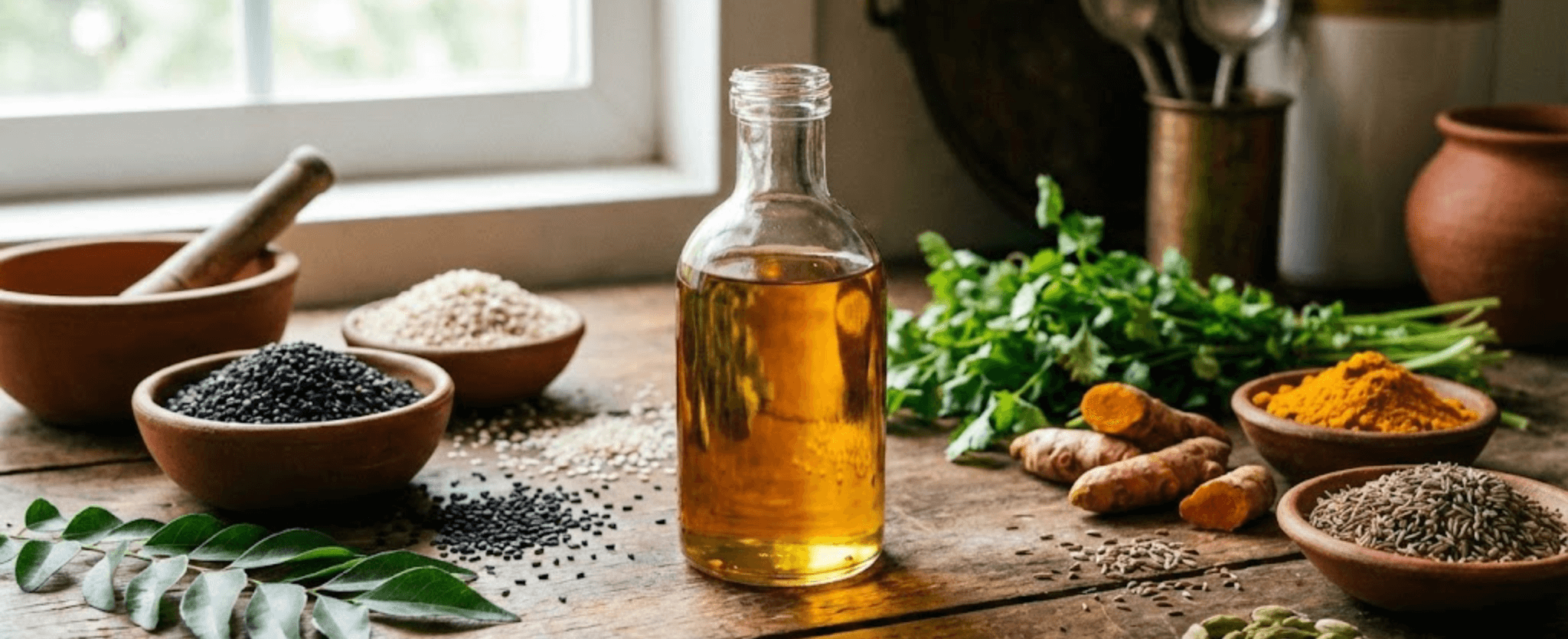
Walk into any Indian kitchen and you will almost always find a small container of jeera sitting close to the stove. Cumin seeds have been a part of South Asian cooking for thousands of years, and for good reason. What most people do not realize is that this humble spice is far more than a flavor additive. It carries a concentrated load of nutrients, active compounds, and digestive properties that modern research continues to validate.
If you have ever had a warm cup of jeera water after a heavy meal, you already know the calming effect it delivers. From bloating to sluggish metabolism, cumin works quietly on several fronts. This guide covers everything you need to know about why cumin seeds deserve a permanent place in your kitchen and your wellness routine.
What Are Cumin Seeds?
Cumin, known as jeera in Hindi and Tamil, comes from the plant Cuminum cyminum, a member of the parsley family. The seeds are actually the dried fruit of the plant and carry a warm, slightly earthy, and mildly peppery flavor. They are used in three forms across Indian cooking: whole seeds tempered in oil, coarsely ground for chutneys and marinades, and finely powdered as a spice blend ingredient.
India is one of the largest producers and consumers of cumin in the world. The spice grows across Rajasthan and Gujarat and has been a staple in Ayurvedic medicine for centuries. Its active compounds, especially cuminaldehyde, thymol, and various flavonoids, are responsible for its digestive and therapeutic properties.
Nutritional Profile of Cumin Seeds
A single teaspoon of cumin seeds, roughly 2 to 3 grams, packs more nutrients than most people expect.
| Nutrient | Amount per Teaspoon |
| Iron | 1.4 mg (17% of daily value) |
| Manganese | 0.06 mg |
| Calcium | 19.6 mg |
| Magnesium | 7.7 mg |
| Dietary Fiber | 0.6 g |
| Vitamin B1 (Thiamine) | 0.02 mg |
Beyond vitamins and minerals, cumin is rich in plant compounds that act as antioxidants. These include apigenin and luteolin, both of which help the body fight free radical damage. The iron content alone makes cumin a particularly useful spice for those managing anemia or low energy levels.
Top Health Benefits of Cumin Seeds
1. Improves Digestion and Reduces Bloating
This is the most well-known benefit of jeera, and it is grounded in good science. Cumin stimulates the production of bile, digestive enzymes, and pancreatic enzymes, all of which help break down food more efficiently. Cuminaldehyde, the primary volatile compound in cumin, activates salivary glands and initiates the digestive process right from the mouth.
For people dealing with irritable bowel syndrome, bloating, or flatulence, cumin has shown consistent results. A study published in the Middle East Journal of Digestive Diseases found that cumin extract significantly reduced symptoms like abdominal pain and bloating in patients with IBS over a four-week period.
The simplest way to use cumin for digestion is jeera water. Dry roast a teaspoon of cumin seeds, steep them in hot water for five to ten minutes, and drink it warm after meals. You can pair this with a light meal from the Ulamart spices collection for a completely natural approach to digestive health.
2. Supports Weight Management
Cumin has a notable effect on metabolism and fat oxidation. Research from the Journal of Complementary and Integrative Medicine showed that participants who consumed cumin powder daily for three months had a significant reduction in BMI, waist circumference, and fasting blood glucose compared to a control group.
The mechanism involves cumin’s ability to improve insulin sensitivity and increase the rate of fat burning. It also keeps hunger in check by stabilizing blood sugar levels, which reduces sudden cravings. Adding a pinch of cumin to your meals or drinking jeera water in the morning on an empty stomach is a widely practiced ritual across Indian households.
3. Rich Source of Iron for Energy
Iron deficiency is among the most common nutritional gaps in India, particularly in women and children. Cumin seeds are one of the richest plant-based sources of iron available. One tablespoon delivers close to 20 percent of an adult’s daily iron requirement.
Iron is essential for hemoglobin production, which carries oxygen to cells across the body. Low iron leads to fatigue, brain fog, and poor immunity. Incorporating cumin into daily cooking, especially in combination with vitamin C-rich foods like lemon, significantly improves iron absorption. You can explore complete spice options at Ulamart’s spices page.
4. Acts as a Powerful Antioxidant
The flavonoids and phenolic acids in cumin neutralize free radicals, which are unstable molecules that damage cells and accelerate aging. Oxidative stress is a root cause of many chronic diseases including heart disease, diabetes, and certain cancers.
Regular consumption of cumin, even in culinary quantities, contributes to the body’s antioxidant load. This is especially relevant when the spice is used alongside other antioxidant-rich ingredients like turmeric and black pepper, creating a synergistic protective effect.
5. Helps Regulate Blood Sugar
Cumin has demonstrated hypoglycemic properties in multiple animal and human studies. Its compounds help improve insulin sensitivity by reducing insulin resistance at the cellular level. This makes it particularly useful for individuals managing type 2 diabetes or pre-diabetic conditions.
Adding cumin to a diabetic-friendly diet does not replace medication, but as part of a whole-food approach, it contributes meaningfully to blood sugar regulation. Pairing cumin with low-glycemic grains such as millets from Ulamart creates a stable, blood-sugar-friendly meal base.
6. Boosts Immunity
Cumin contains vitamin C, vitamin A precursors, and several antimicrobial compounds. Cuminaldehyde and thymol, the primary active components, have shown bactericidal and antifungal effects against common pathogens. This is why cumin-infused water has traditionally been used to soothe throat infections and seasonal colds.
Iron, present in significant amounts in cumin, also plays a direct role in immune cell function. A body well-supplied with iron produces white blood cells more efficiently, which are the frontline defenders against infection.
7. Improves Memory and Cognitive Function
Cumin’s antioxidant properties extend to the brain. Research has found that cumin extract may inhibit the aggregation of proteins associated with Alzheimer’s disease. Regular consumption has been associated with improved recall and learning ability in animal models, though human trials are still developing in this area.
This is not a replacement for targeted medical treatment, but as a dietary habit, including cumin in your daily routine contributes to the overall health of neural tissue through its anti-inflammatory and antioxidant activity.
How to Use Cumin Seeds in Daily Life
| Method | How to Use | Best For |
| Jeera Water | Boil or steep seeds in hot water, drink warm | Digestion, bloating, morning detox |
| Tempering in Oil | Fry whole seeds in ghee or oil until they splutter | Dal, rice, curries, sabzi |
| Cumin Powder | Grind roasted seeds and use in marinades or chutneys | Marinades, raita, spice blends |
Jeera Rice
One of the most versatile uses of cumin is in jeera rice. Simply temper whole cumin seeds in ghee, add soaked basmati or traditional rice, and cook. The result is a lightly fragrant, easy-to-digest dish that pairs with almost anything. For the best result, use premium heritage rice like Seeraga Samba or Thooyamalli Rice from Ulamart.
Cumin-Spiced Lentils
Dal tempered with cumin seeds is a staple across most Indian states. The digestive benefits of cumin combine with the protein of lentils to make one of the most nutritionally complete everyday meals. You can find a wide range of pulses at Ulamart that pair beautifully with cumin.
Cumin with Buttermilk
Roasted cumin powder stirred into cold buttermilk is a traditional South Indian summer drink. It settles the stomach, cools the body, and replenishes lost electrolytes. This combination is especially useful during hot months or after spicy meals.
Cumin vs Other Common Digestive Spices
| Spice | Primary Benefit |
| Cumin (Jeera) | Enzyme stimulation, bloating relief, iron source |
| Ginger | Nausea relief, anti-inflammatory |
| Fennel (Saunf) | Intestinal muscle relaxation, gas relief |
Each of these spices serves a different function in the digestive system. Cumin works primarily by increasing enzyme production and bile secretion. Ginger targets nausea and inflammation. Fennel relaxes intestinal muscles and is particularly useful after very heavy meals. Using all three together in a home remedy, or cooking with them regularly, covers a broad spectrum of digestive support.
For a complete spice kitchen, explore the Ulamart spices range, which includes traditionally sourced and minimally processed options.
Side Effects and Precautions
Cumin is safe for most people when consumed in culinary amounts. However, excessive consumption, particularly in supplement form, may cause the following:
- Blood sugar levels may drop too low in individuals on diabetes medication. Monitor closely.
- Cumin may slow blood clotting. Those on blood thinners should consult a doctor before taking cumin supplements.
- Pregnant women should stick to culinary use and avoid high-dose cumin supplements, as it may stimulate uterine contractions in large amounts.
- Rare allergic reactions have been reported in people sensitive to plants in the Apiaceae family, which includes cumin, fennel, and coriander.
Buying and Storing Cumin Seeds
The quality of cumin significantly affects both its flavor and its health benefits. When buying whole cumin seeds, look for seeds that are uniformly dark brown, not pale or green-tinted. They should smell strong and earthy when rubbed between your fingers.
Avoid pre-ground cumin powder that has been sitting in a clear glass container in a bright shop window. Light and heat rapidly degrade the volatile oils that carry both flavor and medicinal value.
Store cumin seeds in an airtight container, away from direct sunlight, heat, and moisture. Whole seeds last up to three years when stored properly. Ground cumin loses its potency much faster and is best used within six months of grinding.
You can explore organically sourced, traditionally grown cumin and other spices through Ulamart’s spices collection. Each product is curated for minimal processing to preserve the natural active compounds.
Cumin in Ayurvedic Practice
In Ayurveda, cumin is classified as a tridoshic spice, meaning it balances all three doshas: Vata, Pitta, and Kapha. It is considered a deepana (digestive stimulant) and pachana (digestive aid), meaning it both kindles the digestive fire and aids in clearing undigested matter from the system.
Classical Ayurvedic formulations often combine cumin with black rice or other traditional grains as part of a cleansing diet. Cumin is also used in herbal preparations for postpartum recovery, respiratory infections, and urinary tract health in traditional medicine.
Contemporary Ayurvedic practitioners recommend a blend of cumin, coriander, and fennel seeds steeped together as a gentle, all-day digestive tea. This combination is known as CCF tea and is one of the simplest and most effective digestive protocols in Ayurvedic practice. According to the National Institute of Ayurveda, traditional spice formulations including cumin continue to be studied for their role in metabolic and digestive health.
Cumin for Children and Elderly
Both children and elderly individuals benefit from cumin, though in different ways. For children, cumin-rich foods support iron levels, which are critical for brain development and learning. For older adults, cumin’s anti-inflammatory and antioxidant compounds help slow the cellular deterioration associated with aging.
Jeera water given to children with stomach aches or loose stools is a practice that most Indian grandmothers swear by, and research now backs this up. The antimicrobial action of cumin helps neutralize gut pathogens while the carminative effect reduces cramping and discomfort.
For elderly individuals on multiple medications, culinary use of cumin is safe and beneficial. It is the supplement form that may need medical clearance, particularly for those on blood sugar or cardiac medications.
For a broader understanding of spice-based nutrition and its global research base, Healthline’s research on cumin provides a well-cited overview of current clinical and observational studies.
Pairing Cumin with Other Ulamart Products
Cumin does not have to work alone. Several traditional recipes combine jeera with other functional foods that are available at Ulamart, creating meals that are both delicious and therapeutically effective.
- Ragi mixed with cumin powder and buttermilk makes a highly nutritious summer porridge.
- Foxtail Millet cooked with tempering of cumin, mustard, and curry leaves creates a low-glycemic, high-fiber lunch bowl.
- Organic Ponni Rice with a cumin-and-ghee tempering is a classic South Indian comfort meal that is also easy on digestion.
- Pearl Millet (Kambu) flatbreads seasoned with cumin and served with dal form a complete, balanced meal rich in iron, fiber, and protein.
Cumin seeds are one of the most cost-effective and accessible health foods available in India. Their benefits span digestion, immunity, metabolism, and beyond, all backed by a combination of traditional practice and modern research. Whether you use them in tempering, as jeera water, or ground into spice blends, the consistency of their use is what delivers results over time.
Stocking your kitchen with good quality, naturally sourced spices makes a real difference. Explore the full spice range at Ulamart to make sure your everyday cooking is also your everyday medicine.