There’s a reason black pepper is called the “King of Spices.” For thousands of years, it was so valuable that it was used as currency, paid as tribute to kings, and sparked voyages of exploration that changed world history. Wars were fought over access to pepper routes. Entire economies were built on the pepper trade.
Today, black pepper sits in a shaker on your table, so common you barely notice it. But this humble spice is far more than a flavor enhancer. Modern science has confirmed what ancient healers knew: black pepper is one of the most powerful medicinal spices on earth.
The secret lies in piperine, black pepper’s active compound. Piperine doesn’t just add heat and flavor – it transforms your body’s ability to absorb nutrients, fights inflammation, aids digestion, boosts brain function, and even helps prevent cancer. That’s why traditional medicine systems like Ayurveda include black pepper in nearly every healing formula.
But here’s what most people miss: black pepper’s most remarkable property is how it enhances other foods and spices. Add black pepper to turmeric, and you increase curcumin absorption by 2,000%. Add it to meals, and you enhance absorption of vitamins, minerals, and beneficial plant compounds.
Black pepper isn’t just a spice. It’s a nutritional catalyst that makes everything you eat work better.
What is Black Pepper?
Black pepper (Piper nigrum) is a flowering vine native to India’s Malabar Coast (modern-day Kerala), where it has been cultivated for over 4,000 years.
Regional Names:
- Tamil: Milagu, Kari Menasu
- Hindi: Kali Mirch
- Telugu: Miriyalu
- Kannada: Menasu
- Malayalam: Kurumulaku
- Bengali: Golmarich
How it’s Made:
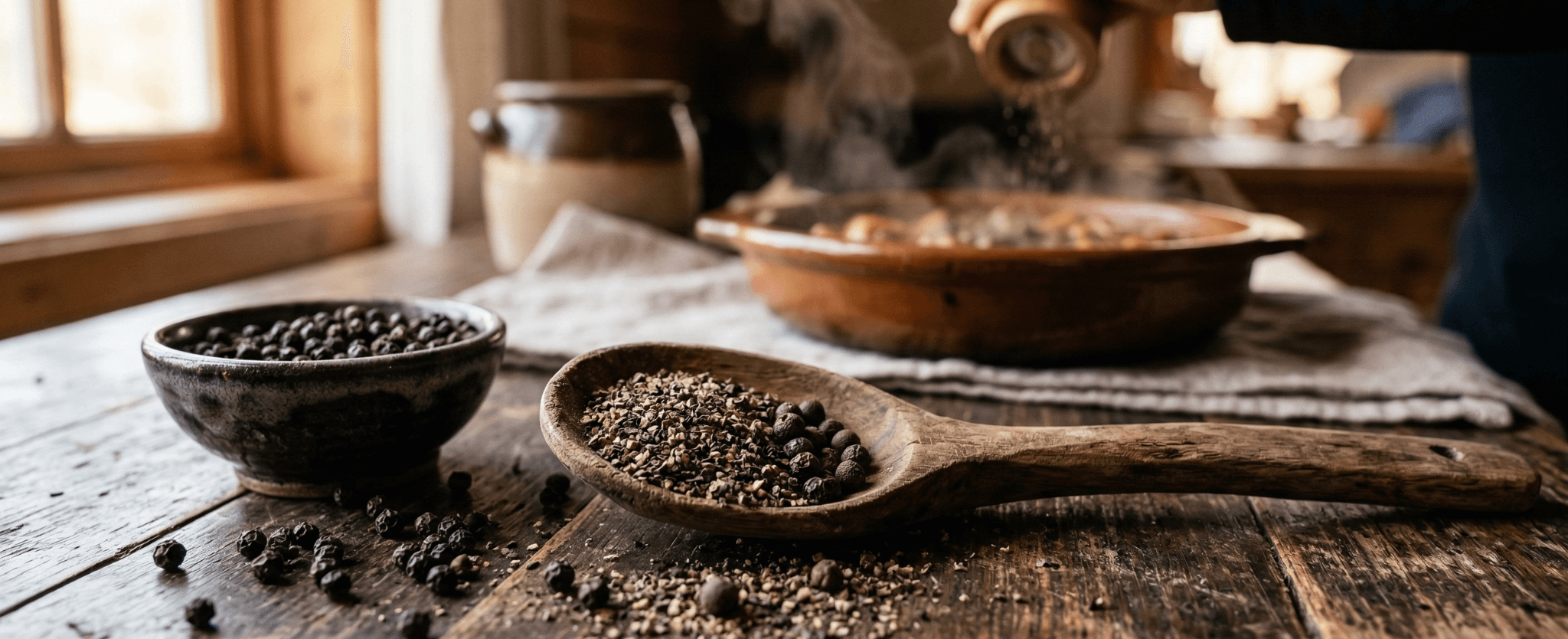
- Black peppercorns are dried, unripe berries from the Piper nigrum vine
- Green peppercorns: Fresh, unripe berries
- White peppercorns: Ripe berries with outer skin removed
- Black peppercorns: Sun-dried unripe berries (most pungent, highest piperine content)
Active Compound: Piperine (5-9% of black pepper by weight) gives pepper its pungency and most of its medicinal properties.
Growing Regions:
- Kerala, India (original home, produces finest quality)
- Karnataka, Tamil Nadu
- Vietnam, Indonesia (major producers)
- Brazil, Malaysia
At Ulamart, our black pepper (Milagu) is sourced from traditional growers in Kerala, ensuring you get authentic, high-piperine peppercorns with maximum potency.
The Piperine Power: How Black Pepper Works
Understanding piperine is key to understanding why black pepper is so medicinal.
What Piperine Does
Bioavailability enhancer: Piperine’s most remarkable property is increasing the bioavailability (absorption) of nutrients and beneficial compounds. It does this by:
- Slowing breakdown of compounds in the liver
- Increasing intestinal absorption
- Making cell membranes more permeable to nutrients
The turmeric example: Curcumin from turmeric is poorly absorbed. Add piperine, and absorption increases by 2,000% (twenty times). This is why traditional Indian cooking always combines black pepper with turmeric.
Works with:
- Curcumin (from turmeric)
- Beta-carotene (from carrots, sweet potatoes)
- Selenium (from brazil nuts, seafood)
- B vitamins
- Vitamin C
- Resveratrol (from grapes, berries)
- Many medications (consult doctor if on medication)
Own medicinal properties: Beyond enhancing absorption, piperine itself is:
- Anti-inflammatory
- Antioxidant
- Antimicrobial
- Anticancer
- Neuroprotective
- Thermogenic (increases metabolism)
Top 12 Science-Backed Health Benefits of Black Pepper
1. Dramatically Enhances Nutrient Absorption
This is black pepper’s signature benefit and the reason it should be in every meal.
How much it helps:
- Curcumin (turmeric): 2,000% increase
- Beta-carotene: 60% increase
- Selenium: Significant improvement
- Amino acids: Enhanced absorption
- Vitamins and minerals: Generally improved
What this means: The same meal becomes dramatically more nutritious just by adding a pinch of black pepper. You extract more benefit from everything you eat.
Practical application:
- Add to turmeric (golden milk, curries)
- Sprinkle on salads (enhances vitamin absorption)
- Add to smoothies with fruits and vegetables
- Include in all meals for general nutrient enhancement
Money-saving benefit: You get more nutritional value from the food you’re already buying. Less waste, more benefit.
2. Powerful Anti-Inflammatory Agent
Chronic inflammation underlies most modern diseases: heart disease, cancer, diabetes, Alzheimer’s, arthritis.
How black pepper fights inflammation:
- Piperine suppresses inflammatory enzymes (COX-1, COX-2)
- Reduces inflammatory cytokines (TNF-alpha, IL-6)
- Inhibits NF-kB (a key inflammation pathway)
Effectiveness: Studies show piperine’s anti-inflammatory activity is comparable to some pharmaceutical anti-inflammatories.
Who benefits:
- Anyone with arthritis or joint pain
- People with inflammatory bowel disease
- Those with chronic pain conditions
- Everyone wanting to prevent inflammation-based diseases
Synergy: Combined with turmeric (which is also anti-inflammatory), the effects are even more powerful.
3. Supports Digestive Health
Black pepper has been used for digestive issues for thousands of years. Science confirms why.
Digestive benefits:
Stimulates digestive enzymes: Piperine signals the pancreas to produce more digestive enzymes (lipase, amylase, protease), helping break down:
- Proteins
- Fats
- Carbohydrates
Increases stomach acid: Helps digest food more completely, prevents bloating and gas
Speeds gastric emptying: Food doesn’t sit in stomach too long (reduces acid reflux risk)
Prevents diarrhea: Reduces intestinal motility when excessive
Antimicrobial: Kills harmful bacteria that cause food poisoning and digestive infections
Traditional use: Chewing 3-4 peppercorns after heavy meals aids digestion (ancient practice, modern validity).
Caution: Those with ulcers or severe acid reflux should use moderately, as it increases stomach acid.
4. Aids Weight Loss and Metabolism
Black pepper can be a useful tool for weight management.
Weight loss mechanisms:
Thermogenic effect: Piperine increases thermogenesis (heat production), burning more calories even at rest. Studies show measurable metabolic increase after consuming piperine.
Prevents fat cell formation: Research shows piperine interferes with the formation of new fat cells (adipogenesis).
Improves insulin sensitivity: Better insulin function means less fat storage.
Enhances nutrient absorption: Extract maximum nutrition from less food, reducing cravings.
Practical use:
- Add to morning lemon water
- Include in protein smoothies
- Use generously on meals
- Combine with metabolism-boosting spices (turmeric, cinnamon)
Realistic expectations: Black pepper supports weight loss; it doesn’t cause it. Must be combined with healthy diet and exercise.
5. Improves Brain Function and May Prevent Dementia
Brain health is crucial as we age. Black pepper protects it.
Neuroprotective benefits:
Increases neurotransmitters: Piperine increases serotonin and dopamine in the brain, improving mood and cognitive function.
Inhibits enzymes that break down neurotransmitters: This keeps beneficial brain chemicals active longer.
Reduces beta-amyloid plaques: The protein tangles in Alzheimer’s brains. Piperine helps break them down (similar to curcumin).
Antioxidant protection: Protects brain cells from free radical damage.
Anti-inflammatory in brain: Reduces neuroinflammation linked to cognitive decline.
Research findings: Animal studies show piperine improves memory and prevents cognitive decline. Human studies are limited but promising.
Daily application: Regular consumption may support long-term brain health and cognitive performance.
6. Has Anticancer Properties
Disclaimer: Black pepper is not a cancer cure. But research shows promising anticancer potential.
Anticancer mechanisms:
Inhibits cancer cell growth: Laboratory studies show piperine slows growth of breast, prostate, and colon cancer cells.
Induces apoptosis: Triggers death of cancer cells.
Prevents metastasis: May slow cancer spread.
Enhances chemotherapy: Some studies suggest piperine makes chemotherapy drugs more effective while reducing side effects.
Antioxidant protection: Prevents DNA damage that can lead to cancer.
Most promising for: Digestive system cancers (regular dietary use may be protective).
Important: Use as prevention and supportive measure, not treatment. Always consult oncologist for cancer care.
7. Supports Respiratory Health
Traditional medicine uses black pepper extensively for respiratory issues. Modern research validates this.
Respiratory benefits:
Expectorant properties: Loosens mucus and phlegm, making it easier to cough up.
Antimicrobial: Fights bacteria and viruses causing respiratory infections.
Anti-inflammatory: Reduces inflammation in airways.
Stimulates circulation: Increases blood flow to respiratory system, supporting healing.
Traditional remedies:
- Black pepper + honey for coughs and colds
- Black pepper + ginger for congestion
- Inhaling crushed black pepper steam for sinus issues
Modern application: At first sign of cold or flu, consume black pepper with honey or in warm water.
8. Improves Heart Health
Heart disease is the #1 killer. Black pepper supports cardiovascular health.
Cardiovascular benefits:
Lowers cholesterol: Studies show piperine reduces LDL (bad) cholesterol and total cholesterol.
Prevents platelet aggregation: Blood-thinning properties reduce clot risk (similar to aspirin but milder).
Improves circulation: Dilates blood vessels, improving blood flow.
Antioxidant protection: Prevents oxidation of cholesterol (a key step in atherosclerosis).
Blood pressure: May help lower blood pressure through vasodilation.
Traditional use: Black pepper + garlic in rice porridge for heart health (see traditional remedies section).
9. Helps Control Blood Sugar
For diabetics and pre-diabetics, black pepper offers support.
Blood sugar benefits:
Improves insulin sensitivity: Helps cells respond better to insulin.
Mimics insulin: Piperine activates some of the same pathways as insulin.
Slows sugar absorption: Reduces post-meal blood sugar spikes.
Protects pancreas: Antioxidant properties protect insulin-producing cells.
Research: Studies show piperine supplementation reduces fasting blood sugar and HbA1c in diabetics.
Use: Regular dietary inclusion. Not a replacement for diabetes medication, but a supportive addition.
10. Boosts Immunity
A strong immune system prevents illness. Black pepper strengthens it.
Immune benefits:
Antimicrobial properties: Kills or inhibits bacteria, viruses, and fungi.
Stimulates white blood cell production: Enhances immune cell activity.
Antioxidant protection: Supports immune cells’ ability to function.
Anti-inflammatory: Chronic inflammation weakens immunity; reducing it strengthens immune response.
Vitamin C absorption: Enhances absorption of vitamin C (crucial for immunity).
Traditional immune booster: Black pepper + tulsi (holy basil) leaves – powerful immunity combination used for centuries.
11. Has Antioxidant Properties
Oxidative damage causes aging and disease. Black pepper fights it.
Antioxidant action:
- Neutralizes free radicals directly
- Enhances body’s own antioxidant enzymes
- Protects cells, DNA, and tissues from damage
Synergy: When combined with other antioxidant-rich spices and foods, effects multiply.
Long-term benefit: Regular consumption may slow aging and reduce chronic disease risk.
12. Supports Skin Health
Beautiful skin starts from within. Black pepper helps both ways.
Internal benefits (eating):
- Antioxidants fight skin aging
- Improves circulation (healthy glow)
- Enhances nutrient absorption (skin gets more vitamins)
External benefits (topical):
- Antimicrobial (fights acne bacteria)
- Increases circulation (exfoliating scrubs)
- Anti-inflammatory (reduces redness)
Traditional use: Black pepper in face scrubs (with yogurt or honey) for exfoliation and glow.
Caution: Use sparingly on skin; can be irritating in high concentrations.
How to Use Black Pepper for Maximum Benefits
Having black pepper is one thing. Using it effectively is another.
How Much to Use Daily
For general health:
- 1/4 to 1/2 teaspoon freshly ground black pepper daily
- Spread across multiple meals
For specific health goals:
- 1/2 to 1 teaspoon daily
- With turmeric: Always use together (typically 1/4 teaspoon pepper with 1 teaspoon turmeric)
Safety: Black pepper is very safe. Even high doses rarely cause problems beyond mild stomach irritation in sensitive individuals.
Fresh Ground vs Pre-Ground
Fresh ground wins every time:
- Higher piperine content
- More flavor
- More medicinal potency
- Volatile oils intact
How to:
- Buy whole peppercorns
- Grind fresh as needed
- Use a pepper mill or mortar and pestle
Pre-ground: Loses potency over time. If using pre-ground, buy small quantities and use quickly.
Best Food Combinations
Essential pairings:
Black pepper + Turmeric: The ultimate combination. Always use together for maximum curcumin absorption. Golden milk, curries, turmeric rice – add black pepper.
Black pepper + healthy fats: Piperine is fat-soluble. Combine with oils, nuts, avocado, or dairy for better absorption.
Black pepper + vitamin C foods: Enhances vitamin C absorption. Add to salads with citrus, tomatoes, bell peppers.
Black pepper + protein: Improves protein digestion and amino acid absorption.
Easy Ways to Include Black Pepper Daily
In cooking:
- Add to all curries and dal
- Sprinkle on eggs, omelets
- Add to soups and stews
- Include in marinades
- Toss with roasted vegetables
- Mix into rice while cooking
- Add to pasta and noodles
In beverages:
- Golden milk (with turmeric)
- Warm lemon water (morning drink)
- Chai tea
- Smoothies
- Bone broth
Raw/minimal cooking:
- Fresh ground on salads
- Sprinkle on finished dishes
- Add to salad dressings
- Mix into yogurt or raita
Pro tip: Add black pepper at the end of cooking (not the beginning) to preserve more piperine.
Traditional Black Pepper Remedies
Ancient wisdom offers powerful healing combinations.
1. Black Pepper + Honey for Coughs
Recipe:
- 1/4 teaspoon freshly ground black pepper
- 1 teaspoon raw honey
- Mix and consume slowly
Benefits: Loosens mucus, soothes throat, fights infection
When: At first sign of cold or cough, 2-3 times daily
2. Black Pepper + Ginger for Digestion
Recipe:
- 1/4 teaspoon black pepper powder
- 1 teaspoon fresh ginger juice
- Mix and consume after heavy meals
Benefits: Stimulates digestion, reduces bloating, prevents gas
3. Black Pepper + Tulsi (Holy Basil) for Immunity
Recipe:
- Chew 3 whole peppercorns with 7 fresh tulsi leaves
- Once or twice daily
Benefits: Boosts immunity, reduces fever, fights infections
Traditional use: During cold and flu season for prevention
4. Black Pepper + Ghee for Respiratory Health
Recipe:
- Roast 5-6 whole peppercorns in 1/2 teaspoon ghee
- Grind to powder when cool
- Mix with 1 teaspoon honey
- Consume once daily for 48 days
Benefits: Improves respiratory health, clears sinuses, helps with chronic cold
Traditional claim: 48-day course addresses long-term respiratory issues
5. Black Pepper + Garlic for Heart Health
Recipe:
- Crush 2 garlic cloves
- Mix with 1/4 teaspoon black pepper
- Add to 150ml unsalted rice porridge (kanji)
- Eat for breakfast or dinner
Benefits: Heart-friendly, supports circulation, may help with blood pressure
6. Black Pepper + Turmeric Golden Milk
Recipe:
- 1 cup warm milk
- 1 teaspoon turmeric powder
- 1/4 teaspoon black pepper
- 1 teaspoon coconut oil or ghee
- Honey to taste
Benefits: Anti-inflammatory, immunity-boosting, promotes sleep, supports joint health
When: Daily before bed or in morning
Black Pepper Safety and Precautions
Generally Very Safe
For most people, black pepper is extremely safe even in relatively high amounts.
Mild side effects (rare):
- Stomach irritation in very sensitive individuals
- Sneezing (inhaling ground pepper)
Special Situations
Iron supplements: Piperine increases iron absorption significantly. If taking iron supplements, this could lead to excessive iron. Monitor with doctor.
Medications: Piperine increases absorption of many medications, potentially leading to higher blood levels than intended. Inform your doctor if you consume significant black pepper and take:
- Blood thinners
- Diabetes medications
- Blood pressure medications
- Antidepressants
- Any medication with narrow therapeutic window
Pregnancy and breastfeeding: Culinary amounts are safe. High-dose supplements should be discussed with a doctor.
Surgery: Black pepper has mild blood-thinning effects. Stop high doses 2 weeks before surgery.
Ulcers or severe acid reflux: Use moderately, as black pepper increases stomach acid.
Drug Interactions
Important: Piperine’s ability to enhance absorption applies to medications too. This can be beneficial or problematic depending on the drug.
Always inform your doctor if you regularly consume black pepper and are on medication.
Choosing Quality Black Pepper
Quality dramatically affects both flavor and medicinal properties.
What to Look For
Whole peppercorns (best):
- Uniform size
- Dark black color
- Heavy for their size
- Strong aroma when crushed
- No musty smell
Source: Indian black pepper (especially from Kerala) is considered highest quality
Organic: Avoids pesticide residues
Packaging: Airtight containers to preserve volatile oils
At Ulamart, our black pepper is sourced from traditional Kerala growers, ensuring authentic, high-piperine peppercorns with maximum flavor and medicinal potency.
Storage
Proper storage preserves potency:
- Whole peppercorns: Store in airtight container, cool dark place, lasts 3-4 years
- Ground pepper: Airtight container, use within 6 months for best potency
- Avoid: Heat, light, moisture, air exposure
Best practice: Buy whole, grind fresh as needed.
Black Pepper Myths vs Facts
Myth 1: “Black pepper is just for flavor”
Fact: While it does add flavor, black pepper is a potent medicinal spice with proven health benefits.
Myth 2: “Pre-ground is just as good as fresh”
Fact: Pre-ground loses potency quickly. Fresh-ground has dramatically more piperine and volatile oils.
Myth 3: “You need large amounts to see benefits”
Fact: Even small amounts (1/4 teaspoon) daily provide significant benefits, especially for nutrient absorption.
Myth 4: “Black pepper causes ulcers”
Fact: Black pepper doesn’t cause ulcers. It may irritate existing ulcers but is generally protective for stomach health.
Myth 5: “All peppercorns are the same”
Fact: Quality varies enormously. Source, processing, and storage all affect piperine content and effectiveness.
The Bottom Line: Why Black Pepper Belongs in Every Meal
Black pepper isn’t called the King of Spices because of flavor alone. It earned that title through centuries of being the most valuable, sought-after spice in the world – valuable because people recognized its power.
What ancient traders knew instinctively, modern science has confirmed: black pepper is one of the most medicinally useful substances on earth. It fights inflammation as effectively as some drugs. It enhances nutrient absorption by up to 2,000%. It supports digestion, brain function, heart health, immunity, and more.
But here’s what makes black pepper truly unique: it makes everything else work better. Add it to turmeric, and curcumin absorption skyrockets. Add it to meals, and you extract more vitamins and minerals. Add it to your daily routine, and your entire diet becomes more nutritious.
This is why traditional cooking systems always included black pepper. Not just for taste, but because experienced cooks understood that pepper made food more nourishing, more digestible, and more healing.
You don’t need expensive supplements or exotic superfoods. You need the king of spices – available, affordable, and sitting in your kitchen right now.
Start simple. Grind fresh black pepper onto every meal. Add it to your golden milk. Combine it with turmeric always. Chew a few peppercorns after heavy meals. Use it in traditional remedies when you’re sick.
The king of spices has been waiting 4,000 years to return to its rightful place in your daily diet. It’s time to let it rule your kitchen again.
Ready to experience the King of Spices? Our black pepper (Milagu) is sourced from traditional Kerala growers, ensuring you get authentic, high-piperine peppercorns with maximum flavor and healing properties.
Essential spice pairings:
- Turmeric Powder (Manjal) – Always use with black pepper for 2,000% better absorption
- Cinnamon – Perfect for golden milk and chai
- Cumin Seeds – Digestive spice combination
- Cardamom – Warming spice blend
- Browse all organic spices
Healthy cooking essentials:
- Cold-pressed oils – For fat-soluble piperine absorption
- Natural sweeteners – For traditional remedies
Make every meal more nutritious with the King of Spices!
Daily Tip: Invest in a good pepper mill and keep whole peppercorns in it. Grind fresh black pepper over every single meal – eggs, salads, rice, dal, vegetables, everything. This one simple habit dramatically increases the nutritional value of your entire diet!