Most people have eaten dozens of rice varieties without ever tasting bamboo rice. That is not surprising. This grain does not come from a paddy field. It is not farmed in the conventional sense. It appears once in a generation, under very specific conditions, and then it is gone. That rarity is part of what makes it extraordinary, but the more important story is what this grain does for the body and why tribal communities across the forests of South India have guarded knowledge of it for centuries.
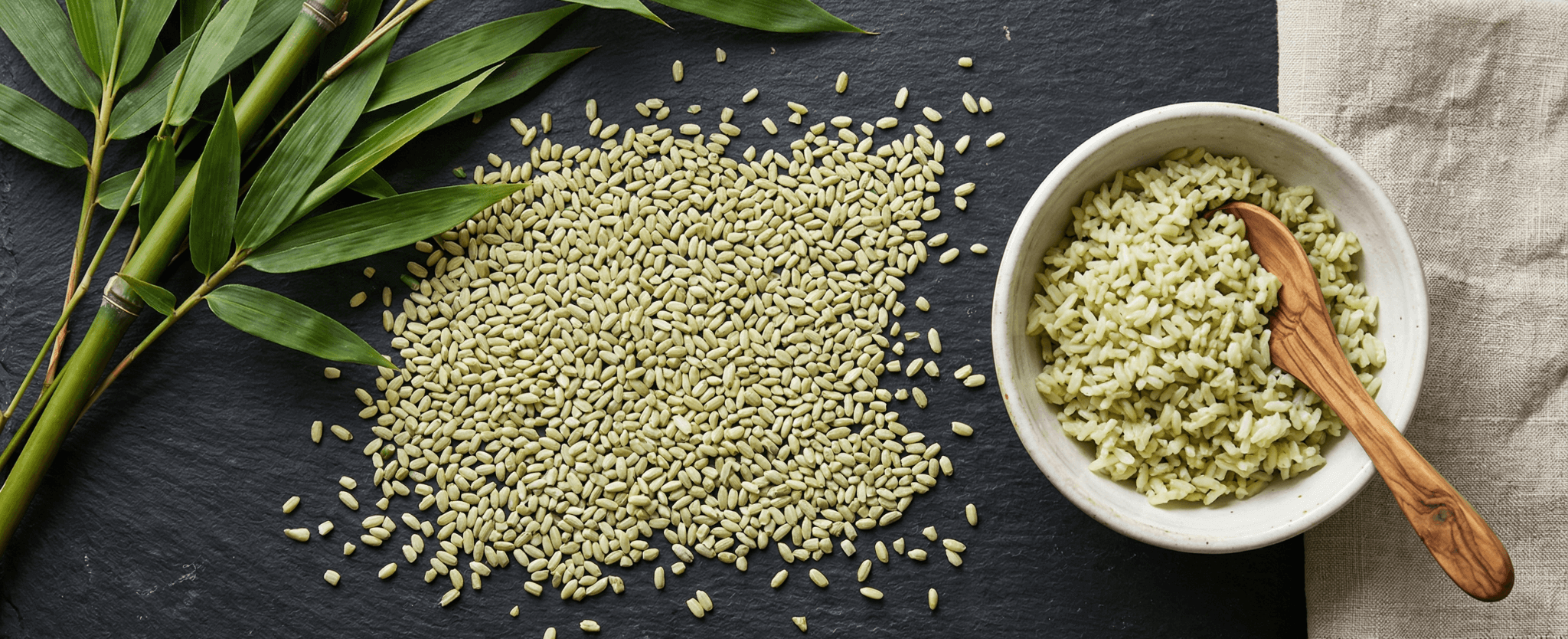
Bamboo rice, called mulayari in Tamil and Malayalam, is harvested from the seeds of a flowering bamboo plant. Bamboo flowers very rarely, and when it does, the seeds it produces are nutritionally remarkable. They look like short, slightly flattened grains of rice with a pale, sometimes greenish tint. They taste mild and slightly sweet, with a texture that sits somewhere between rice and wheat.
If you have never tried it, this is worth understanding fully. And if you are already familiar with it, this guide will give you the complete picture of what the science says, how to cook it, and how it compares to the heritage grain alternatives available through Ulamart’s rice range.
What Exactly Is Bamboo Rice?
Bamboo plants of the genus Melocanna and Bambusa flower very rarely, sometimes only once every 40 to 120 years depending on the species. When flowering occurs, the bamboo plant produces seeds that fall to the forest floor and are gathered by indigenous communities who have known about their value for generations.
In the Palakkad, Attappady, and Nilgiris regions of South India, as well as in parts of Chhattisgarh, Jharkhand, and the Northeast, tribal communities including the Irula, Kurumba, and Gond peoples have traditionally consumed bamboo rice during the rare flowering seasons. The grain was often treated as a food reserve during lean times because of its high caloric and nutritional density.
Bamboo flowering is not a predictable agricultural event that can be planned around. This is precisely why bamboo rice is rare and why, when it is available, it carries a premium price relative to cultivated grains. The window for harvesting is short, the geography is specific, and the scale is inherently limited by nature rather than by farming capacity.
The version available today through sources like Ulamart is typically sourced from forest communities when seasonal availability allows. It is minimally processed, retaining the natural outer layer and the full nutritional profile that makes this grain worth seeking out.
Nutritional Profile of Bamboo Rice
The nutritional superiority of bamboo rice over conventional polished white rice is significant across almost every category. Here is a comparison per 100 grams of raw grain:
| Nutrient | Bamboo Rice | Polished White Rice |
| Calories | 370 kcal | 365 kcal |
| Protein | 8 to 10 g | 6.8 g |
| Dietary Fiber | 4 to 6 g | 0.4 g |
| Carbohydrates | 73 g | 80 g |
| Fat | 2.5 g | 0.7 g |
| Iron | 3.5 mg | 0.8 mg |
| Calcium | 30 mg | 28 mg |
| Phosphorus | 220 mg | 115 mg |
| Vitamin B1 | High | Low (lost in milling) |
| Glycemic Index | Low to medium | High (64 to 72) |
The standout numbers are protein and phosphorus. Bamboo rice has nearly 40 to 50 percent more phosphorus than polished white rice, which is important for kidney function, bone health, and energy metabolism. Its protein content is meaningfully higher as well, making it one of the more complete grain options for vegetarians managing their protein intake.
The fiber difference is dramatic. Where polished white rice has almost no fiber remaining after milling, bamboo rice retains a substantial amount from its naturally unhusked form. This fiber slows digestion, stabilises blood sugar, and feeds gut bacteria in ways that polished rice simply cannot.
Health Benefits of Bamboo Rice
1. Supports Joint Health and Reduces Arthritis Symptoms
This is the most cited traditional use of bamboo rice, and it has a plausible scientific basis. Bamboo shoots and seeds are naturally high in silica, a mineral compound that plays a role in collagen synthesis and cartilage health. Silica supports the formation and maintenance of connective tissue, and diets consistently low in silica are associated with weaker joint structures and slower wound healing.
Tribal healers in the Attappady and Nilgiris regions have historically recommended bamboo rice for people with joint pain, rheumatism, and mobility issues. While clinical trials specifically on bamboo rice and arthritis are limited, the silica-collagen connection is well established in broader nutritional science, lending credibility to this traditional use.
For individuals managing joint conditions or looking to support long-term joint health through diet, incorporating bamboo rice as a regular grain alongside other anti-inflammatory foods is a sensible, low-risk addition to the plate.
2. Regulates Blood Sugar More Effectively Than White Rice
The glycemic index of bamboo rice falls in the low to medium range, well below that of commercially polished white rice. This is primarily because of its fiber content and the fact that it is consumed in a less processed form. The presence of resistant starch in bamboo seeds also contributes to a slower glucose release, which means blood sugar rises more gradually and stays stable longer after a meal.
For people managing type 2 diabetes, prediabetes, or insulin resistance, replacing white rice with bamboo rice in even a few meals per week can meaningfully reduce postprandial blood sugar spikes. Pairing it with pulses from Ulamart further lowers the glycemic load of the meal by adding protein and additional fiber.
3. Builds and Repairs Muscle More Effectively Than Most Grains
The protein content of bamboo rice is unusual for a grain. At 8 to 10 grams per 100 grams raw, it is closer to the protein density of quinoa or amaranth than to conventional rice. For vegetarians and vegans who rely on plant-based sources for their protein intake, bamboo rice is one of the few grain options that contributes meaningfully to daily protein needs rather than serving primarily as a carbohydrate source.
This makes it particularly useful for athletes, physically active individuals, growing children, and older adults experiencing muscle loss. Combined with a pulse-based dal or a ragi-based side preparation, a bamboo rice meal delivers a complete amino acid profile in a way that most grain-based Indian meals do not.
4. Strengthens Bones Through Multiple Pathways
Bamboo rice contributes to bone health through three distinct nutrient pathways simultaneously. Its silica content supports collagen formation in the bone matrix. Its phosphorus content, at roughly double that of polished white rice, is essential for the mineralisation of bone tissue and the maintenance of bone density. And its calcium content, while modest, adds to the cumulative daily intake that determines long-term skeletal strength.
This combination makes bamboo rice particularly relevant for children during growth periods, for women approaching and during menopause, and for elderly individuals at risk of osteoporosis. It is not a replacement for targeted calcium supplementation when that is medically indicated, but as a regular dietary grain it contributes meaningfully to the bone-building mineral pool in a form the body absorbs well.
5. Supports Liver Health
Traditional medicine across South and Southeast Asia has used bamboo extracts and bamboo-derived foods to support liver function. Bamboo shoots contain compounds including phytosterols and polyphenols that have demonstrated hepatoprotective effects in animal studies. While bamboo rice has not been as extensively studied as bamboo shoots in this context, the similarity in the plant’s bioactive compounds suggests overlapping properties.
Diets rich in fiber, antioxidants, and plant-based compounds are consistently associated with better liver function outcomes in epidemiological research. Bamboo rice, with its fiber, phospholipids, and natural antioxidant content, fits this pattern well.
6. Aids Weight Management
The combination of higher protein, higher fiber, and a lower glycemic index makes bamboo rice a far more satiating grain than polished white rice. Satiety, the feeling of fullness after a meal, is one of the most reliable predictors of total daily calorie intake. People who feel fuller on less food naturally eat less throughout the day without conscious restriction.
Bamboo rice’s resistant starch content also plays a role here. Resistant starch escapes digestion in the small intestine and ferments in the colon, where it feeds beneficial bacteria and produces short-chain fatty acids. These compounds signal satiety and improve metabolic function over time, making bamboo rice a useful grain for anyone managing their weight through dietary means rather than restriction alone.
7. Rich in Antioxidants
The outer layer of bamboo rice, which is preserved in its minimally processed form, contains phenolic acids and flavonoids that act as antioxidants. These compounds neutralise free radicals, reduce oxidative stress, and lower the risk of chronic disease associated with cellular damage over time.
This antioxidant activity is part of what makes whole grain and minimally processed rice varieties nutritionally superior to polished white rice, which has lost most of these compounds during milling. This same principle applies across Ulamart’s range of heritage grains, from black rice and red rice to Navara rice, all of which retain their bran and its associated antioxidant compounds.
Bamboo Rice vs Other Heritage Rice Varieties
| Rice Variety | Key Strength | Best For |
| Bamboo Rice | Protein, phosphorus, joint health | Active adults, vegetarians, joint health |
| Navara Rice | Medicinal, Ayurvedic use, antioxidants | Postpartum, Ayurveda, recovery |
| Black Rice | Anthocyanins, iron, anti-aging | Heart health, skin, anti-inflammatory |
| Red Rice | Iron, fiber, blood building | Anemia, weight management, daily health |
| Kullakar Rice | Cooling, low GI, iron | Diabetics, summer eating, blood health |
Each of these varieties addresses a different set of health priorities. Bamboo rice is the standout for protein, phosphorus, and joint support. Black rice leads on anthocyanins and anti-aging antioxidants. Navara rice is the choice for Ayurvedic and postpartum applications. All of them are available through Ulamart’s heritage rice collection, sourced from traditional farmers with minimal processing.
How to Cook Bamboo Rice
Bamboo rice behaves somewhat differently from standard rice in the kitchen. The grain is denser, slightly more fibrous, and benefits from pre-soaking. Here is what works well:
| Step | Detail | |
| Soaking | Soak in cold water for 30 to 60 minutes before cooking to soften the outer layer and reduce cooking time | |
| Water ratio | 1 cup bamboo rice to 2.5 cups water (more than standard white rice) | |
| Cooking time | 25 to 30 minutes on the stovetop, 15 minutes in a pressure cooker | |
| Texture | Slightly chewy when cooked, similar to brown rice but with a milder, slightly sweet flavour | |
| Best cooked in | for traditional preparation and mineral enhancement |
Simple Bamboo Rice Preparations
Bamboo rice works well in most rice preparations without requiring major recipe adjustments. A few that bring out its character particularly well:
- Bamboo rice kanji: Cook with extra water until soft and porridge-like. Season with salt, cumin, and a spoon of ghee. This is the most traditional preparation, gentle on the digestive system, and deeply nourishing.
- Bamboo rice with coconut milk: Replace part of the cooking water with coconut milk for a slightly creamy, flavourful dish that pairs beautifully with vegetable curries and chutneys.
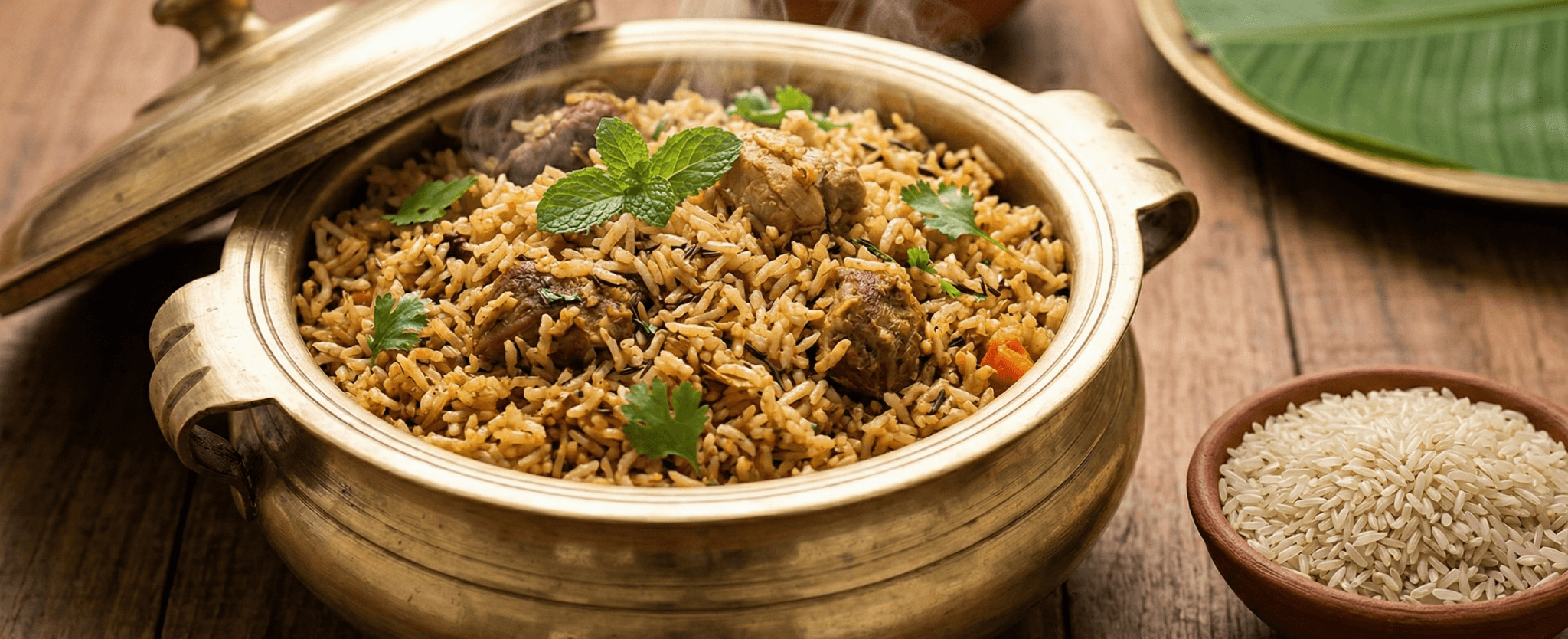
- Bamboo rice pulao: Use whole spices in ghee, add soaked bamboo rice, and pressure cook with vegetables. The grain absorbs flavour well and the slightly chewy texture adds character to the dish.
- Bamboo rice and dal: Pair with a simply spiced moong or toor dal for a complete, protein-rich meal that covers most nutritional bases in a single bowl.
The Ecological and Cultural Significance of Bamboo Flowering
Bamboo flowering is one of nature’s more unusual phenomena. When a bamboo grove flowers, every plant in the grove flowers simultaneously, produces seeds, and then dies. The forest floor is briefly blanketed in grain. For tribal communities living in these forests, this event represents an unexpected food abundance in an otherwise resource-limited environment.
The flowering follows genetic synchronisation across an entire bamboo species, regardless of geography. Melocanna baccifera, the species behind one of the most studied bamboo rice events in the Northeast of India, flowers approximately every 48 years. When it does, it produces enormous quantities of rice-like seeds. These events have historically triggered both food bonanzas and, unfortunately, rat population explosions as rodents feast on the fallen seeds, a phenomenon called mautam in Mizoram.
Understanding this context matters for anyone buying bamboo rice. You are purchasing a grain tied to a very specific ecological event, harvested by forest communities whose knowledge of these cycles spans generations. Choosing bamboo rice from a source that works with these communities directly, as Ulamart aims to do with its heritage grain sourcing, supports both nutritional health and the preservation of traditional food knowledge.
Who Should Include Bamboo Rice in Their Diet
- People with joint pain, arthritis, or conditions affecting cartilage and connective tissue who want a food-based source of silica.
- Vegetarians and vegans looking for a high-protein grain that replaces or supplements conventional rice without requiring a dramatic dietary overhaul.
- Individuals managing blood sugar, diabetes, or insulin resistance who need a lower-glycemic grain option.
- Active adults, athletes, or those recovering from illness who need more protein and phosphorus than conventional white rice provides.
- Health-conscious families who want to diversify their grain intake beyond standard commercial rice and incorporate heritage varieties with proven nutritional advantages.
- Children and elderly individuals who benefit from the higher calcium, phosphorus, and silica content for growing or maintaining bone density.
Buying and Storing Bamboo Rice
Because bamboo rice is a natural, seasonal product, availability fluctuates. When you can source it, buying in a reasonable quantity and storing it correctly ensures you have access to it through periods when it may not be available.
- Store in an airtight container, away from direct sunlight, heat, and moisture.
- A glass or ceramic container in a cool, dry pantry is ideal. Bamboo rice kept this way will remain fresh for up to 12 months.
- Unlike polished white rice, bamboo rice contains natural oils in its outer layer that can go rancid in very humid conditions. If your kitchen is humid, consider refrigerating the container.
- Buy from sources that disclose the provenance of their bamboo rice, since unscrupulous sellers sometimes mix it with other grains or sell ordinary rice tinted green as a substitute.
Ulamart’s bamboo rice is sourced from forest communities during genuine flowering seasons and prepared with minimal processing to preserve the natural nutritional profile. It is available alongside the full range of heritage rice varieties for those building a more varied and nutritionally complete grain pantry.
Pairing Bamboo Rice with Other Ulamart Products
The nutritional value of any grain is amplified when it is paired thoughtfully with complementary foods. Bamboo rice works particularly well with:
- Pearl Millet (Kambu) side preparations, which add iron and cooling properties that balance bamboo rice’s warming profile.
- Foxtail Millet roti or flatbread on the side, adding additional fiber and B vitamins to a bamboo rice main course.
- Pulses in any form, which combine with bamboo rice’s protein to create a complete amino acid profile across the meal.
- Cold-pressed oils for cooking, which preserve fat-soluble nutrients and add healthy fats that aid absorption of the grain’s fat-soluble compounds.
- Natural honey stirred into warm bamboo rice porridge as a natural sweetener that adds antimicrobial and antioxidant benefits alongside simple sugars.
For a broader scientific perspective on bamboo as a food source, including research into the nutritional composition of bamboo seeds and shoots, the Food and Agriculture Organization of the United Nations’ resources on non-wood forest products provides well-documented reference material on how forest communities use bamboo for sustenance across Asia.
Bamboo rice sits at an unusual intersection of rarity, nutrition, and cultural heritage. It is not something you will find in every grocery aisle, and that is precisely the point. The grains you are least likely to find in a supermarket are often the ones with the deepest nutritional history and the strongest connection to the land they came from. Bamboo rice is one of those grains. It rewards the effort of seeking it out with a nutritional profile that few cultivated grains can match, and a taste that is quietly, memorably its own.