Your grandmother probably had a jar of turmeric powder in her kitchen. She added it to every curry, dissolved it in warm milk when you had a cold, made a paste of it for cuts and bruises, and swore it could cure everything from inflammation to indigestion.
Turns out, she was more right than she knew.
While Western medicine is just now “discovering” turmeric’s remarkable healing properties, Ayurvedic and traditional Chinese medicine have used it for over 4,000 years. Recent decades have brought thousands of scientific studies confirming what traditional healers always knew: turmeric is one of the most powerful healing spices on earth.
The secret lies in curcumin, turmeric’s active compound, which has been shown to fight inflammation, battle oxidative stress, support brain health, strengthen immunity, and even combat serious diseases like cancer and Alzheimer’s. Some studies suggest curcumin is as effective as certain pharmaceutical drugs – without the side effects.
But here’s the truth modern science often misses: turmeric isn’t just curcumin. The whole spice, used traditionally, contains dozens of beneficial compounds that work together synergistically. When your grandmother added turmeric to food, paired it with black pepper and healthy fats, and used it both internally and externally, she was accessing its full healing potential.
Today, we’ll explore why turmeric truly deserves its reputation as a healing spice, how to use it properly for maximum benefits, and why this golden powder should be in every kitchen.
What is Turmeric?
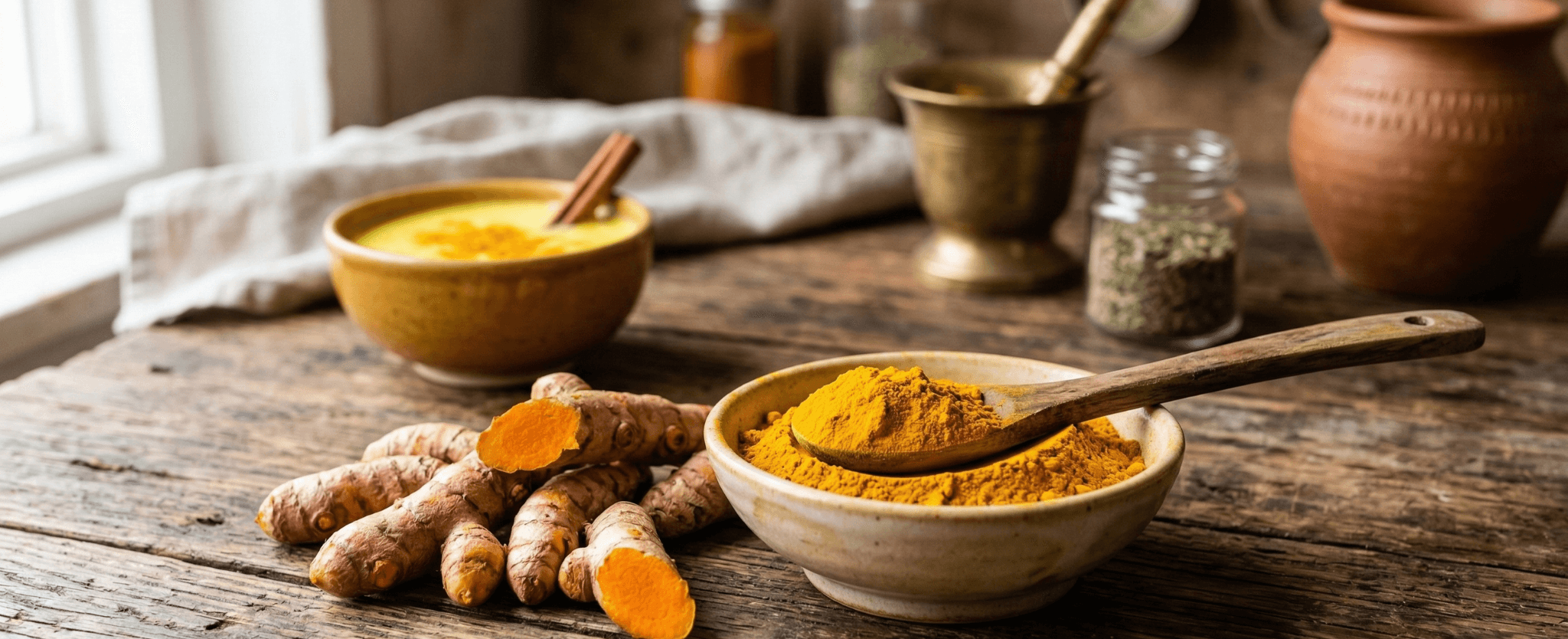
Turmeric (Curcuma longa) is a rhizome (underground stem) in the ginger family, native to South Asia and cultivated extensively in India for thousands of years.
Regional Names:
- Tamil: Manjal
- Hindi: Haldi
- Telugu: Pasupu
- Kannada: Arisina
- Malayalam: Manjal
- Bengali: Holud
Physical Characteristics:
- Deep orange-yellow color (from curcumin)
- Earthy, slightly bitter, peppery flavor
- Warm, pungent aroma
- Stains everything it touches (indicates high curcumin content)
- Available as fresh root or dried powder
Growing Regions:
- India produces 70% of world’s turmeric
- Major cultivation in Andhra Pradesh, Tamil Nadu, Maharashtra, Kerala
- Requires tropical climate, good rainfall
At Ulamart, our turmeric powder (Manjal) is sourced from naturally grown turmeric plants, ensuring you get pure, potent, chemical-free powder with maximum curcumin content.
The Science: Curcumin and Beyond
Understanding turmeric’s healing power requires understanding its active compounds.
Curcumin: The Star Compound
What it is: Curcumin is the primary active compound in turmeric, responsible for its yellow color and most therapeutic effects.
Content: Turmeric contains 2-8% curcumin by weight. Quality matters – organic, fresh turmeric has higher curcumin levels.
How it works: Curcumin is one of the most powerful anti-inflammatory and antioxidant compounds found in nature. It works at the molecular level, blocking inflammatory pathways and neutralizing free radicals.
Beyond Curcumin
Other beneficial compounds in turmeric:
- Turmerones (ar-turmerone, alpha-turmerone, beta-turmerone): Support brain health
- Demethoxycurcumin and bisdemethoxycurcumin: Work with curcumin for enhanced effects
- Essential oils: Antimicrobial, anti-inflammatory properties
- Fiber, vitamins (C, E, K), and minerals (iron, potassium, manganese)
Synergy matters: Whole turmeric is more effective than isolated curcumin for many health conditions. The compounds work together.
Top 15 Science-Backed Health Benefits of Turmeric
1. Powerful Natural Anti-Inflammatory
Inflammation is the root of most chronic disease: Heart disease, cancer, metabolic syndrome, Alzheimer’s, arthritis, and more all involve chronic inflammation.
How turmeric helps:
- Curcumin blocks NF-kB, a molecule that travels into cell nuclei and activates genes related to inflammation
- Inhibits COX-2 and other inflammatory enzymes (similar to how ibuprofen works, but naturally)
- Reduces inflammatory cytokines (IL-6, TNF-alpha)
Research backing: Multiple studies show curcumin is as effective as anti-inflammatory drugs like ibuprofen and aspirin, without gastrointestinal side effects.
Who benefits: Anyone with inflammatory conditions (arthritis, inflammatory bowel disease, skin conditions), anyone wanting to prevent chronic disease.
2. Incredible Antioxidant Protection
Oxidative damage (from free radicals) accelerates aging and contributes to most diseases.
Turmeric’s antioxidant action:
- Direct: Curcumin neutralizes free radicals directly due to its chemical structure
- Indirect: Boosts your body’s own antioxidant enzymes (superoxide dismutase, catalase, glutathione peroxidase)
Double benefit: Fights oxidative damage while strengthening your natural defenses.
Practical impact: Slower aging, better cellular health, reduced disease risk.
3. Supports Brain Health and May Prevent Alzheimer’s
The brain problem: Alzheimer’s and cognitive decline affect millions. Few effective treatments exist.
Turmeric’s brain benefits:
Increases BDNF: Brain-Derived Neurotrophic Factor, a growth hormone that helps neurons survive and multiply. Low BDNF is linked to depression and Alzheimer’s. Curcumin increases BDNF levels.
Crosses blood-brain barrier: Unlike many compounds, curcumin can enter the brain directly.
Clears amyloid plaques: The protein tangles in Alzheimer’s brains. Curcumin helps break these down.
Reduces brain inflammation: Chronic brain inflammation contributes to neurodegenerative diseases.
Research insight: Studies in India show populations with high turmeric consumption have significantly lower Alzheimer’s rates.
Benefits for everyone: Better memory, improved mood, potentially reduced dementia risk.
4. Dramatically Lowers Risk of Heart Disease
Heart disease is the #1 killer worldwide. Turmeric attacks it from multiple angles.
How turmeric protects your heart:
Improves endothelium function: The endothelium is the lining of blood vessels. Dysfunction is a major driver of heart disease. Curcumin improves endothelial function as effectively as exercise in some studies.
Reduces inflammation and oxidation: Both drive atherosclerosis (plaque buildup in arteries).
Blood clot prevention: Turmeric has antiplatelet effects (similar to aspirin’s blood-thinning properties).
Lowers cholesterol: Studies show curcumin reduces LDL (bad) cholesterol and triglycerides.
Study results: In one study, people undergoing coronary artery bypass surgery who took curcumin had a 65% decreased risk of heart attack.
5. May Help Prevent and Even Fight Cancer
Disclaimer: Turmeric is not a cancer cure. But research suggests it may help prevent some cancers and support conventional treatment.
Anti-cancer mechanisms:
Reduces angiogenesis: Prevents formation of new blood vessels that feed tumors
Reduces metastasis: Limits cancer spread
Induces apoptosis: Triggers death of cancer cells
Targets multiple pathways: Works through over 100 different mechanisms
Promising research:
- May reduce cancer cell growth in laboratory studies
- Shows promise particularly for digestive system cancers (colon, stomach)
- May enhance chemotherapy effectiveness while reducing side effects
- Population studies link high turmeric consumption to lower cancer rates
Use: As prevention (regular dietary intake) and as complementary therapy (under medical supervision).
6. Effective Against Arthritis and Joint Pain
Arthritis affects millions. Turmeric offers relief without NSAID side effects.
How it helps:
- Reduces inflammation in joints
- Decreases pain signals
- Improves mobility
Research: Studies comparing curcumin to NSAIDs (like ibuprofen) show similar pain relief and improved function, often with fewer side effects.
Types that benefit:
- Osteoarthritis (wear-and-tear)
- Rheumatoid arthritis (autoimmune)
- Other inflammatory joint conditions
Best results: Consistent daily use over weeks to months. Not instant, but sustainable relief.
7. Battles Depression and Boosts Mood
Depression is linked to low BDNF levels and brain inflammation. Turmeric addresses both.
Mental health benefits:
- Increases BDNF (supports neuron health)
- Boosts serotonin and dopamine (mood-regulating neurotransmitters)
- Reduces inflammation (linked to depression)
Clinical trials: In controlled studies, curcumin was as effective as Prozac for reducing depression symptoms in some patients.
Not a replacement: Should complement, not replace, conventional mental health treatment. Always work with a healthcare provider for depression.
Additional benefits: Reduces anxiety, improves stress response.
8. Delays Aging and Promotes Longevity
Why we age: Oxidative damage, inflammation, cellular deterioration over time.
Turmeric’s anti-aging effects:
- Powerful antioxidant (fights aging at cellular level)
- Anti-inflammatory (reduces chronic inflammation that accelerates aging)
- Protects brain and heart (the organs that determine lifespan quality)
- May extend lifespan (shown in some animal studies)
Practical impact: You might not live to 150, but turmeric may help you stay healthy, sharp, and active longer.
Traditional view: In Ayurveda, turmeric is considered a rasayana (rejuvenator) – a substance that promotes youth and longevity.
9. Supports Digestive Health
Turmeric has been used for digestive issues for centuries. Modern science confirms why.
Digestive benefits:
Reduces bloating and gas: Anti-inflammatory effects calm digestive tract
Supports bile production: Helps digest fats
May heal ulcers: Anti-inflammatory and antimicrobial properties protect stomach lining
Helps with IBS: Reduces inflammation and spasms in irritable bowel syndrome
Supports gut bacteria: Prebiotic-like effects, supporting beneficial bacteria
Caution: High doses may irritate sensitive stomachs. Start small, work up gradually.
10. Boosts Immune System Function
A strong immune system prevents illness. Turmeric strengthens it.
Immune benefits:
- Antimicrobial properties (fights bacteria, viruses, fungi)
- Stimulates immune cell production
- Regulates immune response (prevents overreaction)
- Antioxidant protection supports immune cells
Traditional use: Golden milk (haldi doodh) at the first sign of cold or flu.
Modern application: Regular intake may reduce frequency and severity of common infections.
11. Skin Health (Internal and External)
Beautiful skin starts from within. Turmeric works both ways.
Internal benefits (eating turmeric):
- Reduces inflammation-related skin issues (acne, eczema, psoriasis)
- Antioxidants fight skin aging
- Improves complexion from inside out
External benefits (topical use):
- Reduces acne and acne scars
- Brightens skin, evens tone
- Reduces inflammation and redness
- Antimicrobial action fights skin infections
Traditional practice: Turmeric face masks before weddings for glowing skin. Also Kasturi Manjal (wild turmeric) is used specifically for skin care.
Modern use: Turmeric in face masks, spot treatments, body scrubs.
12. Supports Healthy Blood Sugar Levels
For diabetics and pre-diabetics, turmeric offers meaningful support.
How it helps:
- Improves insulin sensitivity
- Reduces insulin resistance
- Decreases blood sugar levels
- Reduces diabetes complications (kidney, eye, nerve damage)
Research: Studies show curcumin supplementation reduces fasting blood sugar and HbA1c (3-month glucose average) in diabetics.
Not a replacement: Use alongside (not instead of) diabetes medication and lifestyle changes. Monitor blood sugar, as turmeric may enhance medication effects.
13. Liver Protection and Detoxification
Your liver processes everything you eat, drink, and breathe. Turmeric supports it.
Liver benefits:
- Increases bile production (essential for detoxification)
- Protects liver cells from damage
- Reduces fatty liver disease
- Supports liver regeneration
- Antioxidant protection for liver tissue
Who benefits: People with fatty liver, those exposed to toxins, anyone wanting to support natural detox.
14. Wound Healing and Tissue Repair
For thousands of years, turmeric paste has been applied to wounds. Science now confirms why it works.
Healing properties:
- Antimicrobial (prevents infection)
- Anti-inflammatory (reduces swelling)
- Speeds tissue repair
- Reduces scarring
Traditional use: Turmeric paste on cuts, burns, wounds
Modern application: Some hospitals now use curcumin-containing wound dressings.
15. May Improve Memory and Attention
Beyond preventing Alzheimer’s, turmeric may enhance everyday cognitive function.
Cognitive benefits:
- Improves working memory
- Enhances attention span
- Speeds up mental processing
- Reduces brain fog
Study findings: In healthy adults, curcumin supplementation improved memory and attention within one hour.
Best for: Students, professionals, anyone wanting mental sharpness.
How to Use Turmeric for Maximum Benefits
Having turmeric in your kitchen is one thing. Using it effectively is another.
The Bioavailability Problem
The challenge: Curcumin is poorly absorbed by the body. Most of it passes through your digestive system unused.
The solutions:
- Combine with Black Pepper (Piperine)
- Black pepper contains piperine, which increases curcumin absorption by 2,000% (yes, two thousand percent)
- How much: Just a pinch of black pepper is enough
- Application: Add both to food, golden milk, smoothies
- Consume with Healthy Fats
- Curcumin is fat-soluble (dissolves in fat)
- Good fats: Coconut oil, olive oil, ghee, avocado, nuts
- Application: Cook turmeric in oil, add to fatty foods, consume with meals containing fat
- Heat Activation
- Gentle heating increases curcumin’s bioavailability
- Method: Add to cooking, make golden milk (heated), turmeric tea
Golden Rule: For maximum absorption, always combine turmeric with black pepper AND fat.
Daily Dosage Guidelines
For general health:
- 1-2 teaspoons turmeric powder daily (in food, drinks)
- This provides approximately 200-500mg curcumin
For specific health conditions:
- 2-3 teaspoons daily, divided into multiple doses
- Or curcumin supplements as directed (but whole turmeric is better)
Safety: Turmeric is very safe even in high doses. Side effects are rare and mild (stomach upset in sensitive individuals).
Easy Ways to Include Turmeric Daily
In cooking:
- Add to all curries and dal
- Mix into rice while cooking
- Add to scrambled eggs, omelets
- Stir into soups and stews
- Mix into salad dressings
- Add to roasted vegetables
Beverages:
- Golden milk (turmeric latte) – daily ritual
- Turmeric tea
- Add to smoothies
- Mix into warm lemon water (morning drink)
Other creative uses:
- Turmeric-spiced nuts
- Golden hummus
- Add to bone broth
- Mix into nut butter
Golden Milk (Haldi Doodh): The Ultimate Turmeric Recipe
This traditional drink is the easiest, most delicious way to get daily turmeric.
Traditional Golden Milk Recipe
Ingredients:
- 1 cup milk (dairy or plant-based)
- 1 teaspoon turmeric powder
- 1/4 teaspoon black pepper
- 1/2 teaspoon cinnamon powder
- 1 teaspoon coconut oil or ghee (cold-pressed oils)
- 1 teaspoon honey or jaggery (to taste)
- Pinch of cardamom (optional)
Method:
- Warm milk in saucepan (don’t boil)
- Add turmeric, black pepper, cinnamon
- Add coconut oil/ghee (essential for absorption!)
- Stir well, simmer for 2-3 minutes
- Remove from heat, add sweetener
- Drink warm before bed or in morning
Why it works:
- Fat (oil/ghee) increases absorption
- Black pepper increases absorption by 2,000%
- Warming spices enhance effects
- Delicious and soothing
Benefits: Anti-inflammatory, immune-boosting, promotes sleep, supports joint health, aids digestion.
Variations
Energy-boosting version: Add a shot of espresso or matcha
Extra healing: Add fresh ginger
Creamy: Blend with cashews or add coconut cream
Iced golden milk: Let cool, add ice, perfect for summer
External Uses: Turmeric for Skin
Turmeric Face Mask (Ubtan)
Basic recipe:
- 1 teaspoon turmeric powder
- 2 tablespoons chickpea flour or yogurt
- 1 teaspoon honey
- Few drops lemon juice
Method:
- Mix into paste
- Apply to clean face
- Leave for 10-15 minutes
- Rinse with lukewarm water
Benefits: Brightens skin, reduces acne, evens tone, reduces inflammation
Note: For topical use on face, Kasturi Manjal (wild turmeric) is preferred as it doesn’t stain skin yellow like regular turmeric.
For Acne and Scars
Spot treatment:
- Mix turmeric with honey
- Apply to pimples
- Leave overnight or 30 minutes
- Rinse
Anti-inflammatory and antimicrobial properties reduce redness and kill bacteria.
For Wounds and Burns
Traditional wound paste:
- Mix turmeric powder with coconut oil
- Apply to minor cuts, scrapes, burns
- Cover if needed
Healing properties: Antimicrobial, speeds tissue repair, reduces scarring.
Caution: For serious wounds, seek medical attention.
Turmeric Safety and Precautions
Generally Very Safe
For most people: Turmeric is extremely safe, even in high doses. It’s been consumed for thousands of years.
Mild side effects (rare):
- Stomach upset in very sensitive individuals
- Yellow staining of skin/nails (temporary, harmless)
Special Situations
Blood thinners: Turmeric has mild blood-thinning effects. If you take warfarin or similar medications, inform your doctor. Usually safe, but monitor.
Gallstones: Turmeric stimulates bile production. If you have gallstones or bile duct obstruction, use cautiously.
Surgery: Stop high-dose turmeric supplements 2 weeks before surgery (blood-thinning effects).
Pregnancy and breastfeeding: Normal culinary amounts are safe. High-dose supplements should be discussed with a doctor.
Diabetes medication: Turmeric may lower blood sugar. Monitor levels if taking diabetes medication.
Drug Interactions
Turmeric may interact with:
- Blood thinners (warfarin)
- Diabetes medications (may enhance effects)
- Stomach acid reducers (may increase stomach acid)
Solution: Inform your doctor you’re using turmeric. Usually fine, but monitoring may be needed.
Choosing Quality Turmeric
Not all turmeric is created equal. Quality matters for both safety and effectiveness.
What to Look For
Organic: Avoids pesticide residues
Bright color: Deep orange-yellow indicates high curcumin
Fresh aroma: Strong, pungent smell means fresh
No additives: Pure turmeric only, no fillers or artificial colors
Source: Indian turmeric (highest curcumin content)
Packaging: Airtight, light-protected packaging
At Ulamart, our turmeric powder is sourced from naturally grown turmeric, ensuring purity, potency, and no chemical residues.
Storage
Proper storage maintains potency:
- Airtight container
- Cool, dark place
- Away from heat and moisture
- Use within 6-12 months for best potency
Don’t: Store in clear containers near stove or in direct sunlight
Turmeric Myths vs Facts
Myth 1: “Turmeric stains are permanent”
Fact: Turmeric stains are stubborn but not permanent. Sunlight breaks down curcumin. Hang stained fabric in sun for a few hours.
Myth 2: “Fresh turmeric is always better than powder”
Fact: Both are beneficial. Fresh has more volatile oils, but powder is more convenient and lasts longer. Use what works for you.
Myth 3: “You need high-dose supplements”
Fact: Traditional use (1-2 teaspoons daily in food) provides significant benefits. Supplements can be useful but aren’t necessary for most people.
Myth 4: “Turmeric will instantly cure diseases”
Fact: Turmeric is powerful but not magic. Benefits accumulate over time with consistent use. It works best as prevention and support, not instant cure.
Myth 5: “All turmeric is the same”
Fact: Quality varies enormously. Organic, fresh, properly sourced turmeric has higher curcumin and is more effective.
The Bottom Line: Why Turmeric Deserves Its Golden Reputation
If there’s one spice you should use every single day, it’s turmeric. Not because of hype or trends, but because of thousands of years of traditional use backed by thousands of modern scientific studies.
Turmeric fights inflammation (the root of most chronic disease), protects your brain (potentially preventing Alzheimer’s), strengthens your heart (reducing heart disease risk), supports your immune system (helping fight infection), and may even help prevent cancer. Few natural substances offer such broad, powerful health benefits.
But here’s what matters most: turmeric works. Not in the “maybe it helps a little” way, but in the “this has measurable effects” way. Studies show curcumin performing as well as pharmaceutical drugs for inflammation, depression, and pain – without the side effects.
Your grandmother knew this without studies. She added turmeric to food daily, made golden milk when anyone was sick, applied it to wounds, and used it for skin. She treated turmeric as medicine disguised as spice.
Modern science has simply confirmed what traditional wisdom always knew: turmeric is one of nature’s most powerful healing substances.
Start simple. Add turmeric to your cooking. Make golden milk a few times a week. Be consistent. The benefits build over time, protecting and healing in ways you won’t always see immediately but will feel over months and years.
Sometimes the best medicine isn’t in a pill bottle. It’s in a jar of golden powder that’s been healing humans for 4,000 years.
Ready to experience turmeric’s healing power? Our organic turmeric powder (Manjal) is sourced from naturally grown turmeric plants, ensuring maximum curcumin content and purity for your health.
Complete your healing spice collection:
- Black Pepper (Milagu) – Essential for turmeric absorption
- Cinnamon – Perfect for golden milk
- Kasturi Manjal (Wild Turmeric) – For skin care
- Browse all organic spices
Pair with healthy ingredients:
- Cold-pressed oils – For better absorption
- Natural sweeteners – For golden milk
Start your turmeric healing journey today!
Daily Tip: Make golden milk a bedtime ritual. The combination of turmeric’s anti-inflammatory properties + warm milk + healthy fats promotes deep, restorative sleep while healing your body overnight!