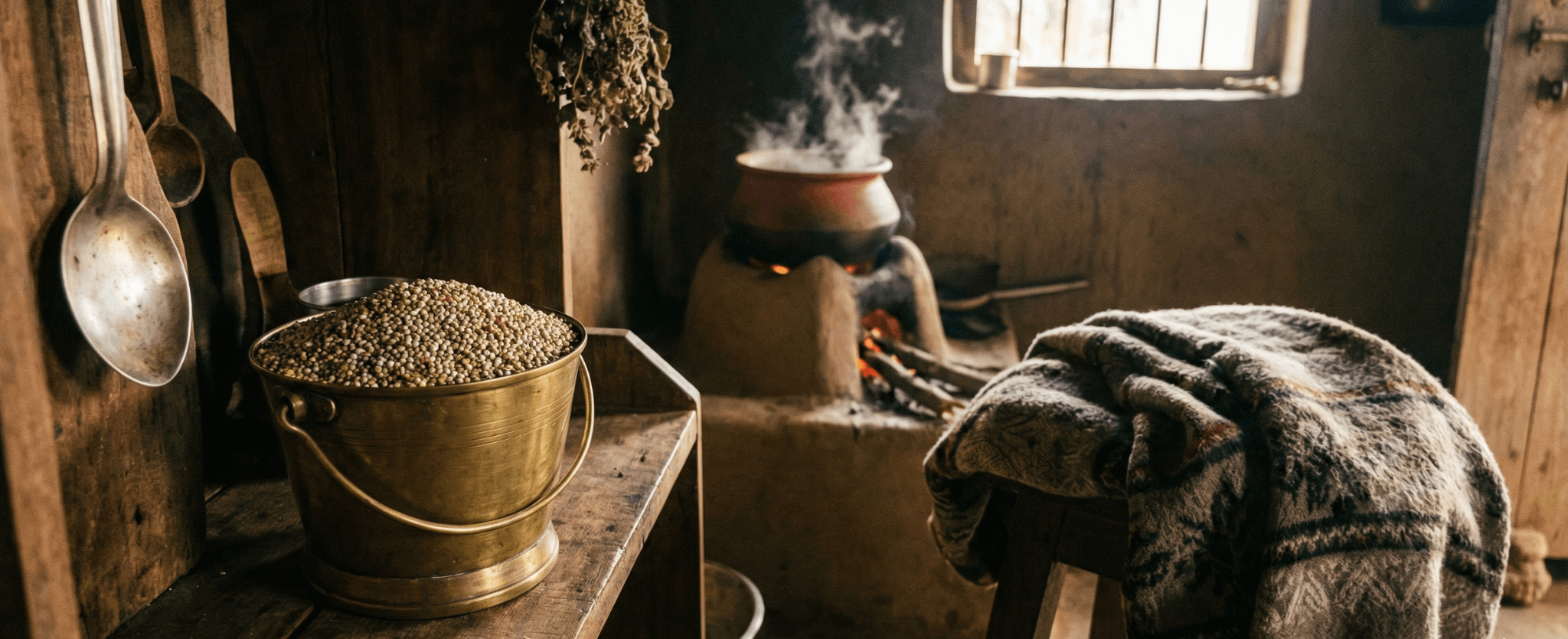
When winter arrives in North India, grandmothers across Punjab, Haryana, and Rajasthan start making the same dish: bajra roti with ghee and jaggery. It’s not just tradition. It’s wisdom passed down through generations about which foods keep your body warm, energized, and healthy during the cold months.
That grain is pearl millet, known as bajra in Hindi, kambu in Tamil, and sajje in Kannada. For centuries, it has been the winter staple across India, particularly in regions with harsh, dry winters. While city dwellers abandoned it for wheat and rice, rural communities never stopped eating pearl millet. They knew something modern nutrition is only now confirming: pearl millet is one of the most nutritious and thermogenic grains available.
Thermogenic means it generates heat in your body as it digests. This isn’t folklore, it’s biochemistry. The complex carbohydrates, high protein, and unique nutrient profile of pearl millet actually increase your body’s metabolic heat production, keeping you warmer from the inside.
Beyond warmth, pearl millet offers exceptional nutrition: more protein than rice, more iron than any other grain, high in calcium and magnesium, and naturally gluten-free. It’s the grain that sustained desert communities through freezing nights and gave farmers the strength to work through winter days.
Today, let’s explore why pearl millet deserves a place in your winter diet, and why our ancestors were absolutely right about this remarkable grain.
What is Pearl Millet?
Pearl millet (Pennisetum glaucum) is the most widely grown type of millet globally. The name “pearl” comes from the small, round, pearl-like shape of the grains.
Regional Names:
- Hindi/Punjabi: Bajra
- Tamil: Kambu
- Telugu: Sajjalu
- Kannada: Sajje
- Marathi: Bajri
- Gujarati: Bajri
- Malayalam: Kambam
Physical Characteristics:
- Larger than other millets
- Grey to dark grey color
- Slightly sweet, nutty flavor
- Dense, heavy texture when cooked
- Stores well for long periods
Pearl millet thrives in arid, drought-prone regions with poor soil where other crops struggle. It’s incredibly resilient, tolerating heat, drought, and low soil fertility better than almost any other cereal crop.
You can find authentic pearl millet (kambu) at Ulamart, sourced from organic farmers who grow this traditional grain using sustainable practices.
Nutritional Powerhouse: What’s in Pearl Millet?
Pearl millet isn’t just filling. It’s exceptionally nutritious.
Pearl Millet Nutritional Comparison (Per 100g)
| Nutrient | Pearl Millet | White Rice | Wheat | Foxtail Millet |
| Protein | 11.6g | 2.7g | 11.8g | 12.3g |
| Fiber | 8.5g | 0.4g | 12.2g | 8.0g |
| Iron | 8.0mg | 0.2mg | 3.2mg | 2.8mg |
| Calcium | 42mg | 10mg | 29mg | 31mg |
| Magnesium | 137mg | 12mg | 126mg | 81mg |
| Phosphorus | 296mg | 68mg | 288mg | 290mg |
| Zinc | 3.1mg | 0.5mg | 2.7mg | 2.4mg |
| B Vitamins | High | Low | Moderate | High |
| Calories | 361 | 130 | 346 | 351 |
Key Highlights:
- 40 times more iron than white rice (highest among grains)
- 4x more calcium than white rice
- 11x more magnesium than white rice
- Exceptional protein quality with good amino acid balance
- Rich in B vitamins, especially niacin (B3)
- High phosphorus for bone and energy health
This nutritional density explains why pearl millet sustained desert communities and why it’s making a comeback among health-conscious eaters.
Why Pearl Millet is Perfect for Winter
Beyond general nutrition, pearl millet has specific properties that make it ideal for cold weather.
1. Thermogenic Effect (Generates Body Heat)
This is pearl millet’s signature winter benefit.
How it works:
- Complex carbohydrates require significant digestive energy
- High protein content increases thermogenic effect of digestion
- Body produces heat as it breaks down these nutrients
- This process (called diet-induced thermogenesis) keeps you warm from inside
Traditional wisdom confirmed: Ayurveda classifies pearl millet as “heating” (ushna virya), meaning it increases body heat. This isn’t mystical – it’s the thermogenic effect that modern nutrition now measures scientifically.
Practical benefit:
- Reduces feeling of cold in winter
- Maintains core body temperature
- Provides sustained warmth for several hours after eating
- Especially beneficial in unheated homes or cold climates
2. Sustained Energy Through Cold Days
Winter days often mean you need energy for longer periods without frequent eating.
Pearl millet provides:
- Slow-releasing complex carbohydrates
- Protein for sustained satiety
- B vitamins for efficient energy metabolism
- Magnesium for cellular energy production
Result: Steady energy for 5-6 hours after a pearl millet meal, perfect for long winter work days.
3. Supports Immunity During Cold Season
Winter is cold and flu season. Pearl millet’s nutrients specifically support immune function.
Zinc (3.1mg per 100g): Essential for immune cell function and antibody production
Iron (8.0mg): Critical for healthy immune response
B Vitamins: Support immune system at cellular level
Antioxidants: Pearl millet contains phenolic compounds that fight oxidative stress
Traditional use: Pearl millet was given to children and elderly specifically during winter to keep them strong and healthy.
4. Combats Winter Anemia
Iron deficiency anemia is common, particularly among women, and often worsens in winter when dietary variety decreases.
Pearl millet’s exceptional iron content (8mg per 100g) helps:
- Replenish iron stores
- Support hemoglobin production
- Prevent winter fatigue
- Improve oxygen transport to tissues
Especially beneficial for:
- Menstruating women
- Pregnant women (consult doctor first)
- Growing children
- Vegetarians and vegans
- Anyone with diagnosed iron deficiency
Pair with vitamin C-rich foods for maximum iron absorption.
5. Strengthens Bones (Critical in Winter)
Winter often means less sun exposure and lower vitamin D synthesis, which can affect bone health. Pearl millet supports bones through:
Calcium (42mg): Building block of bones
Phosphorus (296mg): Works with calcium for bone strength
Magnesium (137mg): Essential for calcium absorption and bone formation
Zinc: Supports bone-forming cells
This combination makes pearl millet particularly valuable for:
- Growing children during winter months
- Post-menopausal women
- Elderly individuals
- Anyone with reduced sun exposure
6. Regulates Winter Blood Sugar
Holiday sweets and reduced physical activity in winter can challenge blood sugar control. Pearl millet helps:
High fiber (8.5g): Slows glucose absorption
Low glycemic index (55): Prevents blood sugar spikes
Magnesium: Improves insulin sensitivity
Complex carbs: Provide steady glucose release
This makes pearl millet excellent for diabetics year-round, but especially helpful during the challenging winter months with festive foods.
Additional Health Benefits of Pearl Millet
Beyond winter-specific advantages, pearl millet offers year-round health benefits.
Heart Health
Magnesium: Supports healthy blood pressure and heart rhythm
Fiber: Helps reduce LDL (bad) cholesterol
Potassium: Balances sodium and supports cardiovascular function
Antioxidants: Protect heart tissue from oxidative damage
Regular pearl millet consumption may reduce cardiovascular disease risk.
Digestive Health
High fiber: Promotes regular bowel movements and prevents constipation
Prebiotic effect: Feeds beneficial gut bacteria
Easy to digest: Despite being filling, it’s gentle on the digestive system when properly prepared
Traditional use: Pearl millet khichdi was prescribed for digestive recovery in Ayurveda
Weight Management
This might seem contradictory for a “warming” grain, but pearl millet actually supports healthy weight:
High satiety: Keeps you full for hours, reducing overall calorie intake
Slow energy release: Prevents hunger crashes that lead to snacking
Nutrient density: You get more nutrition per calorie than refined grains
Thermogenic effect: The heat production itself burns some calories
Gluten-Free and Safe for Celiac Disease
Pearl millet is naturally gluten-free, making it safe for:
- People with celiac disease
- Those with gluten sensitivity
- Anyone following a gluten-free diet
It can replace wheat in many traditional recipes, providing similar satisfaction with better nutrition.
Thyroid Health Support
The magnesium and zinc in pearl millet support healthy thyroid function:
- Required for thyroid hormone synthesis
- Help convert T4 to active T3 hormone
- Support iodine utilization
Note: People with existing thyroid conditions should consult their doctor about dietary changes.
Women’s Health
Pearl millet is particularly beneficial for women:
Iron for menstruation: Replaces iron lost during monthly cycles
Calcium for bone health: Important during pregnancy, nursing, and menopause
Magnesium for PMS: May help reduce PMS symptoms
Sustained energy: Supports energy needs during pregnancy and nursing (consult doctor)
How to Cook Pearl Millet
Pearl millet requires different preparation than rice. Here’s how to cook it perfectly.
Whole Grain Pearl Millet (Cooked Like Rice)
Preparation:
Ratio: 1 cup pearl millet to 3 cups water
Steps:
- Rinse thoroughly: Wash millet 3-4 times until water runs clear
- Optional soak: Soak 6-8 hours or overnight (reduces cooking time, improves digestibility)
- Boil water: Bring water to rolling boil
- Add millet: Add drained millet to boiling water
- Simmer: Reduce to low heat, cover, cook 25-30 minutes
- Rest: Let sit covered for 10 minutes off heat
- Fluff: Gently fluff with fork
Result: Separate, slightly chewy grains
Pressure Cooker Method:
- 1:2.5 ratio (millet to water)
- Soak first
- Cook for 3-4 whistles
- Natural pressure release
- Much faster!
Pearl Millet Flour (Bajra Atta)
Most commonly used form in Indian cooking.
Making rotis:
- Mix flour with warm water to make dough
- Knead well (dough will be less elastic than wheat)
- Let rest 15-20 minutes
- Roll thick (thicker than wheat rotis)
- Cook on hot griddle
- Apply ghee while hot
Tip: Mix 50-50 with wheat flour initially if pure bajra is too heavy
Our pearl millet flour (kambu) is freshly ground and perfect for making traditional rotis.
Cooking Tips for Best Results
Toast before cooking: Dry roast millet for 2-3 minutes for enhanced nutty flavor
Use enough water: Pearl millet absorbs more water than other millets
Don’t skip soaking: Soaking improves texture and digestibility
Season generously: Pearl millet’s mild taste takes well to spices and seasonings
Add fat: A teaspoon of ghee or sesame oil during cooking enhances flavor and nutrition
Delicious Pearl Millet Recipes for Winter
Traditional Bajra Roti (Winter Staple)
The classic North Indian winter bread:
Ingredients:
- Pearl millet flour (bajra atta)
- Warm water
- Salt
- Ghee for serving
Method:
- Mix flour with salt and warm water to form soft dough
- Knead well, rest 20 minutes
- Make thick rotis (about 1/4 inch thick)
- Cook on hot griddle until brown spots appear
- Flip and cook other side
- Apply generous ghee on hot roti
Serve with: Jaggery and ghee (traditional), or vegetables and dal
Why it’s perfect for winter: Thermogenic roti + warming ghee + energy from jaggery
Pearl Millet Khichdi (Comfort Food)
One-pot nutritious meal:
Ingredients:
- 1 cup pearl millet (whole grain)
- 1/2 cup moong dal
- Vegetables (carrots, peas, beans)
- Ginger, turmeric, cumin
- Ghee
- Salt
Method:
- Soak millet and dal for 2 hours
- Pressure cook with vegetables, spices, and water
- Cook for 4-5 whistles
- Temper with cumin and ghee
- Serve hot
Perfect for: Cold winter nights, easy digestion, complete nutrition
Bajra Ladoo (Winter Energy Balls)
Sweet treat that’s actually healthy:
Ingredients:
- Pearl millet flour (roasted)
- Jaggery or country sugar
- Ghee
- Cardamom powder
- Chopped nuts
Method:
- Roast bajra flour until aromatic
- Melt jaggery with little water
- Mix flour, jaggery syrup, ghee, spices
- Shape into balls while warm
- Roll in sesame seeds (optional)
Benefits: Energy boost, warmth, iron, and natural sweetness
Pearl Millet Porridge (Kambu Koozh)
South Indian cooling preparation (yes, for summer!):
Ingredients:
- Cooked pearl millet
- Buttermilk or yogurt
- Salt, ginger, green chilies
- Curry leaves, mustard seeds for tempering
Method:
- Mix cooked millet with buttermilk
- Add salt, finely chopped ginger, chilies
- Temper with mustard, curry leaves
- Serve cool or at room temperature
Note: While pearl millet is heating, this preparation is cooling. Good for hot summer days in South India.
Bajra Kheer (Sweet Porridge)
Festive winter dessert:
Ingredients:
- Pearl millet (whole or broken)
- Milk
- Jaggery or sugar
- Cardamom, saffron
- Nuts and raisins
Method:
- Roast millet lightly
- Cook in milk until very soft (takes 45-60 minutes)
- Add sweetener, cardamom, saffron
- Garnish with roasted nuts
- Serve warm
Perfect for: Winter celebrations, nutritious dessert for children
Bajra Pizza Base
Modern healthy twist:
Ingredients:
- Pearl millet flour
- Whole wheat flour (50-50 mix)
- Yeast, olive oil, salt
Method:
- Make dough with yeast, let rise
- Roll thin like pizza base
- Bake with toppings
- Healthier than white flour pizza
Kid-friendly: Great way to introduce pearl millet to children
Pearl Millet vs Other Millets
How does pearl millet compare to other millets?
Pearl Millet vs Foxtail Millet
Iron: Pearl millet wins (8.0mg vs 2.8mg)
Calcium: Pearl millet wins (42mg vs 31mg)
Fiber: Similar
Cooking time: Pearl millet takes longer
Use case: Pearl millet for winter warmth and iron, foxtail for everyday use
Pearl Millet vs Ragi (Finger Millet)
Calcium: Ragi wins dramatically (344mg vs 42mg)
Iron: Pearl millet wins (8.0mg vs 3.9mg)
Protein: Similar
Use case: Ragi for bone health and calcium, pearl millet for iron and winter warmth
Pearl Millet vs Little Millet
Iron: Pearl millet wins (8.0mg vs 9.3mg) – actually close!
Magnesium: Pearl millet wins significantly
Grain size: Pearl millet much larger
Use case: Pearl millet for winter, little millet for weight loss
Pearl Millet vs Barnyard Millet
Glycemic Index: Barnyard millet lower (better for diabetes)
Iron: Pearl millet much higher
Traditional use: Barnyard for fasting, pearl for winter sustenance
The verdict: Pearl millet stands out for iron content, warming properties, and winter suitability. Each millet has its strengths – rotate between them for complete nutrition.
Who Should Eat Pearl Millet?
Highly Recommended For:
People in Cold Climates: The thermogenic effect provides genuine warmth
Iron-Deficient Individuals: Especially women with anemia
Athletes and Active People: High protein and energy for performance
Growing Children: Excellent nutrition for development
Vegetarians/Vegans: Complete protein when combined with legumes
Gluten-Sensitive: Safe, nutritious wheat alternative
Winter Months: Everyone can benefit from pearl millet in winter
Beneficial For (With Caution):
Diabetics: Low GI helps, but monitor portions
Pregnant Women: Excellent nutrition, but consult doctor (some traditions avoid certain grains)
People with Thyroid Issues: Supportive nutrients, but check with doctor
Traditional Wisdom: Seasonal Eating
Pearl millet perfectly demonstrates the wisdom of seasonal eating.
Why Winter?
Body needs: More calories for warmth, immune support, sustained energy
Pearl millet provides: Thermogenic effect, iron for immunity, slow energy release
Perfect match: The grain’s properties align with winter’s demands
Regional Adaptation
North India (Punjab, Haryana, Rajasthan): Bajra roti is winter staple. Makes sense – harsh, dry winters require warming foods.
South India: Pearl millet used year-round but consumed as cooling fermented porridge (koozh) in summer. Same grain, different preparation for different climate needs.
This teaches us: It’s not just what you eat but how you prepare it. Adaptation is key.
Buying, Storing, and Using Pearl Millet
Buying Quality Pearl Millet
Whole grain: Should be clean, grey color, free from stones or debris
Flour: Should smell fresh, not musty; buy from trusted sources
Organic preferred: Ensures no chemical treatments
Check date: Fresher is always better
At Ulamart, our pearl millet (kambu) and pearl millet flour are organically grown and carefully cleaned.
Storage Guidelines
Whole grain:
- Store in airtight container
- Cool, dark, dry place
- Lasts 6-9 months easily
- Can refrigerate for 12+ months
Flour:
- More perishable than whole grain
- Refrigerate if possible
- Use within 2-3 months
- Check for rancid smell before use
Refer to our complete grain storage guide for detailed instructions.
How Much to Use
Daily consumption:
- 1-2 rotis (about 50-75g flour)
- Or 1/2 to 3/4 cup cooked millet
- Mix with other grains for variety
Children:
- Start small (1/2 roti or 1/4 cup cooked)
- Gradually increase as they adjust
- Can mix with wheat flour initially
Common Questions About Pearl Millet
Is pearl millet too heating for everyone? For most people, the warming effect is beneficial, especially in winter. In summer or for people with excess body heat (Pitta constitution in Ayurveda), reduce quantity or prepare as cooling dishes like koozh.
Can diabetics eat pearl millet? Yes! The GI is moderate (55), much better than white rice. The high fiber helps control blood sugar. Start with small portions and monitor response.
Why do pearl millet rotis break easily? Pearl millet flour lacks gluten, so dough is less elastic. Make thick rotis, handle gently, and it gets easier with practice. Or mix with wheat flour 50-50 initially.
Can I eat pearl millet in summer? Yes, but prepare differently. Make cooling preparations like fermented koozh instead of hot rotis. Or reduce quantity in summer months.
Is pearl millet hard to digest? Not if properly prepared. Soak whole grains before cooking. For flour, knead dough well and let it rest. The extra fiber takes time to digest, which is actually good (keeps you full longer).
How does pearl millet taste? Mild, slightly sweet, nutty flavor. Less pronounced than some other millets. Takes well to spices and seasoning.
Can children eat pearl millet? Yes! Excellent for growing children due to high calcium, iron, and protein. Start with small amounts mixed with familiar grains.
Making Pearl Millet a Winter Habit
Week 1-2: Introduction
Replace wheat roti with bajra roti for dinner 2-3 times per week.
What to expect:
- Different texture (denser, slightly crumbly)
- Feeling warmer after eating
- Staying full longer
Week 3-4: Expansion
Make pearl millet your primary winter grain for dinner.
What to try:
- Different preparations (roti, khichdi, porridge)
- Various accompaniments
- Involve family in cooking
Winter Months: Regular Rotation
Rotate between pearl millet and other grains:
- Monday/Wednesday: Bajra roti
- Tuesday/Thursday: Foxtail millet or regular rice
- Friday: Bajra khichdi
- Weekend: Variety
Summer transition: Reduce pearl millet quantity, increase other millets, or switch to cooling pearl millet preparations.
Final Thoughts: Rediscovering Winter Wisdom
There’s a reason your grandmother insisted on bajra roti in winter. It wasn’t just habit or tradition. It was understanding, passed down through generations, that certain foods support your body’s needs in specific seasons.
Pearl millet generates warmth when you need it. Provides iron when winter vegetables are limited. Gives sustained energy when days are shorter and work demands are constant. Supports immunity when colds and flu circulate.
Modern nutrition is catching up to what traditional communities always knew. And now we have both the ancestral wisdom and the scientific validation. Pearl millet isn’t just permitted in winter – it’s ideal for winter.
As temperatures drop, don’t just layer more clothes. Nourish yourself from within. Let pearl millet do what it’s done for thousands of years: keep you warm, strong, and healthy through the cold months.
Welcome winter with a hot bajra roti, generous ghee, and the knowledge that you’re eating exactly what your body needs.
Ready for winter wellness? Stock up on our organic pearl millet products:
Whole Grain:
- Pearl Millet (Kambu) – Organic whole grain
- Pearl Millet Flour – Freshly ground
Other Winter-Perfect Millets:
- Ragi (Finger Millet) – High calcium
- Foxtail Millet – Everyday nutrition
- Browse all millets
Perfect Pairings:
- Green Gram Moong Dal – For protein-rich khichdi
- Country Sugar/Jaggery – For traditional bajra roti combination
- Cold-Pressed Sesame Oil – Warming oil for winter cooking
Stay warm this winter, naturally!
Winter Wellness Tip: Combine bajra roti with seasonal vegetables, a serving of organic pulses, and ghee for a complete, warming winter meal that nourishes deeply.