If you’ve tried every diet, counted every calorie, and still struggle to lose weight, the problem might not be your willpower. It might be your grain.
Most weight loss advice tells you to eat less rice, less bread, smaller portions. You’re left hungry, frustrated, and eventually give up because no one can sustain constant hunger. What if the solution wasn’t eating less, but eating different?
Enter Kodo millet, an ancient grain that’s been quietly helping people maintain healthy weight for thousands of years. Not through starvation or deprivation, but through genuine satiety and balanced nutrition.
Kodo millet (Paspalum scrobiculatum) has one of the lowest calorie densities among all grains while being exceptionally filling. It’s high in protein and fiber, digests slowly, keeps blood sugar stable, and actually tastes good. People who switch to Kodo millet often report feeling satisfied with smaller portions without even trying to restrict.
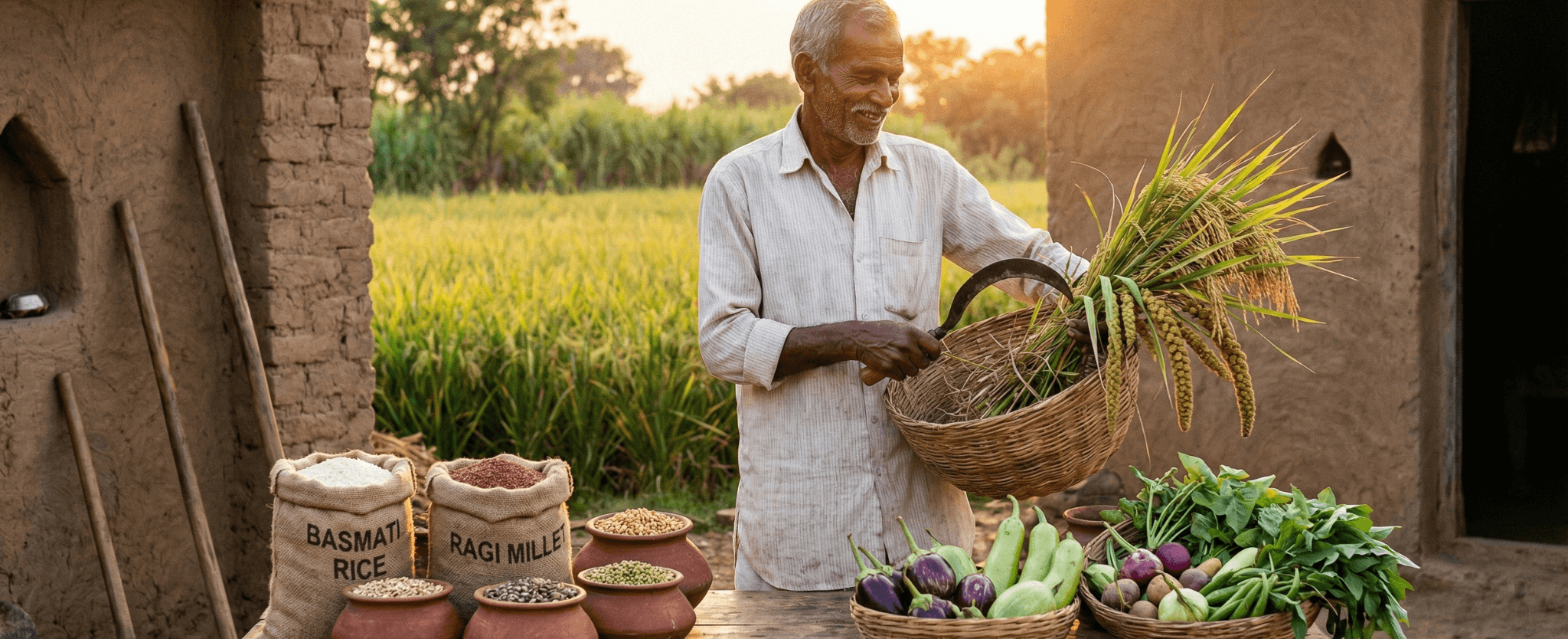
This isn’t a trendy superfood discovered in a lab. Kodo millet has been cultivated in India for over 3,000 years, sustaining farmers and tribal communities through seasons of scarcity. What kept them healthy and at stable weights can work for modern weight loss challenges too.
Today, let’s explore why Kodo millet is one of the most effective grains for weight loss, backed by both ancient wisdom and modern science.
What is Kodo Millet?
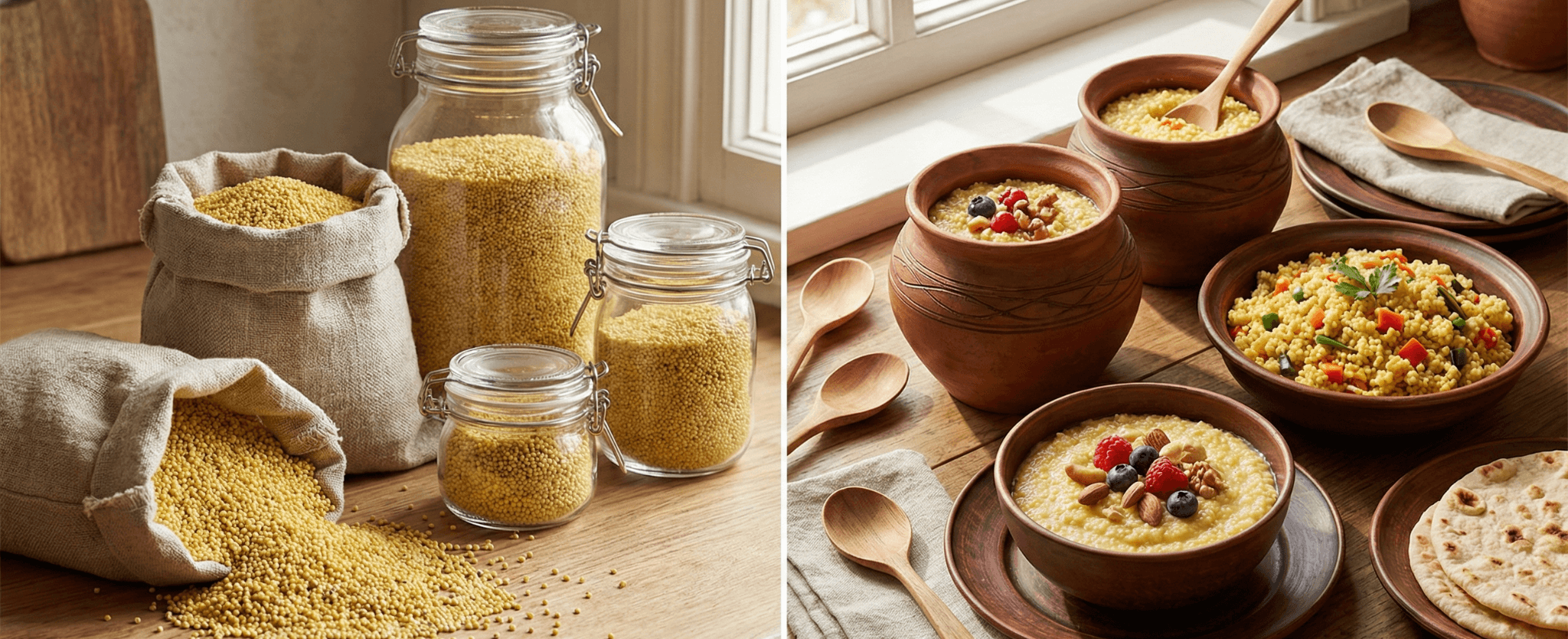
Kodo millet (Paspalum scrobiculatum) is one of the oldest cultivated millets in India, with archaeological evidence dating back thousands of years.
Regional Names:
- Tamil: Varagu
- Telugu: Arikelu
- Kannada: Harka
- Hindi: Kodra
- Marathi: Kodri
Physical Characteristics:
- Small, round grains
- Light brown to grey color
- Mild, nutty flavor
- Slightly sticky when cooked (similar to rice)
- Cooks relatively quickly for a millet
Growing Regions:
- Grows in poor, dry soil where other crops struggle
- Cultivated in Karnataka, Tamil Nadu, Gujarat, Madhya Pradesh
- Drought-resistant and climate-resilient
- Requires minimal water and fertilizer
At Ulamart, our Kodo millet (Varagu) is organically grown, ensuring you get pure, chemical-free grains that support both your health and sustainable farming.
The Weight Loss Science Behind Kodo Millet
Let’s understand exactly why Kodo millet works for weight loss.
Nutritional Profile: Kodo Millet vs Other Grains (Per 100g)
| Nutrient | Kodo Millet | White Rice | Wheat | Foxtail Millet |
| Calories | 309 kcal | 345 kcal | 346 kcal | 351 kcal |
| Protein | 8.3g | 6.8g | 11.8g | 12.3g |
| Fiber | 9.0g | 0.6g | 12.2g | 8.0g |
| Carbohydrates | 65.9g | 78.2g | 71.2g | 60.9g |
| Fat | 1.4g | 0.5g | 1.5g | 4.3g |
| Iron | 0.5mg | 0.7mg | 3.2mg | 2.8mg |
| Calcium | 27mg | 10mg | 29mg | 31mg |
| Magnesium | High | Low | Moderate | High |
| Glycemic Index | 50-54 | 70-90 | 74 | 50-55 |
Key Weight Loss Highlights:
- Lower calories than rice and wheat
- High fiber (9g) – 15 times more than white rice
- Lower carbohydrates than rice and wheat
- Good protein (8.3g) for satiety
- Low Glycemic Index (50-54) prevents fat storage
This combination creates the perfect storm for weight loss.
Top 10 Reasons Kodo Millet Supports Weight Loss
1. Lowest Calorie Density Among Major Grains
The calorie advantage: At 309 calories per 100g, Kodo millet has fewer calories than:
- White rice (345 cal)
- Wheat (346 cal)
- Most other millets (350-360 cal)
What this means: You can eat the same volume of food for fewer calories. This is huge for weight loss because you don’t feel deprived.
Practical impact: Replace your regular rice or wheat with Kodo millet, and you automatically reduce calorie intake by 10-15% without reducing portion size.
2. Exceptionally High Fiber Keeps You Full
The fiber factor: 9g of fiber per 100g is extraordinary.
How fiber aids weight loss:
- Slows digestion (you feel full longer)
- Reduces overall calorie absorption
- Prevents snacking between meals
- Requires more chewing (triggers satiety signals)
- Adds volume to stool (digestive health)
Real-world effect: People who switch to Kodo millet report staying satisfied for 4-5 hours after a meal, compared to 2-3 hours with white rice. That’s 1-2 fewer snacking opportunities per day.
3. Low Glycemic Index Prevents Fat Storage
The GI advantage: At 50-54, Kodo millet’s glycemic index is significantly lower than white rice (70-90).
How low GI promotes weight loss:
Stable blood sugar: No sharp spikes and crashes that trigger hunger and cravings
Less insulin: Lower insulin levels mean your body can burn fat instead of storing it. High insulin (from high-GI foods) signals fat storage mode.
Reduced cravings: Stable blood sugar eliminates the carb cravings that derail diets
Better fat burning: With lower insulin, your body accesses stored fat for energy
Why it matters: You could eat the same calories, but low-GI foods like Kodo millet lead to more weight loss than high-GI foods. It’s not just calories in, calories out – the hormonal response matters.
4. High Protein Content Increases Satiety
The protein power: At 8.3g per 100g, Kodo millet has good protein for a grain.
Why protein aids weight loss:
Thermogenic effect: Protein requires more energy to digest than carbs or fat, burning 20-30% of its calories just in digestion
Satiety hormone: Protein triggers release of hormones like GLP-1 and PYY that signal fullness
Muscle preservation: During weight loss, adequate protein preserves muscle mass (which keeps metabolism high)
Reduces appetite: Multiple studies show high-protein diets reduce overall calorie intake naturally
Practical benefit: The protein in Kodo millet keeps you fuller longer than eating equal calories of pure carbs.
5. Complex Carbohydrates Provide Sustained Energy
Slow-release carbs: Kodo millet’s carbohydrates are complex, breaking down slowly over hours.
Weight loss advantage:
No energy crashes: Avoid the mid-morning or afternoon slump that drives people to sugary snacks
Consistent willpower: Stable energy means stable mood and better decision-making (no hangry bad choices)
Exercise fuel: Sustained energy supports physical activity crucial for weight loss
No binge triggers: Unlike simple carbs that create feast-famine cycles, complex carbs keep intake steady
6. Low in Fat, Virtually Fat-Free
Fat content: Just 1.4g per 100g, mostly healthy unsaturated fats.
Why this helps:
- Fat has 9 calories per gram (vs 4 for protein/carbs)
- Low-fat grains leave room for healthy fats from nuts, seeds, fish
- You can add small amounts of oil or ghee without excessive calories
Balance approach: Kodo millet is naturally low-fat, allowing you to control fat intake based on your needs.
7. Improves Gut Health and Metabolism
Prebiotic fiber: The fiber in Kodo millet feeds beneficial gut bacteria.
Weight loss connection:
Gut microbiome matters: Research shows that people with obesity have different gut bacteria than lean people. Improving gut health supports weight loss.
Better nutrient absorption: Healthy gut bacteria help extract maximum nutrition from less food
Reduced inflammation: Good gut health reduces system-wide inflammation that interferes with weight loss
Improved insulin sensitivity: Healthy gut bacteria improve how your body responds to insulin
8. Naturally Gluten-Free (Reduces Bloating)
No gluten: Perfect for those with celiac disease or gluten sensitivity.
Weight loss benefit:
- Reduces bloating and water retention (makes you look and feel lighter)
- Eliminates digestive discomfort that reduces activity
- Some people find gluten-containing grains trigger cravings
Note: Even without gluten issues, many people report feeling “lighter” and less bloated on millet-based diets.
9. Packed with Antioxidants
Antioxidant profile: Kodo millet contains polyphenols and other antioxidants.
How antioxidants support weight loss:
Reduce oxidative stress: Obesity itself causes oxidative stress; antioxidants combat this
Support metabolism: Oxidative damage can impair metabolic function; antioxidants protect it
Reduce inflammation: Chronic inflammation interferes with weight loss hormones
Support exercise: Antioxidants aid recovery from exercise (essential for active weight loss)
10. Versatile and Affordable (Supports Long-Term Success)
Practical advantages:
Tastes good: Mild, nutty flavor that most people enjoy Easy to cook: Simpler than some other millets Budget-friendly: More affordable than quinoa or imported grains Culturally familiar: Can replace rice in Indian meals seamlessly Family-friendly: Everyone can eat it (no separate cooking)
Why this matters: Sustainable weight loss requires a diet you can maintain long-term. Kodo millet ticks all the boxes for real-life adherence.
How to Use Kodo Millet for Maximum Weight Loss Results
Having the right grain is only half the battle. Here’s how to use it effectively.
Portion Guidelines for Weight Loss
Daily recommendation:
- 1/2 to 3/4 cup cooked Kodo millet per meal
- 1-2 meals per day with Kodo millet
- Combine with vegetables and protein for complete nutrition
Calculation example:
- 1/2 cup cooked Kodo millet = approximately 155 calories
- Add 1 cup vegetables (50 cal) + 100g protein source (150 cal)
- Total satisfying meal = 355 calories
Compare to:
- 1 cup cooked white rice (204 cal) + same additions = 404 calories
- And you’ll be hungry sooner!
Meal Timing Strategy
Best times to eat Kodo millet:
Breakfast: Excellent choice
- Sustained energy through morning
- Reduces mid-morning snacking
- Sets positive tone for day
Lunch: Perfect option
- Prevents afternoon energy crash
- Reduces evening hunger
- Supports active afternoon
Dinner: Use with caution
- Okay if eaten early (6-7 PM)
- Keep portion smaller
- Pair with lots of vegetables
Avoid: Late night (after 8 PM) – any carbs before bed can interfere with fat burning overnight
Cooking Methods for Weight Loss
Best cooking methods:
Plain boiled: No added fats, maximum weight loss benefit
Pressure cooker: Quick, retains nutrients, no oil needed
Porridge/khichdi: Mix with moong dal for complete protein
Avoid for weight loss:
- Deep fried millet snacks
- Excess ghee or oil in preparation
- Sweet preparations with sugar
- Fried millet dosa/pakora
Food Combining for Weight Loss
Pair Kodo millet with:
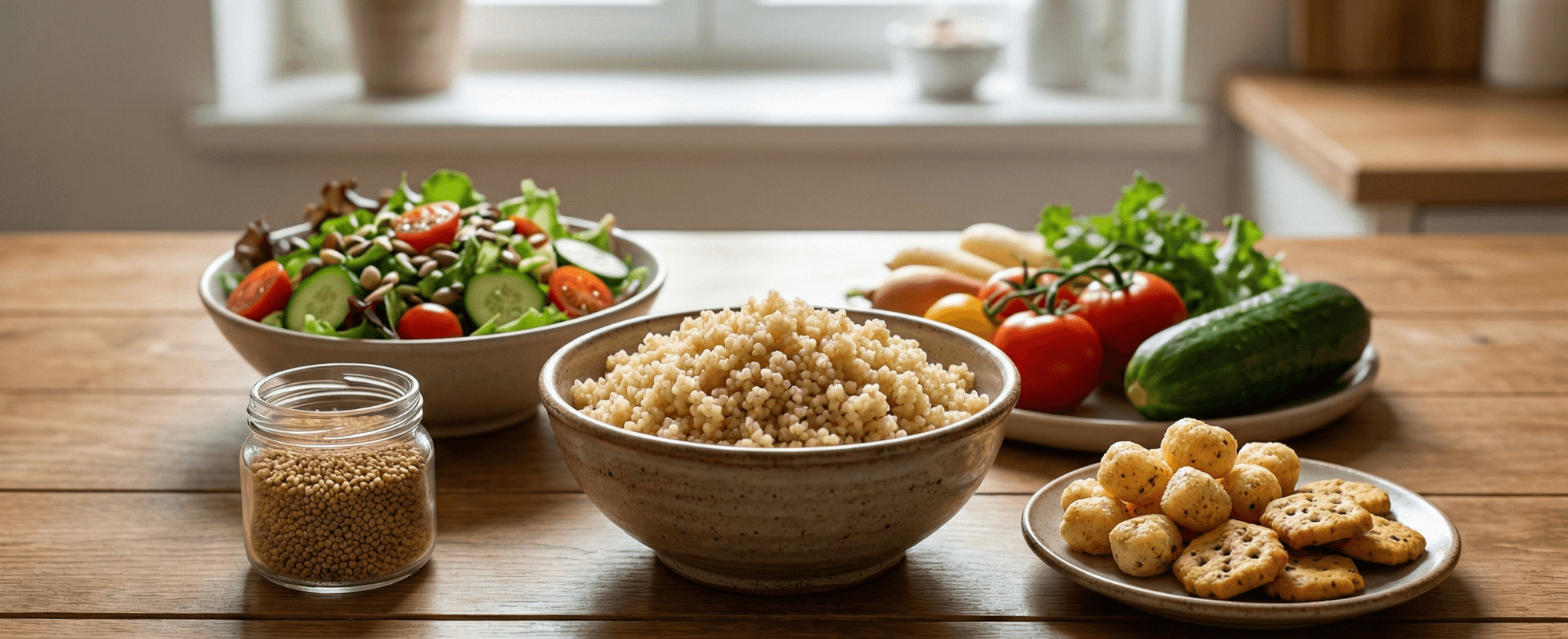
Vegetables (unlimited): Fill half your plate
- Leafy greens, broccoli, cauliflower, peppers, tomatoes
- Provides volume, fiber, nutrients for minimal calories
Protein (palm-size portion): Fish, chicken, tofu, dal, eggs
- Enhances satiety
- Preserves muscle during weight loss
- Increases thermogenic effect
Healthy fats (1 teaspoon): Sesame oil, olive oil, ghee
- Needed for nutrient absorption
- Satisfies fat-soluble vitamin needs
- Small amount adds flavor and satiety
Avoid pairing with:
- Heavy curries with excess oil
- Fried accompaniments
- Large amounts of starchy vegetables (potatoes, yams)
Kodo Millet Recipes for Weight Loss
1. Basic Kodo Millet (Rice Replacement)
Ingredients:
- 1 cup Kodo millet
- 2.5 cups water
- 1/2 teaspoon salt
Method:
- Rinse millet 2-3 times
- Soak for 15-20 minutes (optional but recommended)
- Bring water to boil, add salt
- Add drained millet
- Simmer on low heat for 15-20 minutes
- Let rest 5 minutes, fluff with fork
Serve with: Light dal, vegetable curry, sambhar
Calories per serving (1/2 cup cooked): ~155 calories
2. Kodo Millet Vegetable Khichdi (Complete Meal)
Weight loss perfect one-pot meal:
Ingredients:
- 1/2 cup Kodo millet
- 1/4 cup moong dal
- 2 cups mixed vegetables (carrots, beans, peas, tomatoes)
- 1 teaspoon cumin seeds
- Ginger, garlic, turmeric, salt
- 3 cups water
- 1 teaspoon sesame oil
Method:
- Rinse millet and dal together
- Heat oil, add cumin, ginger, garlic
- Add vegetables, sauté 2 minutes
- Add millet, dal, turmeric, salt
- Add water, pressure cook for 3 whistles
- Serve hot with yogurt
Why it’s perfect for weight loss:
- Complete protein (millet + dal)
- High fiber and vegetables
- Minimal fat
- Extremely filling
- Around 300 calories per generous serving
3. Kodo Millet Upma (Savory Breakfast)
Ingredients:
- 1 cup Kodo millet (cooked previous night)
- 1 small onion, chopped
- Mixed vegetables (optional)
- Mustard seeds, urad dal, curry leaves
- Green chilies, ginger
- 1 teaspoon oil
- Salt, lemon juice
Method:
- Cook millet and let cool overnight
- Heat oil, add tempering ingredients
- Add vegetables, sauté
- Add cooked millet, mix well
- Season with salt, lemon juice
- Garnish with coriander
Weight loss benefit: Make-ahead breakfast ready in 5 minutes, prevents reaching for unhealthy options
4. Kodo Millet Porridge (Breakfast)
Ingredients:
- 1/4 cup Kodo millet
- 1 cup water + 1/2 cup low-fat milk
- Cinnamon, cardamom
- Handful nuts and berries
- 1 teaspoon honey (optional)
Method:
- Dry roast millet for 2 minutes
- Cook in water until soft (15 minutes)
- Add milk, spices, cook 5 more minutes
- Top with nuts and berries
- Add honey if needed
Why it works: High protein, high fiber breakfast that keeps you full until lunch (no mid-morning snacking)
5. Kodo Millet Salad (Cold Preparation)
Ingredients:
- 2 cups cooked Kodo millet (cooled)
- Cucumber, tomato, bell peppers (chopped)
- Lemon juice, olive oil (1 teaspoon)
- Fresh herbs, salt, pepper
Method:
- Mix all ingredients
- Refrigerate for 30 minutes
- Serve cold
Perfect for: Lunch boxes, summer meals, meal prep
Calories: Under 250 calories for filling bowl
6. Kodo Millet Dosa (Healthier Version)
Ingredients:
- 1 cup Kodo millet
- 1/4 cup urad dal
- 1/4 teaspoon fenugreek seeds
- Salt
Method:
- Soak millet, dal, fenugreek for 6 hours
- Grind to smooth batter
- Ferment overnight
- Make thin dosas on non-stick pan with minimal oil
Weight loss advantage: Traditional dosa taste with better nutrition and lower GI
Creating a Kodo Millet Weight Loss Meal Plan
Here’s a sample day showing how to incorporate Kodo millet.
Sample Weight Loss Day
Breakfast (8:00 AM):
- Kodo millet porridge with nuts and berries
- Green tea
- Calories: ~300
Mid-Morning (11:00 AM):
- Fresh fruit or handful of nuts
- Calories: ~100
Lunch (1:00 PM):
- Kodo millet vegetable khichdi
- Side salad with lemon dressing
- Buttermilk
- Calories: ~400
Evening Snack (4:00 PM):
- Herbal tea with 4-5 nuts
- Calories: ~80
Dinner (7:00 PM):
- Grilled chicken/fish or paneer
- Large vegetable salad
- Small portion (1/4 cup) Kodo millet or skip
- Calories: ~350
Total: ~1,230 calories
Adjust based on your needs:
- Add portions if you exercise heavily
- This is sustainable, not starvation
- You won’t feel hungry on this plan
Beyond Diet: Lifestyle Factors for Success
Kodo millet is powerful, but weight loss requires a holistic approach.
1. Adequate Hydration
Why it matters:
- Fiber needs water to work (prevents constipation)
- Often we confuse thirst with hunger
- Water supports metabolism
Goal: 8-10 glasses daily, more if exercising
2. Regular Physical Activity
The reality: You can’t out-exercise a bad diet, but you can’t achieve optimal results without movement.
Minimum: 30 minutes daily walking Better: Add strength training 2-3x per week Best: Combination of cardio, strength, flexibility
Kodo millet benefit: Provides steady energy for exercise without causing crashes
3. Adequate Sleep
Sleep and weight loss connection:
- Poor sleep increases hunger hormones (ghrelin)
- Reduces satiety hormones (leptin)
- Impairs insulin sensitivity
- Reduces willpower for healthy choices
Goal: 7-8 hours quality sleep nightly
4. Stress Management
Stress sabotages weight loss:
- Increases cortisol (promotes belly fat storage)
- Triggers emotional eating
- Disrupts sleep
- Reduces motivation
Manage with: Meditation, yoga, nature walks, hobbies
5. Consistency Over Perfection
The key: You don’t need perfect adherence. You need consistent good-enough adherence.
80-20 rule: Eat well 80% of the time. Allow flexibility 20%.
Kodo millet advantage: It’s flexible enough to fit various eating styles and occasions.
Common Weight Loss Mistakes to Avoid
Mistake 1: Eating Only Millet (No Variety)
The problem: No single food provides complete nutrition.
Solution: Rotate Kodo millet with other millets (foxtail, barnyard, little millet) and traditional rice varieties. Include all food groups.
Mistake 2: Overcooking or Adding Excess Fat
The problem: Overcooking increases GI. Excess ghee/oil adds unnecessary calories.
Solution: Cook to just-done texture. Use minimal fat (1 teaspoon per serving maximum).
Mistake 3: Not Controlling Portions
The problem: Even healthy foods cause weight gain if eaten in excess.
Solution: Stick to 1/2-3/4 cup cooked per meal. Fill the rest of your plate with vegetables.
Mistake 4: Expecting Instant Results
The problem: Sustainable weight loss is gradual (0.5-1 kg per week).
Solution: Measure progress beyond the scale (energy, clothes fit, measurements, how you feel).
Mistake 5: Ignoring Other Factors
The problem: Blaming the grain when the problem is late-night eating, liquid calories, stress eating, etc.
Solution: Address all factors holistically. Kodo millet is a tool, not magic.
Kodo Millet vs Other Weight Loss Grains
Kodo Millet vs Foxtail Millet
Calories: Kodo (309) vs Foxtail (351) – Kodo wins
Fiber: Kodo (9g) vs Foxtail (8g) – Kodo wins slightly
Protein: Foxtail (12.3g) vs Kodo (8.3g) – Foxtail wins
Best for: Kodo for maximum calorie reduction; Foxtail for muscle preservation
Verdict: Both excellent. Rotate between them.
Kodo Millet vs Barnyard Millet
Calories: Similar (both around 300-310)
Fiber: Barnyard (10.1g) vs Kodo (9g) – Barnyard wins
GI: Both very low (50-54)
Iron: Barnyard much higher (15.2mg vs 0.5mg)
Best for: Barnyard for iron-deficient; Kodo for better taste/texture
Verdict: Barnyard edges out on nutrition, Kodo on palatability
Kodo Millet vs Quinoa
Protein: Quinoa (14g) vs Kodo (8.3g) – Quinoa wins
Fiber: Similar
Price: Kodo much cheaper (local vs imported)
Culinary fit: Kodo works better in Indian cuisine
Best for: Quinoa for complete protein; Kodo for budget and Indian meals
Verdict: For Indians, Kodo makes more practical sense
Kodo Millet vs Brown Rice
Calories: Kodo (309) vs Brown Rice (370) – Kodo significantly lower
Fiber: Kodo (9g) vs Brown Rice (3.5g) – Kodo much higher
GI: Kodo (50-54) vs Brown Rice (68) – Kodo much lower
Cooking: Kodo faster
Best for: Kodo vastly superior for weight loss
Verdict: Kodo wins comprehensively for weight loss goals
Real Weight Loss Success Factors
Beyond just eating Kodo millet, here’s what actually works:
1. Calorie Deficit (Non-Negotiable)
The truth: You must consume fewer calories than you burn. Kodo millet helps by being filling for fewer calories, but you still need overall deficit.
How much: 500-calorie daily deficit = 0.5kg weight loss per week
Kodo millet role: Makes calorie deficit feel easier, not painful
2. Protein at Every Meal
Why: Preserves muscle, increases satiety, higher thermogenic effect
How: Pair Kodo millet with dal, eggs, chicken, fish, paneer, or yogurt
Amount: Aim for 20-30g protein per meal
3. Vegetable Volume
The secret: Fill half your plate with low-calorie vegetables
Why it works: High volume, high fiber, minimal calories, maximum nutrients
Kodo millet enhancement: The fiber in millet + fiber in vegetables = exceptional satiety
4. Mindful Eating
Practice:
- Eat slowly (20 minutes minimum per meal)
- Chew thoroughly
- Put fork down between bites
- Stop when 80% full
Kodo millet benefit: The slight chewiness naturally slows eating pace
5. Meal Timing and Frequency
What works:
- Eat regular meals at consistent times
- Don’t skip meals (leads to overeating later)
- Front-load calories (bigger breakfast, lighter dinner)
- Stop eating 2-3 hours before bed
Who Should Use Kodo Millet for Weight Loss?
Excellent Choice For:
People struggling with constant hunger: The fiber and protein keep you genuinely satisfied
Those who love rice but need to lose weight: Kodo millet is the best rice alternative
Diabetics needing to lose weight: Low GI supports both goals
People with gluten sensitivity: Naturally gluten-free
Budget-conscious dieters: Affordable compared to imported grains
Families: Everyone can eat it (no separate cooking)
Indian food lovers: Works in traditional recipes seamlessly
Use with Guidance If:
Thyroid issues: Millets contain goitrogens (consult doctor, usually fine in normal amounts)
Digestive sensitivities: Start with small portions, increase gradually
Very active athletes: May need to add more carbs for performance
The 30-Day Kodo Millet Weight Loss Challenge
Want to test if Kodo millet works for you? Try this structured approach:
Week 1: Introduction
Goal: Replace one meal’s grain with Kodo millet
Action:
- Choose breakfast OR lunch
- Continue regular dinner
- Track energy and hunger levels
Expected: Getting used to taste and texture
Week 2: Expansion
Goal: Two meals with Kodo millet
Action:
- Breakfast AND lunch with Kodo millet
- Light dinner (vegetables + protein, minimal or no grain)
- Track weight and measurements
Expected: Notice reduced snacking, stable energy
Week 3: Optimization
Goal: Fine-tune portions and combinations
Action:
- Adjust portion sizes based on hunger
- Experiment with different recipes
- Ensure adequate protein and vegetables
Expected: Find your sustainable rhythm
Week 4: Evaluation
Goal: Assess results and decide on continuation
Action:
- Measure weight loss (expect 1-2 kg if following plan)
- Note energy, digestion, satiety improvements
- Decide if sustainable long-term
Expected: Clear indication if Kodo millet works for your body
Final Thoughts: The Ancient Solution to Modern Weight Struggles
Weight loss is hard because modern food is designed to be over-consumed. High-calorie density, high glycemic index, low fiber, quickly digested – everything about processed modern grains promotes weight gain.
Kodo millet is the opposite of all that. Low-calorie density, low glycemic index, high fiber, slowly digested – everything about it supports healthy weight.
This isn’t a diet trick or a temporary fix. It’s a return to how humans ate for thousands of years, when obesity was rare and people maintained healthy weights effortlessly.
Your ancestors ate millets like Kodo and didn’t count calories. They didn’t need to. The food itself regulated appetite naturally. We’ve lost that with modern refined grains, but we can reclaim it.
Kodo millet won’t make you lose weight through magic. But it will make weight loss easier by:
- Keeping you full on fewer calories
- Stabilizing blood sugar and reducing cravings
- Providing sustained energy for activity
- Supporting your body’s natural hunger and satiety signals
Sometimes the newest solution is actually the oldest one. Kodo millet has sustained humans for millennia. It can sustain you through your weight loss journey too.
Ready to start your weight loss journey with Kodo millet? Our Kodo millet (Varagu) is organically grown, ensuring pure, chemical-free grains that support both your health and sustainable farming.
Complete your weight-loss pantry:
- Foxtail Millet – Rotate with Kodo for variety
- Barnyard Millet – Another excellent low-calorie option
- Little Millet – High nutrition, weight-friendly
- Browse all millets
Protein pairings:
- Moong Dal – Perfect for khichdi
- Urad Dal – Complete protein combination
- Browse organic pulses
Healthy cooking:
- Cold-Pressed Sesame Oil – Minimal fat cooking
- Browse all oils
Start eating smarter, not less. Your sustainable weight loss begins with Kodo millet!
Weight Loss Tip: Cook Kodo millet in advance (Sunday meal prep) and store in refrigerator. Having it ready makes healthy choices easy during busy weekdays. Reheat with a splash of water and you have a weight-loss meal in minutes!