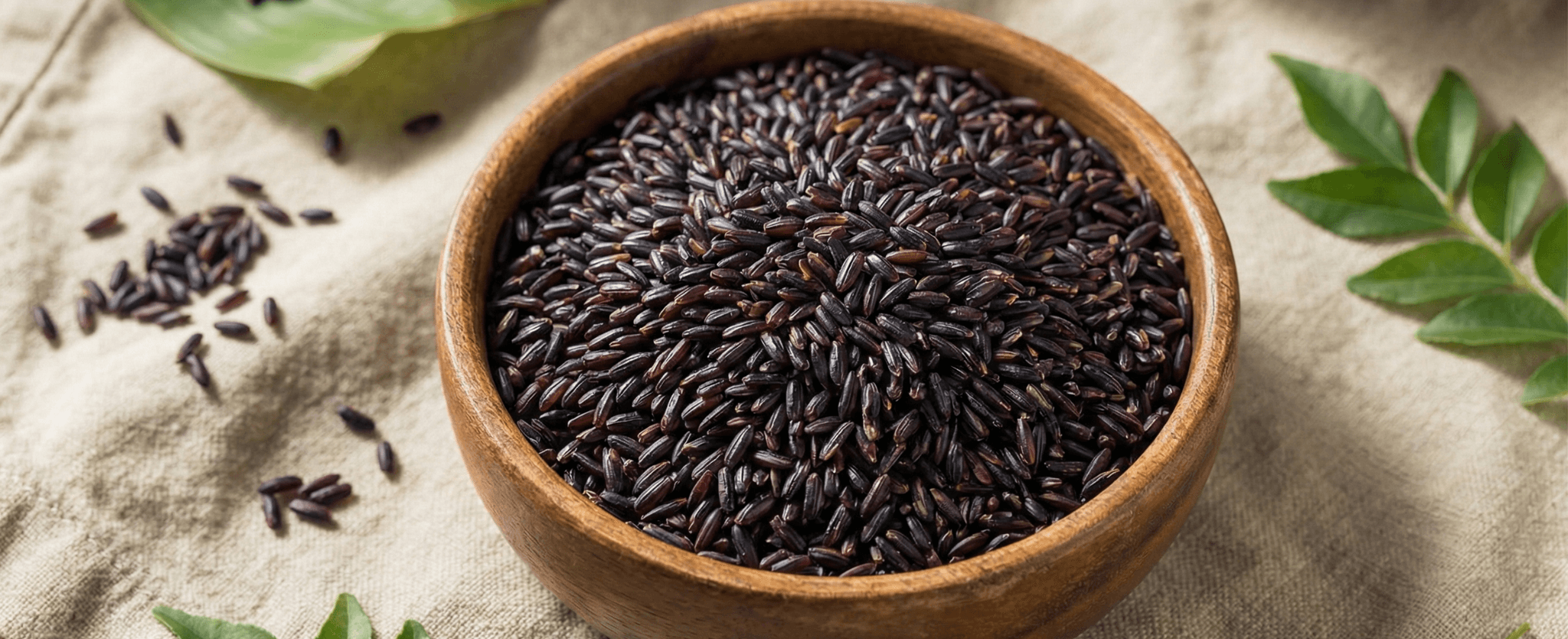
There’s something almost magical about watching a pot of black rice cook. As the grains soften and release their deep purple color into the water, you can’t help but feel like you’re preparing something truly special. And you know what? You absolutely are.
Karuppu Kavuni rice, also known as black rice or kavuni arisi in Tamil, isn’t just another trendy superfood that suddenly appeared on Instagram. This ancient grain has been nourishing people in South India for over 2,000 years, long before anyone coined the term “superfood.” Our ancestors didn’t need scientific studies to tell them this rice was special. They could see it in the vitality it brought to their families.
Today, modern science is finally catching up to what traditional wisdom has known all along. And what researchers are discovering is nothing short of remarkable.
The Story Behind the Black Pearl
In ancient times, Karuppu Kavuni rice was so prized that it was reserved exclusively for royalty and served during important ceremonies. Some historical accounts suggest it was even used as tribute to emperors. The deep black-purple color wasn’t just aesthetically pleasing; it was a visible sign of the rice’s extraordinary nutritional power.
The name itself tells a story. “Karuppu” means black in Tamil, and “Kavuni” refers to a specific type of traditional rice variety. In some regions, it’s also called “Forbidden Rice,” not because it was banned, but because in ancient China, black rice was forbidden to anyone outside the imperial family. Only the emperor and his court could enjoy its benefits.
Fast forward to today, and this once-exclusive grain is making a comeback in kitchens across India. But unlike its royal past, Karuppu Kavuni is now accessible to anyone who wants to experience its incredible health benefits.
What Makes Karuppu Kavuni Different?
The Power of Anthocyanins
That striking dark color isn’t just for show. The deep purple-black hue comes from anthocyanins, the same powerful antioxidants found in blueberries, blackberries, and purple grapes. In fact, Karuppu Kavuni contains more anthocyanins than most berries, gram for gram.
Anthocyanins are known for their ability to fight inflammation, protect against heart disease, and even slow down the aging process. When you eat black rice, you’re essentially eating a grain that acts like a superfruit.
Nutritional Powerhouse
Let’s break down what you’re actually getting in each serving of Karuppu Kavuni:
Nutritional Comparison Table (Per 100g Cooked Rice)
| Nutrient | Karuppu Kavuni (Black Rice) | White Rice | Brown Rice |
| Calories | 356 kcal | 130 kcal | 370 kcal |
| Protein | 8.5g | 2.7g | 7.9g |
| Fiber | 4.9g | 0.4g | 2.8g |
| Iron | 3.5mg | 0.2mg | 1.8mg |
| Calcium | 23mg | 10mg | 23mg |
| Anthocyanins | 327mg | 0mg | Trace |
| Vitamin E | 2.4mg | 0.1mg | 1.2mg |
| Zinc | 2.02mg | 0.49mg | 1.4mg |
| Antioxidants (ORAC) | 7,400 | 1,100 | 2,200 |
Note: ORAC (Oxygen Radical Absorbance Capacity) measures antioxidant levels. Higher is better.
As you can see, Karuppu Kavuni isn’t just slightly better than white rice. It’s in a completely different league nutritionally.
Modern Health Benefits Backed by Science
1. Powerful Diabetes Management
Remember that glycemic index we talked about? Karuppu Kavuni has a GI of just 42-45, making it one of the lowest among all rice varieties. But the benefits go beyond just slow sugar release.
Studies have shown that the anthocyanins in black rice can actually improve insulin sensitivity. This means your body becomes better at using the insulin it produces, which is crucial for both preventing and managing type 2 diabetes.
The high fiber content (more than 12 times that of white rice) also slows down carbohydrate absorption, preventing those dangerous blood sugar spikes that diabetics need to avoid.
Real-world impact: Many people who switch to Karuppu Kavuni report more stable energy levels throughout the day and better post-meal blood sugar readings.
2. Heart Health Protection
Your heart will thank you for choosing black rice. Here’s why:
The anthocyanins in Karuppu Kavuni have been shown to reduce LDL (bad) cholesterol oxidation. When LDL cholesterol oxidizes, it becomes more likely to stick to artery walls, leading to plaque buildup and heart disease. By preventing this oxidation, black rice helps keep your arteries clear and healthy.
Additionally, black rice contains plant compounds that can help reduce inflammation in blood vessels and improve overall cardiovascular function.
3. Natural Detoxification
Your liver works hard every day to filter toxins from your body. Karuppu Kavuni supports this process naturally.
The antioxidants in black rice help protect liver cells from damage caused by toxins and free radicals. Some studies suggest that regular consumption of black rice can improve liver enzyme levels and support the liver’s natural detoxification processes.
Think of it as giving your body’s cleanup crew the best tools to do their job.
4. Weight Management Support
If you’re trying to lose weight or maintain a healthy weight, Karuppu Kavuni can be a valuable ally.
The high fiber content means you feel fuller for longer. Unlike white rice, which can leave you hungry again within a couple of hours, black rice provides sustained satiety. This naturally reduces snacking and overeating.
Plus, the protein content is significantly higher than white rice, which further supports feelings of fullness and helps maintain muscle mass during weight loss.
5. Anti-Aging Benefits
We all want to age gracefully, right? The antioxidants in Karuppu Kavuni might help with that.
Anthocyanins fight free radicals, the unstable molecules that damage cells and accelerate aging. While no food can stop the aging process entirely, regularly consuming antioxidant-rich foods like black rice can help protect your cells from premature aging.
Some research even suggests that anthocyanins can help protect skin from UV damage and improve skin health from the inside out.
6. Brain Health and Cognitive Function
Emerging research suggests that anthocyanins may play a role in protecting brain health and cognitive function as we age.
These powerful antioxidants can cross the blood-brain barrier and help protect brain cells from oxidative stress. Some studies have linked regular consumption of anthocyanin-rich foods to better memory and reduced risk of cognitive decline.
While more research is needed, the early findings are promising, and eating Karuppu Kavuni certainly can’t hurt your brain health.
7. Digestive Health
The fiber in black rice isn’t just good for blood sugar control. It’s also excellent for digestive health.
Fiber acts as food for the beneficial bacteria in your gut, helping maintain a healthy gut microbiome. A healthy gut is linked to better immunity, improved mood, and even better weight management.
Many people also find that black rice is easier to digest than wheat or other grains, making it a good option for those with sensitive digestive systems.
How to Cook Karuppu Kavuni Rice Perfectly
Black rice has a slightly different cooking process than white rice. Here’s how to get it just right:
1. Basic Cooking Method
Ingredients:
- 1 cup Karuppu Kavuni rice
- 2.5 cups water
- Pinch of salt (optional)
Steps:
- Rinse thoroughly: Wash the rice 2-3 times until the water runs clearer. Don’t worry if the water stays slightly purple; that’s the anthocyanins, and you want to keep those!
- Soak (recommended): For best results, soak the rice for 4-6 hours or overnight. This reduces cooking time and makes the rice easier to digest. If you’re short on time, even 30 minutes of soaking helps.
- Cook: Combine rice and water in a pot. Bring to a boil, then reduce heat to low, cover, and simmer for 30-35 minutes (or 20-25 minutes if pre-soaked).
- Rest: Once cooked, turn off the heat and let it sit covered for 10 minutes. This allows the rice to absorb any remaining water and become perfectly fluffy.
- Fluff and serve: Gently fluff with a fork and enjoy!
2. Pressure Cooker Method
If you’re using a pressure cooker (much faster!):
- Use a 1:2 ratio of rice to water
- Cook for 2 whistles on medium heat
- Let pressure release naturally
Pro Tips for Perfect Black Rice
- Don’t oversoak: More than 8 hours of soaking can make the rice mushy
- Save the purple water: If you drain any excess water after cooking, save it! It’s packed with anthocyanins and can be used in smoothies or soups
- Texture preference: For softer rice, add a bit more water. For separate, fluffy grains, stick to the 1:2.5 ratio
- Cooking with coconut milk: Replace half the water with coconut milk for a creamy, slightly sweet variation
Delicious Ways to Enjoy Karuppu Kavuni
1. Traditional Sweet Preparation
Karuppu Kavuni Payasam (Black Rice Pudding)
This is how black rice is traditionally enjoyed in South India during festivals.
- Cook black rice until soft
- Add jaggery or coconut sugar while warm
- Mix in coconut milk and cardamom powder
- Garnish with roasted cashews and raisins
- Serve warm or chilled
The natural nuttiness of black rice pairs beautifully with the sweetness of jaggery and the richness of coconut milk.
2. Modern Savory Dishes
Black Rice Bowl:
- Base of cooked Karuppu Kavuni
- Top with roasted vegetables (sweet potato, broccoli, bell peppers)
- Add chickpeas or grilled tofu for protein
- Drizzle with tahini or peanut sauce
- Sprinkle with sesame seeds
Black Rice Salad:
- Cool cooked black rice completely
- Mix with diced cucumber, tomatoes, and red onion
- Add fresh herbs like cilantro and mint
- Dress with lemon juice, olive oil, salt, and pepper
- Optional: add pomegranate seeds for extra antioxidants
Black Rice Upma:
- Use cooked black rice instead of semolina
- Temper with mustard seeds, curry leaves, and green chilies
- Add vegetables of your choice
- A healthy twist on a South Indian breakfast classic
Karuppu Kavuni Pongal:
- Replace regular rice with black rice
- Cook with moong dal, pepper, cumin, and ghee
- The nutty flavor of black rice adds a new dimension to this comfort food
Breakfast Ideas
- Black Rice Porridge: Cook with almond milk, topped with berries and nuts
- Black Rice Dosa: Grind soaked black rice with urad dal for a nutritious breakfast crepe
- Black Rice Idli: Mix with regular idli rice for a colorful, nutritious twist
Buying and Storing Guide
What to Look For
When buying Karuppu Kavuni rice, quality matters:
Color: Should be deep black with a purple tinge. Avoid rice that looks grayish or dull.
Grain integrity: Grains should be whole, not broken. Some broken grains are normal, but too many indicate poor quality or handling.
Smell: Good quality black rice has a subtle, pleasant, slightly nutty aroma. Any musty or off smell is a red flag.
Certification: Look for organic certification and FSSAI approval to ensure the rice is free from pesticides and properly processed.
Source: Choose rice sourced directly from farmers or reputable organic suppliers who can verify authenticity.
Storage Tips
- Store in an airtight container in a cool, dry place
- Keeps well for 6-12 months when properly stored
- Avoid exposure to moisture, which can lead to mold
- Don’t mix old and new batches
- If storing for longer periods, refrigeration can extend shelf life
Common Concerns
“Why is it so expensive?” Karuppu Kavuni is more expensive than regular rice for several reasons. It has a longer growing season, lower yield per acre, and requires specific soil conditions. Plus, it’s typically grown organically by small farmers using traditional methods. You’re paying for quality, nutritional value, and supporting sustainable farming practices.
“Is all black rice the same?” Not all black rice is Karuppu Kavuni. There are different varieties of black rice across Asia. Karuppu Kavuni is specifically the South Indian variety and has unique characteristics. Some sellers might label any black rice as Karuppu Kavuni, so buy from trusted sources.
Who Should Eat Karuppu Kavuni?
Ideal For:
- Diabetics: Low GI and blood sugar management benefits
- Heart health conscious: Cholesterol management and cardiovascular protection
- Weight watchers: High satiety and metabolic benefits
- Athletes: Sustained energy and good protein content
- Anyone seeking anti-aging benefits: Powerful antioxidants
- People with digestive issues: High fiber and easy to digest
- Those transitioning to healthier eating: Familiar rice format with superior nutrition
Considerations:
While Karuppu Kavuni is generally safe and beneficial for most people, keep these points in mind:
- Introduce gradually: If you’re used to white rice, your digestive system might need time to adjust to the higher fiber content
- Portion awareness: Even healthy foods should be eaten in moderation. A serving size is typically 1/4 to 1/2 cup cooked rice
- Medical conditions: If you have specific health conditions or are on medication, consult your healthcare provider before making major dietary changes
The Environmental Angle
Choosing Karuppu Kavuni isn’t just good for your health; it’s good for the planet too.
Traditional rice varieties like Karuppu Kavuni are typically grown using sustainable, organic farming methods. They’re often more resilient to pests and diseases, requiring fewer chemical interventions. By choosing these heritage grains, you’re supporting biodiversity and helping preserve ancient agricultural knowledge.
Many small farmers in Tamil Nadu and other parts of South India are returning to cultivating traditional varieties like Karuppu Kavuni, moving away from hybrid crops that require more water and chemicals. Your purchase directly supports these farmers and encourages the preservation of traditional farming practices.
Making the Switch: Practical Tips
Week 1: Start Slow
Mix Karuppu Kavuni with your regular rice in a 1:3 ratio. This helps your taste buds and digestive system adjust.
Week 2-3: Increase Ratio
Move to a 1:1 ratio. By now, you should be getting used to the nutty flavor and slightly chewy texture.
Week 4: Go Full Black
Try using 100% Karuppu Kavuni in at least one meal per day.
Pro Tip
Start with sweeter preparations (like payasam or breakfast porridge) if you find the taste adjustment challenging. The natural sweetness makes the transition easier for some people.
Final Thoughts: Is Karuppu Kavuni Worth It?
After everything we’ve discussed, you might still wonder: is black rice really worth the extra cost and cooking time?
Here’s the honest answer: if you’re serious about your health and appreciate food that connects you to centuries of tradition, then absolutely yes.
You’re not just buying rice. You’re investing in better health, supporting sustainable farming, and preserving an ancient food heritage. Every bowl of Karuppu Kavuni is packed with nutrients that regular white rice simply can’t match.
Think about it this way: you probably spend money on vitamin supplements, health foods, or expensive superfoods imported from halfway around the world. Karuppu Kavuni gives you more nutritional bang for your buck than most of these, and it’s been growing in India for millennia.
The deep purple hue in your cooking pot isn’t just beautiful. It’s a visible reminder that you’re nourishing your body with one of nature’s most powerful foods. That’s something worth celebrating.
Ready to experience the ancient power of Karuppu Kavuni? Our certified organic black rice is sourced directly from traditional farmers in Tamil Nadu who’ve been growing this precious grain for generations. Each batch is carefully selected, minimally processed, and tested to ensure you’re getting authentic Karuppu Kavuni rice with all its nutritional benefits intact.
Start your journey to better health with a grain that’s stood the test of time. Your body will thank you, one purple grain at a time.
Frequently Asked Questions
Q: Can I eat Karuppu Kavuni rice every day? A: Yes! Black rice can be a healthy part of your daily diet. Many people in traditional South Indian communities have been eating it regularly for generations without any issues.
Q: Does black rice taste different from white rice? A: Yes, it has a nuttier, slightly earthy flavor and a chewier texture. Most people find it delicious once they get used to it. Think of it like the difference between white bread and whole grain bread.
Q: Will the purple color stain my cookware? A: The color might temporarily tint white cookware but washes off easily with regular soap and water. It won’t permanently stain your pots or dishes.
Q: Is black rice gluten-free? A: Yes! Like all rice, Karuppu Kavuni is naturally gluten-free, making it perfect for people with celiac disease or gluten sensitivity.
Q: Can children eat black rice? A: Absolutely! Black rice is excellent for children, providing important nutrients for growth and development. The high iron content is particularly beneficial.
Medical Disclaimer: This article is for informational purposes only and is not intended as medical advice. While Karuppu Kavuni rice offers many health benefits, it is not a cure or treatment for any medical condition. Always consult with your healthcare provider before making significant dietary changes, especially if you have existing health conditions or take medications.