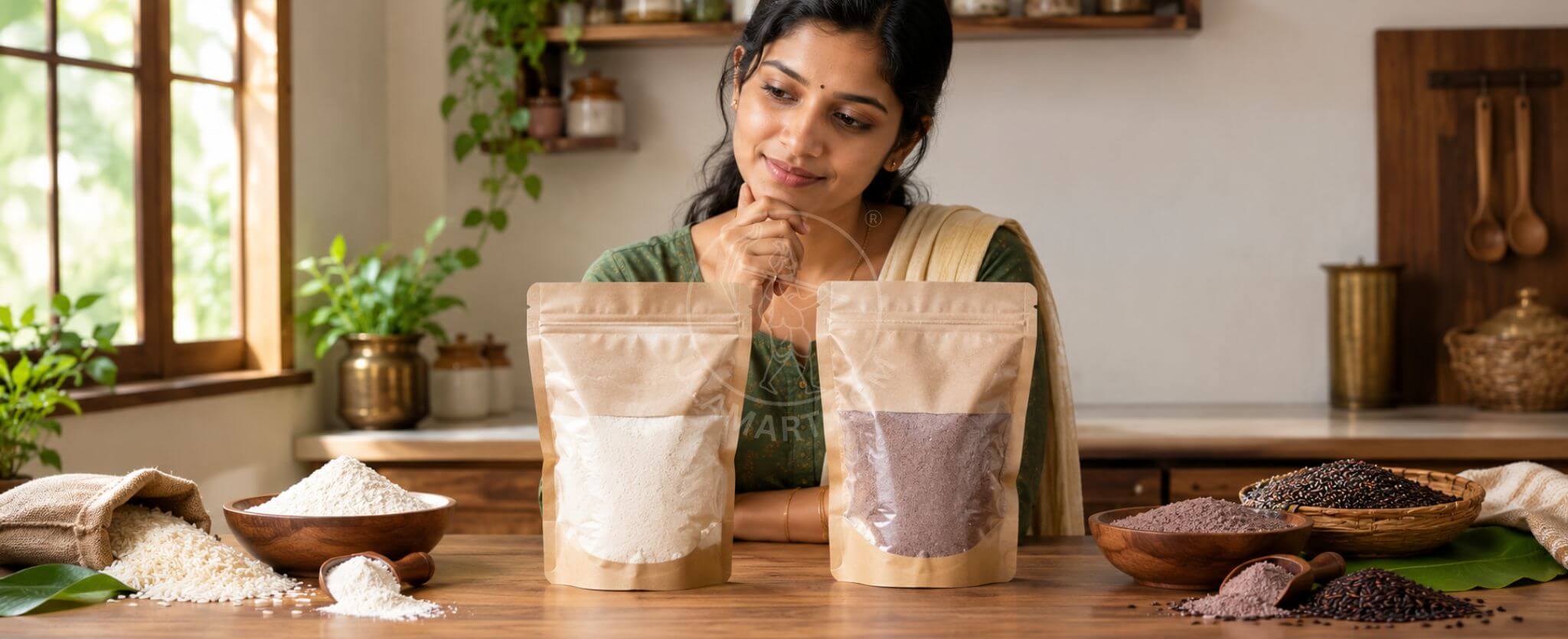
You are standing in front of two packs of idiyappam flour. One is the familiar white rice flour you have used for years. The other is a deep, dusky purple-brown, and it costs noticeably more. Everyone says black rice is special, but nobody tells you whether it is special enough to justify the extra money on a dish you make every week or two.
This guide answers that one question honestly. It looks at what is behind the price, what actually changes on the plate and in your body, where the premium is wasted, and how to check a pack before you pay for it.
What the Higher Price Is Really Paying For
Karuppu Kavuni, the black rice of Tamil Nadu, is a heritage variety long associated with Chettinad kitchens. It was traditionally reserved for festivals, weddings and special sweets, and it never became a mass-market crop. That history explains most of the price gap.
Regular rice flour comes from varieties grown at huge scale, milled in bulk and polished to a uniform white. Kavuni is grown on far smaller acreage, tends to give a lower yield per acre, and the grain is harder, so it takes more effort to mill into a fine, even flour. Fewer farmers, smaller batches and slower processing all show up in the final price.
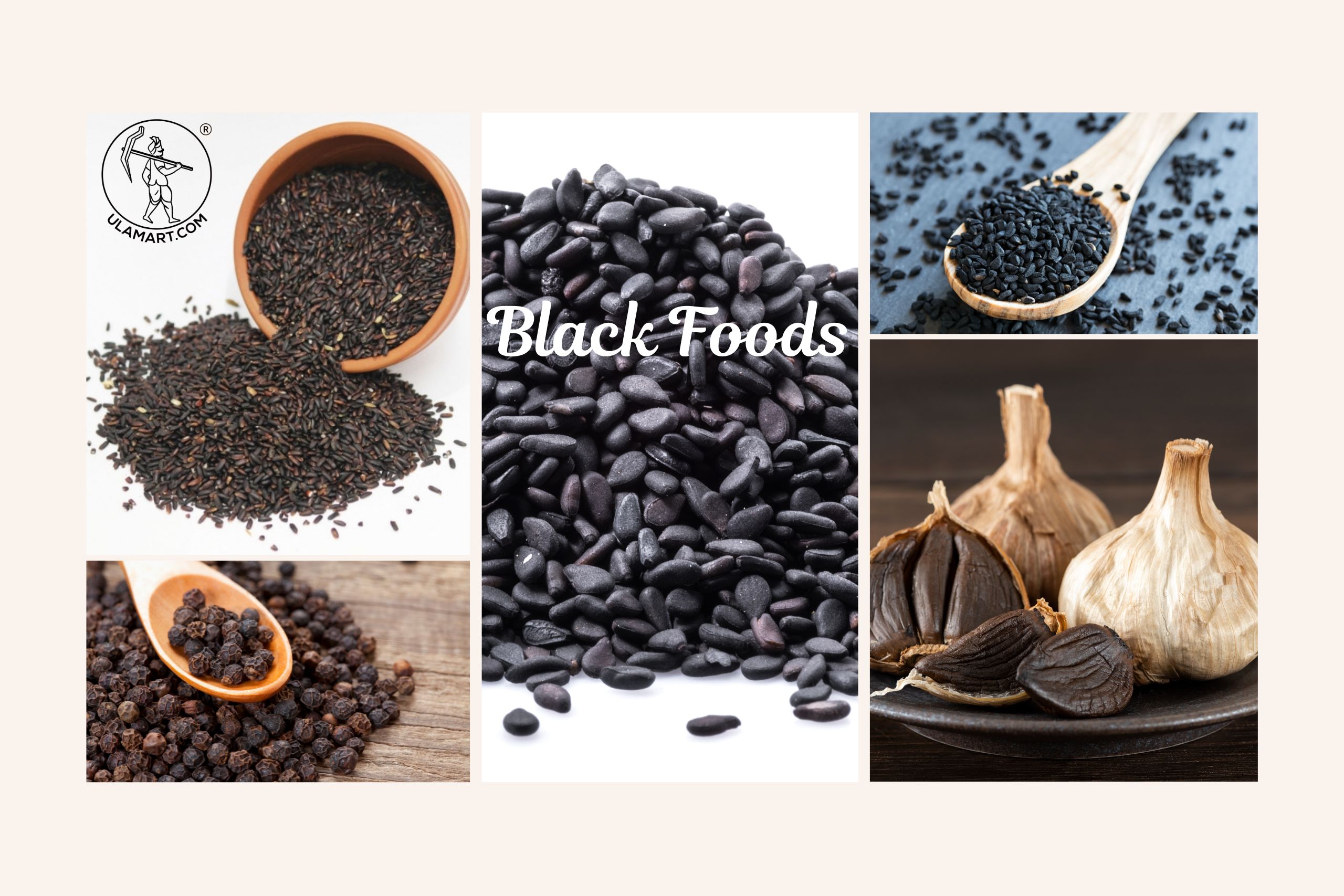
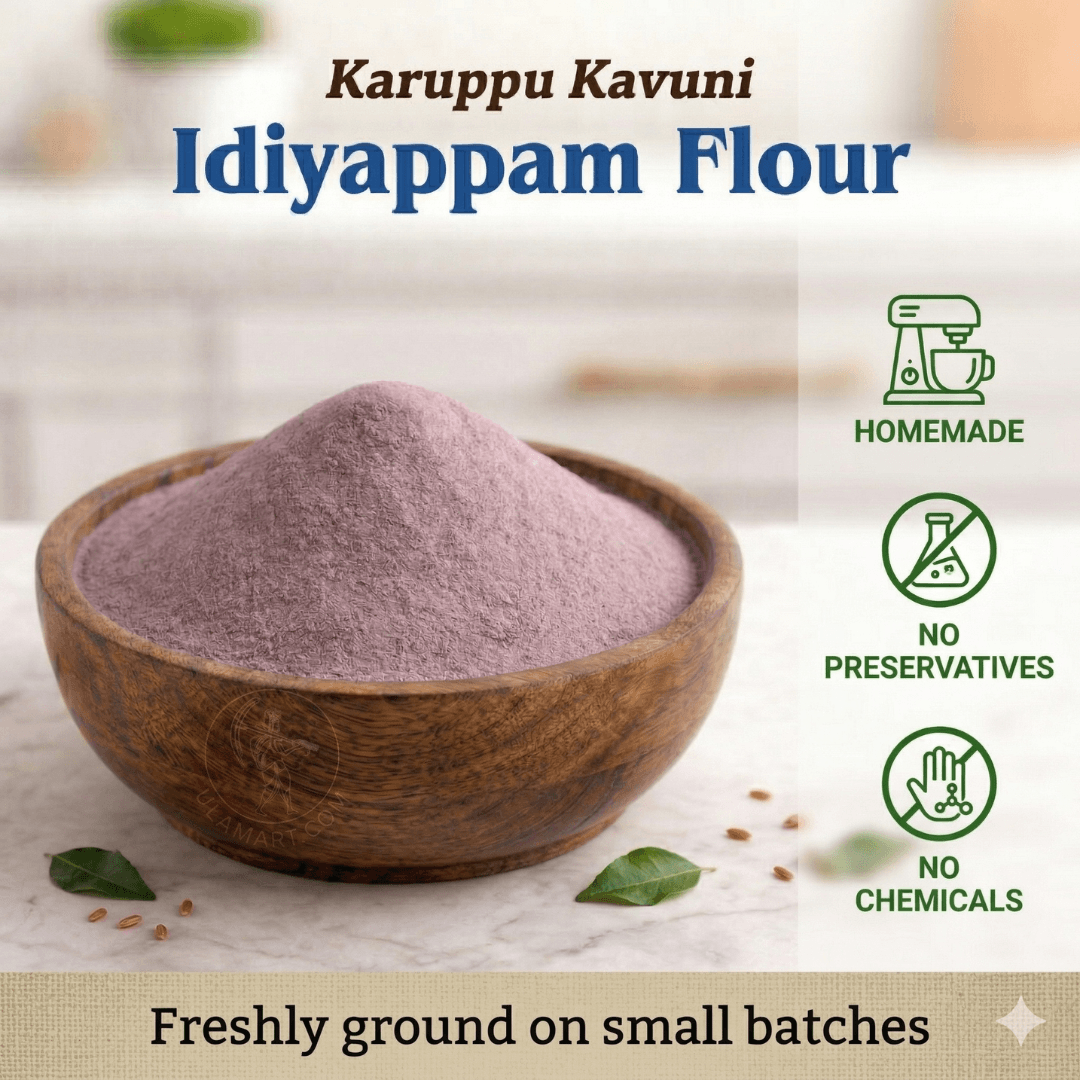
The colour comes from the outer layer of the grain, which is rich in natural pigments called anthocyanins. In white rice this layer is polished away. In black rice flour much of it stays, which is why the flour looks dark and why its nutritional profile differs.
So the premium is real, but it is a premium for a different ingredient, not simply a fancier label on the same one. Whether that ingredient is worth it depends on what you want from your idiyappam.
Taste, Colour and Texture Compared Side by Side
The easiest way to judge value is to look at what lands on your plate. Here is how the two flours usually compare once cooked.
| Feature | Regular rice flour | Kavuni black rice flour |
|---|---|---|
| Colour | White | Deep purple to grey brown |
| Taste | Neutral, mild | Nutty, earthy |
| Texture | Very soft, light | Slightly firmer, a little chewy |
| Looks on the plate | Plain | Striking, festive |
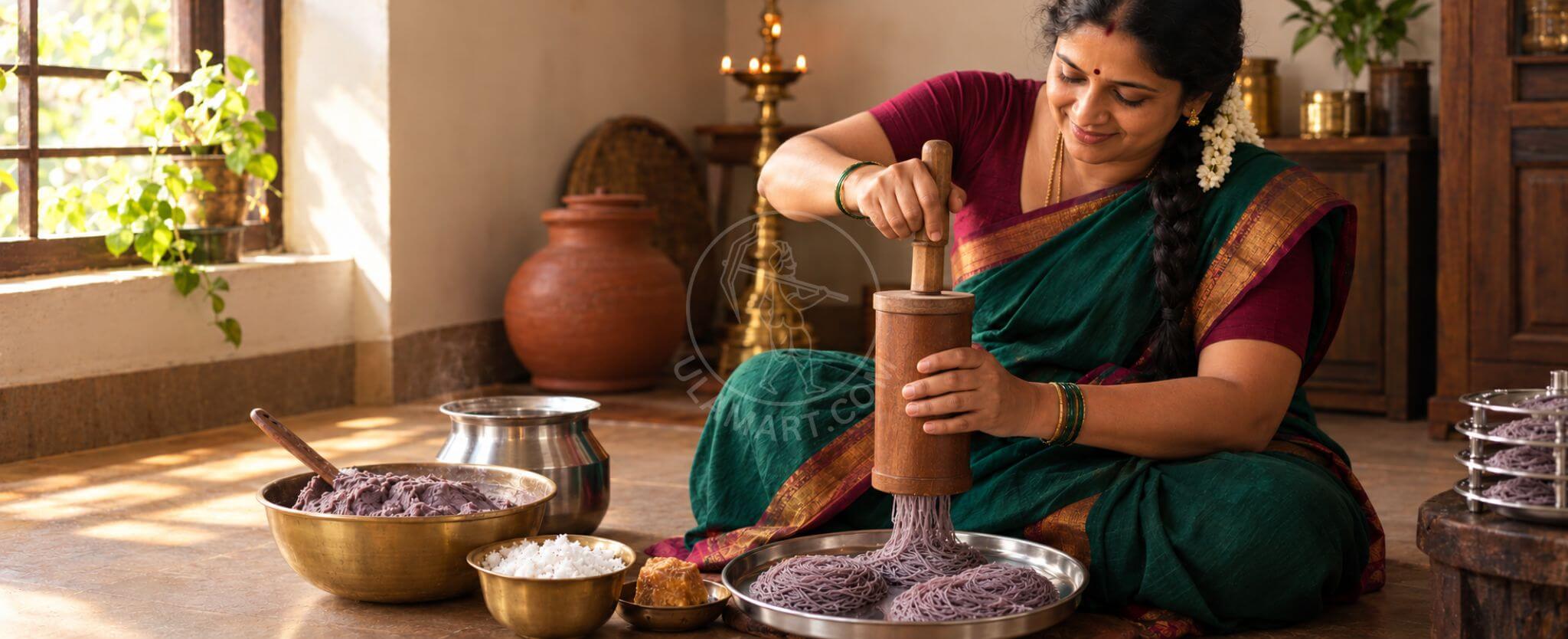
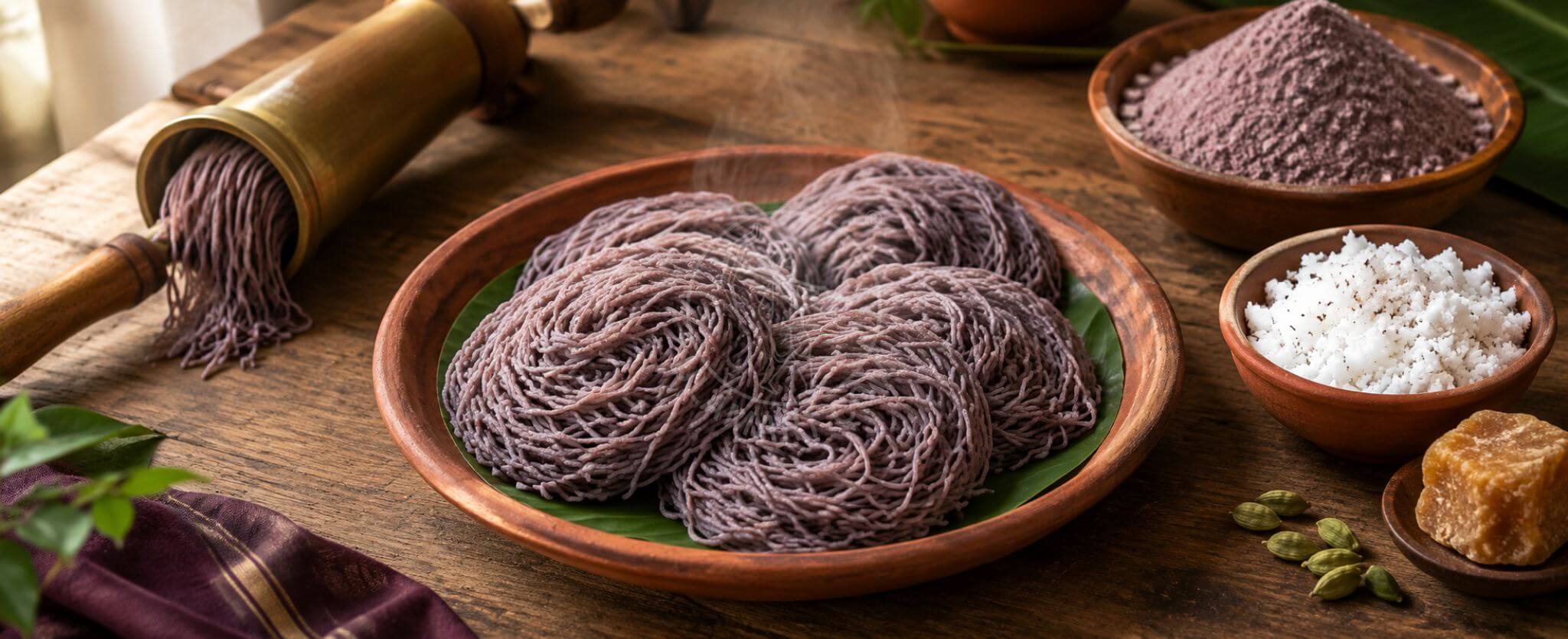
Black rice idiyappam has a character of its own. The nutty note pairs beautifully with grated coconut, country sugar (naatu sakkarai) and a little cardamom, which is why kavuni sevai is a favourite in homes that want something a little more special than the usual lemon or coconut sevai. If you mostly eat idiyappam with spicy kurma, vegetable stew or egg curry and want the strands to disappear into the gravy, regular flour does that job better, because its flavour stays out of the way.
One practical note on colour. The cooked strands often turn a muted purple grey rather than staying jet black. That is normal for black rice and not a sign of spoilage or a poor product. It is also worth knowing before you serve it to children or guests who expect a certain look.
What the Extra Money Buys in Nutrition
This is the part where most marketing gets carried away, so it helps to stay grounded.
Because black rice keeps more of its outer layer, it generally offers more dietary fibre and more plant pigments than polished white rice. Those pigments, the anthocyanins, are the same family of compounds that colour blueberries and purple cabbage. A published review on black rice and its anthocyanins notes that they are linked in laboratory and early clinical work with antioxidant activity and with how the body responds to starch after a meal. You can read the research summary in this Springer review of black rice and postprandial glycemic response.
Two honest cautions follow from that.
First, “linked with” is not “proven to treat.” Most of the strongest findings come from lab studies or small trials, and an occasional plate of idiyappam will not change your health on its own. Black rice flour is a nutritious ingredient, not a remedy.
Second, processing matters. Milling, roasting and steaming can all reduce the pigment content to some degree, so a flour that looks dark is a good sign but not a guarantee of how much of the original grain’s goodness survived.
What you can say fairly is this: if you are already trying to eat more whole and minimally polished grains, swapping part or all of your idiyappam flour for kavuni is a sensible upgrade. If you are not, the nutritional gain on its own may not be enough to justify the price.
How It Behaves in the Kitchen
A higher price is easier to accept when the flour is also easy to cook with. Here the news is mostly good, with one adjustment.
Black rice flour tends to absorb water a little differently from white flour, and the dough can feel slightly coarser. Cooks who switch over usually find that the same method works, with small tweaks.
| Step | Regular flour | Kavuni flour |
|---|---|---|
| Water | Hot, just boiled | Hot, add slowly |
| Dough rest | A few minutes | 5 to 10 minutes covered |
| Pressing | Easy | Slightly firmer press |
| Steaming | 8 minutes | 8 to 10 minutes |
The rest period is the step people skip and then blame the flour for. Letting the dough sit covered for a few minutes gives the coarser particles time to hydrate, and the strands come out smoother and less likely to crack or break. Add the hot water gradually and knead while the dough is still warm, because cold dough is harder to press through the mould.
If your first batch feels dense, do not give up on the flour. Add a spoon more hot water, rest the dough a little longer and steam for the full time. Most disappointing results come from dough that was too dry, not from the flour itself.
Working Out the Real Cost Per Plate
The sticker price of a pack can mislead. What matters is the cost of what you actually eat.
A pack of idiyappam flour makes many plates, and a serving of idiyappam is only a few strands. When you spread the premium across that many servings, the extra cost per plate is usually much smaller than the difference on the shelf suggests. Think of it as paying a little more for a better version of a dish you already enjoy, rather than paying double for the same meal.
A quick way to decide is to ask how you cook.
| If you | Then |
|---|---|
| Make idiyappam every week | Try a blend of both flours |
| Make it for festivals or guests | Kavuni is a good fit |
| Want the softest, whitest strands | Stay with regular flour |
| Are watching grain quality | Kavuni is worth trying |
Blending is the quiet money saver. Mixing kavuni flour with regular rice flour in equal parts gives you some of the colour, flavour and fibre while keeping the dough easier to handle and the cost lower. You can shift the ratio over time as you get used to the texture.
Reading the Pack Before You Pay
Because black rice is a premium ingredient, it is also one where quality varies. A few quick checks protect your money.
Look at the ingredient list first. A good kavuni flour should list black rice and nothing else. If the pack mentions mixed flours, colouring or additives, you may be paying a black rice price for something else. Check how the flour is described, whether it is roasted or raw, since idiyappam flour is usually roasted for the right dough behaviour.
Look at the colour. Genuine kavuni flour is a deep dusky purple brown, not an even jet black. Uniform black can be a warning sign.
Check the date and how it is packed. Whole grain flours carry more natural oils than polished white flour, so they go stale faster. Fresh stock in a sealed pack matters more here than it does for plain rice flour, and once opened it keeps best in an airtight container away from heat and moisture.
If you want to try it without a big commitment, Ulamart’s Karuppu Kavuni Idiyappam Flour is made for exactly this dish, and reading its product page for the ingredient list and pack size is a sensible first step.
Who Should Pay More and Who Can Skip It
Put together, the picture is fairly clear. The premium makes sense when you value flavour and colour, when you want a more traditional, less polished grain on your table, or when idiyappam is a festive or special occasion dish in your home. It also makes sense for families gradually moving toward whole grains who want an easy first step that does not change the way they eat.
It is harder to justify when idiyappam is purely a vehicle for a strongly spiced gravy, when you want the softest possible strands, or when the household budget is tight and you cook the dish daily. In those cases regular rice flour remains a perfectly good choice, and nothing about choosing it is a mistake.
The best test costs very little. Buy one pack of Ulamart Black Rice Idiyappam Flour, make a plate of kavuni sevai with coconut and country sugar next to your usual idiyappam, and see whether anyone at the table notices, asks for more or goes back to the white strands. Their reaction will tell you more about whether the extra price is worth it than any label ever could.