There is a reason cardamom has been called the Queen of Spices for centuries. While saffron holds the crown for price and black pepper for trade history, elaichi occupies a different kind of throne. It is the spice that finds its way into the morning chai, the afternoon biryani, and the evening dessert all in the same day. No other spice moves so effortlessly between savory and sweet, between kitchen and medicine cabinet.
Cardamom’s reputation as a digestive aid is not just grandmother wisdom. Modern pharmacological research has begun mapping the mechanisms behind effects that traditional medicine has described for over 4,000 years. This guide covers the science and the practical application of cardamom, so you know exactly what you are getting from those small green pods you crush into your masala chai every morning.
What Is Cardamom?
Cardamom belongs to the ginger family, Zingiberaceae, and grows primarily in the tropical forests of South India, Sri Lanka, and Guatemala. India, particularly the Cardamom Hills in Kerala, has been the historic center of cardamom cultivation for millennia and continues to be one of the world’s leading producers.
There are two main types in widespread culinary and medicinal use:
- Green cardamom (Elettaria cardamomum): The most common variety. Light, floral, sweet, and slightly cooling. Used in chai, sweets, biryanis, and Ayurvedic formulations.
- Black cardamom (Amomum subulatum): Larger, darker, with a smoky and camphor-like aroma. Used primarily in savory dishes, spice blends like garam masala, and some traditional medicine applications.
Green cardamom is what most people refer to when they say elaichi, and it is the variety that carries the bulk of the researched health benefits. The active compounds responsible for its effects include 1,8-cineole, alpha-terpineol, limonene, and a range of phenolic antioxidants concentrated in the seeds inside the pod.
Nutritional Snapshot
Cardamom is used in small quantities, so its nutritional contribution is modest per serving. However, it is the bioactive compounds rather than macronutrients that make it therapeutically relevant. Here is what one tablespoon (roughly 6 grams) of ground cardamom provides:
| Nutrient | Amount per Tablespoon |
| Calories | 18 kcal |
| Dietary Fiber | 1.6 g |
| Iron | 0.81 mg (10% DV) |
| Manganese | 1.58 mg (79% DV) |
| Zinc | 0.43 mg |
| Magnesium | 13.3 mg |
| Calcium | 22.2 mg |
| Vitamin C | 1.1 mg |
The standout here is manganese. Cardamom is one of the richest spice sources of manganese, a trace mineral essential for bone formation, antioxidant defense, and blood sugar regulation. Even the small daily amounts used in cooking contribute meaningfully over time.
Health Benefits of Cardamom Backed by Research
1. Settles the Digestive System
Cardamom’s most celebrated property is its ability to ease the digestive system. It works through several pathways simultaneously. The volatile oils in cardamom stimulate the secretion of digestive enzymes, which speeds up the breakdown of food and reduces the fermentation that causes gas and bloating. It also has antispasmodic properties, which relax the smooth muscles of the gastrointestinal tract and relieve cramps and discomfort.
A study in the Journal of Ethnopharmacology found that cardamom extract significantly inhibited stomach ulcer formation and reduced gastric acid secretion in animal models. Traditional Ayurvedic use of cardamom in treating hyperacidity, nausea, and indigestion aligns closely with these findings.
For immediate digestive relief, chewing two to three cardamom seeds after a meal is one of the simplest and most effective remedies. Alternatively, adding cardamom to your chai spice blend creates a daily digestive ritual that works cumulatively over time.
2. Freshens Breath Naturally
Cardamom has been used as a mouth freshener for thousands of years across South Asia, the Middle East, and North Africa. The reason it works goes beyond masking odor. The antimicrobial compounds in cardamom, particularly 1,8-cineole, actively reduce the bacteria in the mouth that cause bad breath, plaque, and tooth decay.
Research published in the Journal of Contemporary Dental Practice found that cardamom extract significantly reduced the count of oral pathogens including Streptococcus mutans, one of the primary bacteria involved in cavity formation. Chewing a cardamom pod after meals or after consuming garlic and onion-heavy dishes delivers immediate and lasting freshness that no synthetic breath mint can match for long-term effectiveness.
3. Supports Heart Health
Cardamom has demonstrated consistent blood pressure-lowering effects in clinical research. A 12-week randomized controlled trial published in the Indian Journal of Biochemistry and Biophysics found that participants with stage 1 hypertension who consumed three grams of cardamom daily experienced a significant reduction in both systolic and diastolic blood pressure, with measurements moving toward the normal range by the end of the trial.
The proposed mechanisms include the diuretic effect of cardamom, which helps the body eliminate excess sodium, and the fibrinolytic properties that prevent blood clot formation. The antioxidant compounds in cardamom also reduce oxidative stress in arterial walls, which is a primary driver of cardiovascular disease progression.
4. Fights Inflammation and Oxidative Stress
Chronic inflammation is the underlying driver of most lifestyle diseases, from arthritis and diabetes to heart disease and cancer. Cardamom contains a significant concentration of phenolic compounds, particularly flavonoids and terpenes, that suppress inflammatory pathways in the body.
Studies have shown that cardamom extract reduces the expression of pro-inflammatory cytokines and inhibits the NF-kB pathway, a central molecular switch in the body’s inflammatory response. This is the same pathway targeted by several anti-inflammatory drugs, which gives cardamom’s traditional classification as an anti-inflammatory food a well-grounded biochemical basis.
Pairing cardamom with other anti-inflammatory spices in your daily cooking, such as combining it with turmeric and other spices from Ulamart, creates a synergistic effect that is greater than the sum of its parts.
5. Helps Manage Blood Sugar
Manganese, present in high concentrations in cardamom, plays a critical role in the function of enzymes involved in insulin secretion and glucose metabolism. Low manganese levels are associated with impaired glucose tolerance and a higher risk of developing type 2 diabetes.
Animal studies have also shown that cardamom extract improves insulin sensitivity and reduces fasting blood glucose. While human trials specifically on cardamom and blood sugar remain limited, the combination of high manganese content, anti-inflammatory properties, and fiber makes it a useful dietary addition for metabolic health.
Eating cardamom alongside low-glycemic grains helps keep the overall glycemic load of a meal in check. The millets range at Ulamart paired with cardamom-spiced dishes forms an excellent combination for anyone managing blood sugar.
6. Improves Respiratory Health
1,8-cineole, one of the primary active compounds in cardamom, is the same compound found in eucalyptus oil and used widely in respiratory remedies. It acts as a bronchodilator, opening up the airways, and helps the body clear mucus from the respiratory tract.
Cardamom-infused warm water or cardamom tea is a traditional remedy for coughs, bronchitis, and congestion across South Asia. Chewing cardamom seeds stimulates salivation and mucus production in the airway, which helps soothe dry throats and facilitate the clearance of inhaled irritants.
This benefit is particularly relevant in Indian cities where air quality is a persistent concern. While cardamom cannot counteract severe pollution exposure, regular consumption contributes to airway resilience at the cellular level.
7. Supports Kidney Health
Cardamom has traditionally been used as a diuretic, meaning it increases urine output and helps the kidneys clear waste and excess minerals from the body. Research has found that cardamom can help prevent kidney stone formation by reducing the crystallization of calcium and oxalate, the minerals most commonly involved in kidney stone development.
It also demonstrates protective effects on kidney tissue against chemically induced damage, making it a useful addition to the diet during periods of increased toxic load such as illness recovery or high medication use. As with all spice-based interventions, these benefits apply to regular culinary use rather than self-treatment of diagnosed kidney conditions.
8. Has Antimicrobial Properties
The essential oils in cardamom, especially alpha-terpineol, limonene, and linalool, have demonstrated activity against a range of bacteria and fungi in laboratory settings. This includes common food-borne pathogens like E. coli and Staphylococcus aureus, as well as Candida albicans, the fungus responsible for many oral and gut infections.
This antimicrobial profile is part of why cardamom was used historically to preserve food in warm climates before refrigeration. Adding cardamom to cooked rice dishes, milk-based preparations, and meat curries was not just a flavor decision. It was a preservation and food safety strategy rooted in empirical observation over generations.
Green Cardamom vs Black Cardamom: Which to Use When
| Feature | Green Cardamom | Black Cardamom |
| Flavor | Sweet, floral, cooling | Smoky, earthy, camphor-like |
| Best used in | Chai, sweets, biryanis, lassi | Curries, garam masala, rice dishes |
| Health focus | Digestion, breath, blood pressure | Respiratory, antimicrobial |
Most Ayurvedic and nutritional research focuses on green cardamom because of its wider culinary and medicinal use. Black cardamom shares some properties but is pharmacologically distinct due to its different volatile oil profile. For everyday digestive and wellness benefits, green cardamom is the variety to prioritize.
How to Use Cardamom Every Day
In Chai
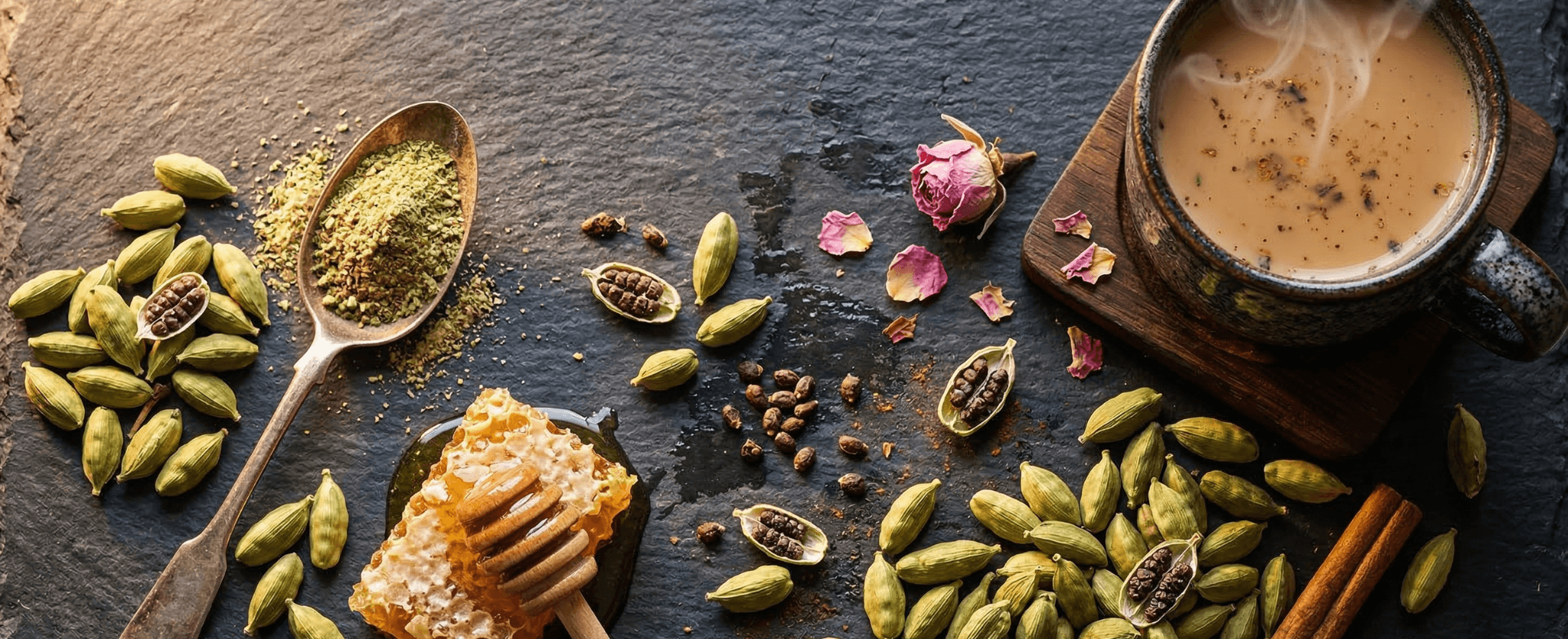
Crushing two to three cardamom pods and adding them to your morning chai is the most practiced form of daily elaichi consumption across India. Crush the pod lightly to crack it open and expose the seeds, which carry the highest concentration of volatile oils. Add at the start of brewing and allow it to steep with the other spices. The combination of cardamom with ginger and cinnamon in masala chai creates a synergistic digestive and anti-inflammatory blend.
In Rice Dishes
Whole cardamom pods added to the oil or ghee at the start of tempering infuse the entire dish with a subtle floral warmth. This is standard practice in biryani, pulao, and khichdi. Varieties like Seeraga Samba Rice and Thanga Samba Rice from Ulamart are particularly well-suited to cardamom-spiced rice preparations because their natural aroma pairs beautifully with elaichi.
In Desserts and Milk-Based Drinks
A pinch of cardamom powder in warm milk before sleep is one of Ayurveda’s most recommended bedtime rituals for improving sleep quality and calming the nervous system. The same combination added to Ulamart’s pure honey and warm milk creates a natural sleep and immunity tonic that requires no supplements or pharmacy visits.
As a Post-Meal Mouth Freshener
Keeping a small container of whole green cardamom pods on the dining table and chewing one or two after meals is a habit worth building. It freshens breath, stimulates digestive enzyme activity, and delivers a small dose of antimicrobial compounds to the oral cavity all at once.
Cardamom in Ayurvedic Practice
In Ayurveda, cardamom is classified as a Tridoshic spice, balancing all three doshas: Vata, Pitta, and Kapha. It is particularly prized as a Kapha-reducing spice because of its warm and stimulating properties that counteract sluggishness, heaviness, and mucus accumulation associated with Kapha imbalance.
Classical texts describe cardamom as Hridya (good for the heart), Deepana (digestive stimulant), and Shwasahara (relieves respiratory conditions). Formulations combining cardamom with black pepper, long pepper, and ginger, known as Trikatu and related preparations, form the basis of many Ayurvedic digestive and respiratory remedies still widely used today.
Who Should Be Cautious with Cardamom
Cardamom is safe for the overwhelming majority of people when used in culinary quantities. However, a few groups should exercise some awareness:
- People with gallstones: Cardamom may stimulate bile secretion, which can aggravate symptoms in individuals with existing gallstones. Culinary use is generally fine, but concentrated cardamom supplements should be approached with medical guidance.
- Pregnant women: In normal cooking amounts, cardamom is safe. High-dose supplementation during pregnancy has not been sufficiently studied and is best avoided as a precaution.
- People on blood thinners: Cardamom’s mild fibrinolytic properties mean it may interact with anticoagulant medications at high supplemental doses. Standard culinary use poses no known risk.
Storing Cardamom for Maximum Potency
The volatile oils that give cardamom its flavor and health properties are sensitive to heat, light, and moisture. Whole pods retain their potency far longer than pre-ground powder because the pod acts as a natural protective shell. Here are the key storage principles:
| Form | Storage Method | Shelf Life |
| Whole pods | Airtight container, away from light and heat | Up to 2 years |
| Seeds only | Dark glass jar, cool and dry location | 12 to 18 months |
| Ground powder | Small airtight container, refrigerator ideal | 4 to 6 months |
Always buy whole pods and grind only what you need for the week. The difference in aroma and potency between freshly ground cardamom and a powder that has been sitting in a bag for six months is dramatic. Ulamart’s spices collection prioritizes minimal processing and proper packaging to ensure the natural essential oils are intact when the product reaches your kitchen.
Cardamom earns its reputation not through marketing but through millennia of consistent, multi-purpose use across cultures that knew, empirically, what worked. Whether it is the morning chai, the post-meal pod, or the warm milk at night, the habit of including elaichi in your daily routine is one of the easiest and most pleasurable health investments you can make. Explore Ulamart’s range of naturally sourced spices to make sure your cardamom is working for you at its full potential.