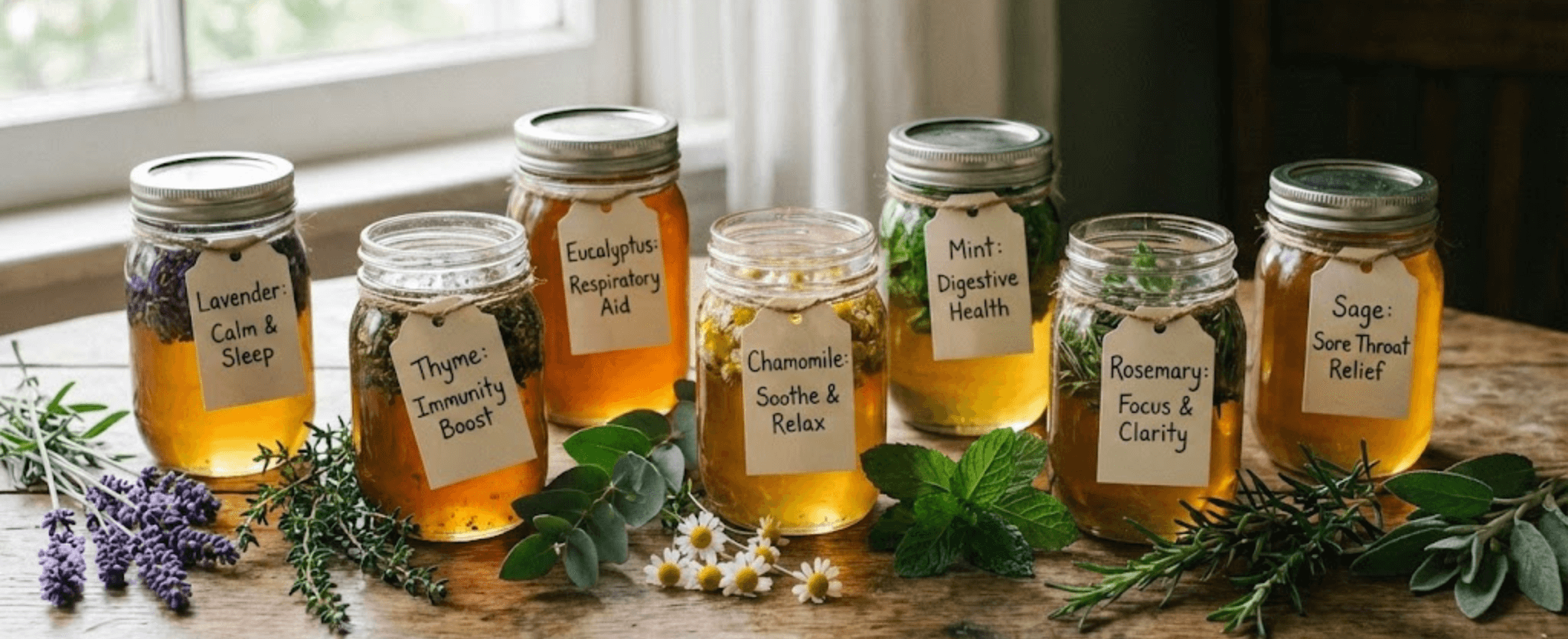
When you think of honey, you probably picture that golden, sweet liquid that goes perfectly with your morning tea or toast. But here’s something most people don’t realize: not all honey is the same. Just as wine varies based on the grapes used, honey varies dramatically based on which flowers the bees visit.
In India, we’re blessed with incredible biodiversity. Our bees don’t just visit regular garden flowers. They visit neem trees with their powerful medicinal properties. They collect nectar from moringa flowers packed with nutrients. They explore tulsi plants revered in Ayurveda for centuries.
The result? Honey that’s not just sweet, but therapeutic. Honey that doesn’t just taste good, but actually targets specific health concerns. This is what we call herbal honey or medicinal honey, and it’s been part of Indian traditional medicine for thousands of years.
Today, let’s explore seven varieties of herbal honey, each with its own unique flavor profile and health benefits. By the end, you’ll never look at honey the same way again.
Understanding Herbal Honey: What Makes It Special?
Before we dive into specific varieties, let’s understand what makes herbal honey different from regular honey.
How Herbal Honey is Made
Herbal honey is made when bees predominantly collect nectar from specific medicinal plants or trees. Here’s how it works:
Monofloral Honey: Bees are guided (by placing hives near specific plants during flowering season) to collect nectar primarily from one type of flower. For example, when hives are placed near moringa plantations during flowering, bees make moringa honey.
Natural Process: The bees do what they naturally do. They collect nectar, add enzymes, reduce moisture, and store it in honeycombs. No human intervention in the honey-making process itself.
Inherited Properties: The honey inherits many of the medicinal properties of the source plant. Neem honey carries neem’s antibacterial properties. Tulsi honey has tulsi’s immunity-boosting qualities.
Why Herbal Honey Costs More
Herbal honey is typically more expensive than regular multi-floral honey. Here’s why:
- Seasonal and Limited: Can only be produced during specific flowering seasons
- Lower Yield: Bees must focus on specific flowers, reducing overall honey production
- Location Specific: Requires hives to be placed in areas with abundant medicinal plants
- Quality Control: Ensuring purity requires careful monitoring and testing
- Higher Demand: Growing awareness means more people want herbal varieties
But the investment is worth it. You’re not just buying a sweetener. You’re buying targeted nutrition and medicine from nature.
7 Herbal Honey Varieties and Their Benefits
1. Neem Honey: The Powerful Purifier
Taste Profile: Slightly bitter undertone with natural sweetness, distinct herbal flavor
Color: Dark amber to brownish
Source: Neem tree (Azadirachta indica) flowers
Neem is called “the village pharmacy” in India for good reason. Every part of the neem tree has medicinal value, and neem honey is no exception.
Health Benefits:
Antibacterial Powerhouse: Neem honey has strong antibacterial and antifungal properties. It can help fight harmful bacteria both internally and externally.
Blood Sugar Management: Despite being sweet, neem honey has a lower glycemic index than regular honey and may help regulate blood sugar levels. Some studies suggest it improves insulin sensitivity.
Skin Health: When applied topically, neem honey helps with acne, minor wounds, and skin infections. When consumed, it purifies blood and supports clear skin from within.
Digestive Aid: Helps soothe digestive issues, reduces acidity, and supports gut health. The antibacterial properties help maintain healthy gut flora.
Immunity Booster: Regular consumption strengthens the immune system, helping your body fight off infections more effectively.
Best For: People with diabetes (in moderation), those with skin issues, anyone looking to boost immunity, digestive problems
How to Use:
- Take 1 teaspoon on empty stomach for blood purification
- Mix with lukewarm water as morning detox drink
- Apply directly on acne or minor cuts
- Add to face masks for skin benefits
2. Moringa Honey: The Nutrient Superstar
Taste Profile: Mild, pleasant sweetness with subtle floral notes
Color: Light golden to amber
Source: Moringa tree (Moringa oleifera) flowers
Moringa is called the “miracle tree” because every part is edible and nutritious. Moringa honey captures the essence of this superfood.
Health Benefits:
Nutrient Dense: Moringa honey is rich in vitamins (A, C, E), minerals (calcium, iron, potassium), and amino acids. It’s one of the most nutritionally complete honeys.
Energy Booster: Provides sustained energy without the crash associated with refined sugars. Perfect for active individuals and athletes.
Anti-Inflammatory: Reduces inflammation throughout the body, beneficial for joint pain, arthritis, and inflammatory conditions.
Antioxidant Rich: High levels of antioxidants fight free radicals, supporting healthy aging and cellular health.
Brain Health: The nutrients in moringa honey support cognitive function, memory, and concentration.
Heart Health: Helps maintain healthy cholesterol levels and supports cardiovascular function.
Best For: Athletes, students, elderly individuals, those seeking overall wellness, inflammation-related issues
How to Use:
- Add to smoothies for nutritional boost
- Take 1 tablespoon before workouts for energy
- Mix with warm milk before bed for better sleep
- Use as natural sweetener in tea or coffee
3. Tulsi Honey: The Sacred Immunity Builder
Taste Profile: Sweet with distinctive aromatic, slightly spicy notes
Color: Golden amber
Source: Holy Basil (Ocimum sanctum) flowers
Tulsi is revered in India as a sacred plant and powerful medicinal herb. Tulsi honey combines sweetness with tulsi’s legendary healing properties.
Health Benefits:
Respiratory Health: Excellent for cough, cold, bronchitis, and asthma. Soothes throat irritation and reduces congestion.
Stress Relief: Tulsi is an adaptogen, helping your body manage stress. Tulsi honey has calming properties while providing energy.
Immunity Enhancement: One of the best honeys for building strong immunity, especially during cold and flu season.
Digestive Support: Aids digestion, reduces bloating, and helps with nausea.
Fever Management: Traditionally used to bring down fever and support recovery from illness.
Anti-Viral Properties: Helps fight viral infections naturally.
Best For: Frequent cold/flu sufferers, high-stress individuals, respiratory issues, seasonal immunity
How to Use:
- Mix with ginger tea for cold relief
- Take 1 teaspoon with warm water for sore throat
- Add to herbal tea for stress relief
- Use during change of seasons for immunity
4. Jamun (Black Plum) Honey: The Diabetic’s Friend
Taste Profile: Mild sweetness with fruity undertones
Color: Dark purple to brownish
Source: Jamun tree (Syzygium cumini) flowers
Jamun fruit is known for its benefits in managing diabetes. Jamun honey inherits similar properties, making it particularly valuable for diabetics.
Health Benefits:
Blood Sugar Control: Helps regulate blood sugar levels. Contains compounds that improve insulin function and glucose metabolism.
Digestive Health: Aids digestion, prevents constipation, and supports healthy gut function.
Hemoglobin Boost: Rich in iron, helps improve hemoglobin levels and prevent anemia.
Liver Support: Supports liver function and helps in detoxification.
Oral Health: Has antibacterial properties that support gum health and prevent oral infections.
Low Glycemic Index: Lower GI than regular honey, making it a better choice for those monitoring blood sugar.
Best For: Diabetics (in controlled amounts), anemia, digestive issues, liver health
How to Use:
- Take 1 teaspoon in morning with warm water
- Mix with amla juice for enhanced diabetes management
- Use as sweetener replacement (moderate amounts)
- Combine with diabetic-friendly foods
5. Eucalyptus Honey: The Respiratory Remedy
Taste Profile: Strong, slightly medicinal flavor with herbal notes
Color: Dark amber
Source: Eucalyptus tree flowers
Eucalyptus is famous for its respiratory benefits. Eucalyptus honey is a natural remedy for breathing issues and congestion.
Health Benefits:
Respiratory Relief: Excellent for asthma, bronchitis, sinusitis, and general congestion. Helps clear airways naturally.
Cough Suppressant: More effective than many over-the-counter cough syrups, especially for nighttime cough.
Antibacterial: Strong antibacterial properties help fight respiratory infections.
Wound Healing: When applied topically, speeds up healing of cuts, burns, and wounds.
Energy Boost: Provides quick energy, good for physical recovery.
Antimicrobial: Fights various harmful microorganisms in the body.
Best For: Respiratory issues, chronic cough, wound care, athletes
How to Use:
- Take 1 spoonful for cough relief (especially at night)
- Mix with warm water and inhale steam for congestion
- Apply on minor burns or wounds
- Add to herbal tea during respiratory infections
6. Wildflower Hill Honey: The All-Rounder
Taste Profile: Complex, rich flavor with varying notes depending on season
Color: Deep amber to dark brown
Source: Various wildflowers from high-altitude regions
Hill honey or wild honey comes from bees that forage on diverse wildflowers in mountainous regions. Each batch is unique, depending on which flowers were blooming.
Health Benefits:
Allergy Relief: Regular consumption of local wildflower honey may help reduce seasonal allergies by exposing your body to local pollen in small amounts.
Rich in Enzymes: Contains a wide variety of enzymes due to diverse flower sources.
High Antioxidants: The variety of flowers means diverse antioxidants, offering broad-spectrum protection.
Mineral Rich: Higher mineral content than cultivated honey due to mineral-rich mountain soil.
Natural Energy: Provides sustained energy with complex mix of natural sugars.
Overall Wellness: The diversity of flowers creates honey with broad health benefits.
Best For: General wellness, seasonal allergies, energy needs, mineral supplementation
How to Use:
- Take 1 spoon daily for allergy management (use local honey)
- Add to breakfast for energy
- Use in all-purpose home remedies
- Great for cooking and baking
7. Acacia Honey: The Gentle Healer
Taste Profile: Mild, delicate, sweet with no bitter aftertaste
Color: Very light, almost clear to pale golden
Source: Acacia tree flowers
Acacia honey is prized for its pure, mild taste and gentle therapeutic properties. It’s the least “medicinal” tasting of herbal honeys.
Health Benefits:
Gentle on Stomach: Easy to digest, doesn’t cause acidity, perfect for sensitive stomachs.
Low Glycemic Index: Among the lowest GI of all honeys, making it suitable for diabetics in moderation.
Liver Cleansing: Supports liver detoxification and function.
Skin Benefits: Excellent for skin health when applied topically or consumed. Helps with eczema and dry skin.
Slow Crystallization: Stays liquid longer than other honeys due to high fructose content.
Children Friendly: Mild taste makes it perfect for children (over 1 year old).
Best For: Children, people with sensitive stomachs, skin conditions, gentle daily honey
How to Use:
- Best as everyday honey for tea and toast
- Perfect for baking (doesn’t overpower flavors)
- Gentle honey for children’s remedies
- Use in face masks for skin benefits
Comparison at a Glance
| Honey Type | Primary Benefit | Taste | Best Time | Who Should Use |
| Neem | Blood purification, Antibacterial | Slightly bitter | Empty stomach morning | Diabetes, skin issues |
| Moringa | Nutrient density, Energy | Mild, pleasant | Anytime, pre-workout | Athletes, overall wellness |
| Tulsi | Immunity, Respiratory | Aromatic, spicy | During illness | Cold/flu prone |
| Jamun | Blood sugar control | Fruity, mild | Morning | Diabetics, anemia |
| Eucalyptus | Respiratory relief | Strong, medicinal | When needed | Cough, asthma |
| Hill/Wild | Allergies, Minerals | Complex, rich | Daily use | Allergies, general health |
| Acacia | Gentle, Digestive | Very mild | Anytime | Children, sensitive stomach |
How to Choose the Right Honey for You
With so many options, how do you decide? Here’s a simple decision guide:
Based on Health Goals:
Managing Diabetes? → Neem, Jamun, or Acacia (in moderation)
Frequent Colds/Cough? → Tulsi or Eucalyptus
Need More Energy? → Moringa or Hill Honey
Skin Problems? → Neem or Acacia
Seasonal Allergies? → Local Wildflower/Hill Honey
General Wellness? → Moringa or Hill Honey
Children’s Honey? → Acacia or mild Moringa
Based on Taste Preference:
Don’t Like Strong Flavors: Acacia or Moringa
Want Authentic Herbal Taste: Tulsi or Eucalyptus
Something In Between: Jamun or Hill Honey
Can Handle Bitter Notes: Neem
Quality Matters: How to Identify Pure Herbal Honey
Unfortunately, the market has many adulterated honey products. Here’s how to ensure you’re getting real herbal honey:
Look For:
Raw and Unprocessed: Should say “raw,” “unpasteurized,” or “unprocessed”
Single Source: Label should specify flower source (e.g., “Pure Neem Honey”)
Crystallization: Real honey crystallizes over time (except Acacia). This is a good sign, not a bad one
No Added Ingredients: Only ingredient should be honey
Proper Labeling: Should have manufacturing date, batch number, FSSAI certification
Reputable Source: Buy from trusted brands that work directly with beekeepers
Red Flags:
- Very cheap price (herbal honey is never cheap)
- Claims of being “pure” without specifying source
- Too clear or uniform (real honey has slight variations)
- Never crystallizes (except Acacia, which naturally stays liquid)
- Added sugars or syrups in ingredients
Simple Home Tests:
Water Test: Put a spoonful in water. Pure honey settles at bottom. Adulterated honey dissolves.
Thumb Test: Put a drop on your thumb. Pure honey stays in place. Adulterated honey spreads.
Flame Test: Pure honey is flammable. Dip matchstick in honey and try to light it.
Crystallization: Leave honey for a few weeks. Real honey (except Acacia) will crystallize.
These aren’t 100% foolproof, but they help identify obvious adulteration.
Using Herbal Honey Safely
While herbal honey is natural and generally safe, here are important guidelines:
Dosage:
Adults: 1-2 tablespoons per day maximum
Children (over 1 year): 1 teaspoon per day
Diabetics: Consult doctor, typically 1 teaspoon if permitted
Never: Give honey to infants under 1 year (risk of botulism)
Best Practices:
Don’t Overheat: Never heat honey above 40°C (104°F). High heat destroys beneficial enzymes and creates harmful compounds. Add to warm (not hot) beverages.
Empty Stomach: Many benefits are best absorbed on empty stomach, especially neem and jamun honey.
Consistency: Regular, moderate consumption is better than occasional large amounts.
Storage: Store in cool, dark place. Use clean, dry spoon each time to prevent contamination.
Rotate Varieties: Consider using different herbal honeys for different purposes or rotating them for varied benefits.
When to Avoid:
- Infants under 1 year (all honey types)
- During active fever (some traditions avoid honey with fever)
- If allergic to specific plants (e.g., avoid neem honey if allergic to neem)
- When taking certain medications (ask your doctor about interactions)
The Environmental and Ethical Angle
Choosing authentic herbal honey supports important causes:
Bee Conservation: Your purchase supports beekeepers who maintain healthy bee colonies essential for pollination.
Sustainable Agriculture: Encourages farmers to plant medicinal trees and flowers.
Rural Livelihoods: Most herbal honey comes from small-scale beekeepers in rural areas.
Biodiversity: Demand for herbal honey encourages preservation of diverse medicinal plants.
When you buy quality herbal honey, you’re supporting an entire ecosystem of sustainable practices.
Final Thoughts: Sweet Medicine from Nature
Herbal honey is proof that food can be medicine. Each variety offers targeted health benefits while satisfying your sweet tooth. It’s nature’s pharmacy in liquid form, refined and packaged by the hardworking bees.
Yes, herbal honey costs more than regular honey. But consider what you’re getting:
- Targeted health benefits for specific conditions
- Pure, raw nutrition without processing
- Traditional medicine backed by modern research
- Support for sustainable beekeeping
- Taste that connects you to nature
You don’t need all seven varieties. Start with one or two that match your health needs. Use them consistently and mindfully. You might be surprised at how this simple addition to your diet makes a difference.
Our grandmothers knew honey was healing. Now we understand why, and we have options to target specific health concerns. That’s the beauty of rediscovering traditional wisdom with modern knowledge.
Which herbal honey will you try first?
Explore our collection of authentic herbal honey varieties, sourced directly from dedicated beekeepers who practice sustainable, traditional beekeeping. Each variety is raw, unprocessed, and tested for purity.
From neem’s purifying power to tulsi’s immunity boost, find the perfect honey for your health needs. Nature’s medicine, delivered by bees, straight to your table.
Storage Tip: Crystallized honey is still good honey! Simply place the container in warm water to return it to liquid form. Crystallization is natural and indicates purity.
Medical Disclaimer: This article is for informational purposes only. While herbal honey offers various health benefits, it is not a substitute for medical treatment. Always consult your healthcare provider before using honey for therapeutic purposes, especially if you have diabetes, allergies, or are taking medications. Never give honey to infants under 1 year old.