The millet revival in Indian kitchens has brought with it a question that many health-conscious households are now asking: which millet should actually be on the table every day? While the category as a whole is nutritionally superior to polished white rice, the individual millets within it have distinct properties, flavour profiles, cooking behaviours, and health advantages. Little millet and foxtail millet are two of the most commonly available and most frequently compared.
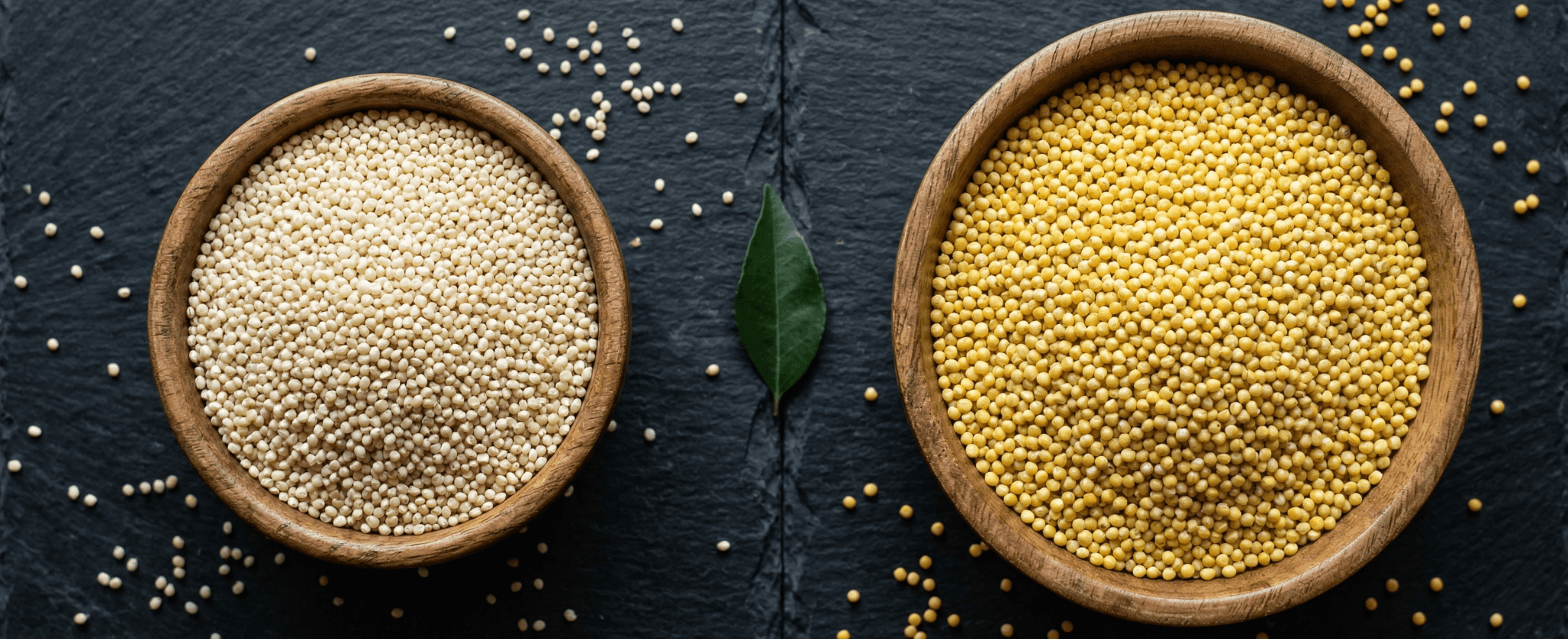
Little millet, known as samai in Tamil, kutki in Hindi, and same in Kannada, is the smallest grain in the millet family. Foxtail millet, known as thinai in Tamil and navane in Kannada, is slightly larger and has a more golden colour. Both are gluten-free, low glycaemic, and fibre-rich. But they are not identical, and understanding their differences helps in making a more informed daily choice based on your specific health needs, cooking preferences, and household requirements.
This guide breaks down both grains across nutrition, cooking behaviour, health benefits, taste, and practical daily use to help you decide which deserves a more prominent place in your kitchen, or whether the right answer is simply both.
Meet the Grains: What Are Little Millet and Foxtail Millet?
Little Millet (Samai)
Little millet is among the oldest cultivated crops in India, with a history stretching back several thousand years. It is predominantly grown in central and southern India, particularly in tribal and hill communities where it has served as a primary staple for generations. The grain is exceptionally small, even tinier than sesame seeds, with a pale ivory to off-white colour. Despite its size, it is nutritionally dense and has a very mild, slightly bland flavour that makes it one of the most versatile millets for absorbing the flavours of accompanying spices, chutneys, and gravies.
Samai is particularly valued in Ayurveda as a light grain, easy on the digestive system and suitable for fasting, convalescence, and periods of digestive sensitivity. In many South Indian traditions, it is the grain of choice during fasting periods as a rice substitute.
Foxtail Millet (Thinai)
Foxtail millet is one of the most widely cultivated millets globally and one of the earliest domesticated crops in East Asia and South Asia. In India, it is most prominently associated with Tamil culture, where thinai holds deep cultural and religious significance and appears in ancient Sangam literature as a symbol of the pastoral way of life. The grain is slightly larger than little millet, yellow to golden in colour, and has a more pronounced nutty flavour that adds character to dishes even without heavy spicing.
Foxtail millet has received considerable research attention in recent years, particularly regarding its role in blood sugar management, which has made it a popular choice among those managing diabetes and metabolic health conditions.
Nutritional Comparison: Little Millet vs Foxtail Millet
Both grains are nutritionally superior to white rice across most parameters. Here is how they compare against each other and against white rice for context:
| Nutrient (per 100g raw) | Little Millet (Samai) | Foxtail Millet (Thinai) |
|---|---|---|
| Calories | 341 kcal | 331 kcal |
| Protein | 7.7 g | 12.3 g |
| Dietary Fibre | 7.6 g | 6.7 g |
| Iron | 9.3 mg | 2.8 mg |
| Calcium | 17 mg | 31 mg |
| Magnesium | 92 mg | 81 mg |
| Glycaemic Index | 52 to 56 (Low) | 50 to 54 (Low) |
| Phytic Acid | Moderate (reduces with soaking) | Moderate (reduces with soaking) |
The most striking difference between the two is iron content. Little millet contains approximately 9.3 mg of iron per 100 grams of raw grain, making it one of the richest plant-based iron sources among common Indian foods. Foxtail millet’s iron content of 2.8 mg is still respectable but considerably lower. For women, adolescents, and anyone managing iron deficiency or anaemia, this distinction is clinically significant.
On the other hand, foxtail millet leads in protein content at 12.3 grams per 100 grams compared to little millet’s 7.7 grams. For those prioritising muscle maintenance, post-workout recovery, or higher protein intake on a vegetarian diet, foxtail millet has a clear advantage.
Key takeaway: Little millet wins on iron. Foxtail millet wins on protein. Both are low glycaemic and high fibre. If you can only choose one, your specific health priority determines the better fit. If you have no specific deficiency, rotating both is the most practical approach.
Health Benefits Compared
Blood Sugar Management
Both little millet and foxtail millet are low glycaemic grains, meaning they release glucose into the bloodstream gradually rather than causing a sharp post-meal spike. However, foxtail millet has been more extensively studied in this context. Research published in nutrition journals has documented that regular consumption of foxtail millet improves fasting blood glucose levels, reduces glycated haemoglobin, and improves insulin sensitivity in people with type 2 diabetes. Little millet has similar properties due to its high fibre content slowing glucose absorption, but the direct clinical evidence is less developed.
For those managing diabetes or pre-diabetes, both millets are preferable to white rice, and foxtail millet has the stronger research backing for this specific use.
Digestive Health and Gut Function
Little millet has a slightly higher dietary fibre content than foxtail millet (7.6 g vs 6.7 g per 100g raw), and its extremely small grain size means it cooks to a softer texture that is gentler on the digestive system. This makes samai particularly suitable for those with sensitive digestion, irritable bowel tendencies, or those recovering from illness. In Ayurveda, little millet is classified as laghu, meaning light, which refers to its ease of digestion relative to heavier grains.
Foxtail millet, while also fibre-rich, has a slightly more robust grain that maintains more texture after cooking. It is better suited to those with healthy digestion who want the satiety and gut-health benefits of fibre without needing the extra digestive gentleness of samai.
Iron and Anaemia Prevention
This is where little millet stands out most clearly. With approximately 9.3 mg of iron per 100 grams, samai is an exceptional plant-based iron source. To put this in context, the same quantity of spinach contains around 2.7 mg of iron. For women of reproductive age, adolescent girls, pregnant women, and anyone with a documented iron deficiency, incorporating little millet regularly into daily cooking can meaningfully contribute to daily iron requirements.
Importantly, the iron in millet is non-haem iron, which is less readily absorbed than haem iron from animal sources. Absorption is improved by pairing millet with vitamin C-rich foods such as tomatoes in sambar, lemon juice over a finished dish, or fresh coriander. Avoiding tea and coffee immediately after a millet meal also helps, as the tannins in these drinks inhibit non-haem iron absorption.
The millets collection at Ulamart includes both little millet and foxtail millet as whole, unpolished grains, which retain the bran layer where most iron and fibre are concentrated.
Weight Management and Satiety
Both millets support weight management through the same primary mechanism: high dietary fibre creates a prolonged sense of fullness, reduces mid-meal snacking, and slows the rate of gastric emptying. Between the two, little millet’s softer cooked texture and higher water absorption means it tends to produce a larger volume of cooked grain per unit of raw grain, which can further contribute to satiety with fewer calories per serving.
Foxtail millet’s higher protein content (12.3 g per 100g) contributes to satiety through a different mechanism: protein is the most satiating macronutrient and reduces hunger hormones more effectively than carbohydrates or fat. For those on higher-protein eating plans, foxtail millet has an advantage here.
Bone and Muscle Health
Foxtail millet’s calcium content of 31 mg per 100g is nearly double that of little millet at 17 mg. While neither grain is a primary calcium source in the way dairy is, the cumulative contribution across daily meals is meaningful, particularly for vegetarians and those with limited dairy intake. Both grains provide magnesium, which supports calcium metabolism, muscle relaxation, nerve function, and bone mineral density.
Cooking Behaviour: How Each Grain Behaves in the Kitchen
| Cooking Factor | Little Millet (Samai) | Foxtail Millet (Thinai) |
|---|---|---|
| Grain size | Very small, like sesame seeds | Slightly larger, like fine mustard seeds |
| Colour (raw) | Pale ivory to off-white | Golden yellow |
| Soaking required | 30 min minimum, ideally 2 to 4 hours | 30 min minimum, ideally 4 to 6 hours |
| Water ratio (plain) | 1 cup : 2 cups water | 1 cup : 2 cups water |
| Cooking time | 12 to 15 minutes | 15 to 18 minutes |
| Cooked texture | Soft, slightly sticky, fluffy | Slightly firmer, holds shape well |
| Flavour profile | Very mild, neutral, absorbs well | Mild, slightly nutty and earthy |
| Best preparations | Kanji, rice substitute, idli, khichdi | Upma, pongal, dosa, pulao, biriyani |
Little millet’s very mild flavour makes it the better choice when you want the grain to disappear into the background and let chutneys, curries, and chutneys do the flavour work. Foxtail millet’s mild nuttiness contributes to the overall flavour of the dish, which makes it better suited to preparations where the grain itself is a flavour element rather than just a vehicle.
Practical kitchen tip: If you are new to millets and switching from white rice, foxtail millet tends to be the easier first transition because its colour, texture when cooked correctly, and slight flavour all feel closer to what most rice-eaters are familiar with. Little millet’s very neutral flavour and softer texture make it the better choice for kanji, porridge, and dishes for young children or elderly family members.
Who Should Choose Which Millet?
Choose Little Millet (Samai) If You Are:
Little Millet is Your Best Fit
- Managing iron deficiency or anaemia, particularly women and adolescent girls
- Dealing with sensitive digestion, IBS, or recovering from illness
- Cooking for young children or elderly family members who need soft-textured food
- Observing religious fasting and need a rice substitute that is traditionally accepted
- Looking for the mildest possible flavour that blends into any dish
- Managing weight and prioritising high-volume, lower-calorie meals
Choose Foxtail Millet (Thinai) If You Are:
Foxtail Millet is Your Best Fit
- Managing type 2 diabetes or pre-diabetes and looking for the most researched low-GI grain option
- On a higher-protein vegetarian or vegan diet
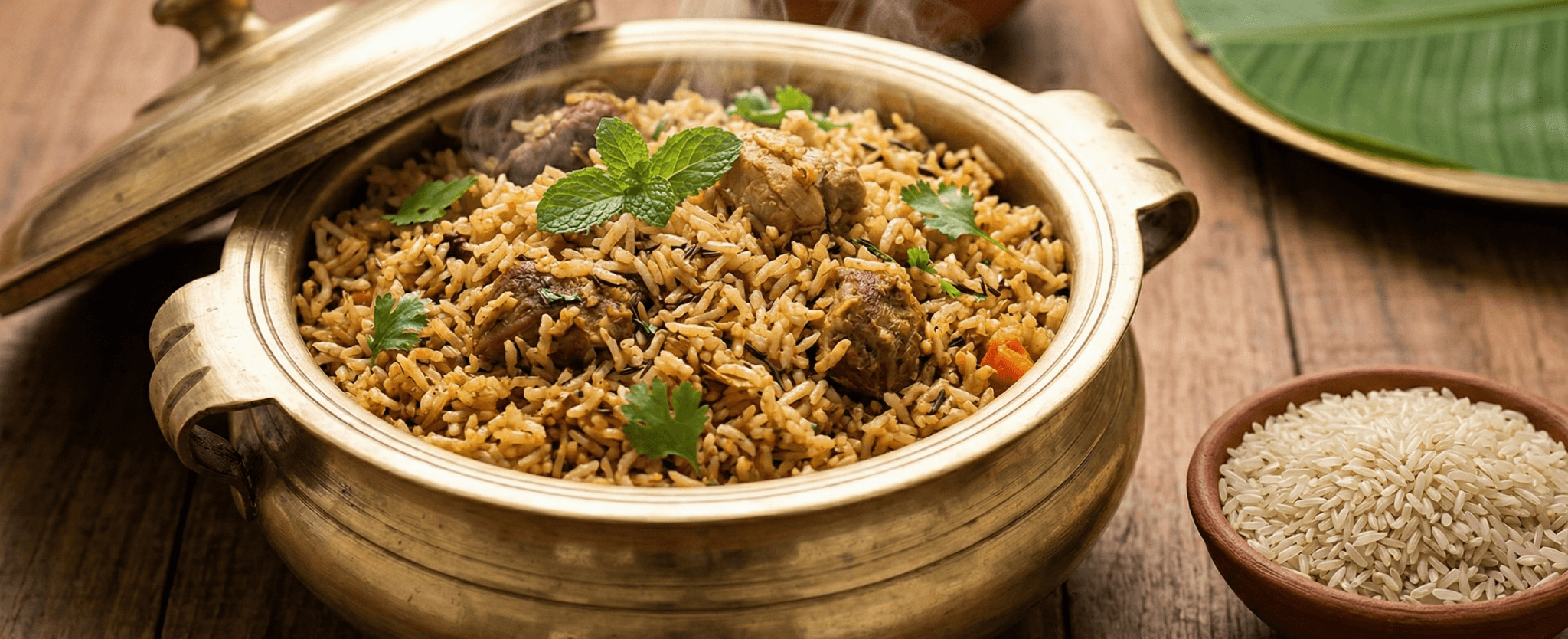
- Looking for a grain that holds texture in pulao, biriyani-style dishes, or upma
- Introducing millets to someone who prefers familiar rice-like appearance and mild nuttiness
- Supporting bone health through higher calcium intake
- Cooking for an active household where protein and sustained energy are priorities
The Best Answer: Rotate Both
The most practically sound approach for most households is not to pick one millet and stick with it exclusively but to rotate both across the week. Little millet works exceptionally well as a morning kanji or a soft khichdi for dinner. Foxtail millet holds up better in breakfast upma, pongal, and noon meals where a heartier texture is appropriate.
Rotating both millets means your household benefits from little millet’s exceptional iron content and digestive gentleness alongside foxtail millet’s higher protein, better texture for main meals, and stronger blood sugar research profile. Neither grain has a significant downside when used as part of a varied diet that also includes other millets, pulses, and traditional spices.
| Day Part | Suggested Rotation |
|---|---|
| Morning (soft, easy to digest) | Little millet kanji or samai idli |
| Breakfast (filling, textured) | Foxtail millet upma or pongal |
| Lunch main (holds texture) | Foxtail millet rice or pulao |
| Light dinner (easy to digest) | Little millet khichdi with moong dal |
| Fasting days | Little millet as rice substitute |
Buying and Preparing Both Millets
Whether you are buying little millet or foxtail millet, the same quality indicators apply:
- Choose whole, unpolished grain whenever possible. The bran layer carries most of the fibre, iron, and minerals. Polished millet looks cleaner but delivers a fraction of the nutritional benefit.
- Look for grains that smell fresh and neutral. Any musty or stale smell indicates old stock or poor storage.
- Store in airtight glass jars away from heat and moisture. Both millets keep well for up to 12 months in correct storage conditions.
- Always soak before cooking. Soaking for at least 30 minutes and ideally 4 to 6 hours reduces phytic acid, which can inhibit iron and zinc absorption. This step is particularly important when using millets as an iron source.
- Pair with vitamin C-rich accompaniments such as tomato sambar, lemon-dressed salads, or fresh coriander to maximise non-haem iron absorption from both grains.
Both little millet and foxtail millet are available as whole, unpolished grain through the Ulamart millets collection. Pair them with the pulses range at Ulamart for nutritionally complete khichdi and sambar combinations, and use the spices collection to build tempering that enhances both flavour and digestive function.
For detailed nutritional data on both grains, the National Institute of Nutrition (NIN) India food composition tables provide comprehensive raw and cooked values that align closely with the figures referenced in this article.