When it comes to superfoods, we often think bigger is better. Chia seeds get all the Instagram attention. Quinoa has become the darling of health food stores. But what if I told you that one of the most powerful nutritional grains is so small you could easily mistake it for mustard seeds?
Meet little millet, known as “samai” in Tamil, “kutki” in Hindi, and “same” in Kannada. These tiny golden grains are barely the size of poppy seeds, yet they pack more nutrition per gram than grains ten times their size. Our ancestors across India cultivated and cherished little millet for thousands of years. Then, like so many traditional foods, it nearly disappeared from our plates.
Today, as we battle an epidemic of lifestyle diseases, little millet is making a quiet but powerful comeback. And the people who are discovering it, especially those managing diabetes or trying to lose weight, are wondering why they didn’t know about it sooner.
Let’s explore why this tiny grain deserves a big place in your kitchen.
What Exactly is Little Millet?
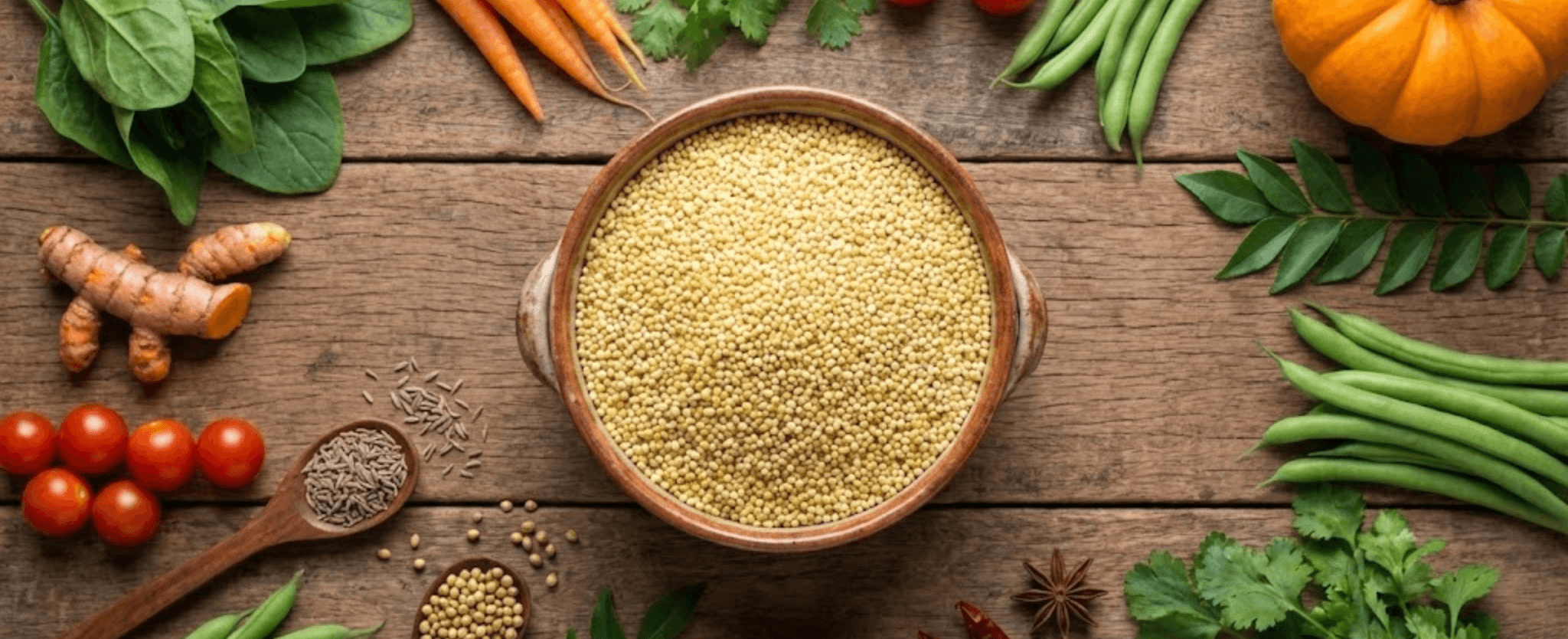
Little millet (Panicum sumatrense) is one of the smallest grains in the millet family. The grains are tiny, smooth, and range in color from white to light yellow to reddish-brown, depending on the variety.
Despite its small size, little millet has been cultivated in India for over 3,000 years. It thrives in conditions where other crops struggle: poor soil, minimal water, no pesticides. It’s nature’s survivor, and that resilience translates into impressive nutritional density.
Regional Names Across India
Little millet goes by many names depending on where you are:
- Tamil: Samai
- Telugu: Sama
- Kannada: Same
- Hindi: Kutki or Shavan
- Malayalam: Chama
- Marathi: Sava or Halvi
- Bengali: Sama
If your grandmother cooked with “samai rice” or made “kutki khichdi,” she was using little millet.
Nutritional Profile: Small Size, Big Impact
Don’t let the tiny size fool you. Little millet is a nutritional powerhouse that puts many popular grains to shame.
Nutritional Comparison (Per 100g)
| Nutrient | Little Millet | White Rice | Brown Rice | Quinoa |
| Calories | 341 kcal | 130 kcal | 370 kcal | 368 kcal |
| Protein | 10.1g | 2.7g | 7.9g | 14.1g |
| Fiber | 7.6g | 0.4g | 2.8g | 7.0g |
| Iron | 9.3mg | 0.2mg | 1.8mg | 4.6mg |
| Calcium | 17mg | 10mg | 23mg | 47mg |
| Magnesium | 133mg | 25mg | 143mg | 197mg |
| Phosphorus | 285mg | 68mg | 333mg | 457mg |
| Zinc | 3.7mg | 0.5mg | 1.4mg | 3.1mg |
| Vitamin B3 (Niacin) | 3.2mg | 0.4mg | 5.1mg | 1.5mg |
| Glycemic Index | 54-57 | 70-90 | 50-55 | 53 |
Key Highlights:
- 46 times more iron than white rice
- 19 times more fiber than white rice
- 7 times more zinc than brown rice
- Medium-low glycemic index perfect for diabetics
- High in protein for a grain
That’s what we call getting more bang for your buck, nutritionally speaking.
Why Little Millet is Perfect for Diabetics
If you’re managing diabetes, little millet should be on your radar. Here’s why it works so well for blood sugar control:
1. Medium-Low Glycemic Index (54-57)
The glycemic index measures how quickly a food raises blood sugar. Little millet’s GI of 54-57 is significantly lower than white rice (70-90) and even slightly lower than brown rice in some studies.
This means:
- Slower release of glucose into the bloodstream
- No sudden blood sugar spikes
- More stable energy levels throughout the day
- Better long-term diabetes management
2. High Fiber Content
With 7.6g of fiber per 100g, little millet provides nearly 20 times the fiber of white rice. This fiber does two crucial things for diabetics:
Slows carbohydrate digestion: Fiber creates a gel-like substance in your digestive tract that slows down how quickly carbohydrates are broken down and absorbed. This prevents the dangerous blood sugar spikes that diabetics need to avoid.
Improves insulin sensitivity: Regular fiber intake has been shown to improve how your body responds to insulin, making the insulin you produce (or inject) work more effectively.
3. Rich in Magnesium
Little millet contains 133mg of magnesium per 100g. This mineral plays a crucial role in glucose metabolism and insulin function.
Research shows that magnesium deficiency is common in people with type 2 diabetes, and adequate magnesium intake can improve blood sugar control. Just 100g of cooked little millet provides about 30% of your daily magnesium needs.
4. Protein Power
The 10.1g of protein per 100g helps stabilize blood sugar in two ways:
- Protein slows down carbohydrate absorption
- It promotes satiety, reducing the temptation to snack on high-sugar foods
Many diabetics report that meals with little millet keep them satisfied for 4-5 hours, compared to 2-3 hours with white rice.
Real-World Impact
Studies on millet consumption in diabetic populations show promising results. A 2021 study found that replacing rice with millets led to:
- Lower fasting blood sugar levels
- Improved HbA1c (long-term blood sugar marker)
- Better post-meal glucose response
- Reduced medication requirements in some cases
Little Millet for Weight Management
Trying to lose weight? Little millet can be your ally. Here’s why it works:
1. High Satiety Factor
The combination of fiber and protein means little millet keeps you feeling full for longer. Unlike white rice, which digests quickly and leaves you hungry within hours, little millet provides sustained satisfaction.
Real-world benefit: You naturally eat less throughout the day because you’re not constantly fighting hunger pangs.
2. Nutrient Density
When you’re eating fewer calories to lose weight, every calorie needs to count nutritionally. Little millet delivers maximum nutrition per calorie, ensuring you don’t become nutrient deficient while losing weight.
You get vitamins, minerals, protein, and fiber, not just empty carbohydrates.
3. Low Glycemic Impact
Stable blood sugar means stable insulin levels. When insulin levels spike (as they do with high-GI foods), your body is triggered to store fat. With little millet’s low-GI profile, your body can focus on burning fat rather than storing it.
4. Easy Portion Control
Because little millet is so filling, you naturally eat smaller portions. Many people find that 1/4 to 1/3 cup of cooked little millet is satisfying, compared to needing a full cup of rice.
Weight Loss Success Tips
- Replace rice with little millet for lunch (easiest meal to modify)
- Pair with vegetables and lean protein
- Don’t add excessive oil or ghee (defeats the purpose!)
- Eat mindfully and stop when satisfied
- Combine with regular physical activity
Additional Health Benefits
Beyond diabetes and weight management, little millet offers numerous other health benefits:
Excellent for Digestion
The high fiber content promotes regular bowel movements and prevents constipation. The grain is also easily digestible, making it suitable even for people with sensitive stomachs.
Little millet acts as a prebiotic, feeding the beneficial bacteria in your gut. A healthy gut microbiome is linked to better immunity, mood, and overall health.
Heart Health Support
The combination of fiber, magnesium, and healthy fats in little millet supports cardiovascular health by:
- Helping lower LDL (bad) cholesterol
- Regulating blood pressure
- Reducing inflammation in blood vessels
- Supporting overall heart function
Rich in Antioxidants
Little millet contains phenolic compounds and flavonoids that act as antioxidants in the body. These compounds help:
- Fight oxidative stress
- Reduce inflammation
- Protect cells from damage
- Support healthy aging
Bone and Teeth Health
The phosphorus and calcium content, along with magnesium, supports strong bones and teeth. This is particularly important for:
- Growing children
- Pregnant and nursing women
- Menopausal women at risk for osteoporosis
- Elderly individuals
Anemia Prevention
With 9.3mg of iron per 100g, little millet is an excellent choice for preventing and managing iron-deficiency anemia. This is especially important for:
- Women with heavy menstrual periods
- Pregnant women
- Children
- Vegetarians and vegans
Gluten-Free Alternative
Like all millets, little millet is naturally gluten-free, making it perfect for people with celiac disease or gluten sensitivity. It’s a nutritious alternative to wheat-based products.
How to Cook Little Millet Perfectly
Little millet is incredibly easy to cook. If you can cook rice, you can cook little millet!
Basic Cooking Method
Ratio: 1 cup little millet to 2.5 cups water
Steps:
- Rinse: Wash little millet 2-3 times until water runs clear
- Optional roasting: Dry roast for 2-3 minutes for enhanced flavor
- Boil: Bring water to boil, add millet and salt
- Simmer: Cover and cook on low heat for 15-18 minutes
- Rest: Turn off heat, let sit covered for 5 minutes
- Fluff: Gently fluff with a fork
Result: Light, fluffy, slightly nutty-tasting grain
Pressure Cooker Method
- Use 1:2 ratio (1 cup millet to 2 cups water)
- Cook for 2 whistles on medium heat
- Natural pressure release
- Fluff and serve
Pro Cooking Tips
For separate grains: Use less water (1:2 ratio) and avoid stirring during cooking
For softer texture: Use more water (1:3 ratio), good for porridge or khichdi
Enhance flavor: Add a bay leaf, cinnamon stick, or cardamom while cooking
No soaking needed: Unlike some grains, little millet doesn’t require pre-soaking
Check doneness: Grains should be tender but not mushy, with a slight bite
Delicious Little Millet Recipes
Little millet is incredibly versatile. Here are some easy ways to enjoy it:
1. Breakfast Ideas
Samai (Little Millet) Upma
- Roast cooked millet lightly
- Temper with mustard seeds, curry leaves, green chilies
- Add vegetables (carrots, beans, peas, onions)
- Season with lemon juice and coriander
- Quick, filling, and nutritious
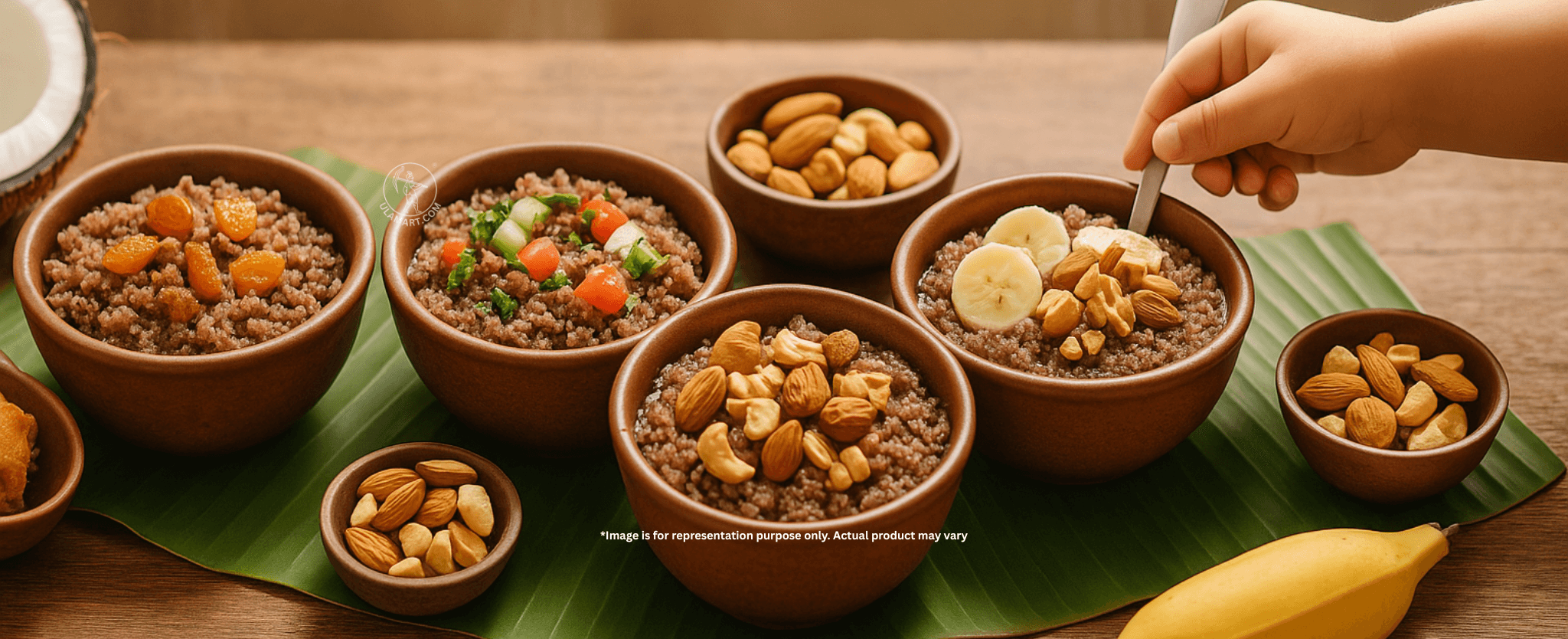
Little Millet Porridge
- Cook with extra water until soft
- Add milk (dairy or plant-based)
- Sweeten with jaggery or dates
- Top with nuts and seeds
- Perfect for diabetics (use minimal sweetener)
Samai Dosa
- Grind soaked little millet with urad dal
- Ferment overnight
- Make thin, crispy crepes
- Serve with chutney and sambar
2. Lunch and Dinner Options
Little Millet Pulao
- Sauté whole spices in ghee or oil
- Add mixed vegetables
- Mix in cooked little millet gently
- Garnish with fresh herbs
- Serve with raita
Samai Khichdi
- Cook little millet with moong dal
- Add turmeric, cumin, and vegetables
- Temper with ghee and serve hot
- Comfort food that’s healthy too
Little Millet Biryani
- Layer cooked millet with spiced vegetables
- Add saffron milk and fried onions
- Cook on low heat (dum method)
- Lighter than rice biryani
Samai “Rice” Meals
- Simply use cooked little millet in place of rice
- Serve with sambhar, rasam, and vegetables
- Your regular South Indian meal, just healthier
3. Snacks and Sweets
Little Millet Cutlets
- Mix cooked millet with mashed vegetables
- Add spices and breadcrumbs
- Shape and shallow fry
- Healthy evening snack
Samai Payasam (Pudding)
- Cook little millet in milk
- Add jaggery and cardamom
- Garnish with nuts
- Festival sweet made healthy
Little Millet Upma Balls
- Make thick upma
- Shape into balls while warm
- Great for kids’ lunchboxes
- Easy to eat, nutritious
Buying and Storing Little Millet
What to Look For
Color: Should be uniform golden-yellow or pale white, depending on variety
Grain Quality: Clean, free from stones, debris, or insects
Smell: Mild, pleasant grain smell, no musty or rancid odor
Packaging: Look for sealed packages with manufacturing date
Certifications: FSSAI approved, preferably organic certified
Source: Buy from reputable suppliers who can verify authenticity
Storage Guidelines
- Store in airtight container in cool, dry place
- Keeps well for 6-9 months at room temperature
- Refrigeration extends shelf life to 12 months
- Protect from moisture and humidity
- Check periodically for any signs of infestation
Quality Matters
Buy from trusted sources to ensure you’re getting authentic little millet and not mixed or adulterated grain. Organic certification ensures the millet is grown without pesticides, which is important since the grain is consumed whole.
Making the Transition
If you’re new to little millet, here’s how to ease into it:
Week 1: Breakfast Introduction
Start with little millet porridge or upma for breakfast. Your digestive system adjusts, and you get used to the taste.
Week 2: Mix and Match
Mix little millet with rice in a 1:3 ratio for lunch. Gradually increase the millet proportion.
Week 3: Full Replacement for One Meal
Replace rice completely with little millet for lunch. Most people find this easier than dinner replacement.
Week 4: Multiple Meals
Use little millet for both breakfast and lunch, or experiment with dinner.
Tips for Family Acceptance
Make familiar dishes: Little millet pulao or biryani tastes similar enough to rice versions that many people don’t object.
Start with mixed dishes: Khichdi and upma naturally blend flavors, making the grain change less noticeable.
Don’t announce it loudly: Sometimes the best strategy is just serving it without making a big deal about the “healthy change.”
Adjust gradually: Give everyone’s taste buds time to adjust over 3-4 weeks.
Common Questions Answered
Does little millet taste good? Yes! It has a mild, slightly nutty flavor that most people find pleasant. The taste is subtle enough to work in most dishes where you’d use rice.
Is it difficult to cook? Not at all. It’s actually easier and faster to cook than brown rice, and the method is nearly identical to cooking white rice.
Can I eat it every day? Absolutely. Little millet can be eaten daily as part of a balanced diet. Many traditional communities have done so for generations.
Is it expensive? Little millet costs more than white rice but is comparable to or cheaper than quinoa and other “superfoods.” Given its nutritional value, it’s excellent value for money.
Will it help me lose weight automatically? No grain causes automatic weight loss. However, little millet’s high fiber and protein content can help you feel fuller on fewer calories, making it easier to maintain a calorie deficit.
Any side effects? Little millet is generally safe for most people. Introduce it gradually to avoid digestive discomfort as your system adjusts to higher fiber intake. Stay well-hydrated.
Can children eat little millet? Yes! Little millet is excellent for children, providing important nutrients for growth. Start with softer preparations like porridge for young children.
The Bigger Picture
Choosing little millet isn’t just about personal health. It’s about:
Environmental Sustainability: Little millet requires minimal water, grows in poor soil, and needs no pesticides. It’s one of the most eco-friendly grains you can eat.
Supporting Small Farmers: Most little millet is grown by small farmers using traditional methods. Your purchase supports rural livelihoods.
Preserving Biodiversity: By choosing traditional grains, you help ensure they don’t disappear from cultivation.
Climate Resilience: Millets are drought-resistant and climate-hardy. Supporting them strengthens food security for the future.
Final Thoughts: Big Nutrition in a Small Package
There’s something almost poetic about little millet. The smallest grain offers some of the biggest nutritional benefits. It’s been feeding people for millennia, quietly doing its job without fanfare or fancy marketing.
In our quest for exotic superfoods from distant lands, we overlooked the treasure growing in Indian fields. Little millet doesn’t need to be imported. It doesn’t require special growing conditions. It’s been here all along, waiting for us to remember its value.
For diabetics, it offers hope for better blood sugar management. For weight watchers, it provides satisfaction without excess calories. For everyone, it delivers nutrition that rice simply cannot match.
The tiny grain packs huge potential. The only question is: are you ready to give it a try?
Ready to experience the power of little millet? Our certified organic samai (little millet) is sourced directly from farmers who grow it using traditional, sustainable methods. Carefully cleaned and minimally processed to preserve maximum nutrition.
Small grain, big change. Start your journey to better health today.
Medical Disclaimer: This article is for informational purposes only and does not constitute medical advice. While little millet offers many health benefits, it is not a treatment or cure for any medical condition. Always consult your healthcare provider before making significant dietary changes, especially if you have existing health conditions, are pregnant, or are taking medications. Individual responses to dietary changes vary.