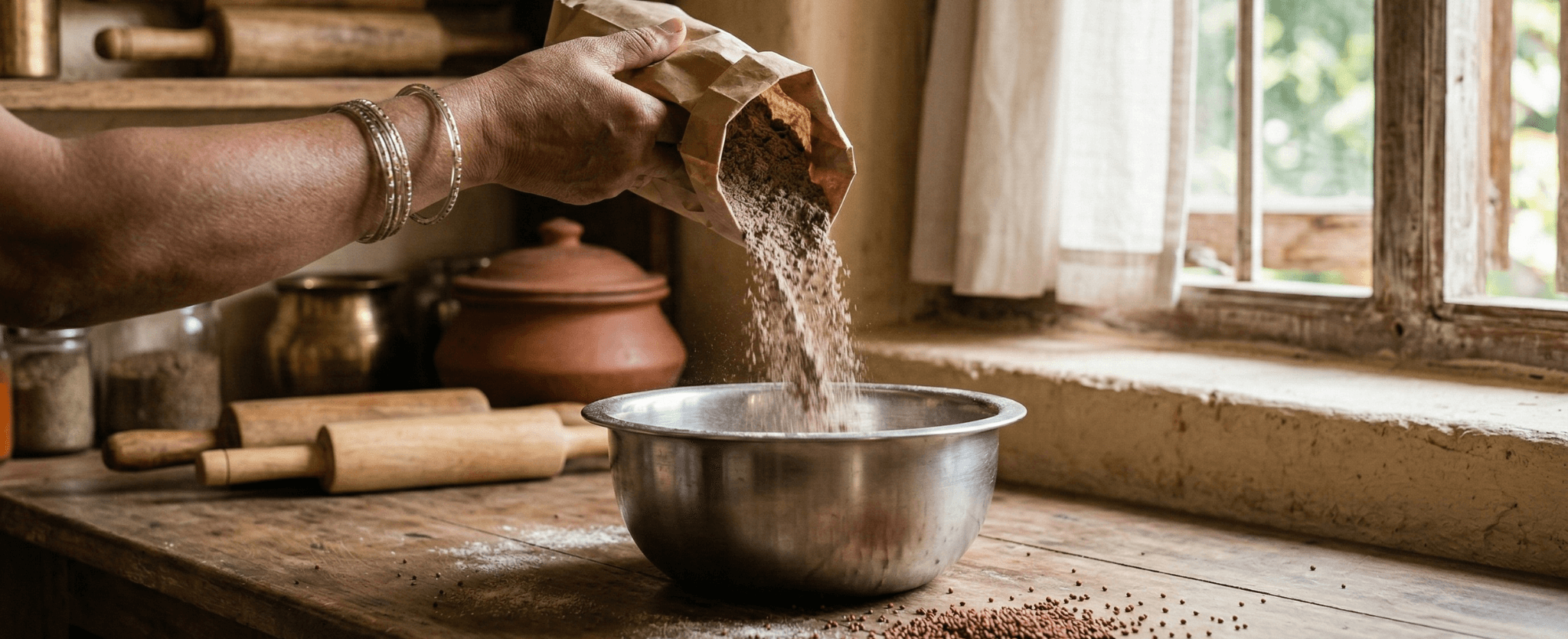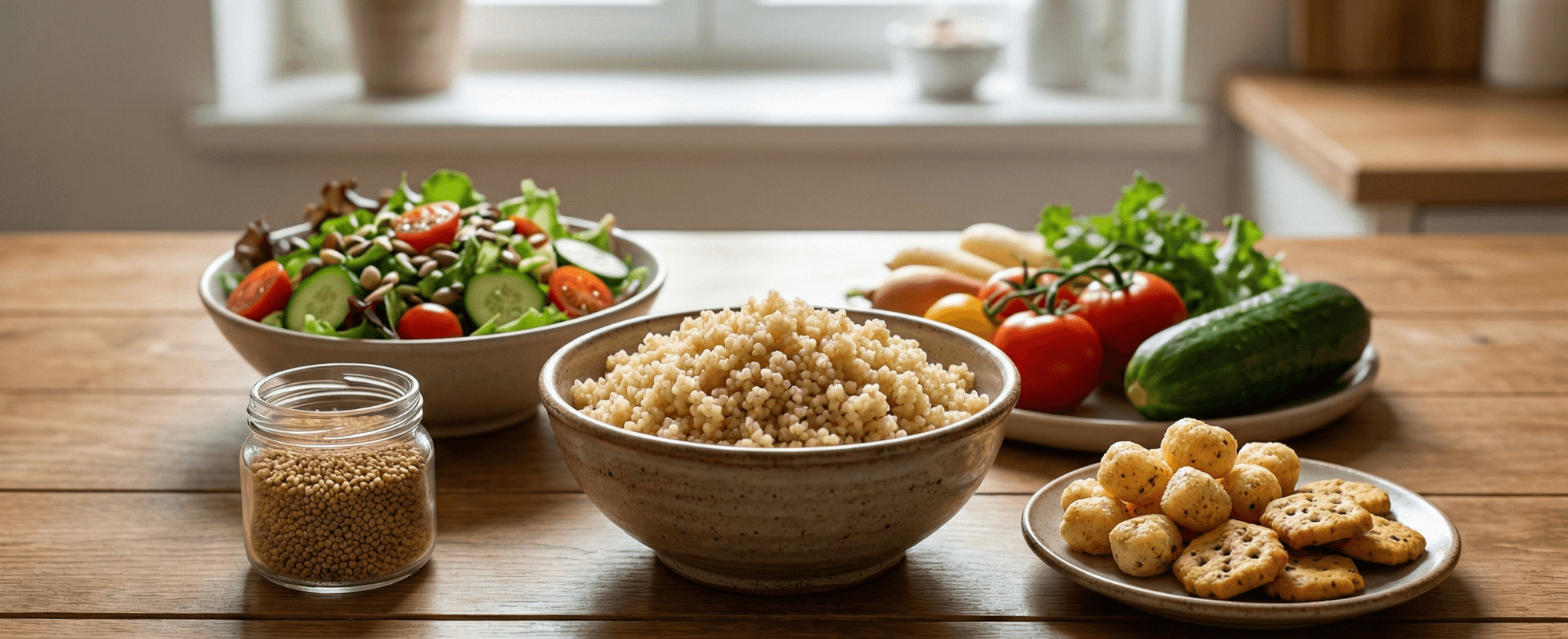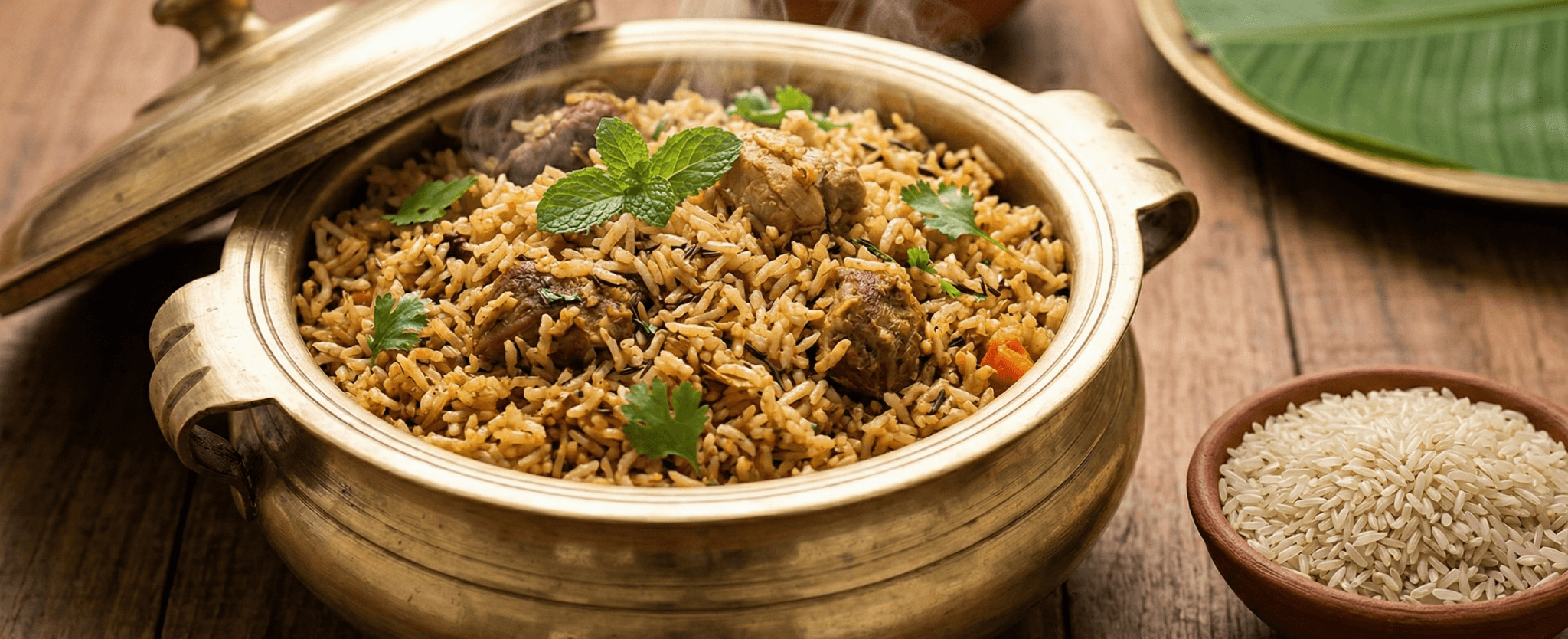
There is a particular kind of pleasure in cooking a rice variety that fills the kitchen with fragrance before the first grain has even been tasted. Kichili Samba is one of those varieties. Grown in the river delta regions of Tamil Nadu, particularly around the Cauvery basin and the wetlands of the Tanjore district, this short-grain heritage rice has been a part of South Indian temple cooking, festive feasts, and daily household meals for centuries. It is not a new discovery or a health trend. It is simply a grain that most people outside its home region stopped knowing about when commercial rice varieties took over.
Kichili Samba translates loosely to small samba, with kichili referring to its compact, rounded short-grain form. Despite its modest size, it carries a fragrance and flavour profile that rivals far more celebrated aromatic varieties. More importantly, it delivers a nutritional profile that standard polished rice cannot match, making it a genuinely worthwhile grain for anyone interested in both the quality and the health value of what is on their daily plate.
This guide covers where Kichili Samba comes from, what makes it nutritionally and culinarily distinct, how to cook it correctly, and why it deserves to become a regular part of your kitchen rather than an occasional curiosity.
The Origin and Agricultural Heritage of Kichili Samba
Kichili Samba belongs to the Samba family of traditional South Indian rice varieties, a group of short to medium grain rice cultivated primarily during the Samba season, which runs from August through January in Tamil Nadu. The Samba season produces rice that grows slowly over a longer cultivation period than other seasonal varieties, and this extended growing time is believed to be directly connected to the superior aromatic and nutritional qualities of Samba rice varieties.
The Cauvery delta region of Tamil Nadu, particularly the districts of Thanjavur, Tiruvarur, and Nagapattinam, has been the agricultural heartland of traditional South Indian rice culture for over two thousand years. These river-fed wetland fields produce ideal conditions for heritage rice: rich alluvial soil, consistent water supply from the Cauvery river system, and the specific temperature variations between day and night that encourage aromatic compound development in the grain.
Kichili Samba was a standard household rice across much of Tamil Nadu until the Green Revolution of the 1960s and 1970s introduced high-yielding commercial varieties that could produce three times the quantity per acre. While this transformation addressed food security concerns, it came at the cost of variety, nutrition, and flavour. Traditional varieties like Kichili Samba were gradually pushed to the margins, kept alive by small-scale farmers and agricultural heritage organisations committed to preserving the genetic and cultural diversity of Tamil Nadu’s rice landscape.
Today, Kichili Samba is experiencing a steady revival as consumers become more aware of the difference between industrially produced rice and traditionally cultivated heritage varieties. It is now sought after by food enthusiasts, health-conscious households, and chefs who understand that grain quality directly determines meal quality.
What Makes Kichili Samba Distinctive: Appearance, Aroma, and Texture
Grain Appearance
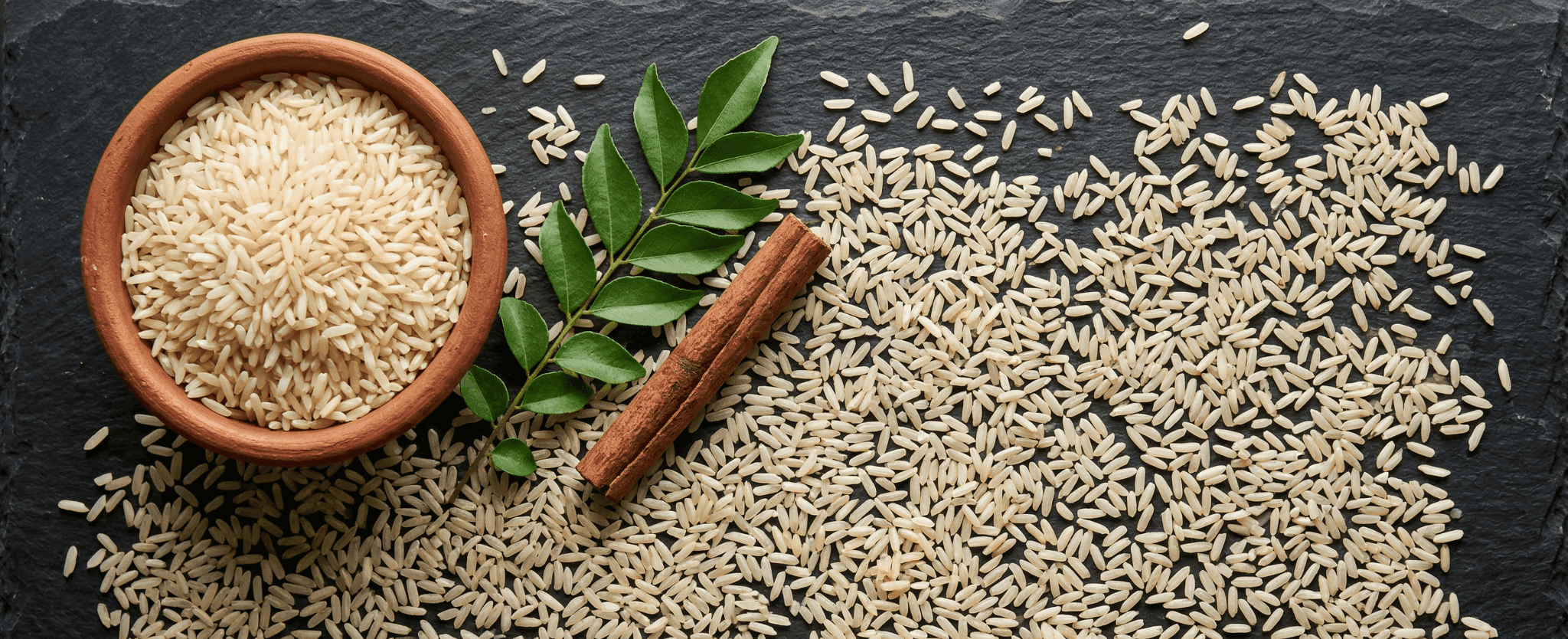
Kichili Samba grains are short, compact, and slightly rounded compared to the slender long-grain rice most urban Indian households are familiar with. The raw grain is pale cream to slightly ivory in colour, with a semi-translucent quality in good-quality unpolished stock. The short grain structure means the rice cooks to a slightly cohesive texture rather than the fluffy, separated grain texture of Basmati, which makes it naturally suited to preparations where a degree of softness and slight stickiness is desirable.
The Fragrance
The aroma of Kichili Samba is its most immediately recognisable characteristic. As it cooks, it releases a warm, milky, slightly sweet fragrance that is distinctly different from the floral-citrus scent of Basmati or the earthy quality of brown rice. This fragrance comes from naturally occurring aromatic compounds in the grain, particularly 2-acetyl-1-pyrroline, the same compound responsible for the characteristic aroma of Pandan leaves and Jasmine rice. In Kichili Samba, this compound occurs at concentrations high enough to perfume the entire cooking area during preparation.
This aromatic quality means Kichili Samba requires very little additional flavouring to produce a satisfying meal. A simple preparation with ghee, salt, and fresh curry leaves is enough to create a deeply comforting dish that standard commercial rice cannot replicate regardless of how it is seasoned.
Cooked Texture
When cooked correctly, Kichili Samba produces a soft, slightly cohesive grain that holds its shape without becoming mushy. The short grain structure gives it a pleasant mouthfeel that is more substantial than long-grain varieties, and its natural moisture retention keeps it from drying out quickly after cooking. This makes it particularly well suited to the South Indian tradition of eating rice with liquid accompaniments like sambar, rasam, and kootu, where the rice needs to absorb these without disintegrating.
Nutritional Profile of Kichili Samba Rice
Heritage rice varieties like Kichili Samba are nutritionally superior to modern commercial rice primarily because they are typically sold in their unpolished or partially polished form, retaining the bran layer that commercial white rice loses during milling. This bran layer is where most of the grain’s fibre, vitamins, and minerals are concentrated.
| Nutrient (per 100g cooked) | Kichili Samba (Unpolished) |
|---|---|
| Calories | Approximately 130 to 140 kcal |
| Carbohydrates | 28 to 30 g (complex, slower release) |
| Dietary Fibre | 1.5 to 2.5 g (vs 0.4 g in polished white rice) |
| Protein | 2.5 to 3 g |
| Iron | 0.5 to 0.8 mg |
| Magnesium | 15 to 25 mg |
| Glycaemic Index | Moderate (lower than polished white rice) |
| Aromatic Compounds | 2-acetyl-1-pyrroline (natural fragrance) |
The fibre content of unpolished Kichili Samba is significantly higher than commercially polished white rice, which loses over 85 percent of its fibre during processing. This fibre difference has a direct impact on the glycaemic response of the meal, the feeling of fullness, and the food provided to beneficial bacteria in the large intestine.
The bran layer of heritage rice also contains B vitamins including thiamine, niacin, and B6, which are largely stripped from commercially milled rice. These vitamins play critical roles in energy metabolism and nervous system function. Kichili Samba in its lightly milled form retains more of these nutrients than the polished rice that dominates most Indian households.
Why unpolished matters: The nutritional difference between unpolished Kichili Samba and standard polished white rice is not marginal. Unpolished rice retains the bran and germ, which together account for 80 percent of the grain’s vitamins, most of its fibre, and a significant portion of its minerals. Choosing unpolished heritage rice is one of the simplest and most impactful single changes a household can make to the nutritional quality of its daily meals.
Health Benefits of Kichili Samba Rice
Better Glycaemic Response Than Commercial White Rice
The combination of a higher fibre content, the presence of the bran layer, and the complex starch structure of traditional short-grain varieties means that Kichili Samba produces a more gradual rise in blood glucose compared to commercially polished white rice. The bran acts as a physical barrier that slows enzymatic access to the starch inside the grain, reducing the rate at which glucose enters the bloodstream. For those managing blood sugar, or simply wanting to avoid the post-meal energy crash that polished white rice often causes, Kichili Samba is a significantly better choice within the rice category.
Gut Health Through Fibre
The higher dietary fibre in Kichili Samba feeds the beneficial bacteria of the large intestine, supports healthy gut motility, and contributes to a more diverse gut microbiome. A diet consistently built around whole or minimally processed grains rather than refined ones is one of the most reliably supported dietary strategies for long-term gut health according to nutritional research.
Satiety and Weight Management
The bran layer in Kichili Samba slows gastric emptying, meaning the stomach takes longer to process a meal made with this rice compared to polished white rice. This translates to a prolonged feeling of fullness, reduced post-meal hunger, and less tendency to overeat between meals. For households managing weight, switching from polished white rice to an unpolished heritage variety like Kichili Samba is a practical and sustainable change that does not require eliminating a familiar staple from the diet.
Naturally Occurring Antioxidants
The bran of traditional rice varieties, including Kichili Samba, contains naturally occurring antioxidant compounds including oryzanol, tocotrienols (a form of vitamin E), and phenolic acids. These compounds help neutralise free radicals in the body, contributing to reduced oxidative stress over time. Commercially polished white rice loses these antioxidants entirely during milling, making heritage varieties meaningfully superior in this regard.
Kichili Samba vs Other Common Rice Varieties
| Feature | Kichili Samba | Commercial Polished White Rice |
|---|---|---|
| Grain shape | Short, compact, rounded | Long, slender (typical) |
| Aroma | Warm, milky, naturally fragrant | Minimal to none |
| Fibre content | Higher (bran intact) | Very low (bran removed) |
| Glycaemic impact | Moderate, slower release | High, rapid release |
| Nutritional depth | B vitamins, minerals, antioxidants | Mostly starch, low nutrients |
| Best for | Daily meals, sambar rice, kanji | Fried rice, biryani (polished style) |
How to Cook Kichili Samba Rice Correctly
Preparation Before Cooking
Always rinse Kichili Samba two to three times in cold water until the water runs clear. This removes surface starch that can make the rice overly sticky. Soaking for 20 to 30 minutes before cooking is recommended as it shortens cooking time and produces a more evenly cooked grain. If you are using unpolished Kichili Samba, a longer soak of 2 to 4 hours produces better results.
Cooking Ratios and Methods
| Cooking Method | Water Ratio | Cooking Time |
|---|---|---|
| Open pot (absorption) | 1 cup rice : 2 to 2.25 cups water | 18 to 22 minutes on low heat |
| Pressure cooker | 1 cup rice : 1.75 cups water | 2 whistles, medium heat |
| Kanji or porridge | 1 cup rice : 4 to 5 cups water | 25 to 30 minutes, stirring |
| Electric rice cooker | Follow cooker guidelines, slightly less water than Basmati | Standard cycle |
Cooking Tips for Best Results
- Do not lift the lid during cooking once steam has built up. Kichili Samba’s short grain needs consistent steam to cook evenly.
- Allow the cooked rice to rest covered for 5 minutes after the heat is turned off before serving. This allows moisture to redistribute and produces a better final texture.
- A teaspoon of ghee added to the cooking water enhances the aroma and gives a subtle richness to the finished rice.
- Slightly reduce water quantity compared to standard long-grain rice. Kichili Samba’s short grain absorbs water faster and can become mushy if overwatered.
What Pairs Best with Kichili Samba Rice
The aromatic quality and slightly cohesive texture of Kichili Samba make it particularly well matched with specific South Indian preparations. Its natural fragrance complements rather than competes with spice-forward accompaniments.
- Sambar: The classic pairing. Kichili Samba’s soft texture absorbs sambar beautifully without becoming porridge. The grain’s natural aroma deepens when combined with the tamarind and spice profile of a good sambar. Use the spices from the
- Rasam: The light, peppery heat of rasam complements Kichili Samba’s gentle sweetness, making this combination one of the most comforting and digestively supportive pairings in South Indian food.
- Kootu and dry subzis: The slightly cohesive grain holds up well alongside dry vegetable preparations and thick lentil-vegetable gravies.
- Curd rice: Kichili Samba’s soft texture and mild flavour make it exceptional for curd rice, the traditional South Indian cooling preparation that is particularly welcome in summer months.
- Simple ghee rice: A small amount of ghee, salt, and fresh curry leaves is all Kichili Samba needs to become a complete and satisfying meal on its own. The grain’s fragrance does the rest.
Pair Kichili Samba from the Ulamart rice collection with the spices collection for tempering and the pulses range for sambar and kootu preparations. For those exploring other heritage varieties, the full rice range at Ulamart includes Thooyamalli, Seeraga Samba, Navara, and several other traditionally cultivated South Indian varieties.
Buying and Storing Kichili Samba Rice
What to Look For
Genuine Kichili Samba should have a distinctly short, compact grain profile. If the grains are long and slender, the variety has been mislabelled. The unpolished version will have a slightly beige or ivory tone rather than the stark white of commercially milled rice. The aroma test is the most reliable quality check: a small handful of good Kichili Samba, warmed briefly between the palms, should release a faint milky-sweet fragrance even before cooking.
Organic and Traditionally Grown Sourcing
Heritage rice varieties grown using traditional methods, without synthetic fertilisers or pesticides, tend to have a more pronounced aroma and better nutritional profile than those grown under high-input commercial agriculture. This is because the slower growth under natural conditions allows more complete development of the grain’s aromatic and nutritional compounds. When sourcing Kichili Samba, prefer varieties grown in the Cauvery delta region using traditional cultivation practices.
| Storage Factor | Best Practice |
|---|---|
| Container | Airtight glass or food-grade container with a tight lid |
| Location | Cool, dark pantry or cupboard away from direct sunlight |
| Duration | Up to 12 months for unpolished, 18 months for partially milled |
| Pest prevention | Place a bay leaf or dried red chilli in the container |
| Avoid | Storing near moisture sources or in open bags |
Bringing Heritage Rice Back to the Everyday Table
The return of Kichili Samba to South Indian kitchens is not about nostalgia alone. It is about choosing a grain that works harder for the body, tastes better in the bowl, and supports the agricultural traditions of a region whose farming knowledge spans thousands of years. Every meal cooked with a heritage variety like Kichili Samba is both a nutritional choice and a small act of cultural preservation.
The shift from commercial polished rice to unpolished heritage varieties does not require overhauling a kitchen. It requires one decision: to prioritise the quality of the grain on the table. Kichili Samba makes that decision easy because it rewards you immediately with fragrance, flavour, and the kind of satisfaction that a generic supermarket rice simply cannot provide.
Find Kichili Samba rice along with a full range of heritage South Indian rice varieties through the Ulamart rice collection. For further reading on the nutritional superiority of traditional rice varieties over commercially polished rice, the Food and Agriculture Organization of the United Nations grains research archive provides extensive documentation on grain processing and nutrient retention.