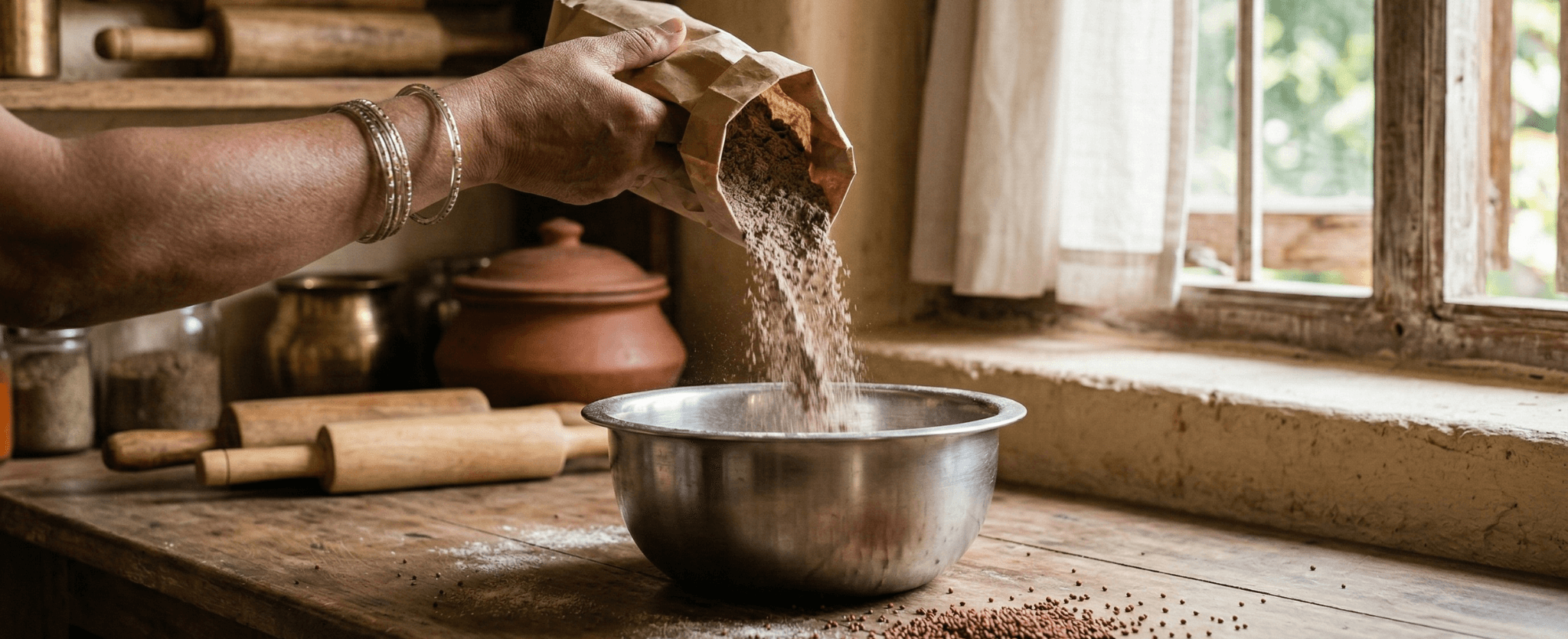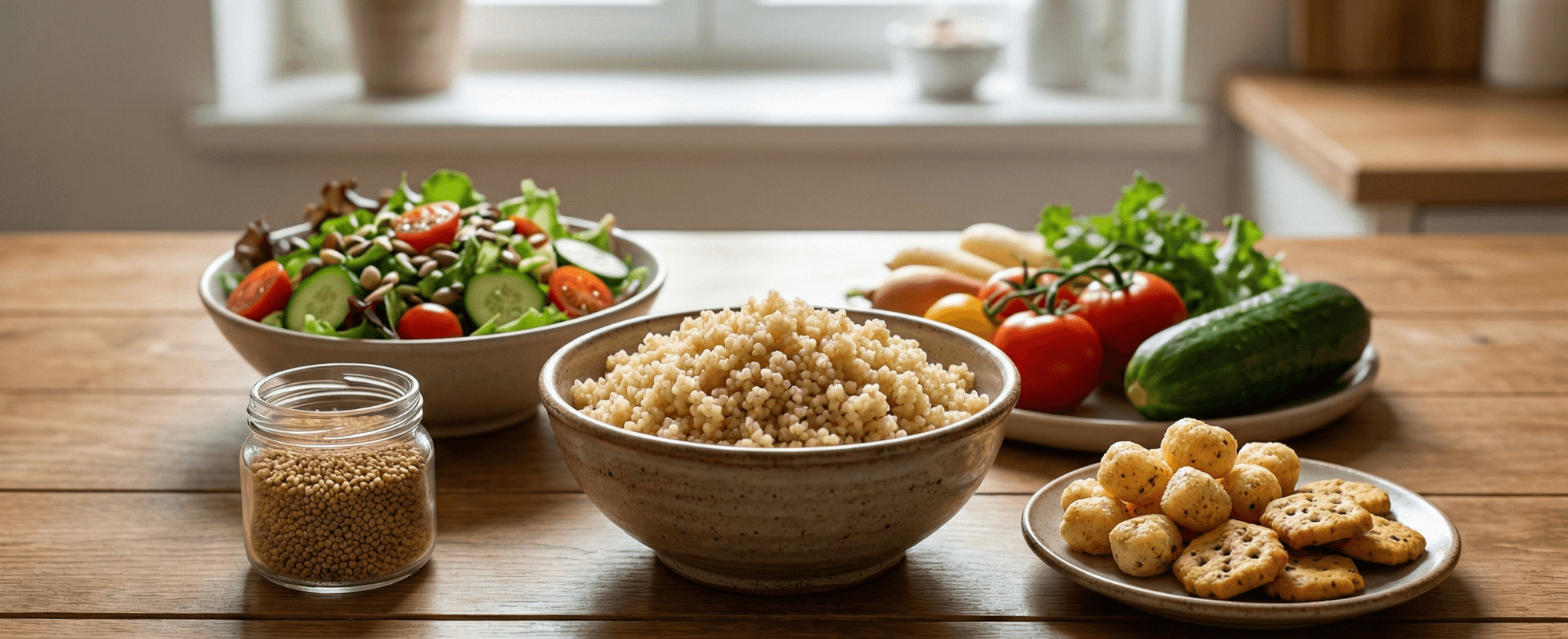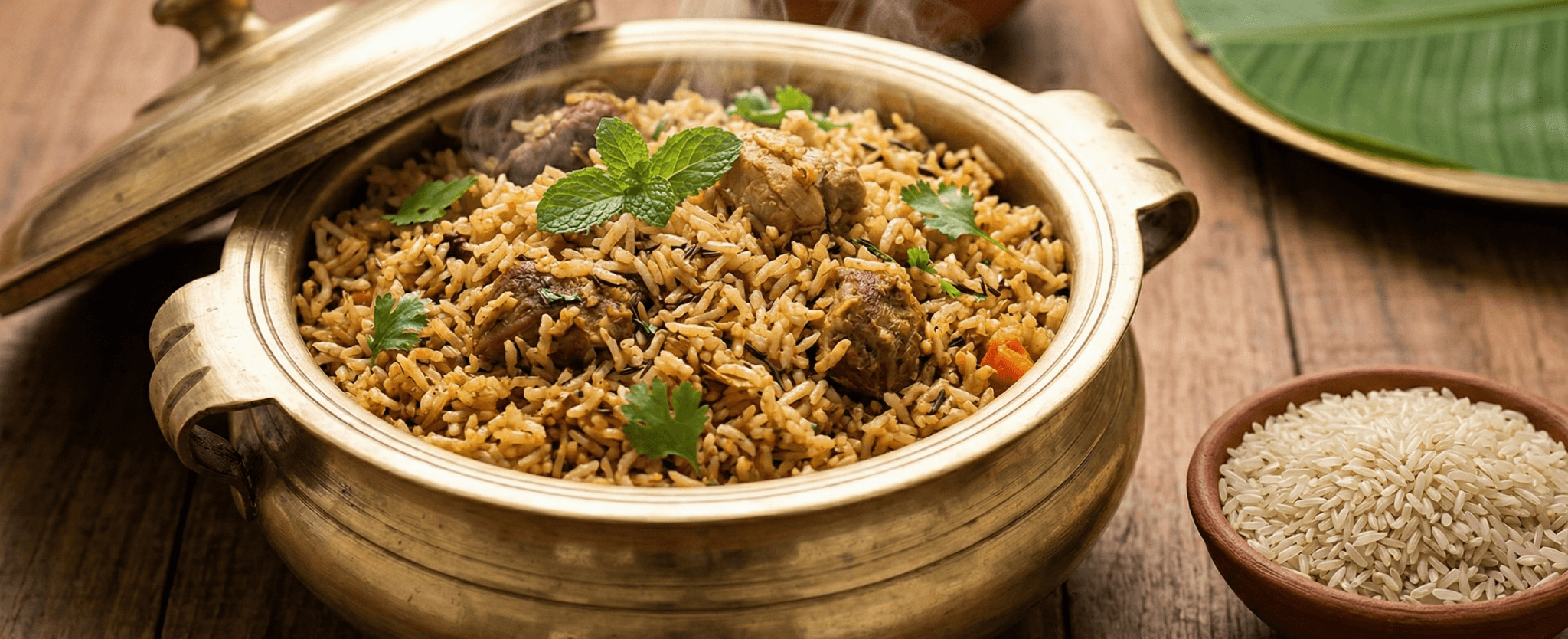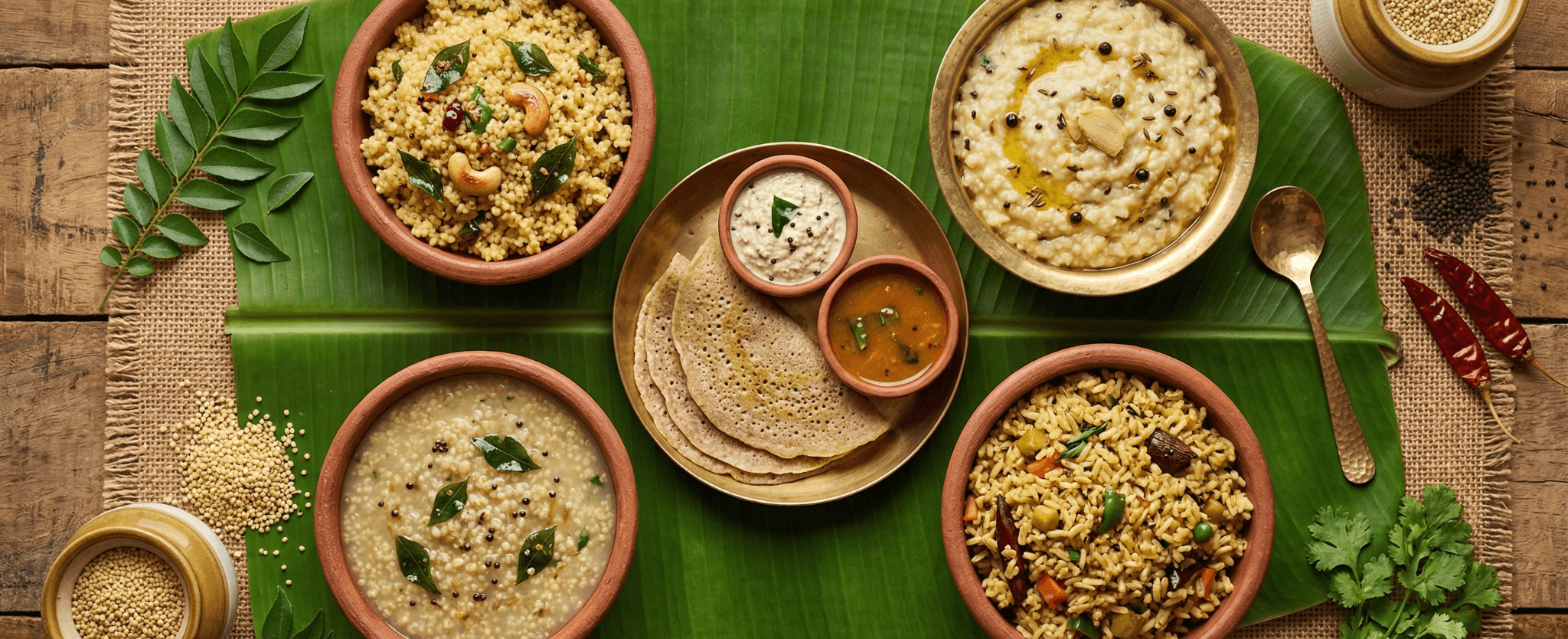
Foxtail millet, known as thinai in Tamil and navane in Kannada, is one of the oldest cultivated grains in South Asia. Archaeological evidence places its cultivation in India as far back as 5000 BCE, making it older than wheat and rice as a staple crop. For most of the last century, it quietly disappeared from mainstream Indian kitchens as polished white rice and refined flour took over. Today, it is coming back, and for very good reason.
Foxtail millet is gluten-free, low on the glycaemic index, high in dietary fibre, and genuinely easy to cook once you understand its basic requirements. It has a mild, slightly nutty flavour that adapts well to both savoury and sweet preparations. Most importantly, it cooks in roughly the same way as rice, which means transitioning to it does not require learning an entirely new cooking style.
This guide presents five foxtail millet recipes that are practical for daily cooking, along with the nutritional context that makes this grain worth incorporating regularly into your household meals.
Why Foxtail Millet Deserves a Place in Your Daily Kitchen
Before getting to the recipes, it is worth understanding what makes thinai nutritionally significant compared to the staple grains most Indian households currently rely on.
| Nutrient (per 100g cooked) | Foxtail Millet | White Rice |
|---|---|---|
| Glycaemic Index | 50 to 54 (Low) | 72 to 75 (High) |
| Dietary Fibre | 6.7 g | 0.4 g |
| Protein | 12.3 g | 2.7 g |
| Iron | 2.8 mg | 0.2 mg |
| Magnesium | 81 mg | 12 mg |
The low glycaemic index of foxtail millet means it releases glucose into the bloodstream gradually rather than in a sharp spike, making it one of the better grain choices for those managing blood sugar, diabetes, or weight. Its fibre content keeps the gut moving, feeds beneficial bacteria in the large intestine, and creates a sustained feeling of fullness that reduces the tendency to overeat between meals.
Foxtail millet is also significantly richer in iron and magnesium than white rice, making it a genuinely functional food rather than just a healthier substitute. Iron supports haemoglobin production and energy levels, and magnesium supports muscle relaxation, nerve function, and bone health.
Soaking tip: Always soak foxtail millet for at least 30 minutes before cooking, and ideally for 4 to 6 hours. Soaking reduces phytic acid content, which can inhibit mineral absorption, and also shortens cooking time significantly. Rinse well after soaking before adding to any preparation.
Basic Foxtail Millet Cooking Ratios and Times
| Preparation | Water Ratio and Cooking Time |
|---|---|
| Plain cooked (like rice) | 1 cup millet : 2 cups water, 15 to 18 minutes on low heat |
| Soft porridge or kanji | 1 cup millet : 4 cups water, 20 to 25 minutes, stir occasionally |
| Upma or pongal | 1 cup millet : 3 cups water, 20 minutes with stirring |
| Pressure cooker | 1 cup millet : 2 cups water, 2 whistles on medium heat |
Foxtail millet available through the Ulamart millets collection is sourced as whole, unpolished grain, which retains the bran layer where most of the fibre and minerals are concentrated. This variety may take slightly longer to cook than commercially polished millet, which is normal and expected. The flavour and nutrition are considerably better.
Recipe 1: Thinai Upma (Foxtail Millet Savoury Porridge)
Upma is one of the most practical South Indian breakfasts because it comes together in under 20 minutes, uses pantry ingredients, and is genuinely filling. The foxtail millet version has a slightly coarser texture than semolina upma but is considerably more nutritious and keeps you full for longer through the morning.
Thinai Upma
Ingredients: 1 cup foxtail millet (soaked 30 min, drained), 2.5 cups water, 1 medium onion (finely chopped), 1 green chilli, 1 tsp mustard seeds, 1 tsp cumin seeds, 8 to 10 curry leaves, 2 tbsp oil or ghee, salt to taste, fresh coriander to garnish
Method: Heat oil in a heavy pan. Add mustard seeds and allow to splutter, then add cumin seeds and curry leaves. Add onion and green chilli, saute until onion is translucent. Add the drained millet and stir for 2 minutes on medium heat until lightly toasted. Add 2.5 cups of water and salt, bring to a boil, reduce to low, cover and cook for 15 to 18 minutes until water is absorbed and millet is cooked through. Rest covered for 5 minutes before serving. Garnish with fresh coriander and a squeeze of lemon.
Tip: Add a handful of roasted peanuts or cashews along with the onion for additional protein and texture. A small piece of grated ginger added with the onion improves the digestibility of the dish.
Recipe 2: Thinai Pongal (Foxtail Millet and Dal Comfort Bowl)
Pongal is the quintessential South Indian comfort meal, traditionally made with rice and moong dal. The foxtail millet version delivers the same creamy, hearty quality with a significantly lower glycaemic impact and higher fibre content. It is particularly well-suited to breakfast or a light dinner and is easily digestible even for older adults and children.
Thinai Pongal
Ingredients: 3/4 cup foxtail millet (soaked, drained), 1/4 cup yellow moong dal (washed), 3 cups water, 1 tsp whole black pepper, 1 tsp cumin seeds, 1 tbsp ghee, 1 sprig curry leaves, 1/2 inch ginger (grated), salt to taste, cashews for garnish (optional)
Method: Dry roast the moong dal in a pan for 2 minutes until it smells nutty. Combine the drained millet, roasted dal, water, grated ginger, and salt in a pressure cooker. Cook for 3 whistles on medium heat. Allow pressure to release naturally. The mixture should be soft and creamy. Heat ghee in a small pan, add cumin seeds and black pepper, allow to splutter. Add curry leaves and pour this tempering over the cooked pongal. Mix gently. Garnish with fried cashews if using.
Tip: Black pepper is not just a flavour addition here. The piperine in black pepper significantly improves the absorption of nutrients from both the millet and the dal. Do not reduce the pepper quantity. The moong dal from the Ulamart pulses range pairs particularly well with this preparation.
Recipe 3: Thinai Dosa (Foxtail Millet Crepe)
This is one of the most versatile foxtail millet preparations because the dosa format is already so familiar in South Indian households. The batter can be made quickly without fermentation for an immediate preparation, or fermented overnight for a more complex flavour and better probiotic benefit. The resulting dosa is thinner and crispier than a standard rice dosa and has a slightly nutty undertone.
Thinai Dosa (Quick Version)
Ingredients: 1 cup foxtail millet (soaked 4 hours, drained), 1/4 cup urad dal (soaked separately 4 hours), 1/4 tsp fenugreek seeds (soaked with urad dal), salt to taste, oil for cooking
Method: Grind the soaked millet and the soaked urad dal with fenugreek seeds together with minimal water to a smooth, slightly thick batter. The batter should coat the back of a spoon. Add salt and mix. For the quick version, use immediately. For fermented dosa, leave the batter covered at room temperature for 8 to 10 hours. Heat a cast iron or non-stick pan over medium-high heat. Pour a ladleful of batter and spread in a circular motion as thinly as possible. Drizzle oil around the edges. Cook until the edges lift and the surface is set. Fold and serve with sambar and coconut chutney.
Tip: Fermented batter produces a significantly better tasting dosa with lighter texture and mild sourness. If you have time, always ferment. The fenugreek seeds are essential as they help the batter ferment properly and contribute to the characteristic dosa aroma.
Recipe 4: Thinai Kanji (Foxtail Millet Porridge)
Kanji is one of the most ancient and medically significant preparations in South Indian and Sri Lankan food culture. It is the grain-based equivalent of soup in its healing utility: light on the digestive system, deeply nourishing, and restorative when the body needs it most. A bowl of thinai kanji in the morning is one of the most effective ways to consume millet for gut health, blood sugar management, and sustained energy.
Thinai Kanji
Ingredients: 1/2 cup foxtail millet (soaked 4 to 6 hours, drained), 3 cups water, 1/2 tsp cumin seeds, 1/4 tsp turmeric, salt to taste, 1 tbsp ghee or coconut oil, buttermilk or fresh coconut milk to serve
Method: Combine the soaked millet, water, turmeric, and salt in a pot. Bring to a boil, reduce heat to the lowest setting, and cook uncovered, stirring occasionally for 20 to 25 minutes until the millet breaks down into a soft, slightly thick porridge. The consistency should be pourable but not watery. In a small pan, heat ghee and add cumin seeds until they splutter. Pour over the kanji and stir. Serve warm. A small amount of buttermilk or fresh coconut milk can be stirred in at serving for additional probiotic benefit and creaminess.
Tip: Thinai kanji is traditionally consumed as a breakfast or light evening meal. It is particularly beneficial for those recovering from illness, managing digestive issues, or during summer when lighter, easier-to-digest foods are preferred. Adding a pinch of roasted cumin powder and a squeeze of lemon at serving improves both flavour and iron absorption.
Recipe 5: Thinai Pulao (Foxtail Millet Vegetable Rice)
The pulao format makes foxtail millet accessible as a main meal rather than just a breakfast or porridge option. This preparation cooks in about 25 minutes and can incorporate whatever vegetables are available. The millet holds its shape better than many grains in a pulao when cooked at the right water ratio, producing individual grains rather than a mushy texture.
Thinai Vegetable Pulao
Ingredients: 1 cup foxtail millet (soaked 30 min, drained), 1.75 cups water or vegetable stock, 1 medium onion (sliced), 1/2 cup mixed vegetables (carrot, peas, beans, capsicum), 1 tsp cumin seeds, 1 bay leaf, 2 cloves, 1 small cinnamon stick, 1 tsp ginger-garlic paste, 2 tbsp oil or ghee, salt to taste, fresh mint and coriander to garnish
Method: Heat oil in a heavy-bottomed pot. Add cumin seeds, bay leaf, cloves, and cinnamon. Allow to splutter and become fragrant. Add sliced onion and cook until golden. Add ginger-garlic paste and cook for 1 minute. Add the mixed vegetables and saute for 3 to 4 minutes. Add the drained millet and stir well, coating the grains with the oil and spices for 2 minutes. Add water or stock and salt. Bring to a boil, reduce to low heat, cover tightly, and cook for 18 minutes. Do not lift the lid during cooking. Turn off heat and rest covered for 5 minutes. Fluff gently with a fork. Garnish with fresh mint and coriander.
Tip: Vegetable stock instead of plain water adds considerable depth of flavour. If cooking for children or those new to millet, this pulao format is the least intimidating introduction because the flavour and appearance are very similar to a familiar rice pulao.
What to Serve with Foxtail Millet Dishes
Foxtail millet preparations pair naturally with most South Indian accompaniments. The slight nuttiness of thinai complements coconut-based chutneys, tangy sambar, and freshly made rasam particularly well. Here are some pairing suggestions:
- Thinai upma and pongal: coconut chutney, tomato chutney, or a small cup of sambar
- Thinai dosa: sambar, coconut chutney, and a side of sliced onion with lemon
- Thinai kanji: small serving of buttermilk, pickled ginger, or fresh coconut milk
- Thinai pulao: cucumber raita, dal tadka, or a simple onion salad with lemon
Building a complete meal around foxtail millet using the pulses at Ulamart for dal or sambar and the spices collection for tempering creates a nutritionally complete plate that is low glycaemic, high fibre, and rich in plant protein.
Batch Cooking and Storing Foxtail Millet
Foxtail millet is well-suited to batch cooking because cooked millet stores and reheats without losing texture, unlike some other grains that become gluey when refrigerated.
| Storage Method | Duration and Notes |
|---|---|
| Refrigerator (cooked) | Up to 3 days in an airtight container. Reheat with a splash of water. |
| Freezer (cooked portions) | Up to 1 month. Portion before freezing for easy individual servings. |
| Raw whole millet | Up to 12 months in an airtight glass jar away from heat and moisture. |
| Soaked raw millet | Use within 24 hours. Do not store soaked grain for longer. |
Making Foxtail Millet a Weekly Habit
The most common reason people try millets and then stop is inconsistency of texture or flavour in early attempts. Both issues resolve quickly with practice and attention to soaking time and water ratios. Starting with thinai upma or thinai pongal, which are the most forgiving preparations, before moving to dosa and pulao tends to produce the best early results and builds confidence with the grain.
Foxtail millet does not need to replace every meal to be beneficial. Including it three to four times a week as a breakfast or one of the day’s main meals creates a meaningful shift in glycaemic load, fibre intake, and mineral density compared to a rice-only diet.
Pick up whole, unpolished foxtail millet from the Ulamart millets range, explore the full spices collection for tempering essentials, and pair with the pulses at Ulamart for complete, nutritionally balanced daily meals.
For further reading on the nutritional science behind millet consumption, the Indian Council of Medical Research nutritional data tables provide detailed compositional information on foxtail millet and other traditional Indian grains.