If cumin is the spice that warms the gut, coriander is the one that cools it down. These two seeds are so often used together in Indian cooking that they are almost thought of as a pair, yet their effects on the body are quite distinct. While jeera stimulates and fires up digestive enzymes, dhaniya, as coriander seeds are commonly known across South Asia, soothes, cools, and calms. It is one of the gentlest and most broadly applicable spices in the Indian kitchen, relevant to virtually every age group and constitution.
Coriander seeds have been part of Ayurvedic formulations for centuries, used to address everything from summer heat exhaustion to digestive cramping to chronic skin inflammation. Modern nutritional research has since identified the active compounds behind these effects, confirming what traditional medicine had long observed. This guide covers what coriander seeds contain, how they support health, and the most effective ways to make them a meaningful part of your daily routine.
What Coriander Seeds Actually Contain
Coriander seeds are nutritionally rich relative to their size and are often underestimated because they are used in small quantities. A tablespoon of whole seeds (approximately 5 grams) offers a useful snapshot:
| Nutrient | Amount per 1 Tablespoon (5g) |
|---|---|
| Calories | 15 kcal |
| Dietary Fibre | 1.2 g |
| Iron | 1.1 mg (approx. 6% daily value) |
| Magnesium | 13 mg |
| Calcium | 35 mg |
| Vitamin C | 1.3 mg |
| Manganese | 0.17 mg |
The nutritional value is complemented by a rich collection of bioactive compounds. Linalool is the primary volatile compound in coriander seeds and is responsible for their characteristic warm-sweet floral aroma. It also has documented anxiolytic, anti-inflammatory, and antimicrobial properties. Geraniol and borneol are additional volatile terpenes with antimicrobial and digestive activity. Quercetin and kaempferol, the flavonoid antioxidants in coriander, contribute to its anti-inflammatory and anti-allergic effects. Together these compounds make dhaniya considerably more than a flavouring agent. Traditional pairing: The reason South Indian cooking combines coriander and cumin as a base spice blend for almost every preparation is deeply functional. Cumin activates digestive enzymes and heats the gut. Coriander balances this by cooling and soothing the gut lining. Used together, they create a more complete digestive action than either achieves alone.
The Cooling Action of Coriander Seeds
In Ayurveda, coriander is classified as a Pitta-pacifying herb. Pitta governs heat, metabolism, and inflammation in the body. When Pitta is elevated, typically during summer months or in people with naturally hot constitutions, symptoms include acidity, skin rashes, burning sensations, irritability, and heat exhaustion. Coriander’s cooling energy directly counteracts these states, making it one of the most prescribed Ayurvedic herbs for summer health management.
Coriander Water for Summer Heat
Soaking two teaspoons of coriander seeds in a glass of water overnight and drinking the infused water in the morning is one of the simplest and most widely used Ayurvedic cooling remedies. The water draws out the water-soluble volatile compounds and minerals from the seeds, creating a mildly aromatic, cooling drink that is genuinely effective at reducing internal body heat, flushing the kidneys, and soothing digestive acidity.
This is particularly relevant for those living in South Indian cities where summer temperatures regularly exceed 40 degrees Celsius and where the risk of heat-related digestive distress, skin breakouts, and fatigue is highest from March through June.
Topical and Internal Cooling for Skin
Coriander seed extract has shown anti-inflammatory effects on skin tissue in research settings, with the flavonoids quercetin and kaempferol reducing inflammatory mediators responsible for rashes, hives, and contact dermatitis. Internally, consistent consumption of coriander seeds through cooking or infusions has traditionally been associated with clearer skin, particularly in those prone to heat-related breakouts and summer acne. The mechanism aligns with its Pitta-reducing action: reduced systemic inflammation means reduced inflammatory skin responses.
Coriander Seeds and Digestive Health
Anti-Spasmodic Action
One of the most immediate and practically useful effects of coriander seeds is their ability to relieve intestinal spasms and cramping. The volatile oils in dhaniya, particularly linalool and geraniol, relax the smooth muscle of the gut wall, reducing the painful contractions that cause cramping, colic, and spasmodic diarrhoea. This is why coriander seed tea is a traditional first response to stomach cramps in many South Indian households, and why it features prominently in formulations for infant colic in Ayurvedic practice.
Reduces Nausea and Motion Sickness
Coriander seeds have mild antiemetic properties, meaning they reduce the tendency to vomit and relieve nausea. Chewing a few seeds or drinking coriander water when experiencing motion sickness, morning sickness during pregnancy, or post-meal nausea has a gentle but genuine calming effect on the stomach’s reactive contractions. This makes it one of the safer natural nausea remedies across all age groups including children and pregnant women.
Supports Healthy Gut Motility
Unlike cumin, which primarily stimulates enzyme secretion, coriander works more on gut motility, meaning the rhythmic muscular contractions that move food through the digestive system. By keeping this movement smooth and regular, coriander seeds help prevent both constipation and urgent loose stools, making them useful for those with irritable bowel tendencies where the gut alternates between the two extremes. Consistent use through daily cooking tends to produce the most noticeable results in gut regularity.
Manages Acidity and Heartburn
Coriander has an alkalising effect on the digestive system, which makes it one of the most useful dietary interventions for those dealing with chronic acidity, gastroesophageal reflux, and heartburn. A glass of coriander seed water before meals or a coriander-heavy preparation like sambar or rasam after meals actively buffers excess stomach acid. This is a gentler long-term approach compared to antacid medications, and one that also supports the gut microbiome rather than disrupting it.
Other Health Benefits of Coriander Seeds
Blood Sugar Regulation
Coriander seeds have demonstrated hypoglycaemic activity in multiple studies. The seeds appear to stimulate the release of insulin from the pancreatic beta cells while also improving the uptake of glucose into peripheral tissues. A study in the Journal of Ethnopharmacology found that coriander seed extract reduced blood glucose levels and improved glycaemic control in diabetic animal models. While human clinical evidence is still developing, the traditional use of coriander water as a morning drink for blood sugar management is consistent with these mechanisms.
The heritage rice varieties at Ulamart such as Kullakar and Karun Kuruvai are already low glycaemic choices. Pairing these with coriander-heavy preparations creates a meal that addresses blood sugar from multiple angles.
Cholesterol and Cardiovascular Support
Research has shown that coriander seeds have a positive effect on the lipid profile. Regular consumption was associated with reduced total cholesterol, reduced LDL (bad cholesterol), and increased HDL (good cholesterol) in several animal studies. The mechanism involves coriander’s ability to stimulate bile production, which draws cholesterol from the blood for use in bile acid synthesis. While this should not be interpreted as a replacement for medical management of high cholesterol, it is a meaningful dietary contribution to cardiovascular health.
Anti-Inflammatory and Antioxidant Properties
The flavonoids quercetin and kaempferol in coriander seeds are well-studied anti-inflammatory compounds. Quercetin in particular inhibits histamine release and the production of inflammatory prostaglandins, making coriander seeds relevant not just for digestive inflammation but also for seasonal allergies, joint discomfort, and generalised inflammatory conditions. The antioxidant profile of dhaniya helps neutralise free radical damage in tissues, contributing to long-term cellular health.
Kidney and Urinary Health
Coriander is traditionally used as a diuretic in Ayurvedic medicine, meaning it promotes healthy urine flow and supports kidney filtration. Coriander seed water consumed in the morning is used in traditional practice to flush the urinary tract, reduce water retention, and support healthy kidney function. This is particularly relevant during summer months when dehydration risk is high and kidney stone formation is more common.
Antimicrobial Properties
Coriander’s volatile oils have demonstrated antimicrobial activity against several common food pathogens including Salmonella, E. coli, and Staphylococcus aureus in laboratory research. This property partly explains the traditional practice of using coriander seeds in pickling and food preservation, as well as their inclusion in summer drinks where food safety is a concern in hot climates. Within the gut, this selective antimicrobial action helps maintain a healthier bacterial balance without broadly disrupting the microbiome.
Coriander Seeds vs Other Common Cooling Spices
| Spice | Primary Cooling Action | Best Used As |
|---|---|---|
| Coriander (Dhaniya) | Pitta-pacifying, gut-cooling, anti-spasmodic | Coriander water, tempering, rasam, sambar |
| Fennel (Saunf) | Intestinal cooling, mild diuretic, breath freshener | Post-meal chew, fennel tea, kadha |
| Cardamom (Elaichi) | Upper GI cooling, breath, nausea relief | Warm drinks, rice, desserts, chai |
How to Use Coriander Seeds Every Day
Coriander Seed Water (Morning Ritual)
Soak 2 teaspoons of whole coriander seeds in a glass of water overnight. In the morning, strain and drink the infused water at room temperature or slightly cooled. This is the most direct and well-supported method for accessing coriander’s cooling, diuretic, and blood sugar benefits. It is particularly effective during summer months as a daily preventive measure against heat-related digestive and skin issues.
Tempering (Tadka)
Adding whole or crushed coriander seeds to hot oil alongside cumin at the beginning of a dish is one of the most common and effective daily uses. The combination of cumin and coriander in a tempering is the backbone of South Indian sambar, rasam, and many sabzi preparations. The spices collection at Ulamart includes whole coriander seeds that are suited to this purpose.
Ground Coriander Powder in Curries and Dal
Freshly ground coriander powder added to curries, dal, and gravies delivers both flavour depth and anti-inflammatory benefits. Freshly ground powder from whole seeds retains more volatile oil potency than pre-ground commercial powder. Dry roasting coriander seeds before grinding intensifies both the aroma and the bioavailability of its active compounds. This pairs well with the pulses range at Ulamart for a nutritionally complete and digestively supportive dal preparation.
Coriander-Spiced Rasam and Sambar
Rasam, the thin South Indian tamarind-based soup, is one of the most functional uses of coriander seeds in traditional cooking. The combination of coriander, black pepper, cumin, and tamarind creates a medicinal preparation that improves digestion, reduces inflammation, fights infection, and clears respiratory congestion. Consuming a small cup of coriander-heavy rasam after a main meal is one of the most straightforward ways to access dhaniya’s benefits daily.
Coriander in Rice Preparations
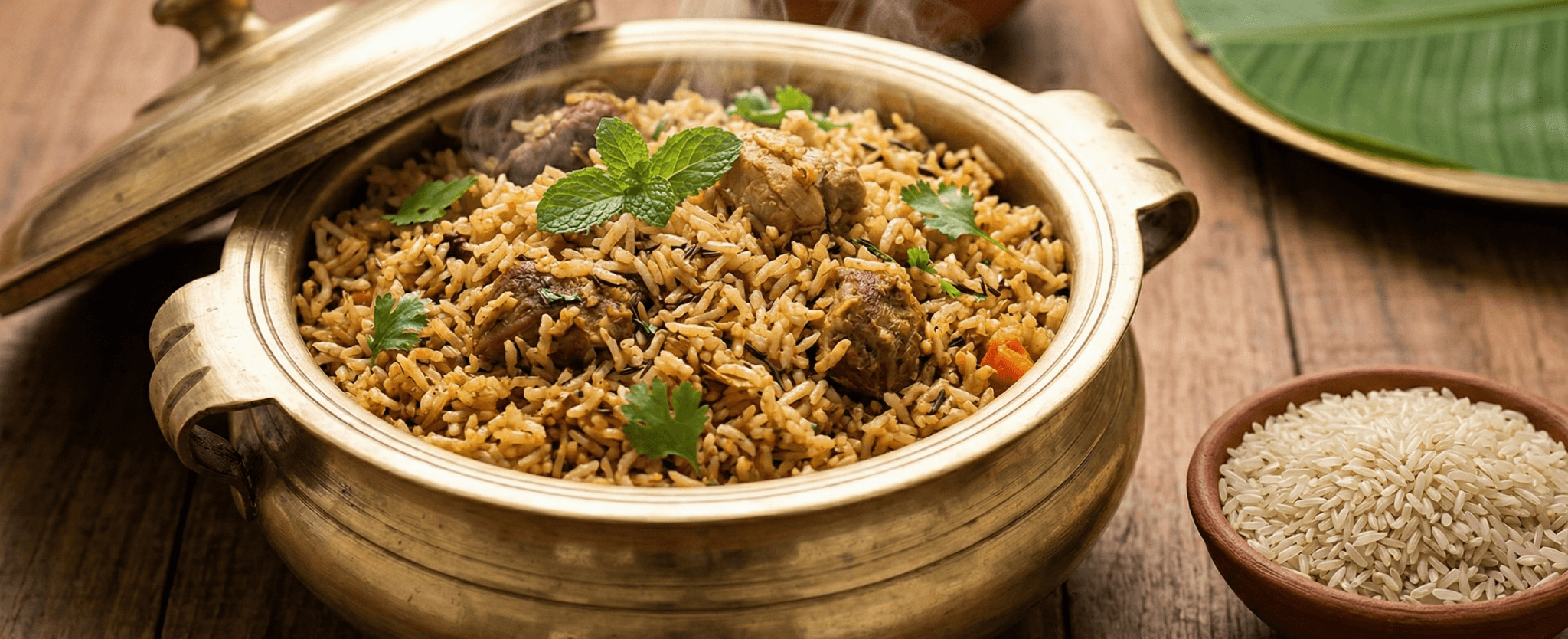
Adding a teaspoon of lightly crushed coriander seeds to water while cooking rice infuses the grain with both flavour and the seed’s cooling volatile oils. This works particularly well with fragrant heritage rice varieties like Thooyamalli or Seeraga Samba from the Ulamart rice collection, where the mild floral note of coriander complements rather than overpowers the natural aroma of the grain.
Buying and Storing Coriander Seeds
The quality of coriander seeds varies considerably between sources. Here is what to look for and how to store them correctly.
What Good Coriander Seeds Look Like
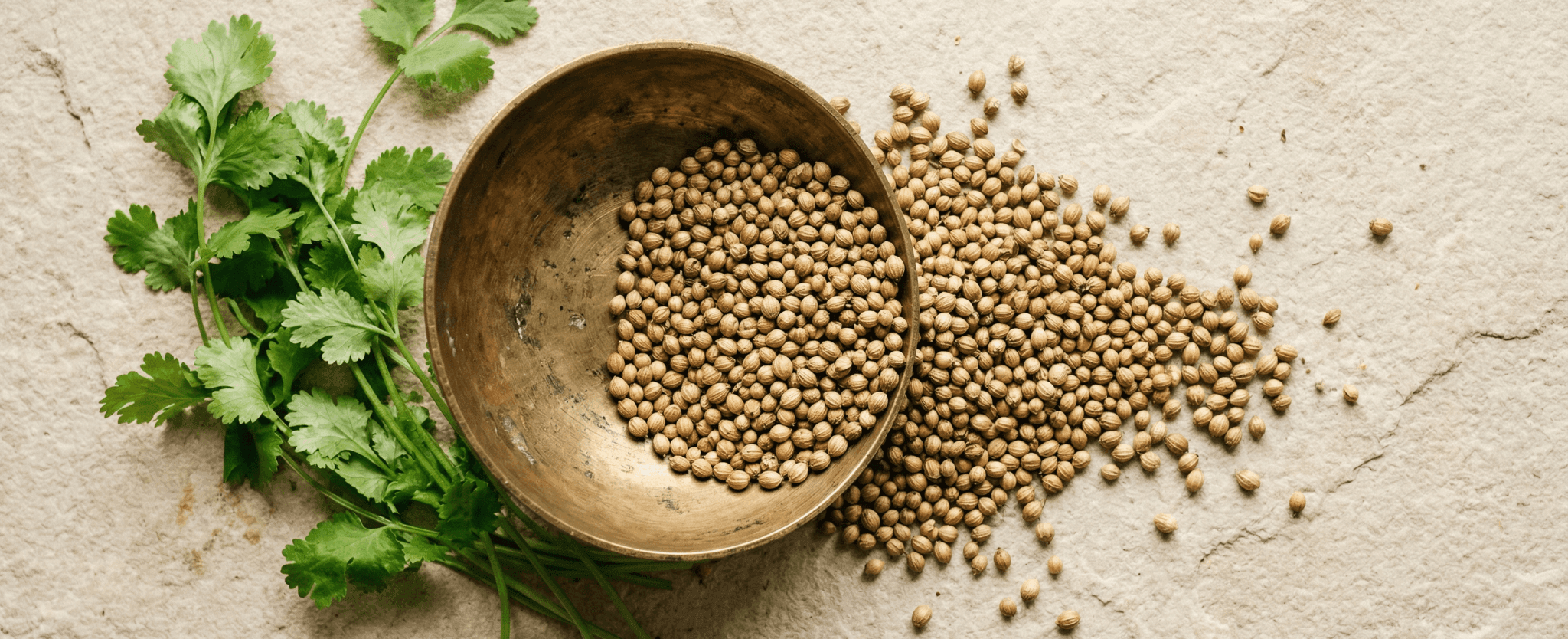
Colour: Fresh whole coriander seeds are pale tan to light brown, with a slightly yellowish-green tinge in recently harvested batches. Seeds that appear uniformly grey or dusty are old.
Aroma: Rub a few seeds between your palms. Fresh coriander has a warm, sweet-citrusy, faintly floral aroma. A weak or absent smell means the volatile oils have evaporated and the seed’s active compounds are largely gone.
Shape: Whole coriander seeds are round, ridged, and consistent in size. They should crack cleanly when pressed rather than crumbling into powder, which indicates dryness and age.
| Storage Factor | Best Practice |
|---|---|
| Container | Airtight glass jar with a tight lid |
| Location | Dark, cool cupboard away from stove and sunlight |
| Duration (Whole Seeds) | Up to 12 months, best within 6 to 8 months |
| Duration (Ground Powder) | 3 months maximum, grind fresh where possible |
| Avoid | Storing near heat sources, using wet spoons, plastic bags |
Using Coriander Seeds with Awareness
Coriander seeds are safe for virtually everyone in cooking quantities. A small number of considerations apply for specific situations:
- People with known allergies to plants in the Apiaceae family, which includes carrot, celery, fennel, and cumin, may have cross-reactive sensitivity to coriander. Test tolerance with small amounts first.
- Those managing low blood pressure should use coriander seed water in moderate quantities rather than large doses, as its diuretic effect can contribute to further blood pressure reduction at high intake.
- People taking diabetes medication should monitor their response when starting a coriander seed water routine, as the seeds have documented blood sugar-lowering effects that may compound medication.
- Coriander seeds are traditionally considered safe during pregnancy in cooking quantities. Large supplemental doses should be discussed with a healthcare provider.
Building a Cooling, Functional Kitchen with Traditional Spices
Coriander seeds are most effective when they are part of a consistently spice-rich cooking pattern rather than used occasionally as a remedy. The combination of coriander with cumin and black pepper in everyday tempering creates a layered nutritional effect that is far greater than any single spice provides alone. Adding coriander water to your morning routine alongside meals built around whole grains and traditionally grown pulses creates a genuinely coherent approach to food as preventive health.
Explore Ulamart’s full range of traditional spices sourced without chemical treatment, and pair them with the millets collection, pulses range, and heritage rice varieties to build a kitchen that works as hard for your health as it does for your taste.
For a broader scientific perspective on the bioactive compounds in coriander seeds, the USDA FoodData Central database provides detailed compositional information that aligns well with the traditional understanding of dhaniya’s nutritional role.