Every ekadashi, navratri, or religious fasting day, millions of Indians face the same question: what can I actually eat that will keep me satisfied until the fast ends? You’re allowed certain grains but not others. Some foods break the fast, some don’t. The rules can feel complicated.
Here’s where barnyard millet changes everything. This ancient grain is traditionally permitted during fasting in Hindu culture, making it one of the few true grains you can eat on vrat (fasting) days. But here’s the really interesting part: barnyard millet is so nutritious and beneficial that you should be eating it on regular days too, not just when fasting.
Unlike many fasting foods that are simply “allowed” without much nutritional benefit, barnyard millet is actually healthier than the rice and wheat you eat every other day. It has a lower glycemic index than rice, more protein than wheat, and more minerals than both. It’s gluten-free, diabetic-friendly, and incredibly versatile in the kitchen.
Today, let’s explore why this humble millet deserves a place in your kitchen every single day, whether you’re fasting or not.
What is Barnyard Millet?
Barnyard millet (Echinochloa frumentacea) is one of the fastest-growing and oldest cultivated millets in India. It’s called by different names across the country:
- Tamil: Kuthiraivali
- Telugu: Udalu
- Kannada: Oodhalu
- Hindi: Sanwa or Jhangora
- Marathi: Bhagar
- Malayalam: Kavadapullu
The name “barnyard” comes from the wild variety that historically grew near barns and farmyards. The cultivated variety we eat today is carefully grown, typically in organic conditions with minimal water requirements.
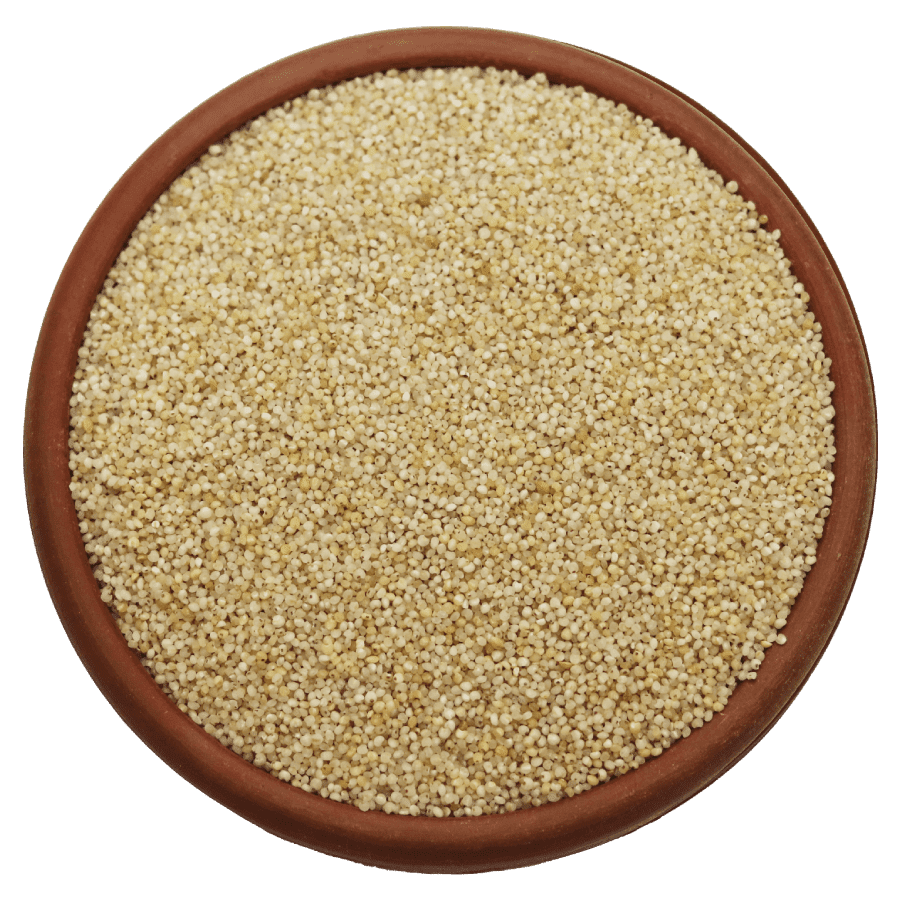
The grain itself is tiny, smaller even than other millets, with a cream to light brown color. But don’t let the small size fool you. These little grains pack extraordinary nutritional power.
You can find authentic organic barnyard millet at Ulamart, sourced directly from farmers who grow it using traditional, sustainable methods.

Why Barnyard Millet is Permitted During Fasting
Before we dive into nutrition, let’s understand the cultural significance.
The Fasting Food Tradition
In Hindu fasting traditions, certain grains are considered “heavy” (tamasic) and avoided during spiritual observances. Regular wheat and rice fall into this category. However, specific grains like barnyard millet, water chestnut flour (singhara), and amaranth are considered “light” (sattvic) and permitted during fasts.
The traditional reasoning behind this classification goes beyond religious doctrine. These fasting foods are:
- Easy to digest
- Don’t create heaviness in the body
- Support spiritual practices by keeping you alert, not sluggish
- Provide sustained energy without weighing you down
Barnyard millet fits all these criteria perfectly. It’s light yet nourishing, making it ideal for days when you want to eat mindfully while maintaining energy.
Traditional Fasting Preparations
Across India, barnyard millet has been used in various fasting dishes for centuries:
North India: Sanwa ki kheer (sweet porridge), sanwa pulao, sanwa ki roti South India: Kuthiraivali upma, kuthiraivali pongal, kuthiraivali adai Maharashtra: Bhagar khichdi, bhagar thalipeeth
These aren’t just “allowable” foods. They’re nutritious, delicious preparations that have sustained people through fasting periods for generations.
Nutritional Profile: Why Barnyard Millet is a Superfood
Let’s look at the numbers. Barnyard millet isn’t just fasting-friendly, it’s nutrition-packed.
Barnyard Millet Nutritional Comparison (Per 100g)
| Nutrient | Barnyard Millet | White Rice | Foxtail Millet | Wheat |
| Protein | 11.2g | 2.7g | 12.3g | 11.8g |
| Fiber | 10.1g | 0.4g | 8.0g | 12.2g |
| Iron | 15.2mg | 0.2mg | 2.8mg | 3.2mg |
| Calcium | 22mg | 10mg | 31mg | 29mg |
| Phosphorus | 280mg | 68mg | 290mg | 288mg |
| Carbohydrates | 65g | 28g | 60g | 71g |
| Glycemic Index | 50 | 70-90 | 50-55 | 45-50 |
Key Highlights:
- 76 times more iron than white rice (crucial for energy and anemia prevention)
- 25 times more fiber than white rice
- Lowest carbohydrate content among common grains
- Low glycemic index perfect for diabetics
- High in phosphorus for bone health and energy metabolism
This nutritional profile explains why barnyard millet keeps you energized during fasting days without the energy crash that comes from simple carbohydrates.
Top 8 Health Benefits of Barnyard Millet
1. Excellent for Diabetes Management
Barnyard millet is one of the best grains for diabetics, even better than other millets in some ways.
Low Glycemic Index (50): Releases glucose slowly into the bloodstream, preventing dangerous blood sugar spikes.
High Fiber (10.1g): The fiber slows down carbohydrate digestion and absorption, providing better blood sugar control than most grains.
Low Carbohydrate: At 65g per 100g, barnyard millet has significantly fewer carbs than wheat (71g) or other grains, making it easier to manage blood sugar levels.
Resistant Starch: Contains resistant starch that acts more like fiber than carbohydrate, further improving blood sugar response.
Many diabetics report better post-meal blood sugar readings when they replace rice with barnyard millet. The combination of low GI, high fiber, and lower overall carbs makes it uniquely suited for diabetes management.
2. Weight Loss Support
Trying to lose weight? Barnyard millet can help significantly.
High Satiety: The combination of fiber and protein keeps you feeling full for 4-5 hours, reducing snacking and overall calorie intake.
Low Calorie Density: Despite being filling, barnyard millet is relatively low in calories when cooked (water increases volume).
Prevents Fat Storage: The low glycemic response means less insulin secretion, and lower insulin means your body is less likely to store fat.
Boosts Metabolism: The iron content supports healthy metabolism and energy levels, important when you’re eating fewer calories.
People who replace rice with barnyard millet often report natural weight loss without feeling hungry or deprived.
3. Incredibly High in Iron
This is barnyard millet’s standout feature. With 15.2mg of iron per 100g, it’s one of the richest plant sources of iron available.
Why this matters:
- Prevents anemia: Especially important for women, children, and vegetarians
- Boosts energy: Iron is crucial for oxygen transport; deficiency causes fatigue
- Supports immunity: Iron is needed for immune cell function
- Improves cognitive function: Iron deficiency affects concentration and memory
For vegetarians and vegans who struggle to get adequate iron, barnyard millet is a game-changer. Pair it with vitamin C-rich foods like lemon juice or tomatoes to maximize iron absorption.
Consider combining barnyard millet with our foxtail millet or little millet to rotate your iron-rich grain sources.
4. Gluten-Free and Easy to Digest
Barnyard millet is naturally gluten-free, making it perfect for people with celiac disease or gluten sensitivity.
Benefits:
- No gluten-related inflammation or digestive issues
- Easier on sensitive digestive systems
- Won’t trigger autoimmune responses in celiac patients
- Suitable for elimination diets
Even for people without gluten issues, many find barnyard millet easier to digest than wheat or barley. The small grain size and unique fiber composition make it gentle on the stomach.
This is one reason it’s traditionally used for fasting – it nourishes without creating digestive heaviness.
5. Bone Health Support
The combination of calcium, phosphorus, and other minerals makes barnyard millet excellent for bone health.
Phosphorus (280mg): Works with calcium to build and maintain strong bones. Phosphorus is actually more concentrated in bones than any other mineral except calcium.
Calcium (22mg): While not as high as dairy, every bit counts, especially from plant sources.
Magnesium: Helps with calcium absorption and bone mineralization.
This is particularly important for:
- Growing children who need minerals for development
- Women going through menopause facing increased osteoporosis risk
- Elderly individuals concerned about bone density
- Anyone looking to prevent bone-related issues
6. Heart Health Benefits
Barnyard millet supports cardiovascular health in multiple ways:
High Fiber: Helps reduce LDL (bad) cholesterol levels.
Low Sodium: Doesn’t contribute to high blood pressure.
Magnesium and Potassium: Support healthy blood pressure regulation.
Antioxidants: Protect blood vessels from oxidative damage.
No Cholesterol: Being a plant food, it’s naturally cholesterol-free.
Regular consumption as a rice replacement can contribute to better heart health over time.
7. Rich in B Vitamins
Barnyard millet contains several B vitamins crucial for energy metabolism and nervous system health:
Niacin (B3): Supports energy production and brain function Thiamine (B1): Essential for glucose metabolism Riboflavin (B2): Important for cellular energy production
These B vitamins work together to help your body convert food into usable energy efficiently. This is why barnyard millet provides sustained energy rather than quick spikes and crashes.
8. Versatile for Fasting and Regular Days
This might not sound like a health benefit, but the versatility of barnyard millet actually supports better nutrition:
On Fasting Days: Provides complete nutrition when food choices are limited On Regular Days: Offers variety and prevents dietary monotony For Families: One grain that works for everyone’s different needs For Meal Planning: Easy to prepare in multiple ways
The ability to use the same grain for both fasting and regular days means you’re more likely to keep it in your pantry and use it consistently.
How to Cook Barnyard Millet Perfectly
Barnyard millet is one of the easiest millets to cook. It cooks faster than rice and doesn’t require soaking.
Basic Cooking Method
Ratio: 1 cup barnyard millet to 2 cups water
Steps:
- Rinse: Wash millet 2-3 times until water runs clear
- Boil: Bring water to boil in a pot
- Add millet: Add rinsed millet to boiling water
- Simmer: Reduce heat to low, cover, cook for 15-18 minutes
- Rest: Turn off heat, let sit covered for 5 minutes
- Fluff: Gently fluff with a fork
Result: Light, fluffy grains that are slightly sticky (perfect for binding in dishes)
Pressure Cooker Method
- Use 1:2 ratio (1 cup millet to 2 cups water)
- Cook for 1 whistle on medium heat
- Natural pressure release
- Fluff and serve
Cooking Time: Just 15-20 minutes, faster than brown rice!
Pro Cooking Tips
For separate grains: Use less water (1:1.75 ratio) and avoid stirring during cooking
For porridge/kheer: Use more water (1:3 or 1:4 ratio) and cook longer until creamy
Add flavor: Cook in vegetable broth instead of water, or add a bay leaf and cinnamon stick
Roasting: Dry roast millet for 2-3 minutes before cooking for enhanced nutty flavor
No soaking needed: Unlike some other millets, barnyard millet cooks perfectly without soaking
Delicious Barnyard Millet Recipes
Fasting Recipes
Barnyard Millet Khichdi (Vrat Special)
Perfect for ekadashi or navratri fasting:
- Cook barnyard millet with moong dal (if allowed)
- Add sendha namak (rock salt)
- Temper with ghee and cumin seeds
- Add boiled potatoes and peanuts
- Serve with cucumber raita
Sweet Barnyard Millet Pongal
Traditional fasting sweet:
- Cook millet in milk until soft
- Add jaggery from our country sugar range
- Mix in cardamom powder and roasted cashews
- Drizzle with ghee
- Serve warm
Barnyard Millet Upma
South Indian fasting breakfast:
- Roast millet lightly
- Temper with cumin, ginger, green chilies
- Add vegetables (potato, carrots allowed during fasting)
- Season with rock salt and lemon juice
- Garnish with fresh coriander
Everyday Recipes
Barnyard Millet Pulao
For regular days when not fasting:
- Sauté whole spices in ghee or sesame oil
- Add mixed vegetables
- Add cooked barnyard millet and mix gently
- Season with our turmeric powder and salt
- Garnish with fried cashews
Barnyard Millet Dosa
Healthy breakfast option:
- Grind soaked barnyard millet with urad dal
- Ferment overnight
- Make thin, crispy crepes
- Serve with chutney and sambhar
Barnyard Millet Idli
Steamed breakfast cakes:
- Mix barnyard millet with regular idli rice or use 100% millet
- Grind with urad dal
- Ferment and steam
- Higher protein, fiber than regular idlis
Barnyard Millet Biryani
Healthy twist on classic:
- Layer partially cooked millet with spiced vegetables
- Add saffron milk and fried onions
- Cook on low heat (dum method)
- Much lighter than rice biryani
Barnyard Millet Porridge
Nutritious breakfast:
- Cook millet in milk until creamy
- Sweeten with honey or dates
- Top with nuts, seeds, and fresh fruits
- High-protein start to your day
Snacks and Sweets
Barnyard Millet Cutlets
- Mix cooked millet with mashed potatoes
- Add spices, herbs, and breadcrumbs
- Shape and shallow fry
- Serve as evening snack
Barnyard Millet Ladoo
- Roast millet flour until aromatic
- Mix with jaggery powder and ghee
- Add cardamom and nuts
- Shape into balls
Combining Millets for Complete Nutrition
While barnyard millet is excellent, rotating between different millets provides the most complete nutrition. Consider creating a millet rotation:
Weekly Rotation:
- Monday/Tuesday: Barnyard millet
- Wednesday/Thursday: Foxtail millet
- Friday/Saturday: Little millet
- Sunday: Ragi (finger millet)
This ensures you get the unique nutritional benefits of each millet variety.
You can also create millet mixes:
- Mix barnyard + foxtail + little millet in equal parts
- Store in an airtight container
- Use this mix for any millet recipe
- Gets you varied nutrition in every meal
Buying and Storing Barnyard Millet
What to Look For
Color: Should be cream to light brown, uniform in color
Grain quality: Clean, free from stones, debris, or insects
Smell: Mild, pleasant grain smell, no musty or rancid odor
Packaging: Sealed package with manufacturing date
Certifications: FSSAI approved, preferably organic certified
Source: Buy from reputable suppliers who can verify authenticity
At Ulamart, our barnyard millet is organically grown and carefully cleaned to ensure you get premium quality grains.
Storage Guidelines
- Store in airtight container in cool, dry place
- Keeps well for 6-9 months at room temperature
- Refrigeration extends shelf life to 12 months
- Protect from moisture and humidity
- Check periodically for any signs of infestation
- Use within 6 months after opening for best quality
Why Quality Matters
Not all barnyard millet is created equal. Quality matters because:
- Organic certification ensures no pesticides
- Proper cleaning removes dust and debris
- Fresh millet cooks better and tastes better
- Authentic sourcing ensures you’re getting real barnyard millet, not substitutes
Barnyard Millet for Different Life Stages
For Children
Benefits:
- High iron supports growth and development
- Easy to digest, gentle on young stomachs
- Can be made into porridge, dosa, idli
- Helps prevent anemia in growing kids
How to introduce: Start with soft porridge or idli, gradually move to other preparations.
For Pregnant Women
Benefits:
- High iron crucial during pregnancy
- Fiber prevents pregnancy-related constipation
- Low GI helps manage gestational diabetes
- Easy to digest during morning sickness
Consult your doctor before making dietary changes during pregnancy.
For Diabetics
Benefits:
- Best millet choice for blood sugar control
- Low GI (50) prevents spikes
- High fiber improves insulin sensitivity
- Lower carbs than other grains
Portion control still matters – work with your doctor on appropriate serving sizes.
For Weight Watchers
Benefits:
- High satiety reduces overall calorie intake
- Nutrient-dense so you don’t feel deprived
- Prevents hunger pangs between meals
- Supports metabolism with iron and B vitamins
For Elderly
Benefits:
- Easy to digest
- Supports bone health (phosphorus)
- Provides steady energy
- High in minerals often deficient in elderly
Cooking tip: Make it softer by using more water for easier chewing and digestion.
Common Questions About Barnyard Millet
Can I eat barnyard millet every day? Yes, absolutely. It can be your daily staple grain. Many people eat it daily without issues.
Does barnyard millet taste good? It has a mild, slightly nutty flavor. Less distinct than some other millets, making it versatile for various dishes.
Is it harder to cook than rice? No, actually easier! Cooks in 15-20 minutes, no soaking needed, very forgiving.
Can non-fasting family members eat fasting food? Of course! Fasting foods are just lighter, healthier options. Everyone can benefit.
Will barnyard millet make me lose weight automatically? No food causes automatic weight loss. But its high fiber and protein naturally reduce appetite, making weight loss easier.
Can diabetics eat it daily? Yes, it’s one of the best grain choices for diabetics. Monitor portions and blood sugar initially.
Is it expensive? More expensive than white rice, but comparable to other millets and organic grains. Worth it for the nutrition.
Can I use it in my regular rice cooker? Yes, use the same settings as for rice. May need slight water adjustment.
Making the Transition
Week 1-2: Fasting Days Only
Start by using barnyard millet only on fasting days. Get comfortable cooking it and learn the taste and texture.
Week 3-4: Add One Regular Meal
Introduce barnyard millet for breakfast or lunch on non-fasting days. Try upma, dosa, or porridge.
Week 5-6: Multiple Meals
Use for both breakfast and one main meal. Experiment with different recipes.
Week 7+: Primary Grain
Make barnyard millet your primary grain, using rice or wheat only occasionally.
Family Acceptance Tips
Mix and match: Combine barnyard millet with rice initially (50-50), gradually increase millet proportion
Familiar flavors: Make dishes your family already loves (biryani, pulao) using millet
Start with sweets: Barnyard millet kheer or ladoo are often accepted more readily
Don’t announce loudly: Sometimes just serving it without making a big deal works best
The Bigger Picture: Sustainability
Choosing barnyard millet isn’t just good for your health. It’s good for the planet.
Water Efficiency: Barnyard millet requires 70% less water than rice cultivation
Grows in Poor Soil: Can grow where other crops struggle, reducing pressure on fertile land
No Pesticides Needed: Naturally resistant to pests when grown organically
Fast Growing: Matures in just 60-70 days, faster than most grains
Climate Resilient: Tolerates drought and varying weather conditions
By choosing millets like barnyard millet, you’re supporting sustainable agriculture and food security for the future.
Final Thoughts: The Everyday Superfood
Barnyard millet proves that the best foods are often the simplest, most traditional ones. It doesn’t need fancy marketing or exotic origin stories. It’s been quietly nourishing people for thousands of years.
The fact that it’s permitted during fasting shouldn’t limit it to just those special days. If a grain is considered pure and light enough for spiritual practices, it’s certainly good enough for everyday eating.
With its exceptional iron content, low glycemic index, high fiber, and ease of cooking, barnyard millet deserves a permanent place in your kitchen. Not as a fasting food. Not as an occasional health food. But as your regular, everyday grain.
Your ancestors knew what they were doing when they cultivated this millet. Now it’s time to bring that wisdom back to your table.
Ready to try barnyard millet? Our organic barnyard millet is sourced directly from farmers who grow it using traditional, sustainable methods. Carefully cleaned and ready to cook.
Explore our complete millet collection:
- Foxtail Millet for everyday nutrition
- Little Millet for weight management
- Ragi (Finger Millet) for calcium
- Pearl Millet for winter wellness
Make the switch to traditional grains. Your body, and the planet, will thank you.
Medical Disclaimer: This article is for informational purposes only and does not constitute medical advice. While barnyard millet offers many health benefits, it is not a treatment for any medical condition. Consult your healthcare provider before making significant dietary changes, especially if you have existing health conditions, are pregnant, or are taking medications. Individual responses to dietary changes vary.